REVIEW · BOSTON
Boston: In Cold Blood True Crime Guided Walking Tour
Book on GetYourGuide →Operated by Junket · Bookable on GetYourGuide
Boston crime stories start at the Public Garden. This is a true-crime walking tour built around 13 cases tied to Boston’s darkest corners, from the 17th century to more recent scandals. You meet in a bright, calm spot—then the stories get grim fast.
What I like most is the focus on real places and real people, including stops tied to Jane Toppan and Boston schemers like Charles Ponzi. I also like the guide style: names come up, details matter, and you’re not stuck listening to a script with no answers—Andrew and Freddie are both described as attentive and easy to follow.
One drawback to plan around: it’s rain or shine, and the walk isn’t for you if you can’t handle more than a mile on foot. Add in that the content covers murders, executions, and duels, so it’s not a great fit if that kind of subject matter makes you squirm.
In This Review
- Key Things I’d Pay Attention To
- Entering The Tour at Boston Public Garden’s George Washington Statue
- Thirteen Boston Cases in Two Hours: What the Tour Really Covers
- Jane Toppan: The Early-Case Starter That Hooks You Fast
- Benjamin Woodbridge and the 18th-Century Duel Scene
- The Karina Holmer Murder: When Testimony Becomes a Problem
- Clark Rockefeller and Charles Ponzi: Schemes With Boston Street Cred
- Old Granary Burial Ground and Boston Body-Snatching History
- Pace, Listening Comfort, and Why Andrew or Freddie Matters
- Practical Stuff: Shoes, Weather, and The Real Walking Requirement
- Price Check: Is $35 Worth Two Hours of Boston True Crime?
- Who This Tour Is Best For (and Who Should Skip)
- Should You Book This Boston True Crime Walking Tour?
- FAQ
- Where do I meet the guide?
- How long is the tour?
- Is it walking-heavy?
- Does the tour run in bad weather?
- What’s included in the ticket price?
- Can I bring a camera or record video?
- Are there restrictions on behavior?
Key Things I’d Pay Attention To
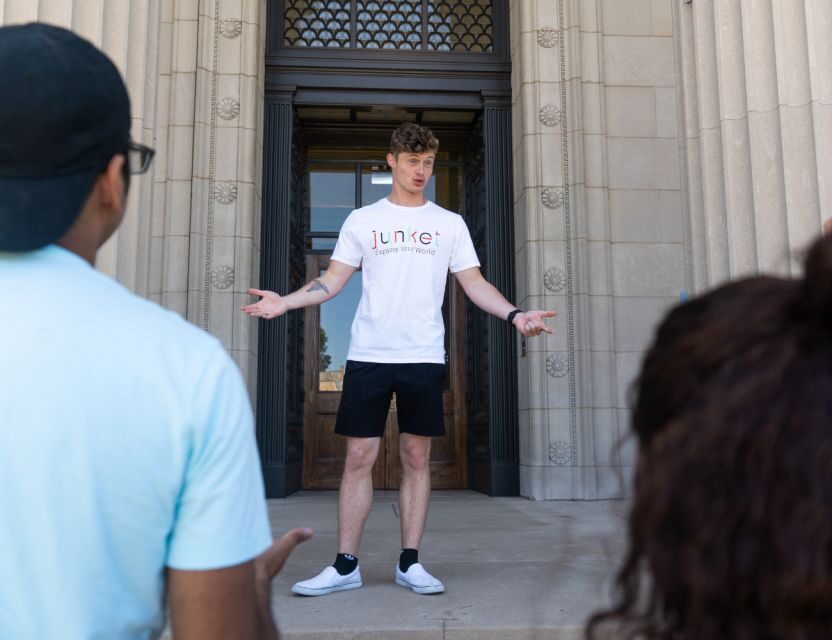
- Meet at the George Washington Statue in Boston Public Garden, with a guide in a white Junket t-shirt and carrying a flag
- 13 crime stories over 2 hours, with cases spanning from the 1600s to today
- January-style Q&A energy—guides like Andrew and Freddie are praised for pace and answering questions
- You’ll hit major names in Boston’s underworld, including Jane Toppan and Charles Ponzi
- Bring comfy shoes; it’s not recommended if you can’t walk more than a mile
Entering The Tour at Boston Public Garden’s George Washington Statue

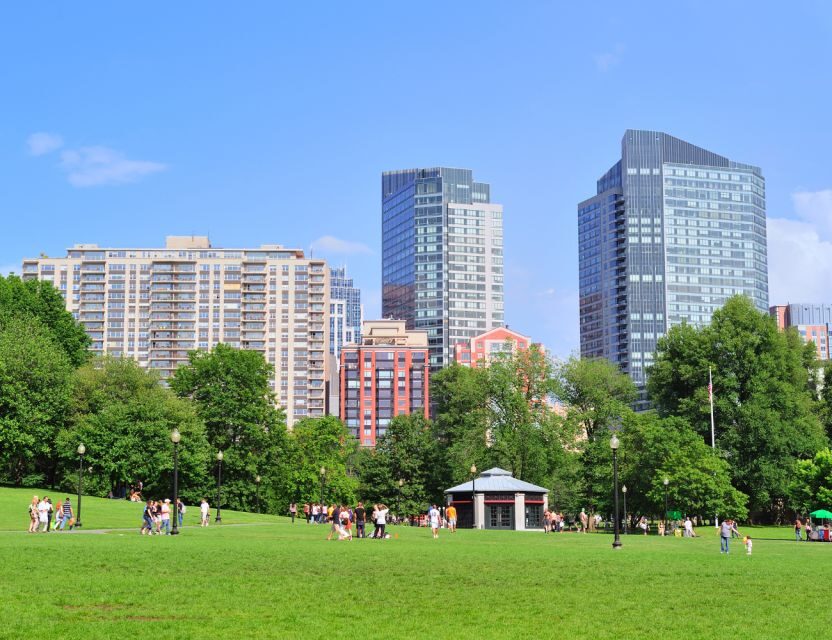
The tour starts at a place that feels almost too peaceful: the George Washington Statue in Boston Public Garden. That contrast is part of the trick. You get your bearings in an open, landmarky area, then your guide shifts the mood with the first case—Jane Toppan is where the tone turns serious.
Guides are easy to spot. Look for the guide wearing a white Junket t-shirt and carrying a flag. That sounds minor, but it matters on walking tours. Fewer minutes hunting for the group means more minutes hearing the story.
You’re signing up for a 2-hour walking experience, and the company emphasizes a well-paced, guided route with “express security check” where applicable. That can save time versus waiting around at busier points, especially if the day is crowded.
You can also read our reviews of more walking tours in Boston


Thirteen Boston Cases in Two Hours: What the Tour Really Covers

This tour is built to move fast without feeling rushed. The promise is 13 crime stories spanning roughly 400 years, and you’ll feel that sweep as the guide connects Boston’s older court-era violence and public punishments to later swindles and unsolved cases.
Here’s the core mix you should expect:
- murders and unsolved mysteries
- executions, duels, and violent crime from earlier centuries
- con artists and financial scheming
- darker “before modern forensics” details, like body snatching
You’ll also notice how the tour treats the city like a crime map. Each stop is chosen because something specific happened there—or because the case became part of Boston’s public record. That makes it more useful than a generic “ghost story” walk. You’re learning Boston through cases, not just reading spooky vibes off brick walls.
Jane Toppan: The Early-Case Starter That Hooks You Fast

The tour’s first major story centers on Jane Toppan, one of America’s earliest serial killers. Starting here isn’t random. It gives you a clear anchor: a recognizable name, a grim concept, and a case that immediately explains why Boston’s history can feel sharp-edged.
You’ll begin the tour right after meeting in the Public Garden, then move on through the next stops as the guide builds the timeline. The way the story is presented is part history, part investigation. Even without getting graphic, it’s told in a way that helps you understand why people at the time were alarmed—and why investigators struggled.
If you love true crime, this is a strong opening. It’s concrete and name-driven, and it sets up the rest of the route, where the tour keeps shifting between violence and fraud.
Benjamin Woodbridge and the 18th-Century Duel Scene

One stop is tied to Benjamin Woodbridge, who fell bleeding after an 18th-century duel. That kind of event is historically important in its own right, but the tour makes it more than a date-and-place fact.
The reason this works is simple: duels were public. They were social theater. So when you stand near the place connected to Woodbridge’s fall, you’re not just thinking about one person—you’re thinking about Boston’s rules for honor, conflict, and consequences.
It’s also a nice change of pace from serial-killer storytelling. You go from a pattern of harm to a single dramatic event—then the tour swings again toward other types of mystery.
The Karina Holmer Murder: When Testimony Becomes a Problem
Another highlight is the Karina Holmer case. The tour frames it as mind-boggling and emphasizes the confusion in what investigators had to work with.
What you’ll focus on here is testimony that didn’t line up—described as chaotic and contradictory—leaving investigators stuck. This is where the tour becomes especially satisfying if you like cases that feel unresolved or imperfect, because it shows how “the evidence” can be messy even when people are trying to do the right thing.
This stop also helps you understand why true crime stories keep resurfacing. Some cases don’t close cleanly. The gaps become part of the story, and Boston’s older public records can make those gaps more visible.
You can also read our reviews of more guided tours in Boston






Clark Rockefeller and Charles Ponzi: Schemes With Boston Street Cred
Boston has always been good at business stories—and this tour puts the shady side of that in the spotlight. You’ll hear about famous schemers such as Clark Rockefeller and explore the origin story behind the Ponzi scheme.
This isn’t just “here’s what a con artist did.” The tone leans toward how the scheme took hold and how the city’s systems and attention helped make it possible. By pairing Rockefeller and Ponzi, the tour also nudges you to think about different types of fraud: the social kind, the financial kind, and the way hype can turn into harm.
If you’re a fan of scams that feel believable at the time, this part is a great payoff. You get the story behind the names—not just trivia—and it sets you up for why these cases matter in Boston’s broader history of crime and consequence.
Old Granary Burial Ground and Boston Body-Snatching History
One stop focuses on body snatching at the Old Granary Burial Ground. That subject is unpleasant, but it’s also historical in a very concrete way. It’s the kind of topic that makes you realize how “modern ethics” didn’t always exist the way we assume it does.
On this walk, the value is in grounding the sensational in a specific place. Instead of floating in general horror, you’re connecting the practice to Boston’s burial history and the era that produced it.
This stop is also a reminder that crime wasn’t always about street violence. Sometimes the wrongdoing was tied to medicine, profit, and the value people placed on bodies and secrecy.
Pace, Listening Comfort, and Why Andrew or Freddie Matters

A lot of walking tours are the same: talk fast, cover facts, hope you keep up. This one seems to work better because of how the guides run the group.
In particular, Andrew is described as having done serious homework on details of the incidents, keeping a good pace, and being easy to listen to. Freddie is also praised for being incredibly knowledgeable and for delivering a more personal-feeling experience when the group is small.
That “small group effect” is important. Some days the tour has only one or two people, which means more chances to ask questions and get clearer answers instead of yelling across a crowd. Even when the group isn’t tiny, the tour is designed to function as a tight 2-hour story session with stops that keep you engaged.
Practical Stuff: Shoes, Weather, and The Real Walking Requirement

This tour takes place rain or shine, so plan like you’re going outside for two hours no matter what the sky does. Wear weather-appropriate clothing and bring comfortable shoes—the route includes enough walking that it’s not recommended if you can’t walk more than a mile.
There’s a small contradiction worth respecting: it’s listed as wheelchair accessible, but it’s also not recommended for people who can’t walk more than a mile. If mobility is a factor, treat that as a real warning, not a formality. Bring your own judgment about your comfort level and stamina.
Also note the rules that keep the vibe focused:
- no smoking
- no alcohol or drugs
- no video recording
That’s helpful if you want a calmer atmosphere where people aren’t filming every second.
Price Check: Is $35 Worth Two Hours of Boston True Crime?
At $35 per person for a 2-hour guided walking tour, you’re paying for three things: access to a local guide, a story built around specific Boston sites, and a set of case highlights that go beyond generic sightseeing.
Is $35 cheap? Not exactly. But it’s also not trying to be a museum-ticket replacement. Instead, it’s an efficient way to turn walking time into context. You’ll get 13 cases tied to meaningful stops, including big name stories like Jane Toppan and the Ponzi scheme, plus lesser-known angles like Old Granary burial history and the confusion around the Karina Holmer case.
The real value is whether you’ll use the material. If you like true crime, financial fraud, and historical investigations, the time flies—and $35 for that level of storytelling makes sense. If the topic makes you uncomfortable, you might feel the cost because you’ll want to opt out emotionally, not just physically.
Who This Tour Is Best For (and Who Should Skip)
This is an ideal match if you:
- enjoy true crime and historical cases
- like walking tours that teach you something specific, not just general “this is old” facts
- want a Boston underbelly angle that still feels grounded in real locations
It’s not a great fit if you:
- can’t handle walking more than a mile
- dislike violent subjects like murders, executions, and duels
- are looking for a light, funny “history snack” type tour
And if you’re the type who likes to ask questions, this format rewards you. The guides are described as responsive, and the short route length keeps you from losing momentum.
Should You Book This Boston True Crime Walking Tour?
I’d book it if your idea of a fun afternoon includes hearing crime stories that map to actual Boston sites—and you’re okay with the material being dark. The 13-case structure, the named highlights (Jane Toppan, Charles Ponzi, Karina Holmer), and the guide approach (Andrew or Freddie described as strong on pace and detail) all point to a tour that’s built to keep you listening.
I’d pass if you want strictly cheerful history, if weather storms make walking risky for you, or if you know you won’t manage more than a mile comfortably.
If you’re on the fence, remember this is also set up for flexibility: there’s free cancellation up to 24 hours in advance and a reserve-now/pay-later option. That means you can protect your schedule and still snag a spot.
FAQ
Where do I meet the guide?
Meet at the George Washington Statue in Boston Public Garden. The guide should be wearing a white Junket t-shirt and carrying a flag.
How long is the tour?
The tour runs for 2 hours.
Is it walking-heavy?
It’s a walking tour, and it’s not recommended if you cannot walk more than a mile. Bring comfortable shoes.
Does the tour run in bad weather?
Yes. It takes place rain or shine.
What’s included in the ticket price?
You get a 2-hour guided walking tour with a guide and well-researched, credible history.
Can I bring a camera or record video?
No. Video recording is not allowed.
Are there restrictions on behavior?
Yes. Smoking isn’t allowed, and alcohol and drugs are not allowed.