REVIEW · BOSTON
Walk the Historic Freedom Trail with Costumed Guide
Book on Viator →Operated by Boston Town Crier - Tours of Freedom Trail · Bookable on Viator
Boston’s Revolution starts on a church doorstep. This Freedom Trail walk is built around a costumed guide who talks as you move, turning street corners into scenes from the 1700s, and it runs just long enough to keep your afternoon open. I especially like that you get admission tickets included at each stop, so you’re not just reading plaques from the sidewalk. The guide’s period dress also adds a fun layer without making it feel like a theme park.
The main consideration: this is a shorter format than doing the entire Freedom Trail end-to-end, so if you want every single marker, you may need a second walk on your own.
In This Review
- Key things to know before you go
- A 90-minute Freedom Trail that fits real travel days
- Where to meet: Tremont Street start and Faneuil Hall finish
- The costumed guide: why the stories land
- Stop-by-stop: what you’ll see and why it matters
- Park Street Church to Boston Common: early Boston in plain terms
- Massachusetts State House: consent and legitimacy
- Granary Burying Ground: names you recognize, in a small space
- King’s Chapel to Boston Latin School: old institutions, big influence
- Old South Meeting House: the pre-Tea Party meeting
- Old State House: British control to American control
- Boston Massacre Site: the story behind an engraving
- Faneuil Hall Marketplace: the tour’s final hit
- How much walking is really involved?
- Sound, group size, and street noise reality checks
- Price and value: $30 for guided entry to key sites
- Best day plan: pair this walk with food and free time
- Who should book this Freedom Trail tour?
- Should you book it?
- FAQ
- How long is the walk?
- What’s the price?
- Where does the tour start and end?
- Is admission included anywhere?
- Is the tour in English?
- Is it easy to join if I’m not very mobile?
- What’s the cancellation policy?
Key things to know before you go
- Costumed, story-first guiding that keeps the pace gentle and the facts clear
- Entry tickets included at the major stops you visit
- A time-saving route that still hits the big moments of the Revolution
- Short walking duration (about 90 minutes, with a lot of standing)
- Small-group feel (they cap the group size; expect fewer than 45 people)
- Audio support available, and you’ll get best results if you stay closer to the guide
A 90-minute Freedom Trail that fits real travel days
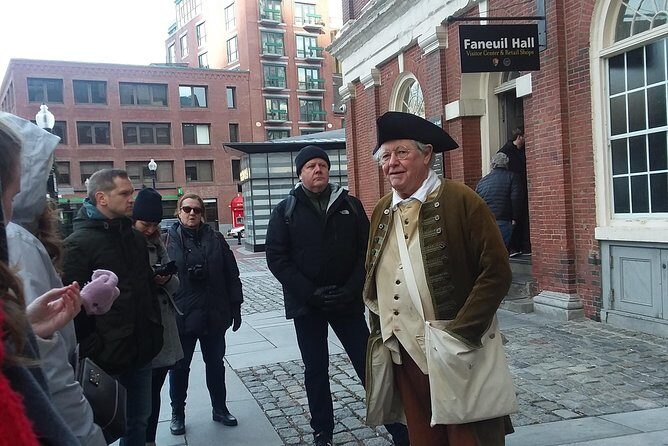
If your Boston schedule is tight, this is one of the smarter ways to start. You get a guided orientation to the downtown sites tied to colonial resistance and early American politics, without committing to a full day of walking and museum-hopping.
I like that it feels like a true stroll: about 90 minutes, not an all-day marathon. And because the route is shortened, you finish with energy left to keep exploring on your own rather than dragging yourself back out for more stops.
That shorter format is also why it works for history buffs and for people who want the highlights. You leave knowing the names, the locations, and the basic storyline—so later, when you see something on your own, it clicks faster.
You can also read our reviews of more walking tours in Boston


Where to meet: Tremont Street start and Faneuil Hall finish
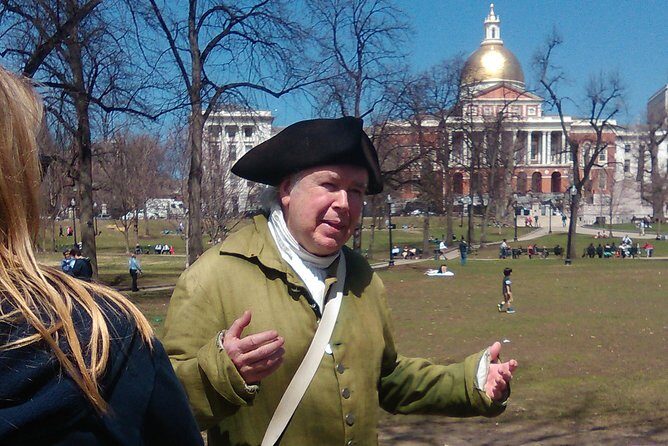
You start at 139 Tremont St in Boston, and you end at Faneuil Hall Marketplace. That end point matters. Faneuil Hall is a natural place to branch out—shops, coffee, people-watching, and easy connections to the rest of downtown.
This tour is designed to be straightforward to join. It runs in English, and you’ll receive a confirmation at the time of booking, with a mobile ticket on hand. If you’re coming from another part of the city, the meeting point is near public transportation, so you’re not forced into a complicated route just to begin.
Practical tip: bring comfortable shoes. The walk is gentle, but you will spend time standing in place at each stop while the guide explains what you’re looking at.
The costumed guide: why the stories land
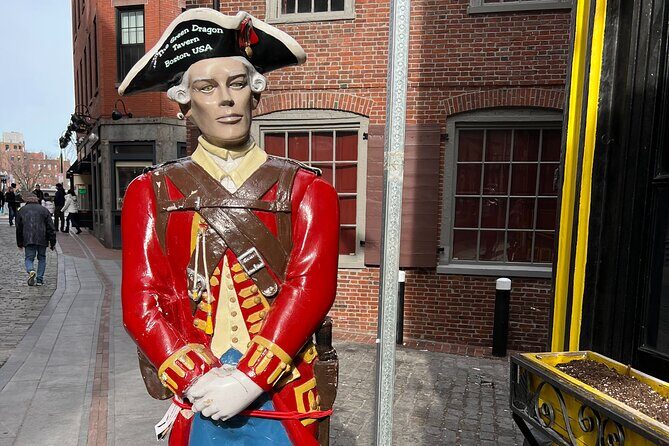
The guide wears period-style clothing and explains events as you walk. That sounds like a gimmick until you realize what it does for pacing. When the guide’s delivery matches the era—tone, cadence, and the little humorous remarks—it keeps the tour from turning into a lecture.
I also like how the guiding style is built for real attention spans. The narration doesn’t just recite dates. It frames why the place mattered and what it meant to people at the time—then moves you along before you lose the thread.
From past departures, I’ve seen names like Thomas called out for a big mix of humor and Boston details, and James Otis credited as an especially entertaining guide (including references to his long-running Freedom Trail tour work). Other guides mentioned include Steven, Jeff, and Adri, each praised for bringing the sites to life.
If you want to get more out of the stop-and-go structure, this is the best way to do it: ask quick questions when the group pauses. The guide’s job is to turn the location into context, and you’ll get more value if you interact instead of staying silent.
Stop-by-stop: what you’ll see and why it matters
This route focuses on the central downtown markers tied to dissent, government, and rebellion. You also get admission tickets included for the stops listed, which is a big deal for value—time and money are both saved.
Park Street Church to Boston Common: early Boston in plain terms
The tour begins at Park Street Church, where you’ll get a story that connects early Puritan roots to later Protestant shifts. It’s a good opening because it sets the tone of the city: beliefs weren’t just private opinions here; they shaped community life.
Next is Boston Common, where the guide explains early history around the heart of the city. This is where you learn the geography of power. From there, you start seeing how civic decisions became public conflict.
Admission tickets are listed as included at both stops, so you’re not stuck outside. You’ll spend about 5–10 minutes at each location depending on the flow, but the guide keeps it moving at a comfortable pace.
You can also read our reviews of more guided tours in Boston






Massachusetts State House: consent and legitimacy
At the Massachusetts State House (built in 1795), the focus shifts to the idea that government only has legitimacy with the people’s consent. That’s a powerful takeaway because it turns an old building into an argument you can understand.
You’ll only be there about 5 minutes, so treat it like a guided primer. The goal isn’t to become an architectural expert on the spot. It’s to walk away with the theme you can carry into the next stops.
Granary Burying Ground: names you recognize, in a small space
One of the most memorable moments is Granary Burying Ground, a historic graveyard over 350 years old. The guide points out that there are more signers of the U.S. Constitution here than anywhere else in America—an eye-opening fact that makes the place feel more than old stone and trees.
Time-wise, it’s the longest stop: about 15 minutes. If you prefer short stops only, you’ll feel the difference here, especially because it’s also a standing-and-listening environment.
Still, this stop is a major reason the tour earns its high ratings. It’s hard to forget the scale of the names tied to early government once you’ve heard them connected to the Revolutionary story.
King’s Chapel to Boston Latin School: old institutions, big influence
Next up is King’s Chapel, originally a Church of England site built around 1688. The guide helps connect the religious shifts of the era to what people believed about authority and community.
Then you’ll see Boston Latin School, credited as the oldest public school in the U.S., founded in 1635. This is one of those stops that can surprise people because education doesn’t always feel like part of revolution history—until you hear how ideas and leadership were shaped.
These stops are shorter (about 5–10 minutes total each area), so you’ll mostly get the key points rather than a deep architectural walk.
Old South Meeting House: the pre-Tea Party meeting
Old South Meeting House is where the story turns toward action. It’s tied to well-known meetings, including a meeting held just before the Boston Tea Party in 1773.
This stop works because it shows you what organizing looked like before the dramatic moment everyone remembers. The guide connects the dots while you stand in the space where decisions were discussed.
Old State House: British control to American control
At the Old State House (built in 1713), you’ll hear how control shifted—from British hands to American control in 1775. That’s a simple timeline, but it carries a lot of meaning when you’re standing at the spot where civic authority was contested.
You’ll spend about 5 minutes here, so the guide makes the takeaways quick and clear. It’s a good stop if you want the contrast: who held power, who challenged it, and what changed.
Boston Massacre Site: the story behind an engraving
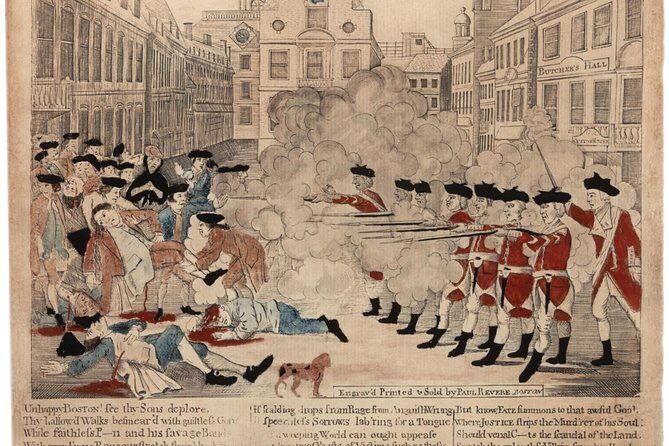
At the Boston Massacre site, the guide explains the event where five Americans were killed by British soldiers in 1770. You’ll also hear how Paul Revere’s engraving helped spread the image of what happened.
This is one of the stops where the guide’s delivery style matters. When the narration is sharp and focused, a small location feels heavy with consequence.
Faneuil Hall Marketplace: the tour’s final hit
You end at Faneuil Hall Marketplace with a last look at the revolutionary-era figure tied to the space—there’s a Samuel Adams statue there. The tour wraps up quickly here (about 5 minutes), but it’s a satisfying finale because the city’s political energy is still visible in the modern landmark.
After the walk, you’re in the right zone to keep exploring without needing extra transit planning.
How much walking is really involved?
On paper it’s about 90 minutes, but the real measure is comfort. You’ll be walking a bit between stops and then standing for explanations throughout.
A recurring tip from the experience style is simple: comfortable shoes and dress for the weather. There’s enough strolling that you’ll appreciate footwear, but it’s not presented as a strenuous hike.
If you’re sensitive to crowds or you don’t like standing still for long stretches, plan for the graveyard stop being the hardest part—because it’s the longest pause at about 15 minutes.
Sound, group size, and street noise reality checks
Downtown Boston means street noise. Even with amplification, there will be moments when you have to work a little to hear every word.
The good news is that the tour is set up with audio support (the guides are miked). The practical move is to stay closer to the speaker, especially if you have any hearing challenges.
Group size also affects the experience. The tour caps participants, and reviews of different departures mention that it can be harder when the group is on the larger side. If you want the best sound, choose a departure time when you can show up early and position yourself near the front.
Price and value: $30 for guided entry to key sites
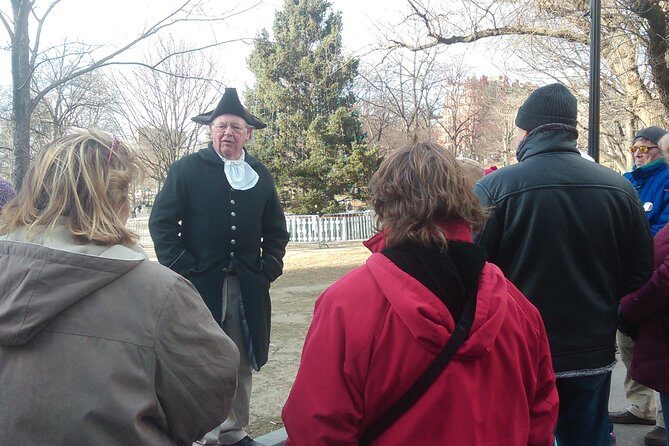
At $30 per person for roughly 1 hour 30 minutes, the value comes from three things:
1) you get a trained guide who explains the story as you move
2) admission tickets are included at the stops on the route
3) the tour hits major markers without requiring you to plan each site yourself
That last point is underrated. Even if you love self-guided exploring, paying for a guided shortcut is worth it when it prevents you from spending your limited time figuring out what to prioritize.
Also, the tour is often described as covering 11 of the 16 Freedom Trail stops rather than the entire loop. So you’re paying for a focused highlights route—ideal if you’re choosing between doing it all or doing it well.
Best day plan: pair this walk with food and free time
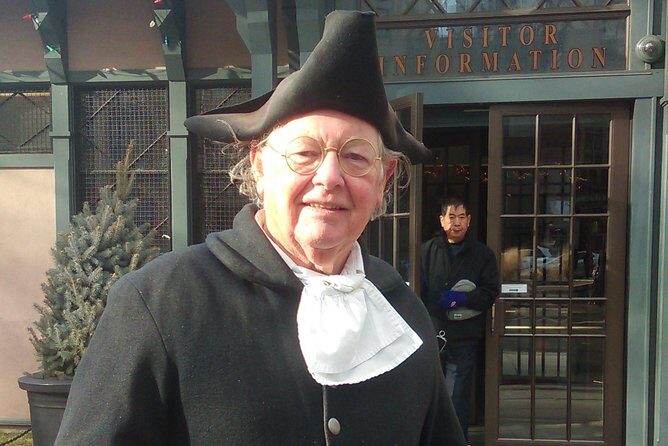
Because the departures run morning or afternoon, you can build the rest of your day around the end point. The tour ends at Faneuil Hall, so you can immediately keep wandering or schedule a next activity nearby.
I’d also suggest using the guide as your on-the-ground tip source for food. One guide named Thomas is credited with sharing pointers like where to find a classic lobster roll (including mention of Legal Sea Foods) and where to look around the North End.
Even if you don’t follow every recommendation, that kind of local direction helps you avoid random guesswork.
Who should book this Freedom Trail tour?
Book it if you want:
- a short, high-impact orientation to Boston’s Revolutionary sites
- guided stops with admission tickets included
- period-costume storytelling that keeps the mood light while still staying factual
- a structure that works even if you only have part of a day
Skip it (or plan a second day) if you:
- want to complete every single marker on the Freedom Trail in one go
- dislike standing for explanations in outdoor, street-level settings
Should you book it?
Yes—if you’re trying to make Boston history click fast, this is a strong choice. The 90-minute length fits real schedules, the guide’s costumed storytelling helps the places feel human, and the included entry tickets make the $30 price feel practical instead of expensive.
If you’re a completionist, do this first to learn the storyline, then go back later for the remaining sections at your own pace.
FAQ
How long is the walk?
It’s about 1 hour 30 minutes (approx.), with a gentle strolling pace that still includes a lot of standing at stops.
What’s the price?
The tour costs $30.00 per person.
Where does the tour start and end?
It starts at 139 Tremont St, Boston, MA 02111 and ends at Faneuil Hall Marketplace, Boston, MA 02109.
Is admission included anywhere?
Yes. Admission tickets are listed as included for each of the listed stops on the route.
Is the tour in English?
Yes, it’s offered in English.
Is it easy to join if I’m not very mobile?
Most people can participate. The tour is described as a gentle walk, but it does involve walking and standing.
What’s the cancellation policy?
You can cancel for a full refund if you cancel up to 24 hours in advance. The experience can also be canceled due to poor weather, in which case you’ll be offered a different date or a full refund.