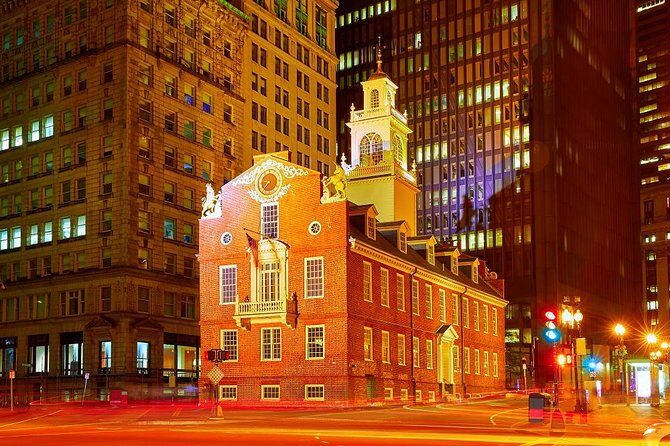
REVIEW · BOSTON
Self Guided Classic Freedom Trail Location Aware (GPS) Walking Audio Tour
Book on Viator →Operated by WalknTours · Bookable on Viator
A Freedom Trail story, guided by GPS. This self-guided walking audio tour turns the route into step-by-step listening, with on-location prompts so you don’t lose the thread. I like that it’s built for your own pace, not a timed group march, and it walks you through major sites from Boston Common all the way to Charlestown.
Two big wins for me: the audio coverage is detailed enough to make famous stops feel real, and the app’s location-aware GPS helps you stay oriented even on busy sidewalks. One caution: like any phone-based tour, you’ll want a plan for audio volume and battery life, since low volume or app hiccups can make the experience feel harder than it should.
In This Review
- Key takeaways before you start
- Why this Freedom Trail audio tour works so well
- Starting at Boston Common Visitors Center: your route’s launchpad
- Boston Common to the main Freedom Trail: go for the story, not the checklist
- Granary Burial Ground and the Old State House zone: where names get real
- Faneuil Hall and the Old South area: Revolution politics, but on sidewalks
- North End: Paul Revere’s house, Old North, and the “One if by land” moment
- Copps Hill and the surrounding graveyard stops: the emotional side of history
- North End to Charlestown: the climb toward Bunker Hill
- USS Constitution end point: your final checkpoint
- Audio quality, GPS behavior, and battery life: the real-world stuff
- Tickets, admissions, and what you still need to pay for
- How long it really takes, and how to pace it
- Who this Freedom Trail tour is best for
- Should you book it?
- FAQ
- How long does the tour take?
- Where does the tour start and end?
- How much does it cost?
- Is the tour audio included, and what language is it?
- Are admission tickets included?
- Can I listen to it again after walking?
Key takeaways before you start

- GPS prompts keep you on route so you can focus on listening instead of re-checking maps every minute
- Pause whenever you want so breaks, photos, and snacks don’t wreck the rhythm
- Replay later with the virtual tour once you’ve started the on-trail sequence
- Earbud-friendly planning helps because street noise can make quiet narration tough
- Phone battery matters the app can drain faster than you expect on a long walk
Why this Freedom Trail audio tour works so well
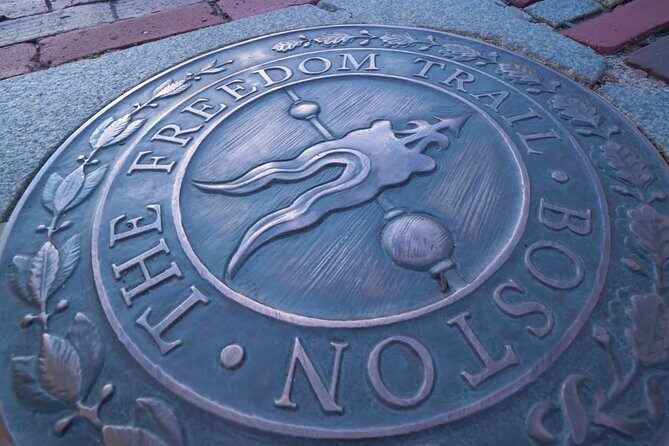
Boston’s Freedom Trail is easy to follow on foot—those red-brick lines are famous. What’s harder is turning a simple walk into an actual story you remember. That’s where this tour scores: it gives you a guided sequence while still letting you stop for air, coffee, or better photo angles.
For the price—$7.75 per person—this is a strong value if you’re the kind of traveler who wants context without paying for a live guide. You get a solo experience (only your group) and a built-in plan that takes you through core stops like Boston Common, Old North, Bunker Hill, and the USS Constitution area.
The practical advantage is control. You can rush a little when you’re running late, or slow down when you find something interesting. The GPS behavior matters too: the narration is tied to where you are, so you’re not just scrolling through a playlist—you’re matching the story to the sidewalk you’re standing on.
You can also read our reviews of more walking tours in Boston



Starting at Boston Common Visitors Center: your route’s launchpad
The tour begins at the Boston Common Visitors Center (139 Tremont St). If you’ve never walked Boston Common before, this is a smart starting point because the park feels like a reset button for the whole city—open space, big landmarks, and clear sight lines.
Early on, you’ll hear about a spot connected to a dome and a statue across the street, then you’ll move into Boston Common itself. This part sets the stage for what comes next: the idea that Boston’s early civic life wasn’t distant history—it was happening right here, on footpaths people still use today.
One small “plan ahead” note: Boston Common is free to enjoy, but the tour mentions admission not included for this portion. If you’re hoping to add any separate entry tickets at the park area, budget for that separately.
Boston Common to the main Freedom Trail: go for the story, not the checklist

Once you’re on the Freedom Trail sequence, the tour takes you through the classic arc: Boston Common into old Boston, over toward the North End, out through the bridge route to Charlestown, then up to Bunker Hill and onward toward the USS Constitution.
This is the part you’ll probably think of as the core of the experience: the tour is built around what you’ll see while walking. It keeps the route logical, and it doesn’t feel like you’re hopping randomly from one attraction to the next.
What I like most here is how it builds meaning. You’re not just told what happened—you hear about who’s connected to each place, what memorials signal, and which revolutionary details are often misunderstood or oversimplified. Even if you’ve read about the Revolution before, the narration helps you connect the names to the geography.
Also, don’t ignore the small timing cues. Some stops are quick by design—think a few minutes at key points—so you get a steady flow rather than long delays in one location. That’s helpful when your feet are already doing their own navigation.
Granary Burial Ground and the Old State House zone: where names get real

As you progress, you’ll pass by several headline sites along the Freedom Trail, including Granary Burial Ground and the Old State House area. These places can feel like “photo stops” on a tight itinerary. With audio, they become scenes.
One of the most memorable segments focuses on famous burial and memorial areas, including the Sam Adams grave. You’ll also hear about the bell and its history, and how Ben Franklin ties in through the school he attended along with other revolutionary figures.
This stretch also sets up the more intense moments later in the walk. You hear about a Boston Massacre site and get the background that explains why certain corners and squares matter. The narration also brings in political storytelling around the so-called cradle of liberty and Sam Adams, including mention of his failures—an extra dose of reality that keeps the Revolution from turning into a clean myth.
Practical tip: if you’re sensitive to street noise, consider using ear buds. The walk is outdoors, and narration can compete with traffic and footfalls.
Faneuil Hall and the Old South area: Revolution politics, but on sidewalks
This isn’t just a list of buildings. The audio keeps tying locations to events. You’ll hear about the Union Oyster House as well as the JFK table—both are part of Boston’s story in different ways, and the tour uses them to show how history and everyday life overlap.
Near the Haymarket and into the North End direction, the tone shifts toward how the city functioned. You’ll also hear about the origins behind the Boston Tea Party, which helps explain why that event still lives in public memory.
As you walk, you’re moving through places people still use today. That matters. The tour works best when you treat it like a slow walk through neighborhoods, not a museum route.
You can also read our reviews of more guided tours in Boston






North End: Paul Revere’s house, Old North, and the “One if by land” moment

The North End is often described as Boston’s Little Italy, but this tour focuses on why the area became what it is—through revolutionary-era landmarks and immigrant stories. You’ll hear about Irish immigrant settlement patterns in the area, including a connection to JFK’s family, plus how later waves of newcomers shaped the neighborhood.
Paul Revere’s house is a highlight you’ll reach along the way, followed by the Old North Church area. The audio covers the midnight ride with the famous message: One if by land, Two if by sea. It also includes detail about the crypt and courtyard, so you get context that’s hard to spot just by looking.
If you like added layers, there’s a great extra detail in the narration around the bells of Old North. When the sound carries at the right moment, it’s the kind of cue that makes the story click.
One caution for sightseers: the North End sidewalks can get busy. Your advantage with a self-guided tour is timing. If a moment feels crowded, you can pause the narration and step aside until you can hear clearly.
Copps Hill and the surrounding graveyard stops: the emotional side of history
You’ll also spend time in the Copps Hill / graveyard area. This part of the walk has a different energy than the loud “big event” stops. It’s slower, more reflective, and the narration focuses on residents and local stories.
You’ll hear about a spite house, plus other lesser-known tales like the site of the Heist of the century. Those kinds of detours are a huge part of why this audio tour feels worth it. A pure Freedom Trail checklist can feel flat. This tour adds the odd, human details that make the city feel lived-in.
Keep your expectations flexible here. If you’re expecting constant action, you might find these segments calmer than the drama-heavy parts of the trail. But if you like context, this is where it starts to stick.
North End to Charlestown: the climb toward Bunker Hill
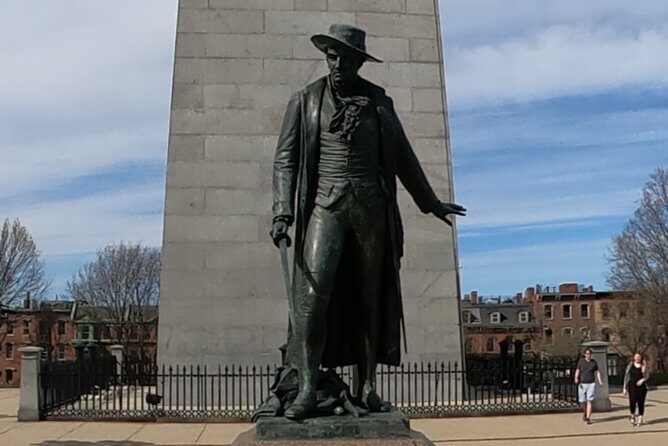
After the North End stories, you’ll move toward Charlestown and Bunker Hill. The tour guides you along winding roads while explaining the USS Constitution story segment that comes later, then it brings you to Bunker Hill for the battle portion.
The narration helps you follow the battle as you physically move through the hillside area. That’s the key value: the physical terrain is part of the teaching. Instead of reading about a hill, you’re standing on it.
This is also the section where pacing matters most. Charlestown involves real walking and real stairs or slopes depending on where you shift your route. If you’re moving with a group, decide early who wants slow-and-photo versus quick-and-story so you don’t lose each other.
USS Constitution end point: your final checkpoint
The tour ends at the USS Constitution area in Charlestown. The audio includes stories tied to the ship and the surrounding roads, so the ending feels earned rather than abrupt.
You’ll get one last cluster of narration before finishing, including time near the ruins of the old Three Cranes Tavern and background leading up to Bunker Hill. There’s also a brief stop outside a classic Italian shop where the tour shares more about how the North End’s immigrant story started—plus an optional pause if you want to step inside while it’s open.
Then you’re done at the ship. That “finish line” is useful on a self-guided tour. It gives you a clear end moment, not a vague “keep walking until you feel finished.”
Audio quality, GPS behavior, and battery life: the real-world stuff
This tour’s technology is the whole game, so it’s worth planning for it.
GPS and stop-based audio
The tour is location-aware, meaning the audio sequence is tied to where you are. If you’re not at the right place, the narration may not play. The good news is that once you start the tour, you can access a virtual tour version and listen later anytime.
Audio volume
Street noise is real. Some people find the dialogue hard to hear if the phone volume isn’t loud enough or if you’re near traffic. Ear buds can help, or you can simply crank the volume and accept that it’s an outdoor walk.
Phone battery
This is the big practical risk. The app can drain the phone quickly, and you may not want to bet your whole day on a fully charged battery alone. I strongly recommend an external battery/charging pack if you’re doing this in warmer months or on a longer day of sightseeing.
App hiccups
There can be occasional crashes or syncing frustrations, especially if you’re sharing the experience with another phone and trying to keep both devices aligned. If your plan is to hear the same moment at the same time, use one phone as the main narration device.
A self-guided tour is only “self-guided” if your phone keeps cooperating. If you’re the type who loves a plan, test the app at your hotel or before you walk out the door.
Tickets, admissions, and what you still need to pay for
Not everything along the Freedom Trail is paid entry. In general, many stops are free to stand outside and look around. The tour notes that admission tickets are not included for Boston Common’s park area, while the Freedom Trail portion is free.
Your best move is simple: assume outdoor viewing is included as part of the walk, and treat any inside-the-venue tickets as optional extras you choose later.
How long it really takes, and how to pace it
The tour is listed at about 2 to 3 hours, which is a solid estimate if you move steadily and don’t get too distracted by side streets. If you pause often for photos, want extra time at burial grounds, or stop for snacks, it can stretch longer.
If you have another reservation, don’t stack plans back-to-back. Build in buffer time so a quiet moment or a slower section doesn’t turn into a sprint.
A smart strategy is to treat the walk like a living timeline. When a stop feels meaningful, slow down. When you’re just passing through, keep moving and let the narration carry you.
Who this Freedom Trail tour is best for
This tour fits you well if:
- you want a self-guided Freedom Trail that doesn’t lock you to group timing
- you like history with a clear route and helpful context at each stop
- you’re comfortable using a mobile app while walking
- you want to replay the story later via the virtual tour option
It might be less ideal if:
- you rely on your phone very lightly (because battery drain and occasional crashes can disrupt the flow)
- you hate hearing narration at outdoor street levels
- you’re traveling with multiple people trying to sync multiple devices
If you’re solo, it’s especially good. Your attention stays on the story, and you can stop when you want without negotiating pace.
Should you book it?
Book this if you want the Freedom Trail to feel like more than a brick path. For $7.75, you’re paying for guided storytelling with GPS support, and you can revisit parts afterward through the virtual tour. The route covers the big names—Boston Common, Old North, Bunker Hill, and USS Constitution—and it adds enough local texture (graveyard areas, spite house, and small odd stories) to keep it from turning into rote trivia.
Hold off if you know your phone battery runs down fast, you’re sensitive to quiet audio, or you’re the kind of traveler who hates troubleshooting apps. In that case, a live guide—or at least going in with a fully tested device and a power bank—will save you frustration.
If your goal is a walk you can actually remember, this one is a good bet.
FAQ
How long does the tour take?
It’s listed as about 2 to 3 hours.
Where does the tour start and end?
It starts at Boston Common Visitors Center, 139 Tremont St, Boston, MA 02111, and ends at USS Constitution in Charlestown, MA 02129, just outside the ship.
How much does it cost?
The price is $7.75 per person.
Is the tour audio included, and what language is it?
Yes, it’s a self-guided walking audio tour provided through the WalknTours app, offered in English.
Are admission tickets included?
Admission tickets are not included. Some parts along the trail are free, but the tour specifically notes Boston Common with admission not included.
Can I listen to it again after walking?
Yes. The tour includes a virtual tour you can listen to after walking in person, and it’s described as never expiring.