REVIEW · BOSTON
Guided Boston City Walking Tour
Book on Viator →Operated by Nicky & Paulie's Tour o' Boston · Bookable on Viator
Boston is best learned on foot. This guided walk turns major landmarks into stories you can actually follow, with a friendly, local guide style and plenty of chances to stop for photos. You’ll cover famous Revolutionary-era stops plus classic Boston streets and parks, ending in the middle of it all.
What I love most is the small-group feel—it stays personal, not like a noisy march. Second, I like that Paulie doesn’t just explain what happened; he also shares what to see and do next so you can keep exploring after the tour.
One thing to keep in mind: the tour moves through areas with serious crowds around the Faneuil Hall/market-adjacent stretch, so you won’t have long lingering moments there.
In This Review
- Key highlights worth showing up for
- Getting started at Copp’s Hill and finding the tour’s rhythm
- Old North Church: the lantern signal that made headlines
- Paul Revere House: history with a human scale
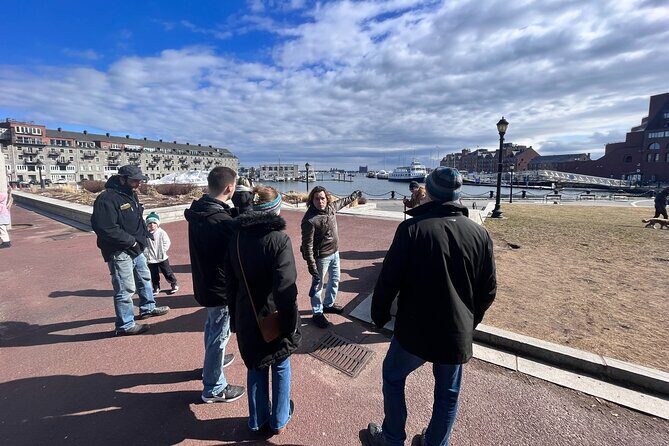
- Columbus Waterfront Park: a sanity break with real photo light
- Faneuil Hall to Union Street: crowded, so let the guide drive the pace
- Boston Massacre site near State Street: the marker that gives you the turning point
- Omni Parker House: the ghost-story stop that adds fun to your timeline
- Old City Hall, Kings Chapel, and Franklin’s statue detour
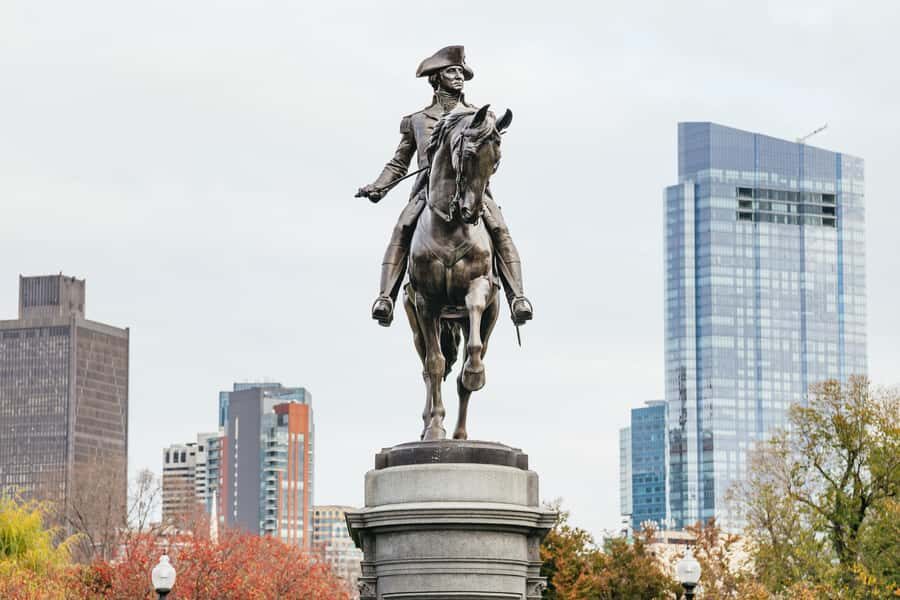
- Boston Common: finishing in the city’s original public space
- What makes this tour feel personal (and not robotic)
- Tips to get the most out of your 2 hours
- Value: what you’re really paying for in this route
- Should you book Nicky & Paulie’s Boston City Walking Tour?
- FAQ
- How long is the Boston guided walking tour?
- Is the tour available in English?
- Where does the tour start and end?
- Is it stroller accessible and family-friendly?
- How many people are in the group?
- What kind of ticket do I get?
- Are service animals allowed?
- What happens if weather is bad or I need to cancel?
Key highlights worth showing up for
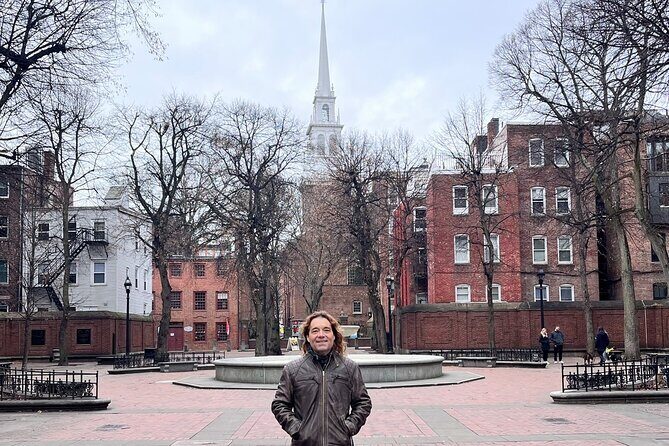
- Paulie’s guide style: friendly, funny, and story-focused, like walking with a pal who loves Boston
- Photo-friendly pacing: lots of stops so you can actually get pictures, not just keep moving
- Stroller- and family-friendly route: practical access through major sights
- Mix of famous and useful: Revolutionary icons plus helpful detours you’ll remember later
- Omni Parker House museum stop: a paid, time-boxed ghost-story moment you can’t easily recreate on your own
Getting started at Copp’s Hill and finding the tour’s rhythm
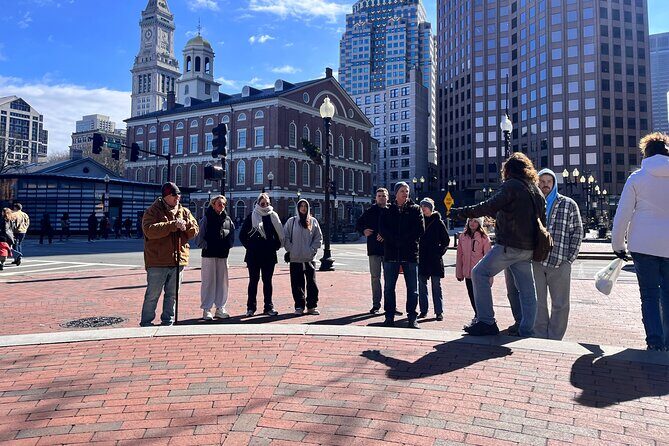
The tour starts at Copp’s Hill Terrace (520 Commercial St). If you like to feel oriented early, this is a smart place to begin: you’re near key North End energy without starting inside a maze of downtown sidewalks.
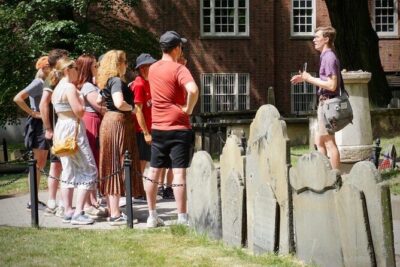
You’ll get a mobile ticket, which makes check-in easy—no hunting for paper. And the group cap is up to 17 people, which is exactly the size where questions still feel welcome and you can hear the guide without straining.
In the reviews I kept seeing the same theme: people loved the guide’s tone. Paulie doesn’t speak like a lecturer. He talks like a local storyteller, and he stays patient when you’re moving slowly, taking photos, or corralling a kid with stroller wheels that love to hit every tiny crack in the pavement.
A practical note before you go: wear comfy shoes. This is a 2-hour walking format, and even with frequent photo pauses, it adds up—especially on cold or windy days.
You can also read our reviews of more walking tours in Boston


Old North Church: the lantern signal that made headlines
Your first major stop is the Old North Church & Historic Site. This is an easy place to get excited, even if you only know it from the Paul Revere story. The church is famous for its connection to the lantern signal during the American Revolution—built in 1723, with a steeple that helped warn of British troop movements.
What makes this stop work on a walking tour is timing and context. You’ll get the story thread quickly, so it doesn’t feel like you’re absorbing a timeline made of names and dates. You can also take in the atmosphere of the North End surroundings, which are great for photos and for just soaking up the old-street feeling without needing a separate museum visit.
Good news: admission here is free for the time you’re set aside. That means you can treat this like a true orientation stop—learn the main idea, then carry it with you to the next places.
Paul Revere House: history with a human scale
Next comes the Paul Revere House, a colonial-era residence and a National Historic Landmark. This is one of those spots where the story feels more grounded because you’re not just looking at a monument. You’re stepping into the idea that a real family lived here while the Revolution was unfolding.
The guide’s job here is crucial: he helps you connect Revere’s personal life to the wider moment. You’ll hear about his role and his famous “Midnight Ride,” but the house setting keeps it from turning into a generic performance. It’s history with a home-base feel.
The time you have is short—about 5 minutes—so treat it as a quick hit. Look for details you can remember later: the fact that this was a real lived-in place makes the story stick.
Admission is also free for this stop, so you’ll feel like you’re getting real value without the tour turning into a constant ticket chase.
Columbus Waterfront Park: a sanity break with real photo light
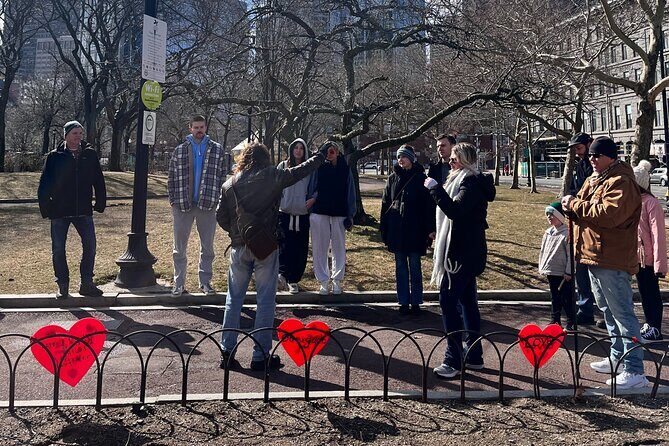
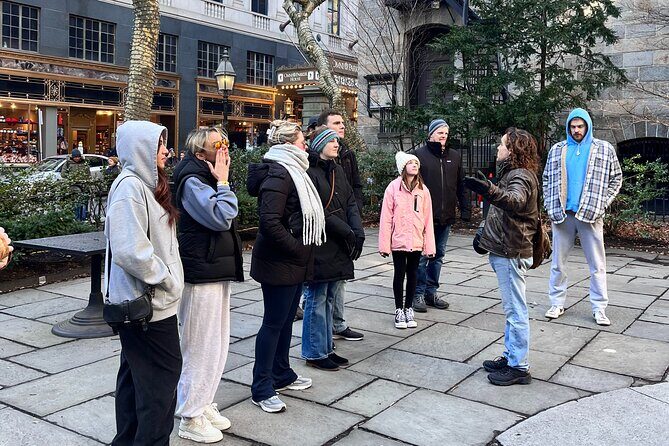
Then you shift gears to Christopher Columbus Waterfront Park. It’s not the kind of stop that screams Revolutionary drama, and that’s exactly why it works. You get a breather: walking paths, landscaping, and a rose garden that gives you a more “Boston in motion” feel than another hard-historical marker.
This is where the tour’s rhythm changes from “learn and move” to “pause and reset.” You’ll have about 10 minutes to take photos and enjoy the waterfront view in front of you. It’s a smart reset point because it’s early enough to keep energy up, but late enough that you’ve already built context from the first two stops.
And yes, admission is listed as free here too, so you’re not paying to decompress.
If you’re traveling with kids, this is also a practical moment. A stroller can roll, people can stand still without everyone getting impatient, and you can take pictures without feeling like you’re blocking traffic.
Faneuil Hall to Union Street: crowded, so let the guide drive the pace
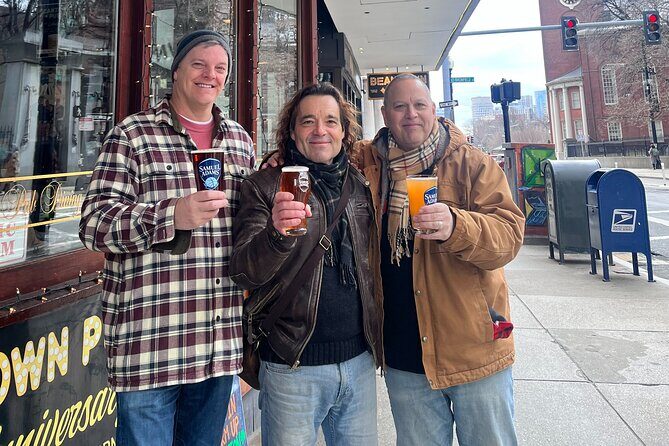
After the waterfront pause, you’ll head toward Faneuil Hall, which is one of those Boston icons that’s almost always surrounded by people. The key detail is that you’ll walk through and take brief stops for photos, but you’ll keep moving because the area gets crowded.
This is the main “consideration” moment for the tour. You won’t have quiet time the way you might at a standalone museum. Instead, you’ll get a guided path that helps you read what you’re seeing fast—what matters, what to notice, and how the blocks connect.
Once you clear Faneuil Hall, the tour brings you to Union Street, including a stop at Carmen Park. That adds a different emotional tone, because the park is home to a Holocaust memorial. You’ll take photos, but you’ll also be in a place that asks you to slow down in your head even if your feet keep moving.
One more practical thing: the tour isn’t just a route. Paulie uses these street-level moments to help you understand how Boston’s public spaces work—where crowds form, where locals hang out, and why some locations became famous in the first place.
You can also read our reviews of more guided tours in Boston






Boston Massacre site near State Street: the marker that gives you the turning point
You’ll next stop at the Boston Massacre site, located on King Street, now State Street, where tensions between colonists and British soldiers escalated on March 5, 1770.
This is where the guide’s storytelling matters because the physical marker can feel small compared to the big idea behind it. The lesson you take away is that major events don’t only happen in grand buildings. Sometimes they happen on a street corner, and history remembers the shock more than the size of the site.
You’ll have about 5 minutes here. Use it like a mental pause: read what you can, then look around—because the street setting is part of why the moment was so tense.
Admission is free, and there are nearby landmarks to connect the dots as you walk on.
Omni Parker House: the ghost-story stop that adds fun to your timeline
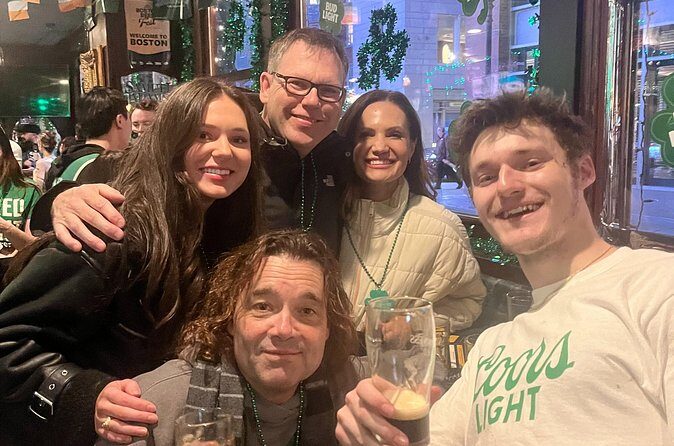
One of the most memorable parts of the tour is the stop at the Omni Parker House Hotel. The timing is about 15 minutes, and this is the one point where admission is included as part of the experience.
Why it’s a big deal: the Parker House is described as one of the most haunted hotels in the country, and the stop includes a ghost story inside the hotel’s museum. Even if you’re not a big “spooky” person, it’s a clever way to keep the tour from becoming only solemn plaques and markers.
It also works because the hotel ties into American political and cultural life. Paulie connects the dots between famous names associated with the hotel—people like John F. Kennedy, Charles Dickens, and Ho Chi Min—and the stories you’ll hear make those names feel less like trivia.
If you like your history with a little theater, this part will likely be your favorite.
Old City Hall, Kings Chapel, and Franklin’s statue detour
Before heading fully into the Parker House area, the tour makes a quick detour across the street to show you Old City Hall plus the Kings Chapel area and a Ben Franklin statue.
This stop is short—about 5 minutes—so it’s not trying to overwhelm you. It’s more like a “look here, remember this” moment. Quick detours like this are one reason a guided walk beats walking alone: the guide points out what most people miss because they’re rushing to the next major headline.
You also get a feel for how different eras sit near each other in Boston. One minute you’re thinking about Revolution-era tension; the next you’re on a block connected to later civic life.
Admission is free for this stop.
Boston Common: finishing in the city’s original public space
The tour wraps up at Boston Common (139 Tremont St). This is where the energy shifts again: from historic stops to open green space.
Boston Common was established in 1634, and it’s the city’s classic central gathering area. You’ll have about 10 minutes to take it in, including a view of the Frog Pond, plus time for a quick stroll along paths while you catch your breath.
This ending is practical. You get a natural place to regroup, grab coffee or snacks, and decide what you’ll do next—especially because Paulie has likely already pointed you toward good options while you walked.
And since admission to the stop is free, this feels like a real win: you finish without needing another ticket line.
What makes this tour feel personal (and not robotic)
A lot of history tours sound the same: point, lecture, move on. This one tends to feel different because of the guide tone and the pacing.
Paulie’s approach is described as patient, engaging, and able to explain things with humor. That matters because Boston’s history can feel heavy if you only get dry facts. Here, you’ll get stories that help you picture what was happening, plus details you might not catch from reading a plaque on your own.
There’s also a strong sense of local perspective. One of the standout themes in the experience is how Boston’s identity was shaped by immigrant communities, not just the headline names. Paulie also brings in his Italian heritage, and that personal angle can make the history feel more like a living city story rather than a museum exhibit.
If you prefer a tour where you can ask small questions and get an actual conversation, this small-group format helps a lot.
Tips to get the most out of your 2 hours
Here’s how I’d plan it if I were using this as my first real Boston-history hit:
- Choose shoes for uneven sidewalks. You’ll stop often, but you’ll still cover distance.
- Plan for crowds near Faneuil Hall. Keep your patience. The guide keeps the pace so you don’t lose the flow.
- Bring a camera you can reach fast. The photo breaks are frequent, and you’ll want to grab shots without digging into bags.
- Use a restroom before you start if you can. There aren’t many immediate options until you’re partway through the walk.
- Dress for weather. People talk about freezing days and icy winds. The tour still runs in good conditions, so layer up.
If you’re traveling with a stroller, you’ll likely appreciate that the experience is described as stroller accessible. Still, keep in mind older sidewalks can be bumpy, and turning corners with kids takes a bit of extra time.
Value: what you’re really paying for in this route
Even without a price list here, you can judge the value by the structure:
Most stops are free admission during your allotted moments, which keeps costs down while still giving you official-history settings. The big exception is the Omni Parker House stop, where admission is included and the ghost-story museum experience is part of what you’re buying.
So you’re not paying for constant ticketed attractions. You’re paying for guidance, context, and timing—Paulie helps you connect the dots across multiple eras in a way that’s hard to recreate just by reading on the street.
That’s why the tour works well as an “early in your trip” move. It gives you mental anchors. Afterward, when you wander on your own, you’ll know what you’re looking at.
Should you book Nicky & Paulie’s Boston City Walking Tour?
I’d book this if you want a small, friendly walking tour with real storytelling and practical next-step suggestions. It’s a smart choice for families, couples, and solo travelers who want an efficient sampler of Boston’s most recognizable sites without turning it into a stiff, lecture-only experience.
Pass or think twice if you dislike crowd-heavy walking. The Faneuil Hall area can be busy, and the tour keeps moving to stay on track. Also, because the experience requires good weather, you’ll want to check conditions and dress for wind and cold if you’re going in cooler months.
If you’re aiming for a tour that feels like you’re learning from a local friend—Paulie-style—with plenty of photo stops and a fun Parker House museum moment—this one is a strong bet.
FAQ
How long is the Boston guided walking tour?
It runs for about 2 hours.
Is the tour available in English?
Yes, the tour is offered in English.
Where does the tour start and end?
It starts at Copp’s Hill Terrace, 520 Commercial St, Boston, MA 02109 and ends at Boston Common, 139 Tremont St, Boston, MA 02111.
Is it stroller accessible and family-friendly?
Yes. The experience is described as family-friendly and stroller accessible.
How many people are in the group?
The tour has a maximum of 17 travelers.
What kind of ticket do I get?
You’ll receive a mobile ticket.
Are service animals allowed?
Yes. Service animals are allowed.
What happens if weather is bad or I need to cancel?
The tour requires good weather. If it’s canceled due to poor weather, you’ll be offered a different date or a full refund. There is also free cancellation if you cancel at least 24 hours in advance for a full refund.