REVIEW · BOSTON
Boston: Freedom Trail History Small Group Walking Tour
Book on GetYourGuide →Operated by Hub Town Tours · Bookable on GetYourGuide
The streets around Boston Common feel like a living textbook. This small-group Freedom Trail walk ties together a tense 15-year lead-up to the American Revolution, then sends you to the North End for a great finish. Two things I like a lot: you get a 15-guest max group size, and you visit the trail’s full set of 16 official landmarks without spending your day in a crowd.
You’ll cover about 2 miles on foot, mostly downtown streets and hillier ground near the end, so it’s best when you’re up for steady walking. If you’re coming for long museum time, plan for that too, since admission inside museums isn’t included.
In This Review
- Key reasons this Freedom Trail walk works
- Freedom Trail, but calmer: how a small group changes the whole walk
- Starting at the Boston Foundation Monument: the story begins before the first landmark
- Boston Common to the State House and Park Street Church: politics and religion in the same frame
- Granary Burying Ground: where the Revolution has names, not just dates
- King’s Chapel and the Franklin stop: continuity, debate, and changing ideas
- Old City Hall and the Old Corner Book Store: protest needs a voice
- Old South Meeting House and Old State House: the pressure cooker of Revolutionary Boston
- Boston Massacre Site to Faneuil Hall: crowds, fear, and momentum
- Quincy Market break: a smart pause before the North End climb
- Paul Revere House to Old North Church: the story gets personal and cinematic
- Copp’s Hill burial ground and the views over Charlestown
- Price and value: why $35 can feel like a bargain for this much walking
- Who should book this Freedom Trail walking tour
- Should you book this Freedom Trail tour?
- FAQ
- How long is the Freedom Trail history walking tour?
- Where does the tour start and end?
- How many Freedom Trail landmarks does the tour include?
- Is admission to museums included?
- Is the tour wheelchair accessible?
- What should I bring, and is there any gear I can’t use?
Key reasons this Freedom Trail walk works
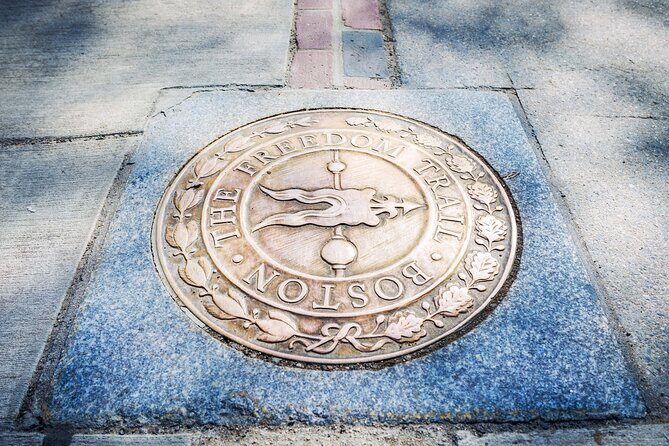
- Small group size (max 15) keeps the guide’s attention on you, not just the loudest people in line
- All 16 official landmarks mean fewer “we missed a stop” moments
- Story-first Revolutionary context connects tea, mobs, politics, and loyalty into one timeline
- North End ending at Copp’s Hill Terrace gives strong views toward Charlestown plus great food options nearby
- Guides who explain with balance and humor show up again and again, from Mark and Toby to Amir and Nick
- A mid-tour break helps you reset for the last stretch, especially in cold or rain
Freedom Trail, but calmer: how a small group changes the whole walk
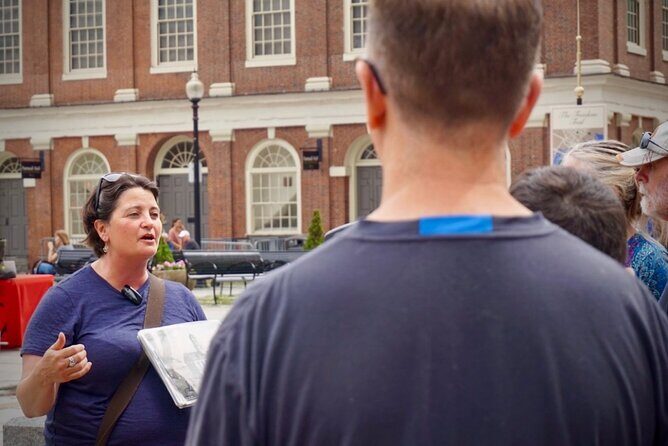
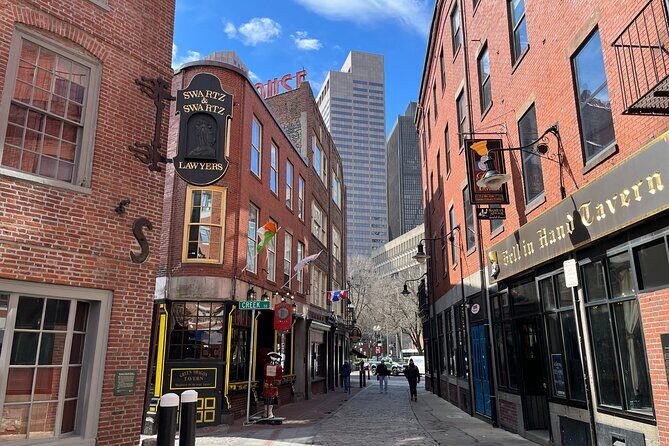
Boston’s Freedom Trail is famous for a reason. But if you do it on your own, you can get stuck in bottlenecks or feel like you’re just chasing plaques. This tour’s small-group format changes that pace. With a cap of 15 people, you’re more likely to hear every detail, ask a question, and stay oriented instead of constantly stopping to re-check where you are.
The other thing that helps is the way the guide frames the period. You’re not just reading about famous names; you’re following the pressure building over time. That 15-year grind leading to the Revolution can feel abstract when you’re studying dates. On this walk, it becomes practical and human: loyalty and rebellion weren’t slogans to people then. They were real choices with real consequences.
One simple drawback to keep in mind: it’s still a walking tour. You’ll need comfortable shoes and weather-appropriate clothes, and the schedule is tight enough that “slow strolling” isn’t the point.
You can also read our reviews of more walking tours in Boston


Starting at the Boston Foundation Monument: the story begins before the first landmark
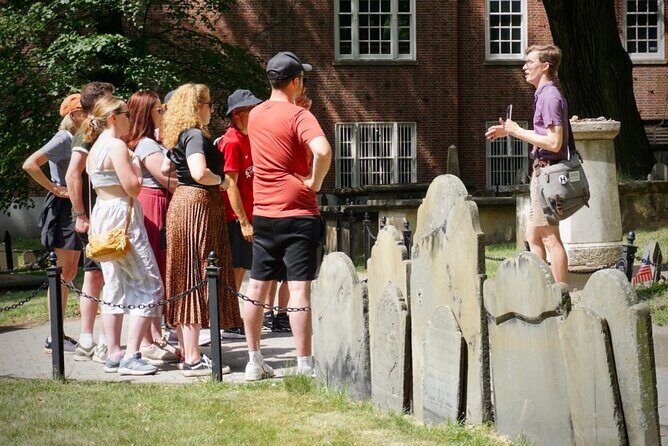
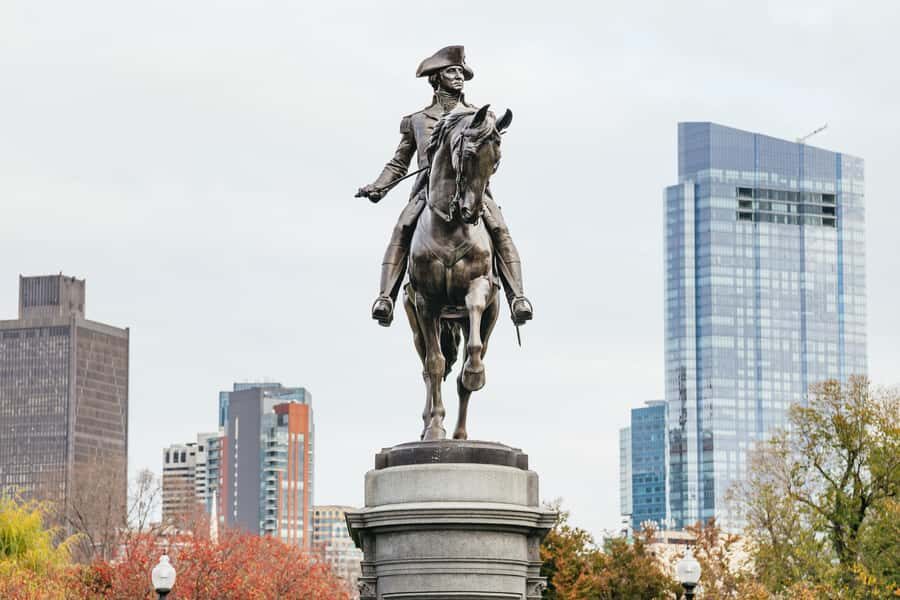
Your tour meets at the Boston Common at the Boston Foundation Monument, specifically inside Boston Common at the northern boundary near the bronze-relief memorial. It’s a striking place to start because it anchors the whole trip in the earliest Boston arrival story. You’re also close enough to quickly settle into “this is walkable downtown” mode.
If you like being oriented, this is a good start. Boston Common isn’t just scenic; it’s a natural jump-off point for the political and religious forces that shaped early Boston. From there, the tour line moves into the civic center of the city, and you can feel how the Revolution wasn’t some distant event. It started right there in the middle of daily life.
Tip: keep a quick mental list of what you’ve already hit. One reviewer wished there was a simple checklist, and that’s smart. A phone note works just fine: landmark name plus one idea you want to remember.
Boston Common to the State House and Park Street Church: politics and religion in the same frame
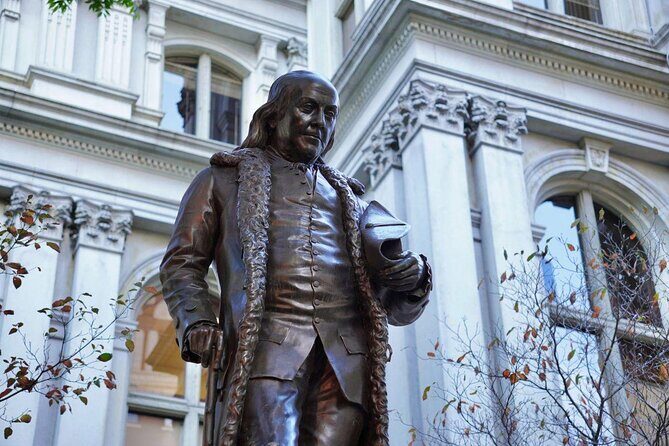
Once you’re moving, you’ll pass through major civic landmarks that help explain why so many people got pulled into the Revolution. The tour includes the Massachusetts State House and Park Street Church early on, and that timing matters. It’s hard to understand the Revolution without seeing the power centers of the city: government, public speech, and places where people gathered.
At the State House, you’re essentially seeing where arguments about authority turn into policy. At Park Street Church, you get the other side of the equation: the communities and moral language that shaped what people thought was right, and what they thought deserved resistance.
A lot of Freedom Trail tours stop at “what happened.” This one adds “why the setting mattered.” That’s where the walk starts to feel like a guided conversation instead of a lecture.
Granary Burying Ground: where the Revolution has names, not just dates
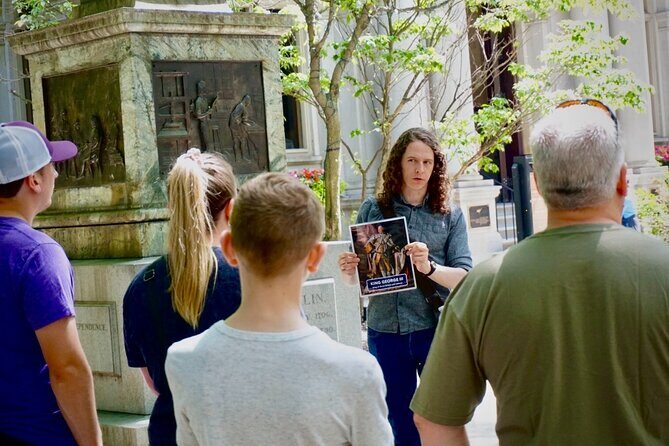
Granary Burying Ground is one of the most emotionally loaded stops on the route, and the tour gives it time. Expect about 25 minutes here, which is enough for the guide to connect the cemetery to the people who shaped Revolutionary Boston and the cost of political conflict.
This is also where the tour gets practical if you’re a first-time visitor. A cemetery sounds quiet, but it’s one of the strongest ways to make history feel real. You see how a community remembers itself. You also learn how later generations tied the Revolution to individual lives, not just national narratives.
One reason this stop gets such consistent praise from visitors: the guides often answer the questions people don’t know they have yet. For example, you might hear details that correct the simplistic versions of events. One reviewer noted a discussion about Paul Revere that was more nuanced than the famous ride alone.
King’s Chapel and the Franklin stop: continuity, debate, and changing ideas
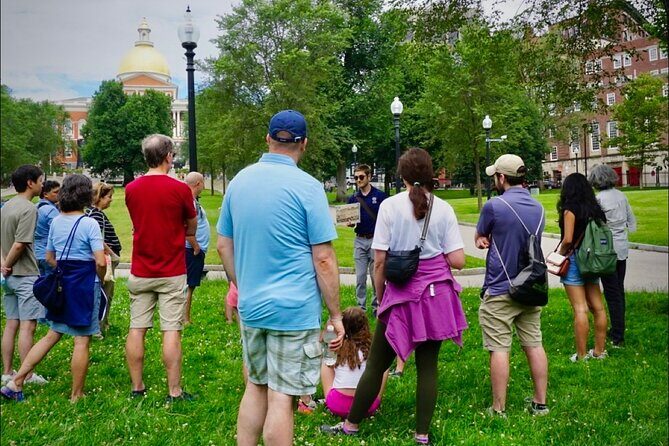
Next up are King’s Chapel and then Boston Latin School and the Benjamin Franklin statue area. This section works well if you want the Revolution to feel less like a sudden explosion and more like a long argument.
King’s Chapel brings you into the older layers of Boston’s religious and architectural story. Even if you’re not a “church person,” this is useful because it shows how deeply rooted institutions were. When change came, it didn’t start on a blank slate.
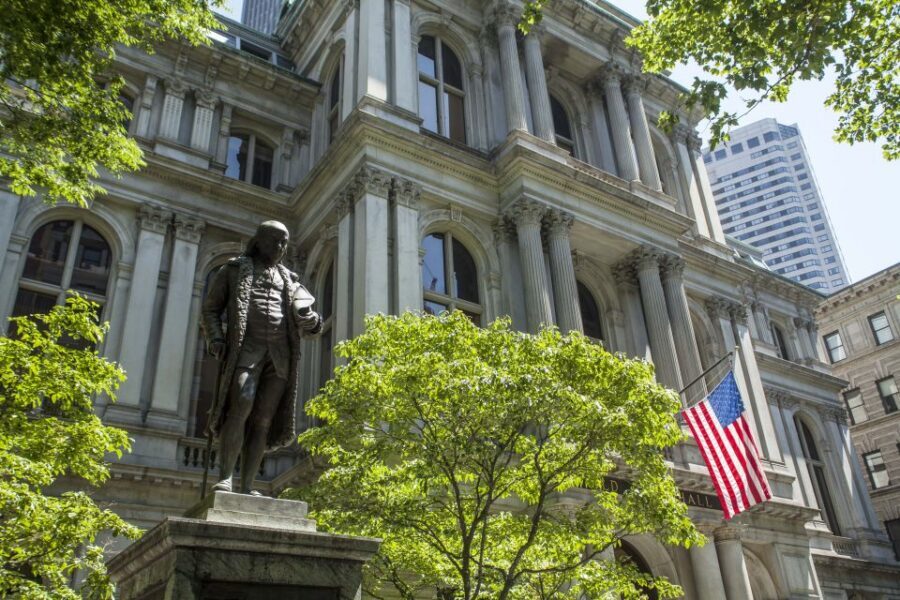
Then Boston Latin School and Benjamin Franklin offer a different kind of lens: education, public thinking, and how ideas circulate through a city. Franklin is a perfect bridge figure for this walk because he represents the brainy side of the era, the side that turns experience into persuasion.
You can also read our reviews of more historical tours in Boston






Old City Hall and the Old Corner Book Store: protest needs a voice
As the trail reaches Old City Hall and the Old Corner Book Store, you’re moving from the “who had power” question to the “how people spread messages” question. Revolution wasn’t only muskets and ships. It also needed talk, printed words, and locations where opinions could form.
These stops are short, but they’re pointed. The Old Corner Book Store area is one of those places where you can start thinking: who wrote? who read? who argued? That question keeps coming back as the walk approaches the meeting houses and the sites tied to famous public confrontations.
If you like tours that don’t just name-drop, this is where the guide style really matters. Several guides on this route, like Amir and Eric, are praised for making those public-life details feel clear rather than overwhelming.
Old South Meeting House and Old State House: the pressure cooker of Revolutionary Boston
Now the walk starts concentrating the energy. The tour includes the Old South Meeting House and the Old State House, and together they explain why Boston became a hotspot for conflict.
Old South Meeting House signals public assembly and organized action. It helps you understand how people could coordinate without waiting for outside permission. The Old State House adds the other layer: government faced back, sometimes violently, sometimes with legal authority, sometimes both.
One of the most valuable things you might get here is context and balance. A reviewer pointed out that the guide’s discussion around the Boston Massacre site framed it with nuance, including the idea that crowd dynamics and self-defense can get blurred in simplified retellings. That approach is exactly what you want on a trail built from contested memory.
Boston Massacre Site to Faneuil Hall: crowds, fear, and momentum
The tour stops at the Boston Massacre Site and then moves quickly to Faneuil Hall. These two are close enough to connect the emotional arc of the era.
At the Boston Massacre Site, you’re watching the story turn from political friction into public shock. The “massacre” label is famous, but what matters for understanding is why the moment became a symbol. You’re not just hearing what happened; you’re learning why it spread and stuck.
Then Faneuil Hall shifts the tone again. It’s often described as the public forum where ideas could rally people. Seeing it after the Boston Massacre framing helps you understand a key point: violence can generate outrage, but public speech turns outrage into action.
This is also a good stretch for questions. If you’re the type who wants the guide to answer the how-and-why behind the headline, this is where you’ll get the most from that.
Quincy Market break: a smart pause before the North End climb
After Faneuil Hall comes a short break at Quincy Market, around 10 minutes. It’s not long, but it’s genuinely useful. One reviewer mentioned a bathroom and drink break mid-tour, and that small reset makes a difference once you’re heading toward the North End.
Use the break well: hydrate, check the weather, and take a quick look at the trail’s next phase. You’re about to go from big civic sites into the more intimate, street-level story of Paul Revere, Old North Church, and the burial grounds on Copp’s Hill.
Also, if you’re hungry, Quincy Market is a handy option for a quick bite so you’re not starving through the later stops. Just remember the tour is walking-focused, so keep it fast.
Paul Revere House to Old North Church: the story gets personal and cinematic
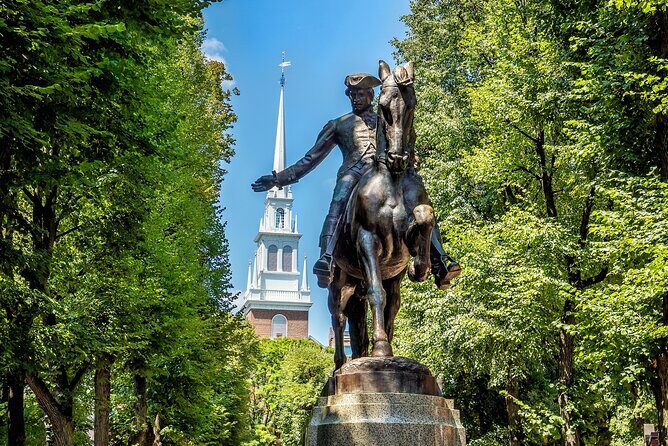
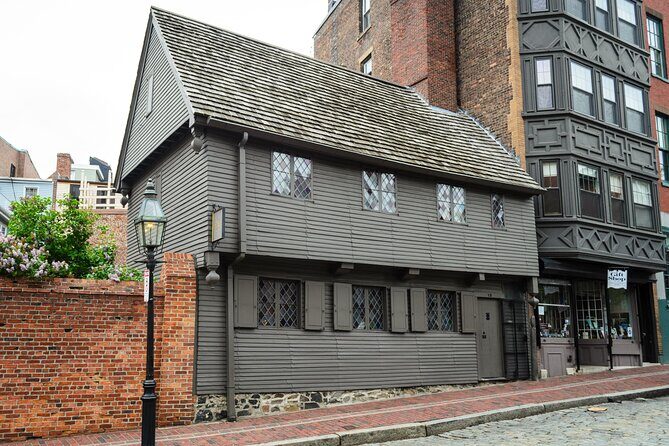
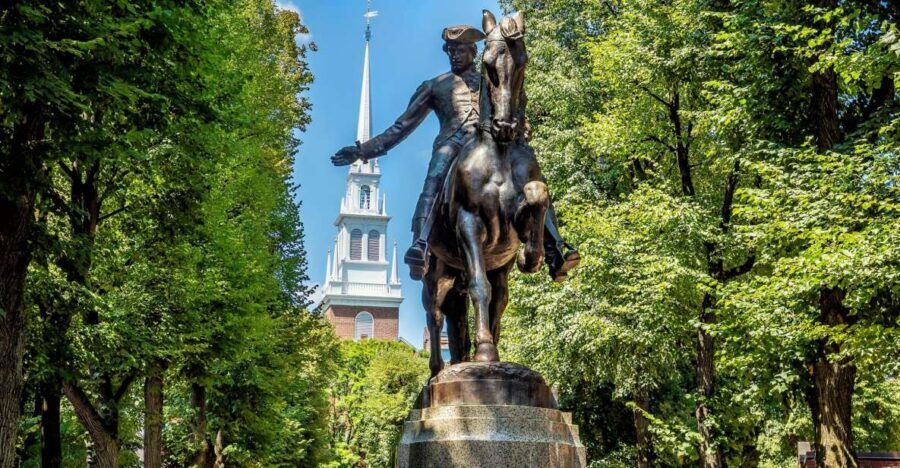
The walk becomes story-forward around the Paul Revere House and continues through Hanover Street, the Paul Revere Statue, and then Old North Church. This part is one of the best ways to see how Revolutionary Boston blended ordinary streets with extraordinary events.
Paul Revere House brings the narrative down to a specific person and a real address. The next stops keep that momentum by placing you in the path between locations that mattered on that night of tension. Hanover Street helps you understand the city as a grid of movement, not just a set of museum-like stops.
Old North Church is then the emotional peak for many visitors because it anchors the famous signal story. The tour structure also helps you notice what’s easy to forget when you only know a legend: the legend matters, but the context around it is what explains why it became unforgettable.
You might also learn small corrections that add credibility. One review highlighted that Paul Revere’s story is often simplified and that the tour included details beyond the popular version. That kind of correction is a great sign, because it usually means the guide is careful with accuracy.
Copp’s Hill burial ground and the views over Charlestown
After Old North Church, the route moves to Copp’s Hill Burying Ground and then out to scenic viewpoints along the way to USS Constitution and Bunker Hill Monument. The final guided portion ends at Copp’s Hill Terrace.
This is a smart ending for two reasons. First, the cemetery stop connects the Revolutionary story to remembrance again, but with a different set of names and final resting places. Second, the viewpoints help you understand geography. You’re looking across toward Charlestown while the guide ties those landmarks back to the broader Revolutionary timeline.
At Copp’s Hill Terrace, you also get practical value: you’re steps from the North End, which is famous for Italian food. Several visitors mentioned that the guides offer restaurant recommendations, and one specifically called out Limoncello as a strong choice. If you want a low-effort, high-reward way to end your day, this finish makes it easy.
Price and value: why $35 can feel like a bargain for this much walking
At about $35 per person for roughly 150 minutes, the value is mostly in two places: access to a guide and the amount of route coverage.
You’re getting a guided walkthrough of all 16 official Freedom Trail landmarks, plus explanations at multiple stops where self-guided tours often feel rushed. You’re also not just touring one neighborhood. You’re moving from Boston Common into the civic core and then finishing in the North End, with views out toward Charlestown.
The small-group cap matters here. A bigger tour can turn into a parade where you hear only bits and pieces. Here, the guide can actually keep track of the group, slow down when needed, and handle questions without losing the timeline.
If you’re comparing options, consider what you’d pay for: a guided city orientation plus a structured history lesson plus an efficient route. Even if you know some Revolutionary facts already, the payoff tends to be the way the story links together across stops.
Who should book this Freedom Trail walking tour
This tour is a great fit if you:
- Want a clear way to hit the major landmarks without chaos
- Like Revolutionary-era storytelling that connects politics, crowds, and public life
- Prefer small groups over big bus-tour crowds
- Plan to spend time in the North End after
You might want to think twice if you:
- Have low fitness or struggle with about 2 miles of walking over time
- Need to avoid walking on city sidewalks for long stretches
- Are traveling with children under 6 (this tour isn’t suitable for that age range)
Also plan for weather. Multiple reviews mention freezing cold, thick snow, and downpour conditions handled with energy. That’s a good sign, but it still means you should dress like you’re walking outside for the whole afternoon, because you are.
Should you book this Freedom Trail tour?
I’d book it if you want the Freedom Trail to feel coherent, not like 16 unrelated stops. The small-group setup, the full set of landmarks, and the focus on the lead-up to the Revolution make this a strong first or second-day Boston activity.
If you’re the type who hates long speeches, choose this anyway. The best guides on this route get praised for storytelling that’s engaging and for handling tough questions with balance, like Nick’s myth-context style or the way guides such as Toby and Mark are described as making details stick.
My final nudge: wear good shoes, bring layers, and keep your own mini checklist so you can remember what you saw. Boston history moves fast in person, and a little personal tracking helps it all land.
FAQ
How long is the Freedom Trail history walking tour?
It lasts about 150 minutes, and the duration won’t be more than 3 hours.
Where does the tour start and end?
It starts at the Boston Common at the Boston Foundation Monument (near 50 Beacon Street) and ends at Copp’s Hill Terrace in the North End area.
How many Freedom Trail landmarks does the tour include?
The tour includes all 16 official landmarks that make up the Freedom Trail.
Is admission to museums included?
No. Admission inside museums is not included.
Is the tour wheelchair accessible?
The route is described as wheelchair accessible, and it travels approximately 2.0 miles (3.2 km). At the same time, it is also noted as not suitable for people with mobility impairments, so it’s worth checking what “accessible route” means for your needs.
What should I bring, and is there any gear I can’t use?
Bring comfortable shoes and weather-appropriate clothing. Luggage or large bags aren’t allowed, and video recording is not allowed.