REVIEW · BOSTON
Self-Guided Boston’s Beacon Hill Underground Railroad Audio Tour Walking Tour
Book on Viator →Operated by WalknTours · Bookable on Viator
Underground history in Boston, right under your feet. This self-guided Beacon Hill audio walk uses your phone for narrated stops that trace real Underground Railroad-era figures and places, from homes of station masters to community support sites. I like that you can control your pace—pause, go back, and even start or stop when it fits your day—while still staying on a location-aware route. A small caution: the walking directions need your attention, and the narration sometimes switches modes in a way that can feel a bit jumbled if you’re moving fast.
Two things I genuinely like. First, the GPS/location-aware approach helps you keep your bearings in a maze of Beacon Hill streets, including public little passages you might not spot otherwise. Second, the story is packed with names (Lewis Hayden, John Sweat Rock, Leonard Grime, John Coburn) and the tour keeps connecting them to the bigger Underground Railroad system rather than treating each stop like a random plaque. The main drawback is practical: if your app activation or routing doesn’t work smoothly, you’ll lose time—so test your ticket before you step outside.
This is a 45 to 55 minute walk, set in a compact area, and it ends at a major landmark: the African American Meeting House, described as the oldest extant black church building in America. If you want history that’s specific, human, and easy to fit into a busy itinerary, this one’s worth considering.
In This Review
- Key highlights before you start
- How the self-guided phone tour really works in Beacon Hill
- Start at 70 Charles St, end at 46 Joy St
- John J Smith House to 83 Phillips Street: the route begins with stations
- Lewis Hayden, Leonard Grime, and the Boarding House network
- Phillips School and Vilna Shul: education and immigrant community support
- John Coburn’s gaming house and Charles Sumner’s Birthplace
- Why this $9.75 audio walk feels like strong value
- Getting your bearings: shoes, pacing, and avoiding routing hiccups
- Who should book this Beacon Hill Underground Railroad audio tour
- Should you book this tour?
- FAQ
- How much does the Beacon Hill Underground Railroad audio tour cost?
- How long is the walking tour?
- Where does the tour start and end?
- Is the tour self-guided or led by a person?
- What language is the narration in?
- Do I need to download an app to use the tour?
- Can I start and end whenever I want?
- Is there a recommendation level or rating I should know about?
- Can I get a refund if my plans change?
- Are service animals allowed, and is it okay for most travelers?
Key highlights before you start
- Phone-based narration with a location-aware route so you’re not guessing where to go next
- Freedom to pause, go back, and set your own pace during the 45–55 minute walk
- Underground Railroad stops with real people and real buildings across Beacon Hill
- Go Deeper content that adds extra context when you want it
- A strong finish at the African American Meeting House
How the self-guided phone tour really works in Beacon Hill
This isn’t a bus tour where you sit and wait. You walk, and your phone acts like the guide. After you book, you get a mobile ticket, and you use that ticket to access the narration on the WalknTours app using a code. When it’s working properly, the audio syncs to where you are, so the experience feels like a guided walk without the pressure of a group pace.
The format is also designed for control. You can pause the audio, go back, and re-listen if you want the names and details to land. There’s also a Go Deeper option, which is useful when you’re curious about the people behind the headlines—especially in a story like the Underground Railroad, where many roles mattered (station masters, conductors, safe-house operators, and community helpers).
One practical tip: keep your phone charged. Beacon Hill can be a little hike-y, and you don’t want to get near the end and hit a dead battery just as the narration starts tying it all together.
You can also read our reviews of more walking tours in Boston



Start at 70 Charles St, end at 46 Joy St

You begin at the Charles Street Meeting House, 70 Charles St, Boston, MA 02114. The tour ends at 46 Joy St, Boston, MA 02114, at the African American Meeting House (the tour name and finish point are the same site).
This matters because Beacon Hill streets can feel tricky if you arrive without a plan. Starting at a clear, known address helps you get rolling fast, and ending at a major landmark gives you a satisfying close. It also means you can map the walk into the rest of your day—grab a coffee nearby after you finish, or use the end point to transition to other nearby sights.
You’ll also be walking in a private setting. The tour is listed as a private activity, meaning only your group participates. That’s a big deal for audio tours: you’re not competing with noise or trying to hear someone else’s device volume.
Finally, it’s offered in English, and service animals are allowed. It’s described as suitable for most travelers, but it is still a walking experience in a hilly neighborhood.
John J Smith House to 83 Phillips Street: the route begins with stations
The first stretch is about how the Underground Railroad operated—and then it anchors that idea at a specific location: the John J Smith House. This is where the tour shifts from general history into a story you can picture. You learn about John J Smith’s role and his station on the Underground Railroad, and the narration gives you a sense of how a station wasn’t just a house—it was part of a wider system that moved people toward safety.
From there, the tour heads to 83 Phillips Street, the former home of John Sweat Rock. This stop adds depth to the story by bringing in Harriet Tubman’s life and influence. The point isn’t just that Tubman was important—it’s that her life connected to networks of people and places that made escape possible. In a short walking tour, this is a smart way to keep the narration from turning into a list of names.
Beacon Hill’s street layout can make it hard to “see” history the way you might in a museum. These two early stops help solve that problem by giving you both the geography (where you are) and the mechanism (how people were helped).
Lewis Hayden, Leonard Grime, and the Boarding House network
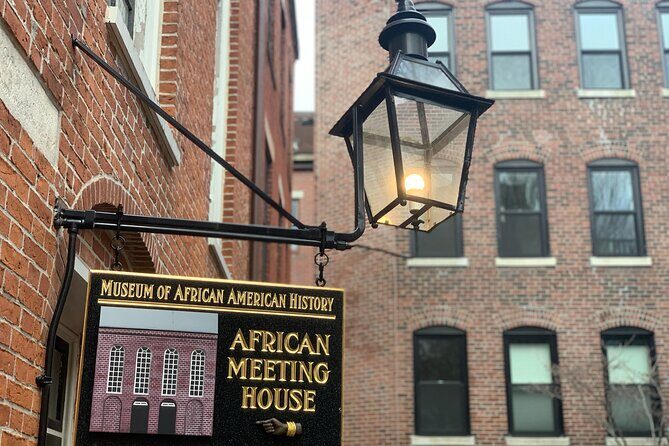
Next comes a sequence of stops that feel like they bring the Underground Railroad closer to home—because they are tied to specific individuals and the kinds of help they provided.
You’ll stop by the station master Lewis Hayden’s home. Hayden’s story in the narration focuses on bravery and the practical work of saving countless runaways. This is one of those moments where the tour helps you understand that courage wasn’t only about one famous leader—it showed up in everyday decisions and actions by people in the community.
Then you learn about Leonard Grime, a conductor on the Underground Railroad. In the Underground Railroad story, conductors are the people who helped move people along the route. Putting Grime into the walk gives the tour a clearer picture of roles beyond the best-known names.
After that, the tour takes you to the Old Temperance Boarding House, another stop on the Underground Railroad. Boarding houses mattered because they could function as places where people could stay temporarily, change routines, or avoid detection. Even if you’ve read about the Underground Railroad before, I like how this particular stop ties the story to a building type you can actually imagine walking past.
A small practical thought: this part of Beacon Hill is a walking circuit. If you’re sensitive to distance, plan your pace and don’t rush the audio. Take a slow minute at each stop so the names and roles stay straight.
Phillips School and Vilna Shul: education and immigrant community support
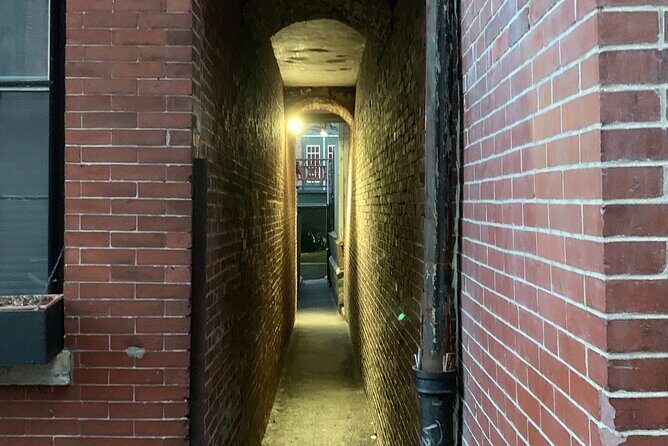
Now the tour widens from individual “safe spots” to the broader communities that made escape safer.
You’ll stop by the old Phillips School. This is described as the first integrated school in Boston, and the narration includes a striking detail: it also had the first African American teacher to teach at an integrated school. That matters because it shows how racial dynamics in Boston weren’t one-note. Institutions could be places of progress, not only places of exclusion.
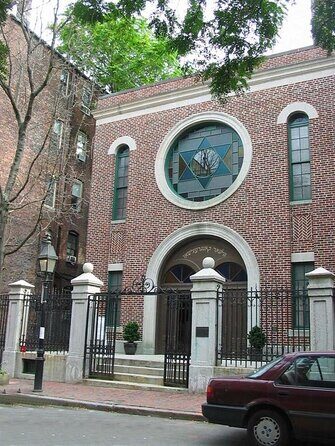
From there, you pass the historic Vilna Shul, described as the oldest immigrant synagogue in Boston. The tour tells the story of the Jewish Community that helped on the Underground Railroad. This is a helpful reminder that resistance didn’t come from one group alone. Multiple communities used their networks—social, religious, and local—to support people seeking freedom.
If you like history that explains relationships, this is one of the strongest segments. You start seeing a pattern: the Underground Railroad wasn’t just routes on a map. It was people in buildings, people in neighborhoods, and people with connections.
You can also read our reviews of more guided tours in Boston






John Coburn’s gaming house and Charles Sumner’s Birthplace
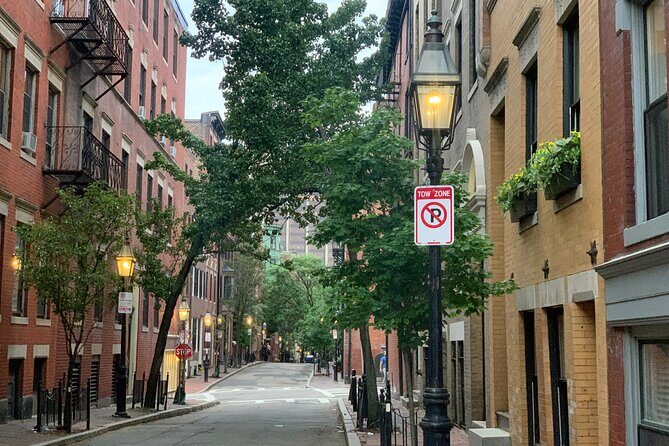
The tour then moves into another station-master connection: the house of John Coburn, along with his gaming house, where the narration notes his role as a station master. It’s an unusual angle—bringing in a gaming house setting—yet it fits the Underground Railroad reality that covert work often blended into ordinary life. You come away with a better sense of how complicated and hidden help could be.
Finally, you stop by the abolitionist Charles Sumner’s Birthplace. Sumner’s inclusion adds a different kind of context: not just the behind-the-scenes helping at local sites, but the wider abolitionist movement and the public fight against slavery.
This ending stretch gives the walk a satisfying balance. Earlier stops help you understand the mechanics of escape. Later stops show you how abolitionist ideals connected to real people and real change.
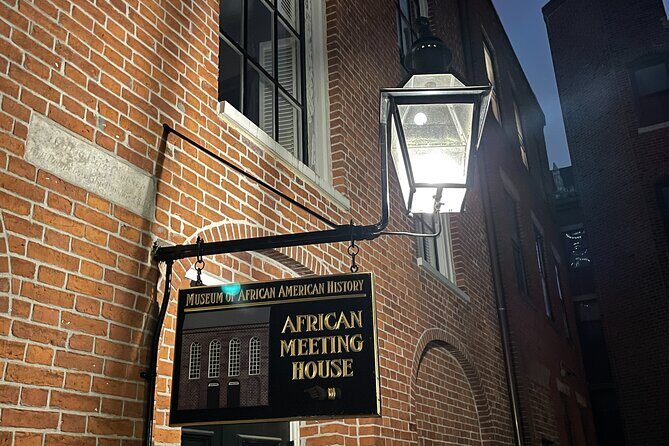
And then you finish at the African American Meeting House, the oldest extant black church building in America. That final site helps the story land with weight. It’s a place where community, faith, and history overlap—perfect for concluding a tour about survival and solidarity.
Why this $9.75 audio walk feels like strong value
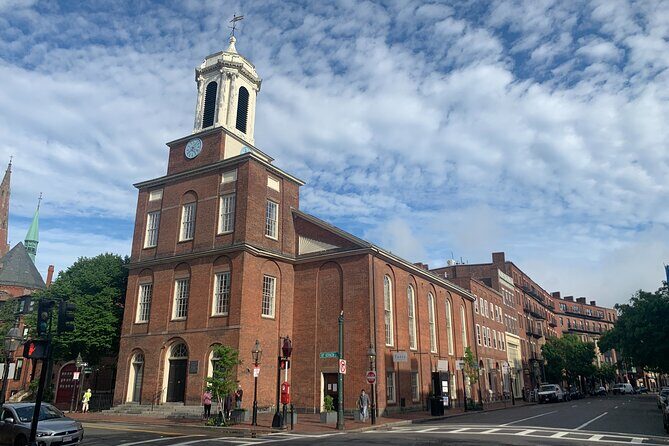
At $9.75 per person for a 45 to 55 minute self-guided walk, this is priced for people who want history without paying for a long guided group tour. The value comes from how many meaningful stops you get in a compact time window, plus the added layers the audio provides.
You’re not just paying for narration. You’re paying for:
- A guided route you can follow without constantly checking your phone map
- Story structure built around key Underground Railroad figures and sites
- Go Deeper options that help when you want more than the basics
- Flexibility to pause and control your learning speed
You also get something that matters in Boston: Beacon Hill is full of tight streets and hidden corners. The narration route includes public little passages that aren’t part of the big free National Park Service Freedom Trail approach. If you’ve done other history routes and felt like you only scratched the surface, this ticket aims to take you off the obvious track without requiring a tour group.
One caveat on value: if your phone setup fails, the experience can become frustrating fast, because it is self-guided. So the best value comes when you arrive ready—ticket confirmed and app ready to go.
Getting your bearings: shoes, pacing, and avoiding routing hiccups
This is a walking tour, so wear comfortable shoes. Even when the total time looks short on paper, the combination of Beacon Hill streets and repeated turns can add up. Bringing a small water bottle and a snack is a smart move too, especially if you’ll be out longer than the audio route.
For routing, keep a simple habit: follow the on-screen arrow and trust it as your next instruction. If you ever wander off, rewinding audio alone won’t fix the route—you need to re-sync with the next stop on the path.
Also, test your setup before you begin. One of the most common problems described is difficulty activating codes or getting the right app instructions. The fix is usually straightforward—open your ticket and use the instructions from the View Ticket area so you can load the WalknTours app with the correct code. If something’s unclear, contact support by email or text ahead of your walking start time so you don’t lose momentum in the cold or rain.
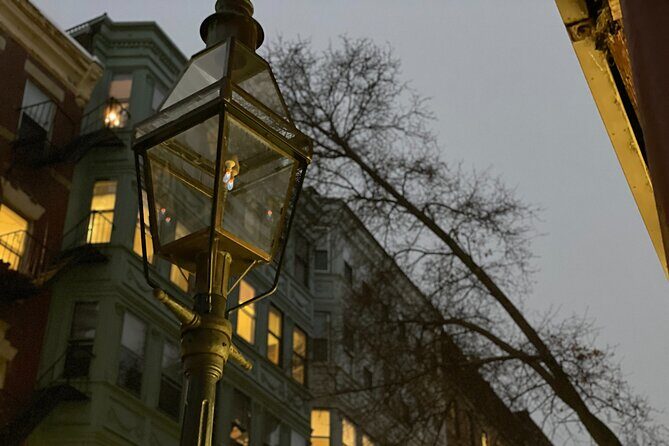
Finally, consider timing. This tour is offered around the clock for the related meeting house hours, so you can match it to your day. A night start can add mood because Boston streets change character after dark—but go only if you feel comfortable navigating on foot.
Who should book this Beacon Hill Underground Railroad audio tour
This is a good fit if you:
- want audio storytelling rather than a live group guide
- like historical tours with clear stop-by-stop structure
- enjoy learning through specific people (station masters, conductors, community supporters)
- prefer pacing that matches your attention span and walking speed
It’s also a good choice if you’re doing Boston in a tight schedule and want something compact. The 45 to 55 minute duration makes it easy to fit between bigger sights.
If you hate troubleshooting phone apps, or you’re likely to lose patience with routing directions, you might prefer a fully hosted tour. The tour is flexible and independent—but that independence assumes your phone is cooperating.
Should you book this tour?
Yes, if you want a focused Beacon Hill Underground Railroad walk with strong place-based storytelling for a fair price. The route hits major names and institutions, and it ends at a landmark that gives the whole experience a strong finish.
Book it especially if you value self-pacing. Being able to pause, go back, and use Go Deeper content makes the narration feel more like a learning tool and less like a lecture you have to endure at full speed.
Skip—or at least prepare carefully—if you’re worried about app activation or you don’t like following directions while walking. Do a quick test before you leave, charge your phone, and plan comfortable shoes. If you do that, this tour is a smart way to see Beacon Hill through the lens of freedom efforts, not just brick and brownstone scenery.
FAQ
How much does the Beacon Hill Underground Railroad audio tour cost?
The price is $9.75 per person.
How long is the walking tour?
Plan for about 45 to 55 minutes.
Where does the tour start and end?
You start at Charles Street Meeting House, 70 Charles St, Boston, MA 02114. It ends at 46 Joy St, Boston, MA 02114.
Is the tour self-guided or led by a person?
It’s self-guided. You use your phone to access narrated audio as you walk, and it’s listed as private for your group.
What language is the narration in?
The tour is offered in English.
Do I need to download an app to use the tour?
You access the tour through the WalknTours app using the code from your ticket instructions. The ticket includes a View Ticket button with app directions.
Can I start and end whenever I want?
Yes. The tour is designed so you can begin and end whenever you want.
Is there a recommendation level or rating I should know about?
The tour has a 4.6 rating and is recommended by 90% of travelers, based on the available feedback summary.
Can I get a refund if my plans change?
Yes. It offers free cancellation, and you must cancel up to 24 hours in advance for a full refund.
Are service animals allowed, and is it okay for most travelers?
Service animals are allowed. The tour is described as something most travelers can participate in, though it is still a walking experience.