REVIEW · BOSTON
Cambridge, Massachusetts: MIT and Harvard Walking Tour
Book on GetYourGuide →Operated by Boston Hidden Gems Inc · Bookable on GetYourGuide
MIT and Harvard in one day sounds simple, but the stories make it click. You’ll start at MIT for big architecture moments, then switch to Harvard Yard for legends, including the Statue of the Three Lies and the famous Smoot markings. Two standouts for me are the MIT Dome and Widener Library photo stops and the fact that the tour includes a subway ride from MIT to Harvard.
One thing to consider: this is an outside-only campus walk. If you’re hoping to wander inside buildings or see academic spaces up close, you’ll need a different kind of visit.
The upside is that the guide keeps it focused on history, architecture, and campus legends, not admissions pitches. Guides like Jenny, Alexandria, Maria, Holly, and Marybeth are specifically named in past tour experiences, and you can count on strong storytelling and solid pacing.
In This Review
- Key highlights to look forward to
- From Ripple Cafe to MIT Media Lab: why the start at Kendall matters
- MIT on foot: Dome, Killian Court, Stata Center, and the legends behind the walls
- MIT’s central courtyards and the architecture that teaches
- Great Dome and the “wait, that’s cool” photo moment
- MIT nano and the playful side: Banana Lounge
- Stata Center: famous architecture you’ll love or question
- Break and timing: you’ll get a short reset
- The MIT-to-Harvard subway hop: using the T like a local
- Harvard Yard and the bridge legends: Smoot markings, Three Lies, and classic campus icons
- Harvard Bridge and the Smoot markings
- Johnston Gate and the transition into Harvard’s core
- John Harvard statue and Harvard Yard’s center
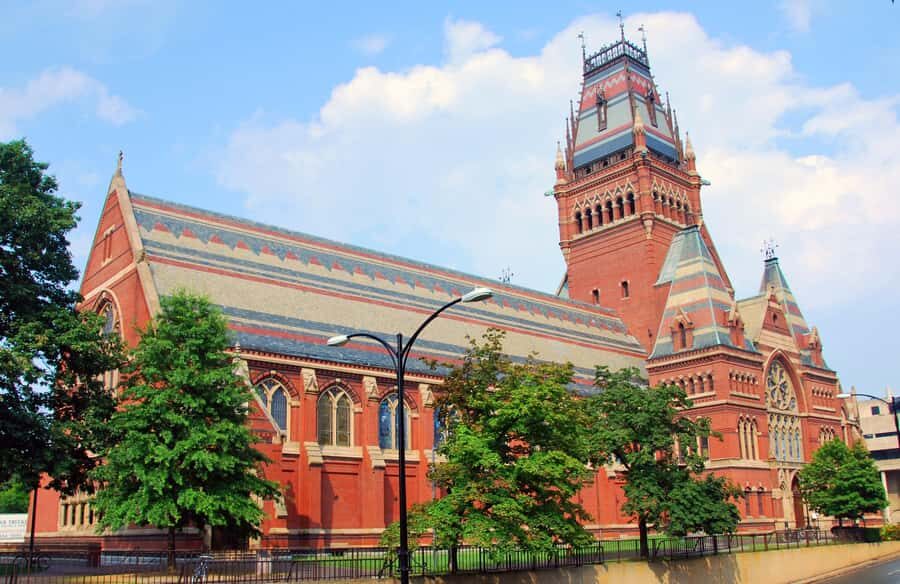
- Memorial Hall and Memorial Church
- The housing story: Housing Day and where students live
- Frank Gehry and I.M. Pei at Harvard
- Widener Library to Harvard Square: finishing with big reads and better street life
- Widener Library photo moment
- Wadsworth, Lowell, and Kirkland Houses: the campus living system
- Harvard Square: finishing in the neighborhood that radiates outward
- Price and logistics that actually matter for value
- Who should book this MIT and Harvard walking tour
- Should you book it?
- FAQ
- How long is the MIT and Harvard walking tour?
- What is the price per person?
- Where do I meet the tour guide?
- Is the subway included?
- Does the tour go inside MIT or Harvard buildings?
- What should I bring?
- Is the tour suitable for wheelchair users or mobility impairments?
Key highlights to look forward to

- MIT landmarks you can actually frame in photos: think Great Dome and Widener Library vibes
- Smoot markings on Harvard Bridge: a quick stop that turns into a memorable fact
- Harvard Yard icons: the Statue of the Three Lies and the classic campus buildings
- Architecture by famous names: you’ll see buildings linked to Frank Gehry and I.M. Pei
- Housing Day follow-up: where students live after freshman year gets mentioned in context
- Subway fare included: you ride the T between campuses for just part of the day
From Ripple Cafe to MIT Media Lab: why the start at Kendall matters
The tour meets at Ripple Cafe, right by the MIT/Kendall subway area, which is a practical way to get your bearings fast. You’re not just showing up to a random landmark—you’re starting in the MIT orbit, with the campus energy already around you.
Right away, you move into what makes MIT feel different from most universities: bold, modern design mixed with a deep sense of experiment. The first MIT stop is the MIT Media Lab, where the guide sets the tone with stories about invention and student culture. This matters, because if you start with the context, the rest of the campus architecture reads like a language.
You’ll also notice the tour doesn’t treat MIT as one big museum. Even early on, you’re walking through a real campus environment where people actually live, work, and build things—just without entering any buildings. It’s a good fit if you want atmosphere without ticket lines.
You can also read our reviews of more walking tours in Boston



MIT on foot: Dome, Killian Court, Stata Center, and the legends behind the walls

MIT is a campus built for looking up and looking around. The outside-only format works here because so much of MIT’s identity is visible: domes, courtyards, and instantly recognizable modern structures.
Here’s how the day flows through MIT highlights, and what you’ll get from each.
MIT’s central courtyards and the architecture that teaches
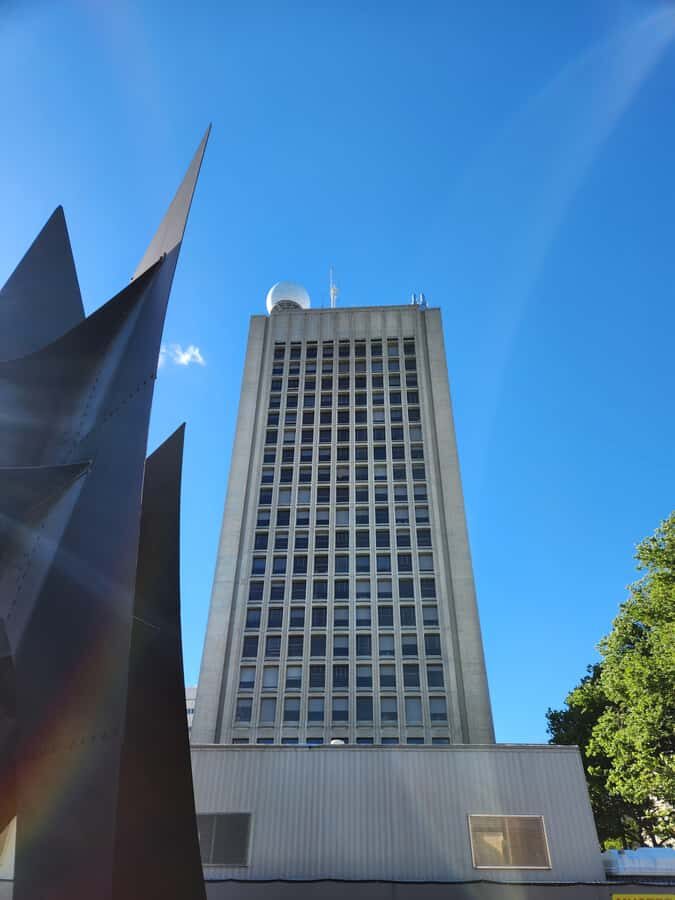
You pass by spots that feel ceremonial and practical at the same time. Killian Court is the kind of place where the architecture reads like a stage set—symmetry, open space, and views that help you understand why MIT graduates often speak about “the place” as much as the degree. Then you continue through other architectural landmarks like Green Building and the Gray House, where the guide connects design choices to institutional character.
One practical benefit: these stops keep the walking varied. You’re not stuck in a straight line staring at the same block. You get transitions—courtyard views, streetscapes, and short pauses for the story behind the stone and steel.
Great Dome and the “wait, that’s cool” photo moment
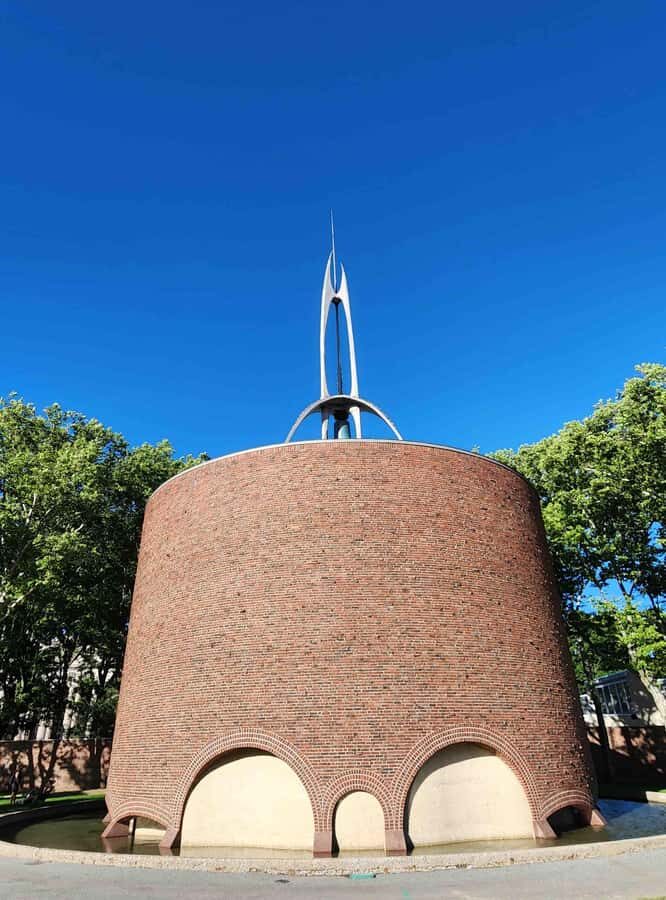
The Great Dome stop is one of the classic MIT moments, and it’s exactly the kind of landmark that improves your photos. You’ll likely take your shots, then the guide layers in the campus context so the dome isn’t just a postcard. It becomes a shorthand for MIT’s identity: ambitious, engineering-forward, and confident enough to show off its geometry.
MIT nano and the playful side: Banana Lounge
Then comes the more quirky, student-leaning side. MIT.nano gets a mention that helps connect research culture to place. Next, MIT Banana Lounge is the kind of stop that makes you smile and helps you understand that MIT humor isn’t a side note—it’s part of the climate.
Even if you don’t think of yourself as a science-tour person, this pairing works. The guide uses these stops to show how innovation and personality coexist on campus.






Stata Center: famous architecture you’ll love or question
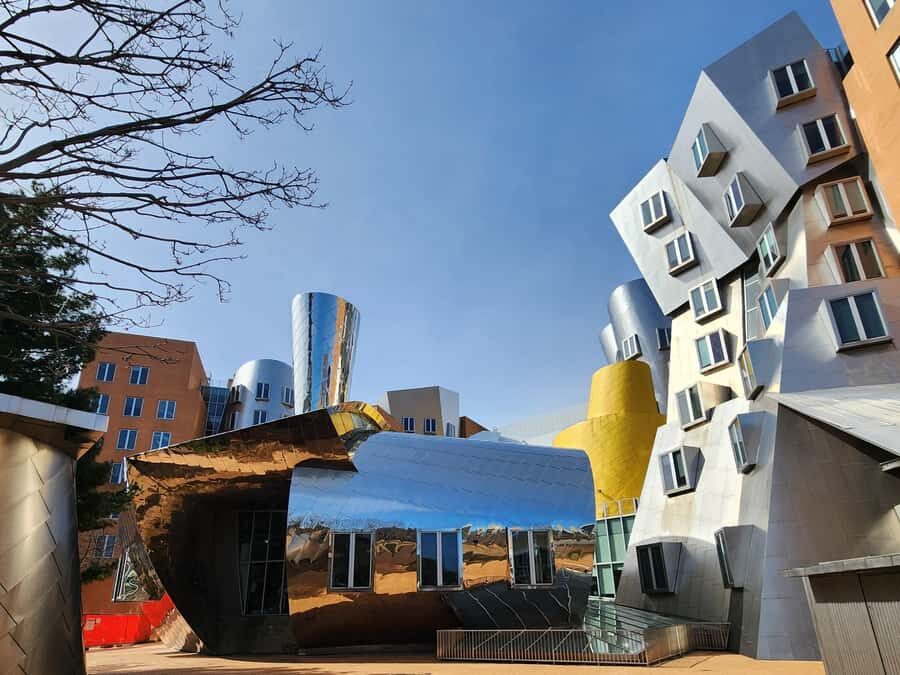
You’ll also see Stata Center, associated with big-name design. The tour setup specifically calls out buildings designed by globally famous architects, including Frank Gehry and I.M. Pei. That means you’ll get the stories behind the designs, not just the name on the building.
This is also where an outdoor-only format is a strength. You can stand back, look at the shapes, and decide how you feel without being rushed inside. Some people come away thinking it’s genius; others think it’s weird. Either reaction is valid—your guide’s job is to give you the why.
Break and timing: you’ll get a short reset
There’s a 15-minute break built into the route. That matters because you’re walking for a long stretch across two major campuses. It’s enough time to regroup and plan for the next move: the subway ride.
The MIT-to-Harvard subway hop: using the T like a local
The tour shifts gears with a subway segment from MIT to Harvard. You ride for two stops, and the subway ticket is included. That turns the transit part into something you don’t have to manage on your own—a real value when you’re only in town a short time.
While you wait for the train, the guide covers the history of the subway system in the area, including the point that it’s tied to the history of the nation’s oldest subway. Even if you’ve taken the T before, it’s a nice moment of “oh, that’s the bigger story.”
This segment also changes your brain. MIT and Harvard feel different the moment you cross the river area, and the transit break gives you a mental reset before you enter Harvard’s older, tradition-heavy world.
Harvard Yard and the bridge legends: Smoot markings, Three Lies, and classic campus icons
Once you reach Harvard, the tour really leans into story. Harvard is where traditions aren’t just traditions—they’re physical objects and specific locations you can point to.
Harvard Bridge and the Smoot markings
The Harvard Bridge stop is short, but it’s the kind of fact-heavy moment that sticks. The guide points out the Smoot markings, a detail that turns a regular bridge into a campus legend in your mind. You don’t need to be a measurement nerd to enjoy it—you just need the story, which is exactly what this tour gives.
Johnston Gate and the transition into Harvard’s core
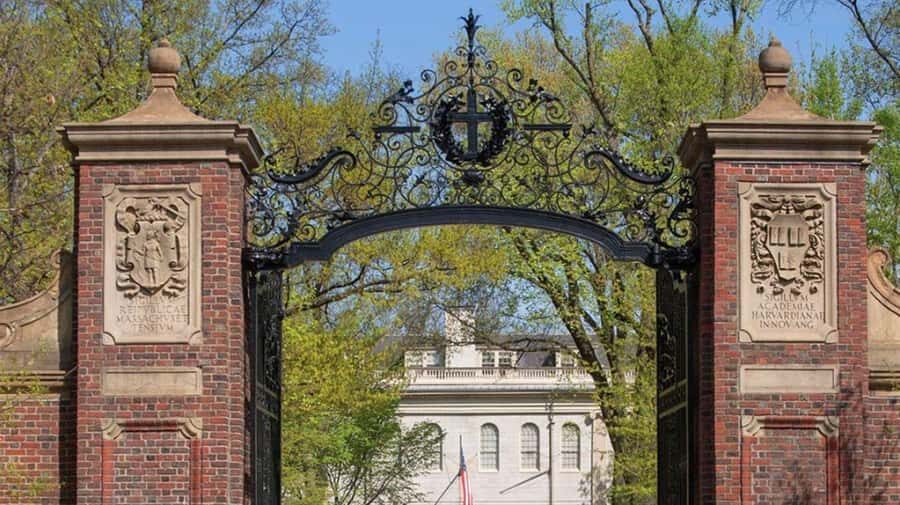
You also pass by Johnston Gate, which acts like an entry point into a different campus vibe. It’s an easy moment to slow down mentally. From there you move to Harvard Yard with the sense that you’re walking through a place that’s been collecting meaning for a very long time.
John Harvard statue and Harvard Yard’s center
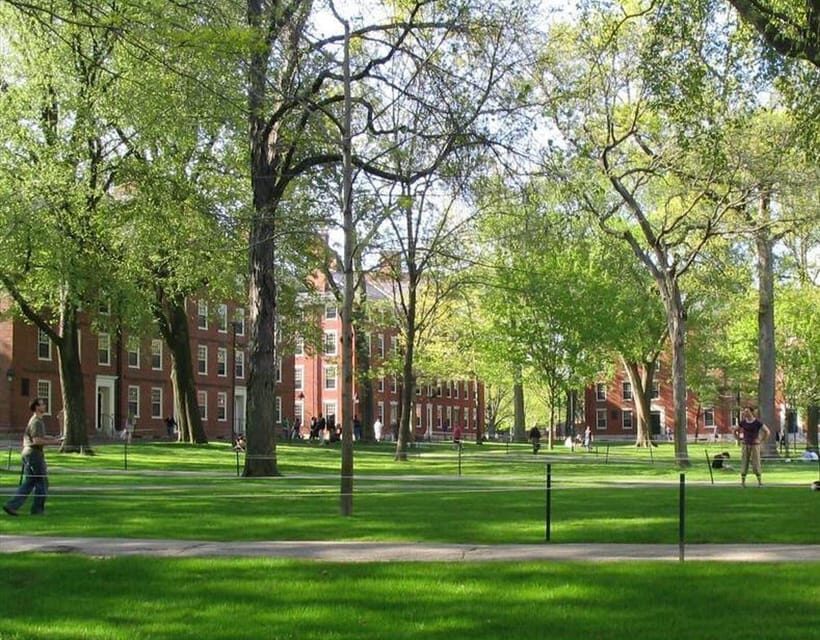
The John Harvard Statue stop sets up the Yard. Then you move into Harvard Yard, where you’ll see historic buildings and learn about the famous alumni connected to them.
One of the most memorable Harvard Yard stops is the Statue of the Three Lies, positioned in the center and linked to campus lore. Even without going inside, the tour helps you understand why it became part of the Harvard experience—this is the kind of campus joke that becomes tradition.
Memorial Hall and Memorial Church
Next you’ll walk past key symbolic buildings like Memorial Hall and Memorial Church. These stops matter because they show how Harvard presents itself: solemn on the outside, dense with meaning, and built to last. It’s the difference between seeing architecture as decoration versus seeing it as a message.
The housing story: Housing Day and where students live
One of the tour highlights is also practical-in-a-story way: you’ll hear about where Harvard students live after Housing Day at the end of freshman year. It’s not just trivia. The tour uses it to help you understand how the campus life system works, so you can picture daily routines and student life beyond the famous buildings.
Frank Gehry and I.M. Pei at Harvard
The day also includes architecture tied to big names such as Frank Gehry and I.M. Pei. Since the tour doesn’t go inside, these buildings become your clues. You look at the shapes and forms, then the guide ties them to the institutions they serve.
That’s a great approach for people who don’t want to sit through a lecture. You’re walking, seeing, and making connections as you go.
Widener Library to Harvard Square: finishing with big reads and better street life

Harvard’s ending stretch is where the tour clicks into everyday Cambridge energy.
Widener Library photo moment
The Widener Library stop is one of the headline photo points, and the timing helps. By the time you reach it, you’ve already learned the Harvard story, so the building feels earned. It’s not just a beautiful facade—it’s a symbol of what Harvard prizes: scholarship, legacy, and a certain seriousness that still lets room for humor.
Wadsworth, Lowell, and Kirkland Houses: the campus living system
You’ll also see Wadsworth House, Lowell House, and Kirkland House. These stops are more than scenic. The guide uses them to show how Harvard organizes student life through residential houses, and how that system shapes culture and community.
This is another place where the outside-only rule works in your favor. These houses are meant to be experienced as part of the campus. You learn what they represent by how they sit in the Yard and how the campus connects them.
Harvard Square: finishing in the neighborhood that radiates outward
You end in Harvard Square, which is smart because it gives you options right after the tour. You can keep exploring immediately—coffee, people-watching, and the chance to compare what you just learned with what you see around you.
Finishing in a lively area also helps the tour feel useful. Instead of ending in an empty spot and hoping you know where to go next, you drop right into the kind of place where Cambridge history and modern life overlap.
Price and logistics that actually matter for value
At $49 per person for a 210-minute experience, this tour looks priced like a guided walking tour, not like a premium attraction ticket. The value becomes clearer when you remember what’s included: a licensed guide and the subway ticket between MIT and Harvard.
That subway piece is more than convenience. It saves you the hassle of figuring out which fare to buy and when, and it keeps the tour moving. The guide’s narration also makes the transit time part of the experience instead of wasted waiting.
One more logistics consideration: it’s outside-only. So you’ll want comfortable shoes, because this is a long, continuous campus walk with quick stops. If you’re sensitive to long distances or uneven paths, you’ll feel it more here than on a shorter city stroll.
Who should book this MIT and Harvard walking tour
This is a great fit if you want:
- Big landmarks without museum crowds or inside-building restrictions
- A guide who connects architecture to stories and traditions
- A day that balances MIT’s innovation tone with Harvard’s tradition-heavy world
If you want a campus tour aimed at admissions decisions, this isn’t built for that. It’s designed around history, architecture, and legends—exactly the kind of approach that helps you understand what these places feel like, not just what degrees they offer.
It’s also not a good match for everyone. The tour is not suitable for wheelchair users or people with mobility impairments, and it’s listed as not suitable for people over 95 years. Pets aren’t allowed (assistance dogs are allowed).
Should you book it?

If you’re curious about what MIT and Harvard look like when you see the details on foot, I think you should book. The strongest reason is focus: you get iconic photo stops like the MIT Dome and Widener Library, plus the fun facts like Smoot markings and the Statue of the Three Lies, all tied together by a guide-led storyline.
If your dream day is inside buildings, this will disappoint. But if your goal is to understand the architecture and the campus legends in a single half-day, this is good value and a smart use of time in Cambridge.
FAQ
How long is the MIT and Harvard walking tour?
The tour lasts 210 minutes.
What is the price per person?
The price is $49 per person.
Where do I meet the tour guide?
Meet in front of Ripple Cafe, located next to the MIT/Kendall subway station.
Is the subway included?
Yes. The subway ticket from MIT to Harvard is included, and the ride covers two stops.
Does the tour go inside MIT or Harvard buildings?
No. The tour does not go inside buildings on either campus. It focuses on outside portions, with history, architecture, and legends.
What should I bring?
Wear comfortable shoes.
Is the tour suitable for wheelchair users or mobility impairments?
No. The tour is not suitable for people with mobility impairments and it is not suitable for wheelchair users.