REVIEW · BOSTON
City Cruises Boston Whale Watching Cruise by High-Speed Boat
Book on Viator →Operated by Boston Harbor City Cruises · Bookable on Viator
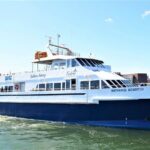
Watching whales from a high-speed boat in Boston is about speed, not waiting. You start at Long Wharf, head out to the Stellwagen Bank National Marine Sanctuary, and use that time smartly with a naturalist guide pointing out what to look for. The result is a tour that feels like a mini ocean expedition, without making you fuss over gear or logistics.
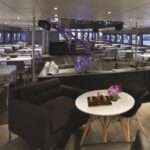
What I like most is the mix of outdoor deck time for spotting wildlife and an air-conditioned indoor cabin for breaks and photos. Second, the commentary has a real purpose: you get plain-language explanations of animal behavior and conservation, plus the kind of facts that make your whale sightings feel less random. One drawback to flag up front is crowding and viewing space; if you’re hoping for a totally relaxed, seated experience, this isn’t that kind of boat.
In This Review
- Key things I’d focus on before you go
- High-Speed Whale Watching from Boston’s Long Wharf
- The Stellwagen Bank stop: why this area matters
- What whale sightings often look like on the water
- Deck vs. indoors: how to stay comfortable and keep your eyes on animals
- Small comfort tips that pay off
- Wildlife identification that actually helps
- Duration and pacing: a “half-day on the water” style trip
- Food, drinks, and the onboard setup you’ll actually use
- The biggest considerations before you book
- Motion sickness is the main “be honest with yourself” factor
- Crowding can affect your view
- Weather matters, because the ocean doesn’t do theater
- Is this cruise worth the price?
- Who should book this whale watching cruise
- Should you book City Cruises Boston Whale Watching?
- FAQ
- Where does the cruise depart from?
- How long is the whale watching cruise?
- What wildlife might I see on this cruise?
- Is there indoor seating or shelter on board?
- Are food and drinks included in the ticket price?
- Are there restrooms on the boat?
- Is this tour okay if I get motion sickness?
- How many people can be on this cruise?
Key things I’d focus on before you go
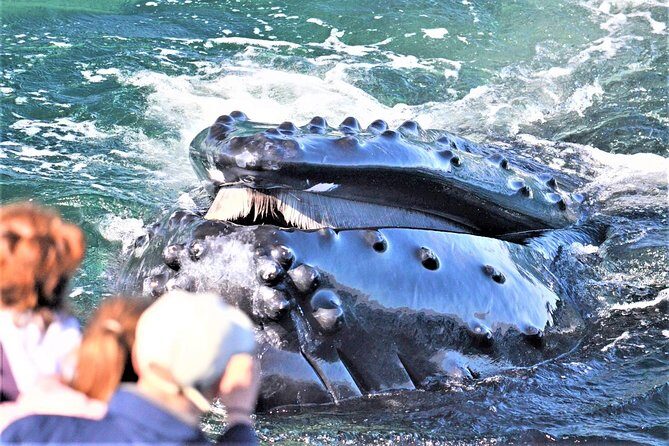
- Stellwagen Bank feeding grounds: This area at the mouth of Massachusetts Bay is where whales and dolphins show up to feed.
- High-speed ride means more search time: You spend less time cruising and more time scanning the water.
- Naturalist-led spotting: The onboard guide helps you identify species and understand behavior.
- Warm shelter when conditions change: Indoors is air-conditioned, and you’ll likely use it.
- Bring a jacket for wind: Even in cooler months, the boat wind can cut fast.
- Capacity tops out at 350: More people can mean harder viewing at peak moments.
High-Speed Whale Watching from Boston’s Long Wharf
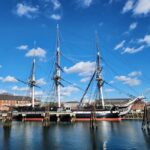
Boston’s harbor has a particular vibe: historic piers, tall ships and modern city views packed into a small space. Then, pretty quickly, you’re out on a fast boat leaving the city behind. That shift is part of what makes this cruise work so well for short trips.
You’ll depart from 1 Long Wharf. Boarding starts about 30 minutes before departure, so treat that early window as your friend. On a whale cruise, being a few minutes late can mean missing the boat, and you don’t want your one big ocean day turning into a rebook.
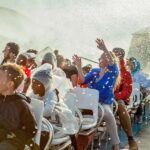
This is also an “expect to move” experience. You’ll want to be on the deck when something gets spotted, then you’ll probably duck inside to warm up. On a vessel like this, the flow can feel busy at times, especially when everyone is trying to get the same view.
You can also read our reviews of more boat tours in Boston

The Stellwagen Bank stop: why this area matters
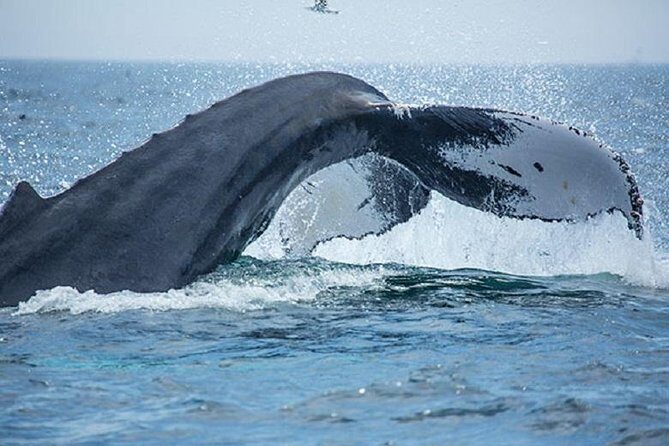
The main action happens at Stellwagen Bank National Marine Sanctuary, which sits at the mouth of Massachusetts Bay. The key idea is food. This stretch of open water is described as a rich feeding ground, and that’s why whales, dolphins, and sea birds are more likely to show up here than in random stretches of coastline.
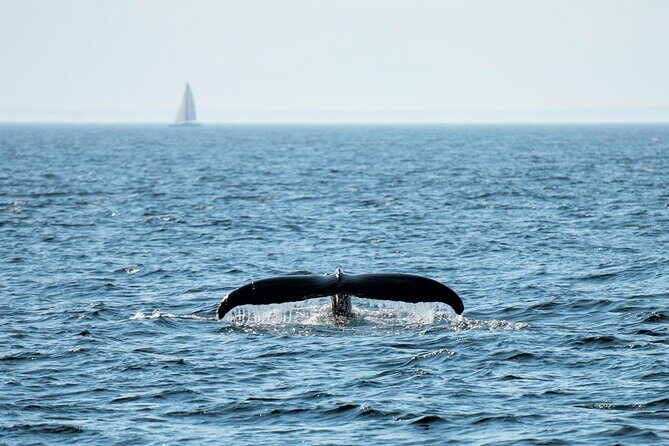
From the outdoor decks, you’ll be watching for species that cruise operators specifically look for in this region. Common targets include humpback whales, fin whales, minke whales, and pilot whales. You may also see Atlantic white-sided dolphins and other marine life depending on conditions.
What makes the sanctuary stop feel worth it is the naturalist’s job: turning scattered sea-life sightings into something you can actually understand. As you watch blow patterns, surfacing rhythms, and group behavior, the talk helps you connect what you see to how the animals use the water.
What whale sightings often look like on the water
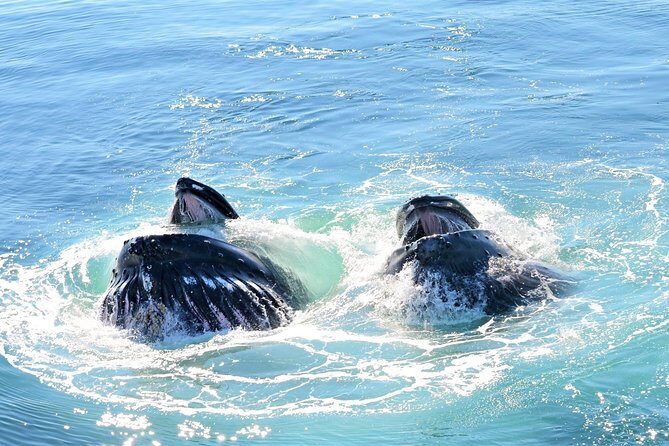
You’re not guaranteed a whale every minute. Whale watching is wildlife timing. Still, the pattern is familiar: you’ll scan a wide area, get a tip on where to look, and then you’ll cluster near the best sight lines. When an animal surfaces close to the boat, it can feel surreal fast, especially with a guide calling out what the behavior likely means.
On days when the sea is calmer, viewing tends to be easier. When it’s choppier, the ride can be more intense, but the crew still works the water to put you in the right spots.
Deck vs. indoors: how to stay comfortable and keep your eyes on animals
This cruise is built around both comfort and spotting. You get outdoor decks for the best sight lines, plus a climate-controlled indoor cabin when wind and spray start to get old. There’s also an onboard galley where you can buy food and beverages, so you can stay out longer without having to time snack runs on land.
If you’re wondering where to stand, my advice is simple: use the deck for sightings, then go inside before you’re miserable. Cold and wind are real even when the sky looks bright. One consistent theme from the onboard vibe is that people who bundle up and plan for wind have a much better time, even on cool days.
A light jacket or sweater is a smart minimum. Add sunscreen and sunglasses, since water glare can be strong and you’ll be outside for long stretches while waiting for the next clue from the naturalist.
Small comfort tips that pay off
- Bring layers, not just one warm item. The boat wind can feel sharper than you expect.
- Have a plan for motion and spray. If you’re prone to motion sickness, this isn’t the kind of tour to treat casually.
- Bring something for hair control. Wind on the water can be dramatic, and it’s easier to manage than to fight.
You can also read our reviews of more city tours in Boston


Wildlife identification that actually helps
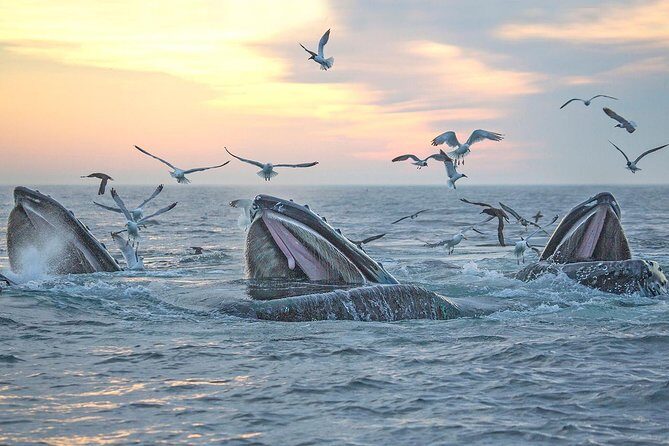
The value here isn’t only that you’re out on the ocean. It’s that the narration helps you track what’s happening. You’ll hear insider facts and stories from the onboard naturalist, including animal behaviors and conservation topics, as well as how scientists track these species.
This matters because “seeing a whale” can mean different things. A quick blow is one thing. A longer stretch of surfacing and movement nearby is another. When the guide explains likely behavior and what to look for next, your sightings feel more intentional and less like luck.
You also get help distinguishing what you might otherwise lump together. With species targets like humpbacks, fin whales, minke whales, and pilot whales, the guide’s identification cues are what help you feel confident instead of guessing.
On some departures, the naturalist experience is backed by high-energy crew members who keep the atmosphere upbeat without making it all fluff. If a particular guide name pops up for your sailing, it’s usually because that person leans into clear explanations and quick, enthusiastic spotting support.
Duration and pacing: a “half-day on the water” style trip
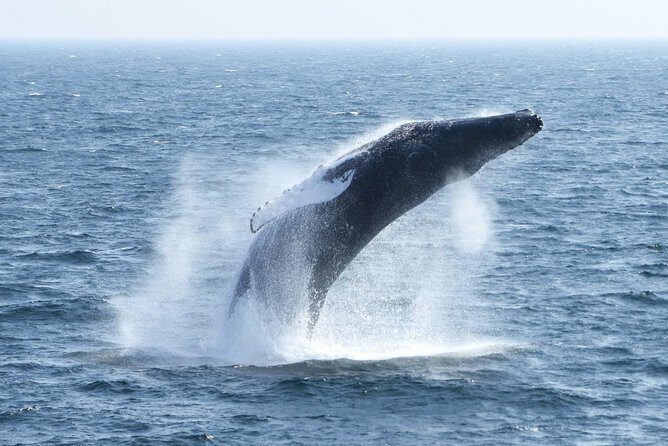
The tour runs about 3 hours 30 minutes. That’s long enough to reach the sanctuary area and scan for wildlife, but short enough that it doesn’t eat your whole day.
The pacing is basically:
- You depart from Long Wharf and head out fast.
- You search for wildlife as you approach and while working the sanctuary area.
- You get a break from outdoor scanning by cooling down inside between sightings.
- You return to Long Wharf at the end of the cruise.
The high-speed part is important for value. Whale season isn’t a guaranteed schedule; the whole game is time on the water. A fast boat helps maximize your odds by reducing dead time between the city and the feeding grounds.
Food, drinks, and the onboard setup you’ll actually use
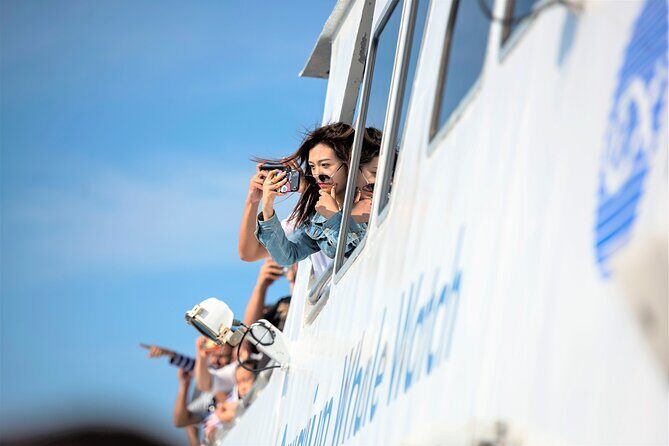
Food and drinks are not included, but you can purchase them onboard. The presence of a galley is still a big plus, because it means you’re not forced to plan around hunger while you’re waiting for the next sighting window.
There are also restrooms onboard, which is a practical point that makes long scanning sessions less stressful. One more small comfort: the indoor area gives you a real reset when the wind gets sharp or if you just need a moment to warm up.
One caution: seating can feel tight at times. Some people found there weren’t enough seats for everyone to stay comfortable. So if you’d rather stay glued in one spot, manage expectations. The best sightings usually pull you back to the deck.
The biggest considerations before you book
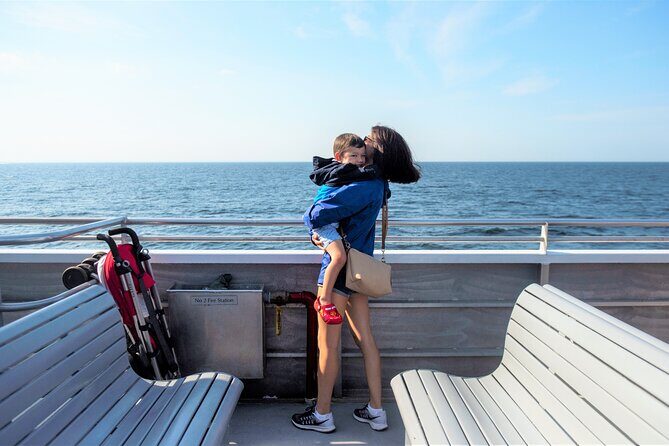
Motion sickness is the main “be honest with yourself” factor
This tour is not recommended for guests prone to motion sickness, and sea sickness medication isn’t included. If you’ve struggled on boats before, I’d treat this as a serious heads-up, not a minor note.
I also like the idea of having your own plan ready (medication, bracelets, or whatever works for you). On the water, once nausea hits, it can turn the day gross fast.
Crowding can affect your view
With a maximum of 350 travelers, you should expect a lively scene. On excellent whale days, excitement can spike and people cluster where they think the animals will surface. If you’re sensitive to crowds or need a lot of personal space, you may find the deck moments a little hectic.
That said, the crew does a lot of work to keep things running and keep you informed. The best strategy is to be flexible: move when you need to, then use the indoor time to reset.
Weather matters, because the ocean doesn’t do theater
This cruise requires good weather. If conditions are poor, the operator may offer a different date or a full refund. For planning, this matters because it ties your experience to the day’s sea state, not just the calendar.
When the sea is rough, the ride can be more intense. When it’s smooth, it’s easier to scan for blow patterns and surface activity.
Is this cruise worth the price?
At $85.56 per person, this isn’t a cheap “sit and watch” activity. But for Boston, you’re paying for three real things:
- A high-speed vessel that gets you quickly to productive waters.
- A naturalist-led search that improves how much you understand from each sighting.
- Time in the Stellwagen Bank area, which is specifically known as a feeding ground for whales and dolphins.
If you’re the type of traveler who likes guided interpretation—asking questions, learning why animals behave a certain way—this price makes more sense. If you’re only going for the broad chance of seeing something and you’d rather be more independent, you might feel the cost more.
Still, even when sightings aren’t constant, the combination of ocean views, city-to-sea transition, and educational narration can make it feel like a full outing rather than a “maybe.”
Who should book this whale watching cruise
I think this is a strong match if you want:
- A guided whale watch with species identification and conservation context
- Maximum time on the water thanks to a fast boat
- The option to get warm and dry inside between deck scanning
- A classic Boston experience that goes beyond the harbor views
It may be less ideal if:
- You’re very prone to motion sickness
- You need lots of guaranteed seating and a calm, quiet vibe
- You have limited mobility and find it hard to move between indoor and outdoor areas
If you’re traveling with kids, it can work well because the naturalist commentary and the onboard onboard activities some families enjoy can help break up the waiting time. Just remember that whale watching is still about patience, even when the boat is quick.
Should you book City Cruises Boston Whale Watching?
If you’re asking me for the straightforward answer: yes, I’d book it if you can handle wind and boat motion, and if you’re excited to learn while you look.
This cruise is at its best when you treat it like a search with a guide, not a guaranteed animal show. You’ll likely get fantastic sightings when conditions line up, but even on slower days, the naturalist narration and the fast route to Stellwagen Bank make it a satisfying use of half a day.
If weather is questionable, keep an eye on forecasts and be ready for date changes. And if you know you get sick on boats, plan carefully or consider a different option.
FAQ
Where does the cruise depart from?
It departs from 1 Long Wharf, Boston, MA 02110, USA, and ends back at the same meeting point.
How long is the whale watching cruise?
The duration is about 3 hours 30 minutes.
What wildlife might I see on this cruise?
You may see humpback, fin, minke, and pilot whales, plus Atlantic white-sided dolphins and other marine life.
Is there indoor seating or shelter on board?
Yes. There is an air-conditioned indoor cabin, along with outdoor decks for spotting wildlife.
Are food and drinks included in the ticket price?
No. Food and beverages are available to purchase on board.
Are there restrooms on the boat?
Yes, there is a restroom on board.
Is this tour okay if I get motion sickness?
It’s not recommended for guests prone to motion sickness, and sea sickness medication is not included, so you should plan accordingly.
How many people can be on this cruise?
The tour has a maximum of 350 travelers.