REVIEW · BOSTON
Boston: Top 10 Freedom Trail & ‘Cheers’ Guided Walking Tour
Book on GetYourGuide →Operated by LetzGo City Tours · Bookable on GetYourGuide
Boston history walks in good company. This 2.5-hour Freedom Trail guided tour threads together the big “America was made here” sites, then caps it with an inside visit to Cheers Boston in Beacon Hill. I really like how you get the Revolution story in real place-to-place context, and I also like that the Cheers stop is part of the experience (not just a look-from-outside photo). The one thing to think about is that it’s a lot of on-foot time on uneven surfaces and hills, so you’ll want comfy shoes and a steady stride.
I also like the guide factor here. In the past, I’ve seen how Barbara can mix the history with humor and then tailor stories to the people in front of her, which keeps the whole walk from feeling like a lecture. If you’re the type who enjoys hearing how locals think about the city now, you’ll get that too.
You’ll start at the Samuel Adams Statue area near Faneuil Hall and finish back at Cheers. The tour runs in all weather, so plan for rain or cold, and dress like Boston can change its mind fast.
In This Review
- Key things to know before you go
- Freedom Trail Basics: where this walk starts and why it works
- Faneuil Hall and the Old State House: where speeches meet street-level history
- Old South Meeting House: the Revolution story gets more human here
- Boston Common: the oldest park break you’ll time correctly
- Cheers Boston in Beacon Hill: TV fame meets a real stop inside
- Price and logistics: what $51 gets you (and what it doesn’t)
- Who this tour fits best (and who should skip it)
- Should you book this Freedom Trail plus Cheers walk?
- FAQ
- Where does the tour start?
- What time should I arrive?
- How long is the tour?
- Is transportation included?
- What is included in the price?
- Is food and drink included?
- Are Old South House and Old South Meeting House entry tickets included?
- Does the tour run in bad weather?
- What language is the tour guide?
- Is it suitable for wheelchair users or mobility impairments?
Key things to know before you go
- Small-group feel: more personal attention and less wandering around.
- Freedom Trail landmarks in one flow: Boston Common, Faneuil Hall area, and Revolutionary-era stops.
- Cheers Boston is an included admission: you go inside as part of the group.
- Old State House details you’ll remember: you’ll hear what happened there involving Washington and the Declaration.
- Comfort matters: cobblestones, inclines, and stairs show up.
- Meet early or miss out: you check in 15 minutes before start time, and late arrivals can’t join in.
Freedom Trail Basics: where this walk starts and why it works
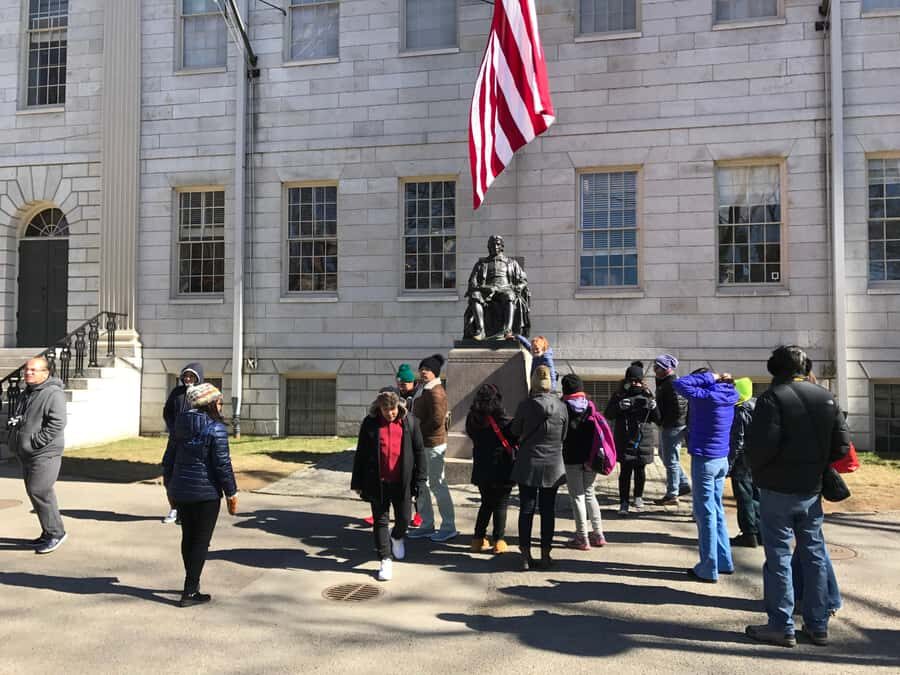
This tour is built for people who want the headline Freedom Trail stops without trying to stitch it all together on your own. You start at the Samuel Adams Statue area by the Faneuil Hall Visitor Center, with the meeting point set around Dock Square (Congress Street and North Street). You’ll want to arrive early, because you check in with the guide first and then move as an organized group.
The route makes sense because it’s not just “look at a building.” You connect the ideas of protest, speeches, and rebellion to street corners and public spaces you can actually see. That matters with Boston. The city is compact, but the meaning of each place changes depending on what was happening outside your line of sight at the time.
You should also know what kind of walking you’re signing up for. Even with a guided pace, you’ll cover ground over uneven sidewalks, cobblestones, and changes in elevation. If you get uncomfortable on stairs or rough pavement, consider a slower day in Boston or a more accessible tour option.
You can also read our reviews of more walking tours in Boston



Faneuil Hall and the Old State House: where speeches meet street-level history
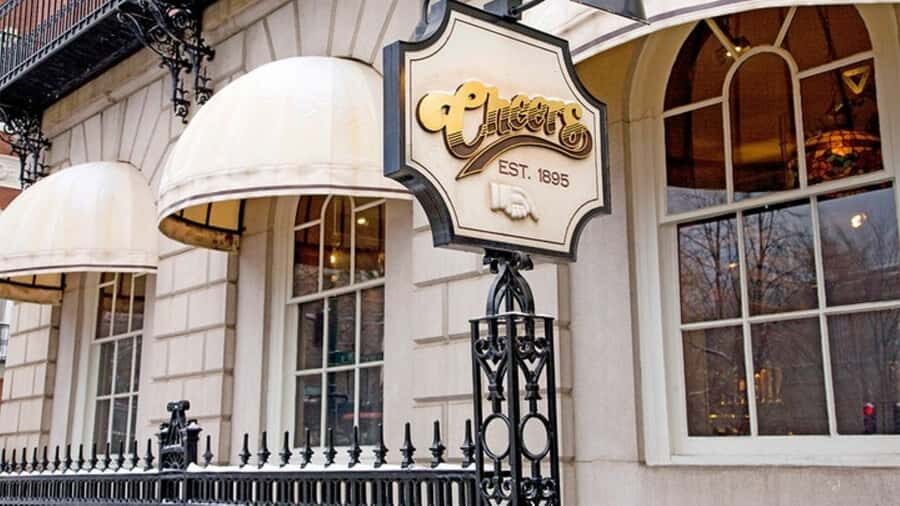
The first major history stop after meeting is Faneuil Hall and the surrounding market area. This is where Boston’s public life comes through loud and clear. You’ll have a guided look and photo time, with time spent on why this space earned the nickname Cradle of Liberty. Practically, this is also a great “orientation moment” because you can see how people gathered, argued, and made decisions in the open.
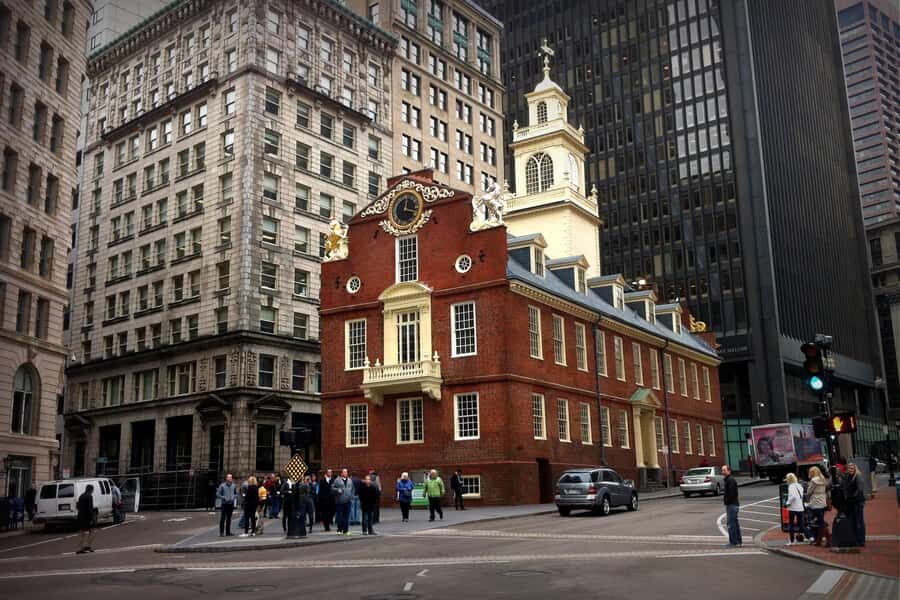
From there, you head to the Old State House area. This is one of those places where you’ll feel the weight of early American governance. You get guided context about a moment involving George Washington reading out a first public hearing of the American Declaration of Independence. That kind of detail helps you understand the difference between a slogan and a historical event.
One trade-off: because these are iconic spots with constant foot traffic, it helps to be patient in tight areas. The guide will manage the flow, but you should still expect stop-and-go moments.
If you like learning in a “see it, understand it, keep moving” way, this part is where the tour clicks.
Old South Meeting House: the Revolution story gets more human here

Next comes the Old South Meeting House area. Even though you’re not spending all your time inside (the tour doesn’t include entry tickets for Old South buildings), the guided stop still adds real context to the events people associate with Boston in the run-up to independence.
You’ll hear the kinds of stories that turn a museum label into something you can picture. The tour is geared toward the rebellion and war origins of America, including key events like the Boston Tea Party and the Boston Massacre. In this part of the walk, those events stop feeling like separate chapters and start feeling like connected cause-and-effect.
Why I think this stop is valuable for you: it helps you understand that the Revolution wasn’t just battles and flags. It was also meetings, speeches, and public pressure. Standing around a site tied to those meetings gives you a clearer sense of how decisions spread and how anger organized itself.
If you want maximum time indoors at historic buildings, you might feel a little time-constrained here. But if your goal is a smart, story-rich walking tour, this pace is usually a win.
Boston Common: the oldest park break you’ll time correctly
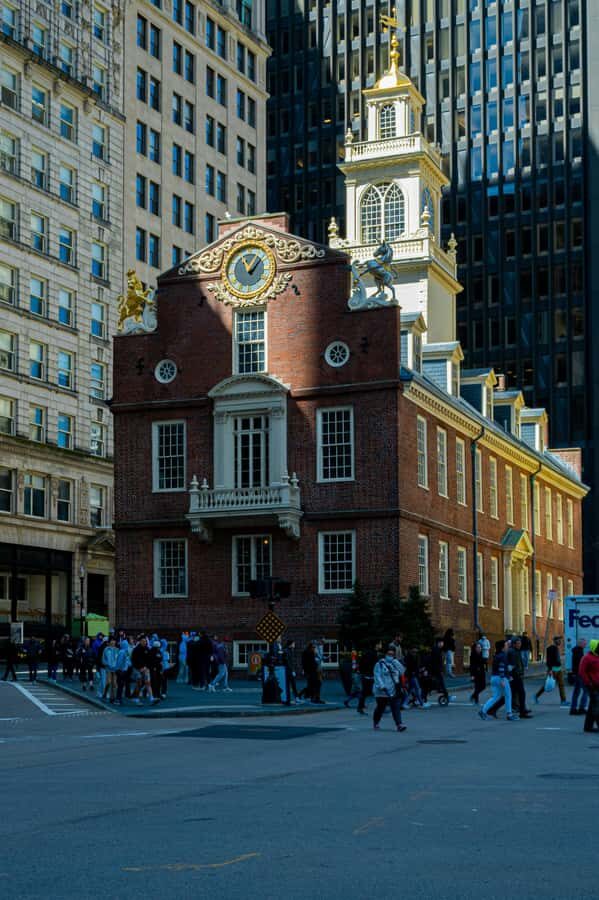
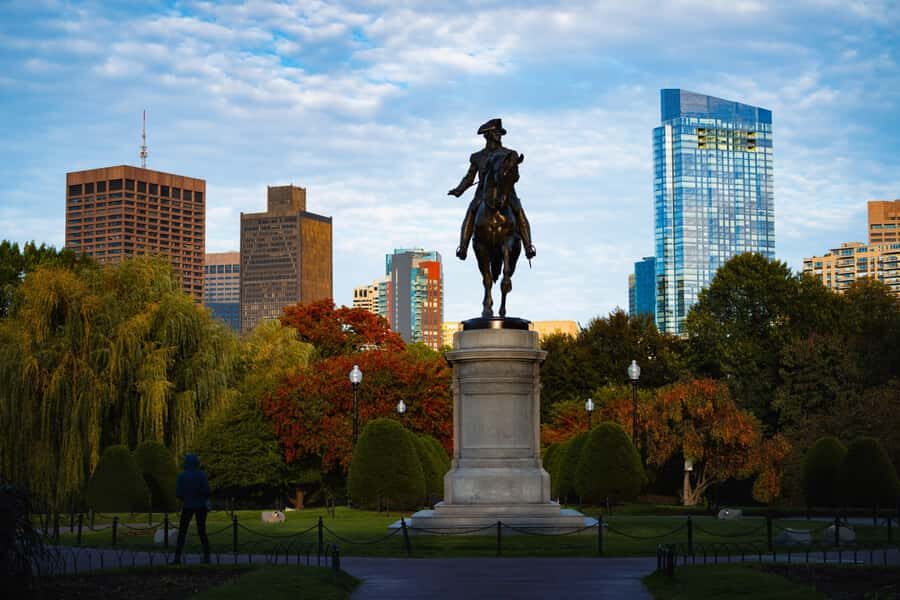
Boston Common is more than a park. On this tour, it becomes a real turning point because it’s where you pause, look around, and then hear the city’s story again—this time through a quieter lens.
You’ll spend guided time here with photo stops, and you’ll be pointed toward notable features tied to American figures. The tour highlights include Paul Revere and Samuel Adams’ graves in the Common area, so you’re not just looking at trees and open space. You’re seeing where history sits in the everyday city.
I like this structure because it keeps the walking tour from being all intensity. You get a breather, but you’re still learning. And Boston Common is a natural place to reset your senses if you’re tired from earlier standing and crowding at Faneuil Hall.
Practical note: the Common area can be great for people-watching, but the surface can still be uneven. You’re still in walking-mode, so keep your attention on your footing.
Cheers Boston in Beacon Hill: TV fame meets a real stop inside
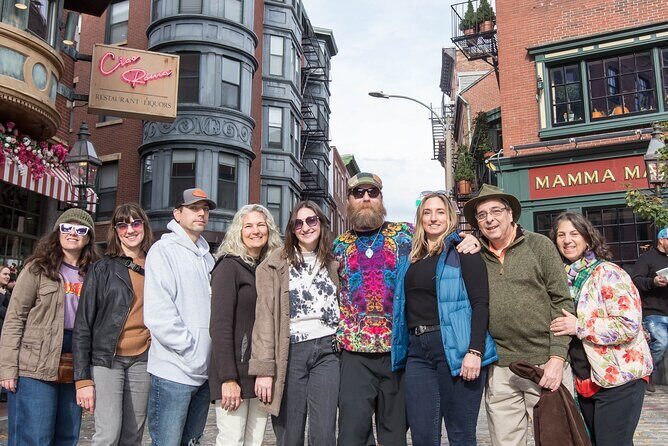
Then comes the fun part: Cheers Boston. You’ll head to Beacon Hill and make an included visit to the famous bar made popular through the TV series. This isn’t just a photo opportunity. The tour includes admission, so you can actually enter and experience it as part of the group.
For me, the best part of doing Cheers on a history walk is the contrast. You go from Revolution-era seriousness to a modern pop-culture landmark in one smooth arc. You might be surprised by how quickly that shift turns the whole morning into a memory you can talk about later.
You’ll have time for photos and a guided visit. If you’re a fan of the show, this will likely feel like the reward stop. Even if you’re not, the bar still offers a memorable snapshot of Boston identity—how a city treats its stories and characters.
Do keep expectations practical. You’re going in as part of a tour, so it’s not a long leisurely bar-hopping session. Think of it as a guided peek into a cultural icon.
You can also read our reviews of more guided tours in Boston






Price and logistics: what $51 gets you (and what it doesn’t)
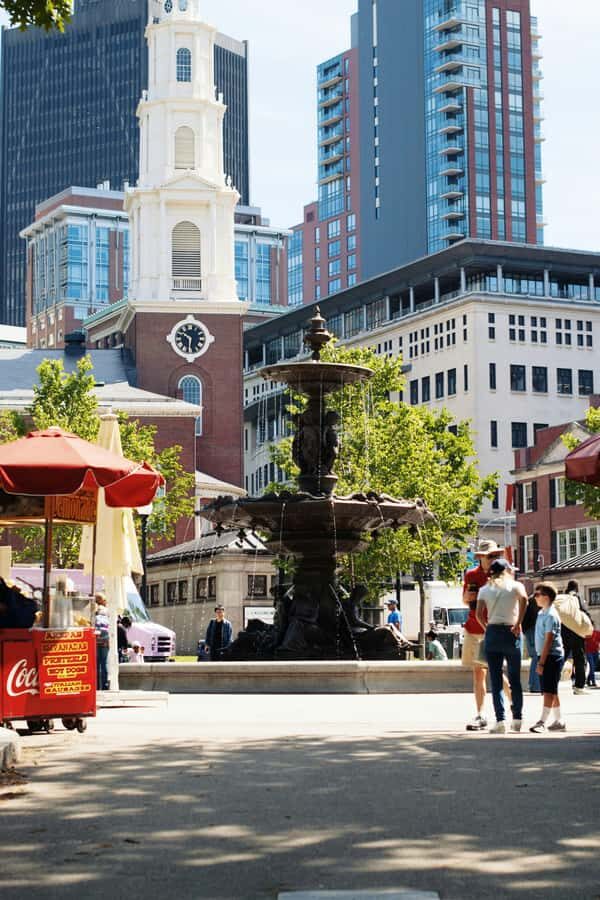
At $51 per person for about 2.5 hours, this tour is priced like a solid guided city experience rather than a bare-bones walking map. The big value boosters are simple: you get multiple major landmarks with guided storytelling, and you get admission to Cheers included.
What you should plan to pay for on your own: transportation, and anything food-and-drink related during the walk. The tour also notes that entry tickets for Old South House and Old South Meeting House are not included. If you care about going inside those specific sites beyond the guided stop, you’ll need to handle that separately.
Also, it’s not “free roaming.” Late arrivals can’t be accommodated, and missed tours or tickets can’t be refunded or rescheduled. That means your timing matters. If you’re the type who wants to wander before a tour starts, build in extra buffer.
For best value, match this tour to your travel style. If you want a guided history backbone plus one highly recognizable modern stop, the price-to-experience ratio looks fair.
Who this tour fits best (and who should skip it)
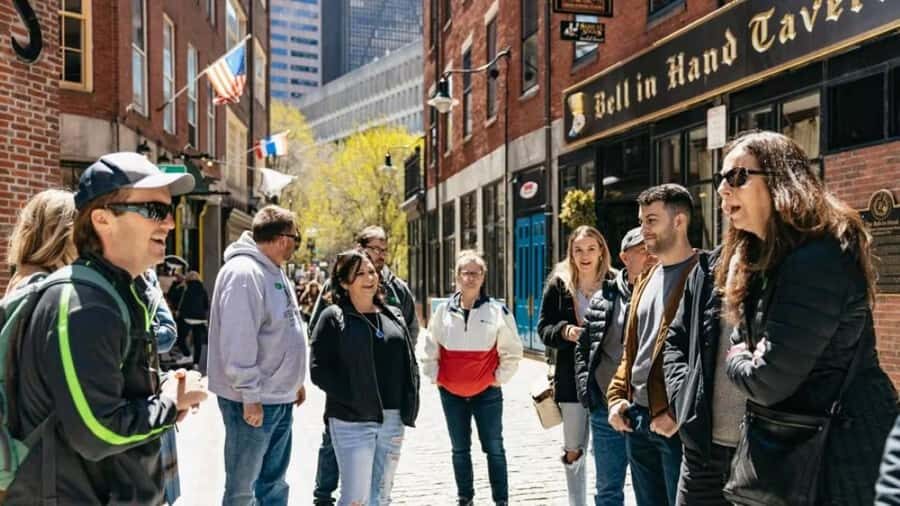
This tour is a great fit if you want a focused Freedom Trail overview without planning each segment yourself. You’ll get enough context to make the sites feel connected, and the guide’s delivery tends to keep it lively. If you enjoy storytelling that uses humor and personal touches, that’s been a strong point with the guidance style you can expect here.
You’ll also like it if you’re traveling with someone who enjoys mix-and-match sightseeing—history on one side, pop culture on the other.
I’d think twice if you’re sensitive to walking discomfort. The tour involves a fair amount of walking on uneven surfaces, cobblestones, hills, inclines, declines, and stairs. It’s also listed as not suitable for people with back problems and not suitable for mobility impairments or wheelchair users.
If you’re traveling with kids under 18, note that they must be accompanied by someone 18 or older.
Should you book this Freedom Trail plus Cheers walk?

Book it if you want one morning (about 2.5 hours) that hits major Boston moments and ends with an included Cheers Boston bar stop you can step into. This is especially smart if you’re short on time and want the story told in a way that helps you remember what you saw.
Skip it or choose something else if walking is a problem for you, or if you need lots of indoor time at historic buildings. The tour is built around walking and guided interpretation, not slow museum-style pacing.
If you can handle cobblestones and hills, this is one of the more satisfying ways to see Boston: you’ll come away with a clearer sense of how the Revolution grew in public spaces, and you’ll finish with a fun, iconic landmark that makes the whole day feel lighter.
FAQ

Where does the tour start?
You meet your guide at the Samuel Adams Statue, at the rear entrance of the Faneuil Hall Visitor Center. The broader meeting point area is Dock Square on the corner of Congress Street and North Street.
What time should I arrive?
Arrive 15 minutes before the scheduled start time. Late arrivals cannot be accommodated, and missed tours or tickets can’t be refunded or rescheduled.
How long is the tour?
The duration is about 2.5 hours (starting times vary, so check availability).
Is transportation included?
No. Transportation is not included.
What is included in the price?
The tour includes a guided walking tour, visits to Faneuil Hall, Boston Common, the Old State House, a Freedom Trail walk with significant landmarks, and entry/admission to Cheers Boston.
Is food and drink included?
No. Food and drink are not included.
Are Old South House and Old South Meeting House entry tickets included?
No. Entry tickets for Old South House and Old South Meeting House are not included.
Does the tour run in bad weather?
Yes. It operates in all weather conditions.
What language is the tour guide?
The live tour guide provides the tour in English.
Is it suitable for wheelchair users or mobility impairments?
It is not suitable for wheelchair users and not recommended for people with mobility impairments, since ramps and routes can’t be guaranteed to be compliant.