REVIEW · BOSTON
Beacon Hill Boston History + Photo Walking Tour (SMALL Group)
Book on Viator →Operated by PhotoWalks · Bookable on Viator
Beacon Hill has a way of slowing you down. This small-group photo walking tour mixes street-level history with practical picture tips so you notice details fast and leave with stronger shots. I especially like the personal pace (max 15 people) and the guide’s habit of pointing out angles you’d skip on your own.
You’ll also like how the walk is built around real photo moments: brick sidewalks, old-school gas lamps, flower-box windows, standout doors, and the classic views around Acorn Street. The history portion sticks to what you can see, not a lecture.
One thing to plan for: there are no restroom stops, and you’ll be walking the whole time on uneven brick. If you’re hoping for a formal photography workshop with advanced camera settings, this isn’t that.
In This Review
- Key things to know before you go
- Entering Beacon Hill with a photo-first mindset
- Small-group pace on brick sidewalks (and how to stay comfortable)
- Stop 1: Beacon Hill’s streets, gas lamps, doors, and photo cues
- Stop 2: Acorn Street in five minutes (how to photograph the most famous curb)
- Stop 3: Louisburg Square’s ironwork and townhouse details
- Stop 4: Boston Common founded in 1630 (the calm reset)
- Stop 5: Massachusetts State House built in 1795 on Hancock’s land
- Stop 6: Boston Public Garden, founded in 1837 as America’s first public botanical garden
- What you’ll actually learn about photographing Beacon Hill
- Weather, pacing, and why timing can change your results
- Price and value: why $45 can work (if you want both story and photos)
- Who should book this Beacon Hill Photo Walking Tour
- Should you book this Beacon Hill Photo Walking Tour?
- FAQ
- How long is the Beacon Hill history and photo walking tour?
- How big is the group?
- Do I need a camera, or can I use my phone?
- Are there restroom stops during the tour?
- Where do we meet the tour, and where does it end?
- What’s included in the stops?
- Do I need to confirm anything before the tour?
Key things to know before you go
- Small group, big attention: with up to 15 people, you can ask questions and get help with framing
- Practical photo guidance: tips for both phone and camera use, focused on composition and positioning
- Beacon Hill stops you’ll actually remember: Acorn Street, Louisburg Square, the State House area, and Boston’s oldest public park
- Short photo windows: quick stops mean you’ll need to move with the group while grabbing your shots
- Comfort planning matters: no restroom stops and solid walking time from start to finish
Entering Beacon Hill with a photo-first mindset
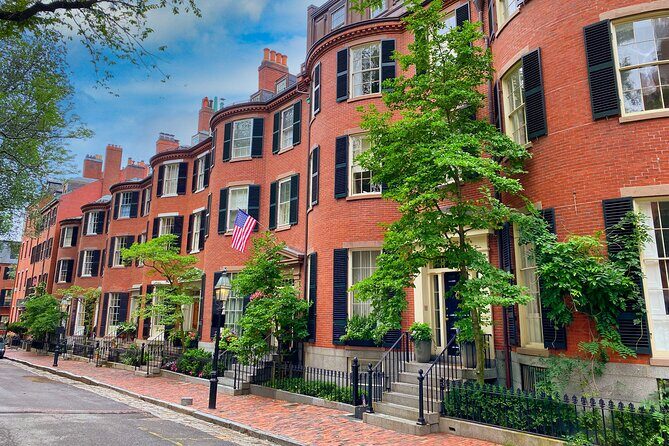
Beacon Hill is the kind of neighborhood that looks like a postcard… until you start walking and realize how much is hidden in plain sight. The tour works because it gives you a reason to stop every few minutes, look closer, and then take the shot.
I like that the emphasis is simple: you’re improving your photos while also learning why these streets look the way they do. You’re not stuck with a long script; you’re learning by walking past real architecture and little street-level clues—door knockers, window boxes, and the way the light lands on brick.
With a start point at 34 Beacon St and an end near Charles Street, the route keeps you moving through the heart of Beacon Hill instead of zigzagging across town. Expect an hour and a half-ish pace, not a slow wander that turns into a nap.
You can also read our reviews of more walking tours in Boston
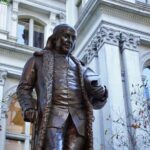
Small-group pace on brick sidewalks (and how to stay comfortable)
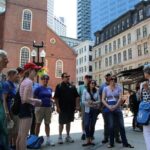
This experience is capped at 15 travelers, which matters more than you’d think. In a crowd, you end up shooting around other people’s heads. In a small group, you can actually get in position, take a couple tries, and adjust without feeling rushed.
You should also plan for the ground. Beacon Hill’s sidewalks are brick, and while they’re generally flat, they still have texture and occasional uneven spots. If you have mobility concerns, wear shoes that give you grip and take your time when the group pauses for photos.
There are no restroom stops on the tour. That’s not a deal-breaker, but it’s a real factor with a 1.5-hour walk. If you’re bringing family or just want to stay comfortable, plan to use facilities before you arrive.
Stop 1: Beacon Hill’s streets, gas lamps, doors, and photo cues
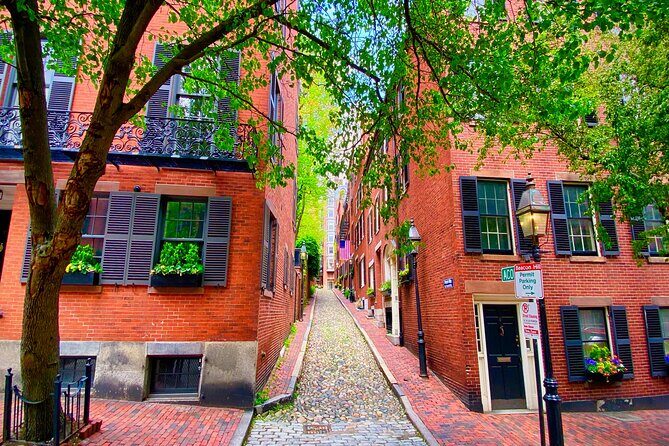
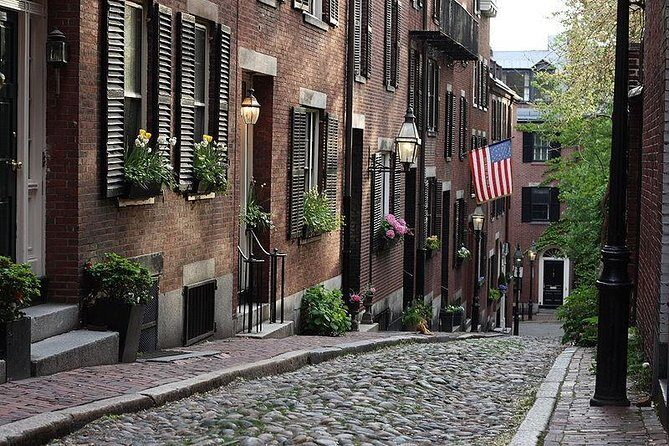
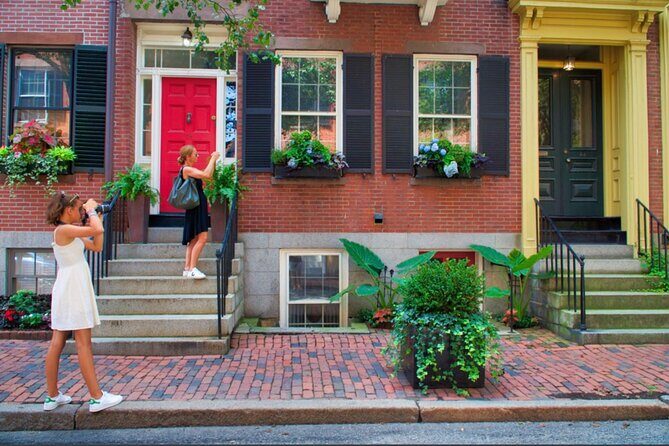
Most of your time is in Beacon Hill itself, and that’s the point. You’ll stroll along the narrow, brick-lined streets where the neighborhood’s look comes from layers of detail: antique-style gas lamps, townhouses, and the colorful flowers spilling out of window boxes.
This is also where the photography guidance earns its keep. The guide pushes you to think about angles and positioning rather than only chasing the loudest view. Instead of taking one straight-on shot of a doorway, you’ll learn how to place yourself so the door, the stoop, and the surrounding architecture work together in the frame.
A few other moments you should keep an eye out for:
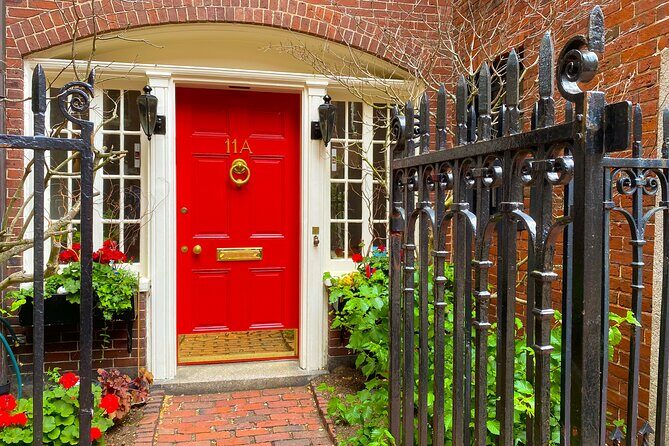
- Unique doors and door knockers that make great close-ups
- Scenery where the street shape adds depth (great for leading lines)
- Little “wait for it” details that you’d otherwise walk past
If you end up with the same host who has led many PhotoWalks departures, you may also get extra help like picture-taking for the group using your phone. One of the common joys people describe is finishing with photos that actually include everyone, not only the backs of your heads.
Stop 2: Acorn Street in five minutes (how to photograph the most famous curb)
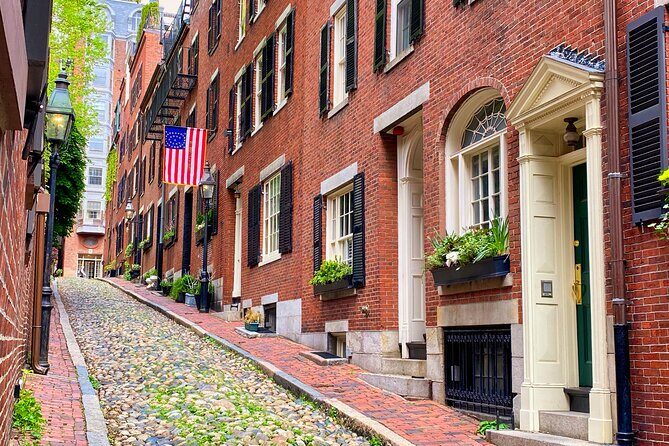
Acorn Street is Boston’s most photographed street, and it’s easy to see why. You get well-preserved row houses, Federal-style architecture, gas-lit charm, and that tight, cobblestone-like look people associate with old Beacon Hill.
But here’s the practical part: five minutes flies. The tour gives you a short window to shoot, so it’s smart to arrive ready with a quick plan. Try:
- One wider shot that includes multiple houses
- One tighter frame focused on a door, window box, or lamp detail
- One shot that uses the street’s curve to pull the eye forward
If you’re using a phone, don’t fight it. Composition still beats zoom. Even with a casual camera, you’ll get better results by lining up your frame before you start clicking.
Stop 3: Louisburg Square’s ironwork and townhouse details
Louisburg Square is an elegant residential square where the architecture feels a little more formal and controlled. You’ll notice brick facades, decorative ironwork, and grand entrances—details that are perfect for photos because they reward close attention.
This stop is brief, so you’re mostly there for the quick-hit compositions. The best shots are usually the ones where you show:
- Iron railings or entry details as a strong foreground element
- The geometry of the townhouse fronts
- A relationship between street and square, not just one isolated building
If you’re the kind of person who loves doorways, stoops, and ornament, this is likely to be one of your favorites. It’s also a helpful contrast after Acorn Street—same neighborhood vibe, different architectural mood.
You can also read our reviews of more historical tours in Boston

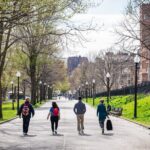




Stop 4: Boston Common founded in 1630 (the calm reset)
After the street-style photo focus, you get a breather at Boston Common, the oldest public park founded in 1630. It’s a shift in scenery that helps your photos too. You go from tight building lines to open space, which changes how light falls on your subjects.
Even in a short time, Boston Common adds a bigger-city grounding. You can reset your eye, look for a wide shot to balance the close-ups, and then carry that sense of place back into the rest of the route.
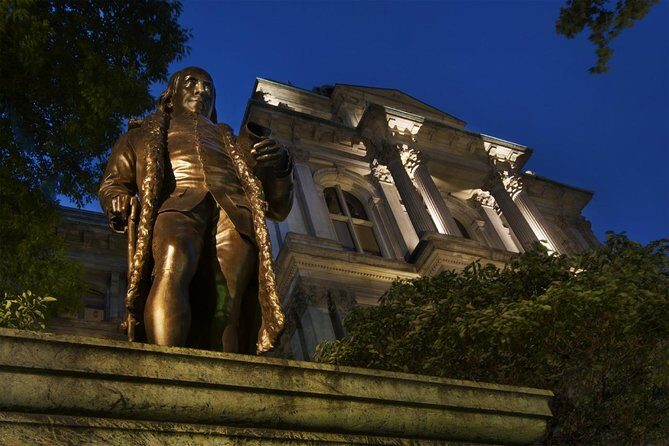
Stop 5: Massachusetts State House built in 1795 on Hancock’s land
The walk then turns historic-in-a-big-way with the Massachusetts State House. It was built in 1795 on land once owned by John Hancock, and that connection matters because Beacon Hill’s identity isn’t only about charming streets—it also overlaps with Boston’s political story.
Photographically, civic buildings give you clean lines and strong angles. If your phone tends to soften detail, try a steadier stance and compose so the building edges stay straight in frame. You’ll get better results by stepping back half a pace than by leaning your lens too close.
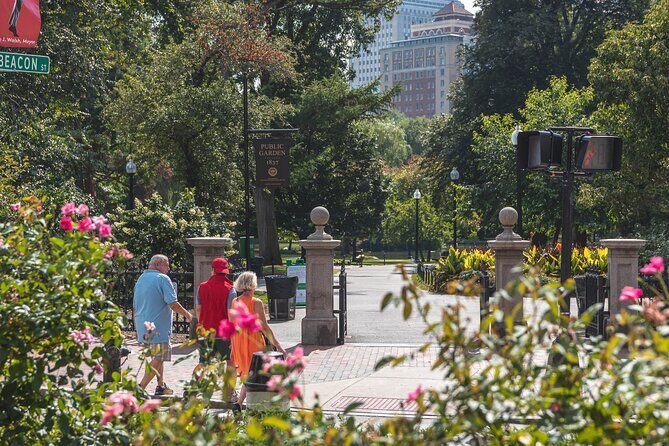
Stop 6: Boston Public Garden, founded in 1837 as America’s first public botanical garden
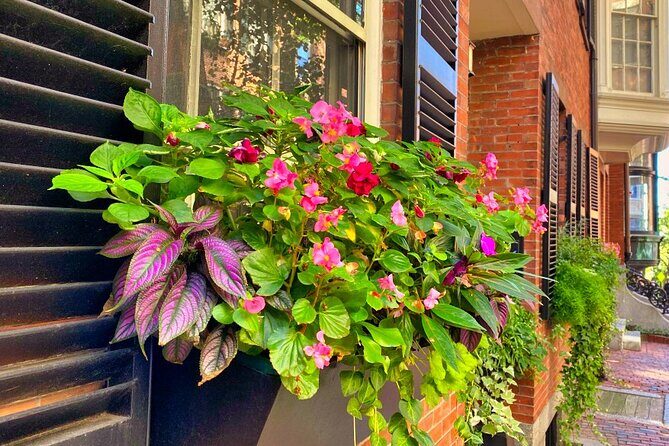
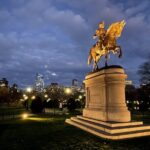
Your final big named area is the Boston Public Garden, founded in 1837 as the first public botanical garden in America. This stop gives your photos variety right at the end: greenery, classic garden feel, and a setting that often looks different in any season.
If you’re thinking ahead for your photo set, treat this as your “wrap-up” shot. After doors and street frames, garden views let you collect one more style of image before you head out.
What you’ll actually learn about photographing Beacon Hill
This tour’s photo instruction isn’t about turning you into a technical expert. It’s about helping you see faster and frame smarter in a place where the details are everywhere.
Here are the skills you’ll likely take away, based on the way the guide teaches during the walk:
- Angle choices: where you stand changes what feels centered and balanced
- Positioning: you can include more context by moving a few steps, not by zooming
- Composition for phones and cameras: the same framing rules apply even if your device is different
- Simple shot sequencing: wide, medium, and detail images so your set tells a story
And yes, some people mention that the instruction feels best for beginners or casual phone shooters. If you’re already an advanced photographer, you might want to treat the walk as a streetscape scouting session plus gentle composition prompts.
Weather, pacing, and why timing can change your results
Because the tour is walking-focused, weather matters. Brick, concrete, and narrow sidewalks can feel intense on hot days, while cooler conditions make the walk easier and sometimes more pleasant for picture-taking.
Also, there’s limited time at each photo stop, so you’ll get more out of the experience if you’re ready to move when the group moves. If you like to linger at a single perfect wall, consider that this is designed for multiple stops and multiple viewpoints.
If you arrive expecting a slow strolling photo class, you may feel a little shortchanged. If you arrive wanting a tight route with lots of photo chances, you’ll likely feel like you got your money’s worth.
Price and value: why $45 can work (if you want both story and photos)
At $45 per person for about 1 hour 30 minutes, this isn’t a budget-only deal, but it’s also not a huge splurge. The value comes from two things working together: a guide who tells you what you’re looking at, and photo help that makes you take better pictures along the way.
You’re also paying for a small-group experience. In Boston, crowds can wreck a photo plan. Here, the cap on group size helps you keep moving and keep shooting.
If you’re already comfortable navigating on your own, you could technically cobble together a self-guided loop around Acorn Street and Beacon Hill. The question is whether you’ll notice the same details and whether your photos will look intentional afterward. That’s where a guided photo walk tends to win.
Who should book this Beacon Hill Photo Walking Tour
This tour is a strong fit if:
- You want Beacon Hill photos without a headache (crowd pressure and decision fatigue)
- You like architecture and want the stories behind the visible details
- You want practical help for phone or camera shooting, especially framing and positioning
It may not be the best fit if:
- You need frequent breaks or you strongly prefer a tour with restroom stops
- You expect advanced, hands-on camera instruction like a workshop
- You want lots of time at only one famous location (this route spreads the time out)
Should you book this Beacon Hill Photo Walking Tour?
If your goal is to get a well-paced walk through Beacon Hill with enough photo guidance to level up your results, I’d say book it. The route hits the neighborhood’s recognizable icons like Acorn Street and pairs them with quieter architecture moments like Louisburg Square and the calm reset of Boston Common.
The biggest reason to choose this over a solo stroll is simple: it makes you stop at the right places and it helps you frame better without turning the day into a tech lesson. If you’re good with walking and you’re ready for a no-restroom, photo-friendly hour and a half, this one is a solid deal.
FAQ
How long is the Beacon Hill history and photo walking tour?
It runs about 1 hour 30 minutes.
How big is the group?
The tour has a maximum of 15 people.
Do I need a camera, or can I use my phone?
The experience is designed for learning how to take better photos with a phone or a camera, and photo tips are provided for both.
Are there restroom stops during the tour?
No. There are no restroom stops on this activity.
Where do we meet the tour, and where does it end?
Meet at 34 Beacon St, Boston, MA 02108. The tour ends near Charles Street, Boston, MA.
What’s included in the stops?
Acorn Street and Louisburg Square are included stops, and the other major sights are part of the walking route (with noted admission tickets as listed).
Do I need to confirm anything before the tour?
You should reconfirm at least 48 hours before your tour date by email to [email protected] or by text to 617-851-2273.