REVIEW · BOSTON
Devour Boston: North End Guided Food Tour & Market Visit
Book on Viator →Operated by Devour USA Food Tours · Bookable on Viator
Boston has a serious food gene. This small-group North End tour pairs markets and classics with at least eight tastings in about 3 hours, with a local guide keeping the pace friendly.
I like that you get both historic stops and real eating time, starting at Boston Public Market and ending with North End pastry. I also love the small group size (max 12), because you get plenty of chances to ask questions and get recommendations for what to do after the tour. The one drawback to plan around is the walking—this is a moderate walking route, and one or two people flagged that it can feel like a lot if you’re not comfortable on your feet.
In This Review
- Key Takeaways Before You Go
- Boston Food Tour in Three Hours: What the Route Really Gives You
- Stop 1: Boston Public Market and the Donut-First Strategy
- Stop 2: A Freedom Trail Walk That Actually Supports the Eating
- Stop 3: Union Oyster House, Clam Chowder, and Oysters Since 1826
- Stop 4: North End Stroll Where Italian Flavor Takes Over
- Stop 5: Pauli’s Lobster Roll, the Hot-and-Buttery Style
- Stop 6: Polcari’s Coffee and the 1930s Neighborhood Vibe
- Stop 7: Caffè Paradiso Cannoli Finish
- How the Tastings Add Up (And Whether You’ll Actually Be Full)
- Price and Value: What $109 Buys You in Boston
- Guide Quality: Sarah, Debra, Elizabeth, and Carol’s Common Thread
- Dietary Limits and Allergies: Know the Seafood Rules Up Front
- Meeting Point and Walking Pace: The Two Things That Can Make or Break It
- Who Should Book This North End Food Tour
- Should You Book Devour Boston: North End Guided Food Tour & Market Visit?
- FAQ
- What is the duration of the Devour Boston North End Guided Food Tour & Market Visit?
- How many tastings will I get on the tour?
- Is the group size small?
- Where do I meet the tour, and where does it end?
- Does the tour include entry tickets?
- Is the tour good for people with food allergies?
- Is this tour suitable for vegans, vegetarians, or gluten free travelers?
- What foods are typically sampled?
- What is the cancellation policy?
Key Takeaways Before You Go
- Max 12 people means less waiting and more back-and-forth with your guide
- Market-to-restaurant flow keeps the history moving while you’re eating
- Big-name Boston favorites show up: Union Oyster House and iconic North End staples
- At least eight bites add up to a full lunch pace
- Seafood is central, so certain dietary limits may be tough
- Meeting point changes can happen, so double-check your day-of location
Boston Food Tour in Three Hours: What the Route Really Gives You
This is a “don’t overthink it” kind of Boston tour. You start with food logic at Boston Public Market, then you stitch in some Freedom Trail history, and you finish in the North End—where Italian flavors take over and dessert is basically a job requirement.
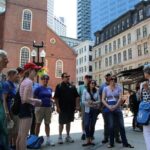
You’re paying for three things that matter in real life: (1) someone local choosing where to eat, (2) guided timing so you’re not hunting down lines and menus, and (3) a meal’s worth of tastings across multiple stops. With a max group size of 12, the experience tends to feel like a guided walk with breaks for eating, not a mass sprint.
If you like food that comes with context—why a place matters, how a dish became a local standard—this hits the spot. If you’re allergic to shellfish or strict about removing seafood entirely, read the next sections carefully.
You can also read our reviews of more food & drink experiences in Boston


Stop 1: Boston Public Market and the Donut-First Strategy
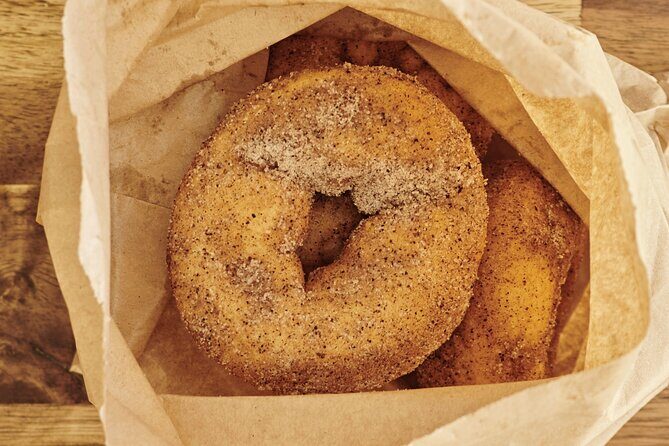
You begin at 98 Union St at Boston Public Market, where the plan is simple: start with something New England. You’ll taste apples in the form of an agricultural focus, and yes, apple cider donuts show up early so you have fuel for the walking ahead.
There’s also a second stall snack described as surprisingly old-school, with English roots and a 17th-century angle. That mix is part of the fun here: you get both a modern crowd-pleaser (donuts) and a weirdly specific historical bite that makes you look at ingredients differently.
Why this matters for your whole day: starting in a market sets you up to see Boston as a place that feeds itself. It’s not just restaurants and photos. It’s supply chains, traditions, and the local rhythm of buying and eating.
Practical heads-up: this stop is about tasting and refueling, not a long sit-down. Plan to be ready to move.
Stop 2: A Freedom Trail Walk That Actually Supports the Eating
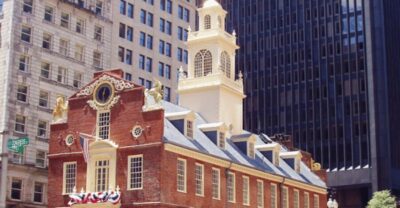
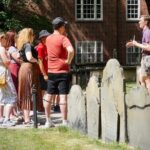
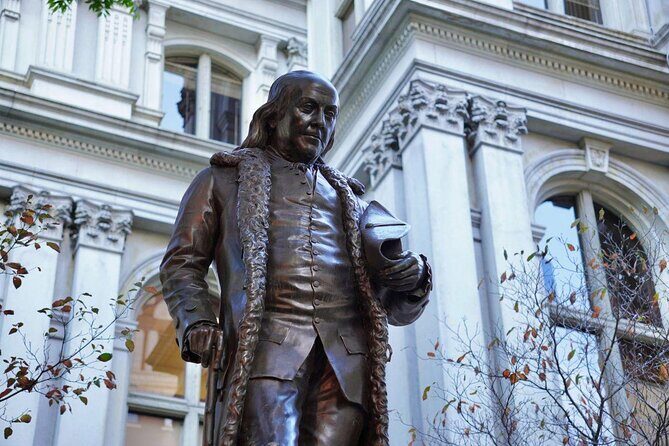
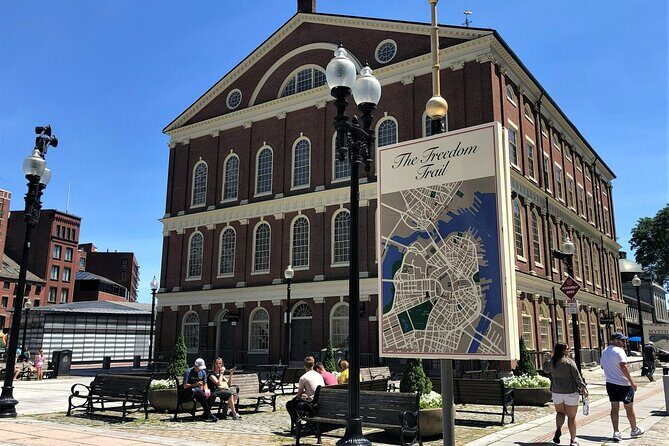
Next you head onto the Freedom Trail for a short stretch. You’re not getting a museum lecture. You’re getting the kind of walking history that’s meant to connect landmarks to the city you’re about to taste.
This matters because it keeps the tour from feeling like a random sequence of snacks. Boston’s food identity grew in specific neighborhoods and specific eras, and the guide’s job is to tie that together as you walk. You’ll also notice the tour keeps food coming again soon, so you’re not stuck in “history mode” for long.
If you want a pure food crawl with zero history, this is still food-forward—but it’s not totally history-free.
Stop 3: Union Oyster House, Clam Chowder, and Oysters Since 1826
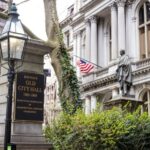
Then comes one of Boston’s most classic restaurant stops: Union Oyster House, operating since 1826 and described as the oldest continuously serving restaurant in the United States.
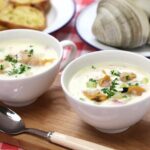
You’ll taste creamy clam chowder and oysters here, and there’s an extra layer of wow: the guide mentions a booth reserved for President John F. Kennedy. Even if you don’t care about presidential trivia, the point is that this is a place people return to, again and again. It’s not a themed set.
What you’re paying for at a stop like this isn’t only the food. It’s access to a storied institution while you’re guided through why the place became a default choice for locals and visitors.
Timing consideration: you’ll sit for tasting, but the tour still moves. If you like long meals, keep your expectations aligned with a walking tour format.
Stop 4: North End Stroll Where Italian Flavor Takes Over

From there, you move back into the North End area, with its strong Italian influence. This is the shift in mood you’ve been waiting for: less “New England seafood” and more “buttery comfort food,” coffee culture, and bakery energy.
The North End part is what makes the tour feel like Boston rather than generic sightseeing. You’re walking through real neighborhood space, not just passing photo backdrops.
You can also read our reviews of more tours and experiences in Boston

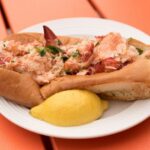
Stop 5: Pauli’s Lobster Roll, the Hot-and-Buttery Style
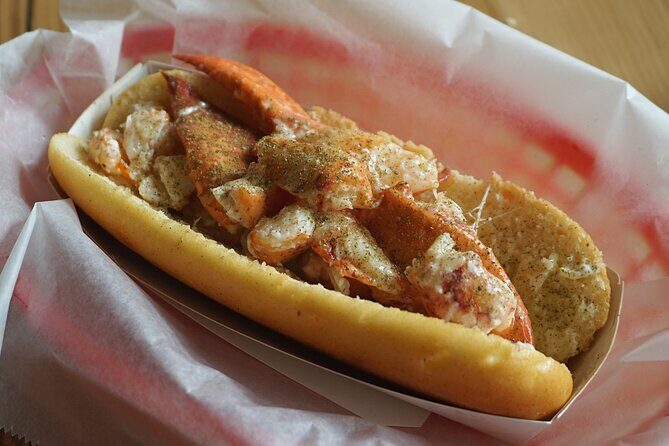
At Pauli’s, you’re aiming straight at the Boston symbol most people come for: the lobster roll.
This shop is described as a fourth-generation family-run favorite known for hot and buttery lobster rolls, and it’s been featured on Good Morning America. That kind of media attention can sometimes turn a place into a circus, but on a food tour it often works differently: you’re tasting quickly and moving on, so you’re not stuck in long waits.
Here’s what to expect from a lobster roll tasting in this format: it’s direct, iconic, and meant to be understood as a local style—not as a generic sandwich. If you’re the type who orders lobster rolls anywhere you see them, this is one of the best places to compare.
One note from real experience: a few reviews flagged that the order of tastings didn’t always match the expected flow, with lobster roll timing sometimes landing later than you’d want. You can’t control that, but you can control your expectations and arrive ready for a tour schedule that may flex a bit.
Stop 6: Polcari’s Coffee and the 1930s Neighborhood Vibe
Next up is Polcari’s Coffee, where the tone shifts into old-school neighborhood flavor. You’ll get a taste that connects to Boston’s Italian past, and the setting is described as a small, hole-in-the-wall coffee joint that goes back to the 1930s.
This is a smart stop because it stops the tour from being only seafood and sugar. Coffee is the bridge. It also helps reset your palate between savory bites and the final dessert.
If you tend to skip coffee shops on tours, don’t here. The tasting plus the story about the past is part of why this tour works.
Stop 7: Caffè Paradiso Cannoli Finish
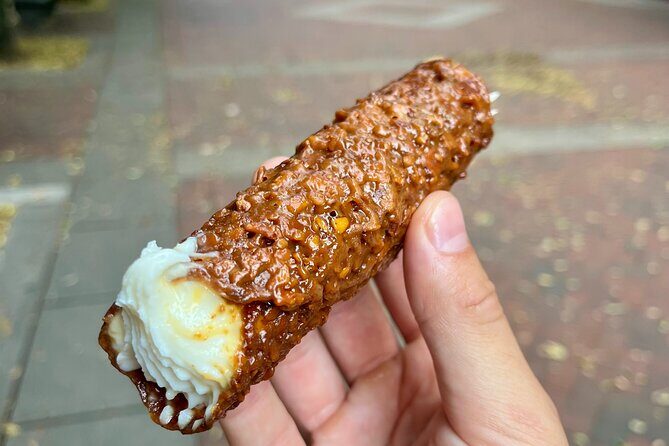
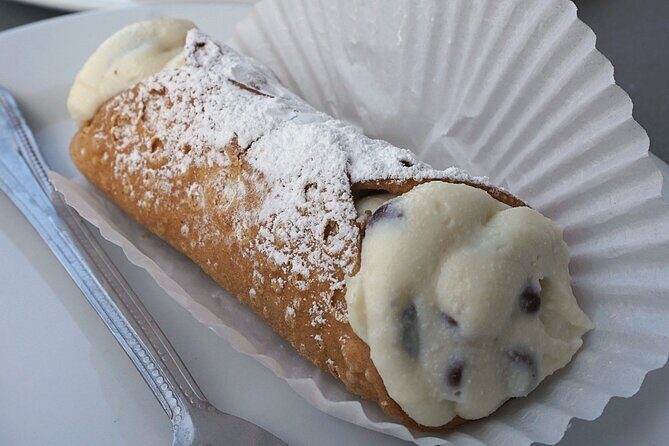
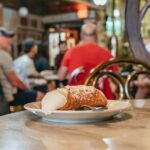
You wrap up at Caffè Paradiso, another family-run North End pastry favorite. The finale is a cannoli that’s described as melt-in-your-mouth.
This is where Boston tours win people over. The cannoli isn’t just dessert; it’s the end of a deliberate arc: market → history walk → seafood landmark → Italian neighborhood → pastry finish. By the time you reach the last stop, you’ve built a full “what Boston means in food” picture.
If you like dessert first, you might be annoyed by waiting. But if you like dessert that feels earned, this ending usually lands well.
How the Tastings Add Up (And Whether You’ll Actually Be Full)
The tour is designed around the idea that you’ll get at least eight bites, enough to act like a full lunch. The itinerary also notes multiple tasting stops and multiple tastes, which is exactly how you should judge these tours: not by one impressive dish, but by cumulative portions over time.
The seafood lineup is a big part of that promise. You should expect clam chowder, lobster roll, and additional seafood tasting such as crab cakes (the tour information explicitly calls those out as part of the fish-and-seafood selections). You also finish with Italian sweets like the cannoli, plus market treats like apple cider donuts.
Real talk: if you’re expecting one huge meal at one restaurant, this isn’t that. It’s multiple tastings. That’s a feature for most people—it spreads flavors out and keeps things interesting—but it also means you’ll want to eat breakfast lightly and plan for a slower appetite after the tour.
Price and Value: What $109 Buys You in Boston
At $109 per person, this isn’t a bargain snack walk. But you’re paying for a bundle.
Here’s the value logic that makes sense:
- You’re doing a short, guided route across major Boston food landmarks and neighborhoods.
- You’re getting multiple tastings that are more than a few bites.
- Several tastings are tied to iconic stops like Union Oyster House, where you’re also paying for the setting and history.
- Admission tickets are included at specific stops (at least for Boston Public Market and Union Oyster House).
For me, the biggest value driver is the “small group + expert guide” combo. When the group is capped at 12, the guide can actually manage pace, answer questions, and steer everyone through each stop without chaos. That’s harder to do when there are 20+ people.
If you’re traveling solo or as a couple, this price can feel steep until you add up what you’d likely spend trying to replicate it yourself—especially with the guided direction that saves time and reduces decision fatigue.
Guide Quality: Sarah, Debra, Elizabeth, and Carol’s Common Thread
The guide matters here. And the reviews give you clues about what “good” looks like on this specific tour.
People repeatedly praise guides including Sarah, Debra, Elizabeth, and Carol for being fun and energetic, and for combining food with location history in a way that actually feels useful. In multiple reviews, guides are described as personable and as adding context that makes the tastings more memorable—like connecting dish and place, rather than just handing you food and walking away.
That said, there’s a small minority of negative feedback that points to issues like meeting point confusion and a tour feel that bordered on a structured field trip. It doesn’t read like a widespread problem, but it’s a reminder that guide style varies. If you care a lot about interactive, lively conversation, choose your timing carefully and arrive on time.
Dietary Limits and Allergies: Know the Seafood Rules Up Front
This tour is not recommended for vegans, vegetarians, or gluten free based on the provided info.
It can be adaptable for pescatarians, dairy free, and pregnant women, but with an important caution: you may not have a replacement food option at every stop. Also, the tour info explicitly says that seafood tastings like lobster roll, clam chowder, and crab cakes do not have replacements in the case of an aversion or allergy.
So here’s the practical approach: if you have a food allergy or serious restriction, contact the tour ahead of time and ask what’s possible. On tour day, guests with serious food allergies need to sign an allergy waiver at the start.
If you’re gluten free, for example, the safest bet is to treat this as a no-go. If you’re mostly fine with seafood but lactose is an issue, then ask early and don’t assume every stop will swap neatly.
Meeting Point and Walking Pace: The Two Things That Can Make or Break It
This is a walking tour. You should plan on a moderate pace and being comfortable moving between stops.
It also has a clear meeting and end point: start at 98 Union St and end at 247 Hanover St, with no hotel pickup/drop-off. You’ll likely want to use public transit because it’s noted as near public transportation.
One real caution from feedback: there have been times when meeting point details didn’t match what some guests expected, sometimes due to a temporary change related to construction. That’s not something you can predict day-to-day. What you can do is simple: verify the meeting point instructions right before you leave your hotel and have your maps app ready.
If you’re worried about the walking load, pick shoes you can do laps in. This tour keeps moving, and you’ll feel it.
Who Should Book This North End Food Tour
Book it if:
- You want a short guided loop through Boston food hotspots.
- You like seafood and classic Boston comfort food like clam chowder and lobster roll.
- You enjoy history that’s tied to places, not just facts from a headset.
- You want a group size small enough to ask questions and still taste at a decent pace.
You might skip it if:
- You avoid seafood or need replacements for seafood tastings.
- You’re vegan, vegetarian, or gluten free.
- You have difficulty walking at a moderate pace.
Should You Book Devour Boston: North End Guided Food Tour & Market Visit?
If you’re the kind of traveler who wants to eat your way through Boston’s main identity—markets, iconic seafood, and the North End pastry finish—this tour is a strong choice. The food-to-history balance works because the route is built around tastings, not interruptions.
Before you book, do two quick checks:
- Make sure you’re comfortable with seafood being a core part of the plan.
- Plan for walking and arrive a bit early so you’re not stressed about the meeting point.
If those boxes fit your trip, this is one of those tours that can save you time and still leave you with real Boston flavors you can remember.
FAQ
What is the duration of the Devour Boston North End Guided Food Tour & Market Visit?
The tour lasts about 3 hours.
How many tastings will I get on the tour?
You can expect at least eight bites, with 5+ tasting stops and 6+ tastes.
Is the group size small?
Yes. The tour caps the group at 12 travelers.
Where do I meet the tour, and where does it end?
The meeting point is 98 Union St, Boston, MA 02108, and the tour ends at 247 Hanover St, Boston, MA 02113.
Does the tour include entry tickets?
Admission tickets are included for certain stops, including Boston Public Market and Union Oyster House.
Is the tour good for people with food allergies?
Guests with serious food allergies need to sign an allergy waiver at the start. If you have dietary restrictions, you should contact the company before joining, since some seafood tastings do not have replacements.
Is this tour suitable for vegans, vegetarians, or gluten free travelers?
The tour is not recommended for vegans, vegetarians, or gluten free travelers based on the provided info.
What foods are typically sampled?
You can expect seafood-focused tastings including clam chowder, lobster roll, and crab cakes, plus items like apple cider donuts and cannoli.
What is the cancellation policy?
Free cancellation is offered up to 24 hours in advance for a full refund.