REVIEW · BOSTON
City Cruises Boston Historic Sightseeing Harbor Cruise
Book on Viator →Operated by Boston Harbor City Cruises · Bookable on Viator
Boston Harbor tells stories fast. This 60-minute historic sightseeing cruise lines you up with the big landmarks of Boston’s inner and outer harbors, then backs it up with narration packed with Revolutionary War tales, sea legends, and named historical figures. You also get a front-row look at Boston’s working port as the boat moves through the Harbor Islands National Park area, with Boston Light as a standout stop.
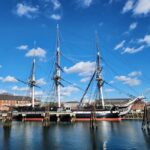
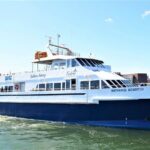
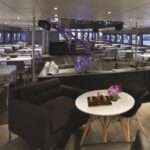
I love how close you get to the USS Constitution—America’s ship of state and the world’s oldest commissioned naval warship afloat—without needing a ticketed museum plan. I also love the practical layout: the upper deck is where you’ll want to be for skyline and waterfront views, while the indoor seating gives you a comfortable option if weather is ugly.
One consideration: sound and sightlines can vary. If you end up on the lower deck, some seats and windows may not be as easy for viewing, and the narration can be harder to hear over harbor noise—so pick your spot early and aim for clear angles.
In This Review
- Key highlights to know before you board
- A one-hour cruise that gives you a usable map of Boston’s waterfront
- Where you start: 1 Long Wharf and how to board without stress
- Choosing your seat: upper deck views and lower deck tradeoffs
- The route around Fort Independence and the Harbor Islands area
- USS Constitution, Old Ironsides: the stop that anchors the whole tour
- Bunker Hill context from the water
- Passing Boston’s revolutionary-era landmarks: tea, church signals, and more
- Boston Light on Little Brewster Island: America’s oldest continuously manned lighthouse
- Narration, humor, and hearing every story (sound varies)
- Indoor comfort and winter practicality
- Views and photos: what you’ll likely come home with
- Price and value: what $46 gets you in real terms
- Who should book this cruise?
- Should you book this Boston Historic Sightseeing Harbor Cruise?
- FAQ
- How long is the City Cruises Boston Historic Sightseeing Harbor Cruise?
- Where does the cruise start and where does it end?
- Is the tour narrated, and what language is it in?
- Do you get food or drinks included?
- What are some of the main sights you’ll see?
- When does boarding begin, and how early should I arrive?
- What happens if weather is poor?
Key highlights to know before you board
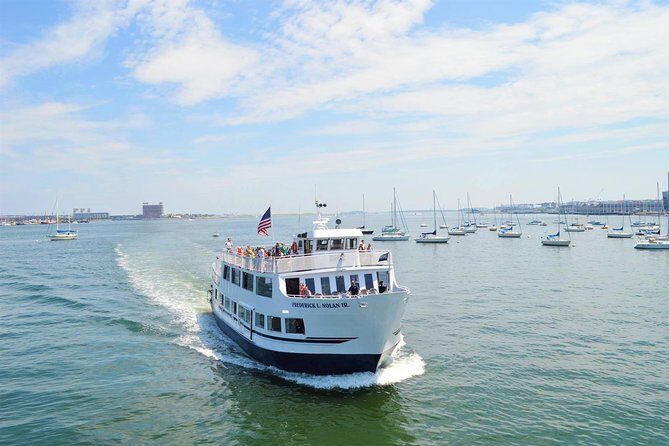
- USS Constitution up close (Old Ironsides) with context you can actually connect to the waterfront
- Boston Light on Little Brewster Island, America’s oldest continuously manned lighthouse
- A guided route through the Harbor Islands National Park area plus views of Boston’s working port
- Revolutionary War storytelling on the water, including the Paul Revere signal linked to Old North Church
- Views that work in all weather, since there’s indoor space plus outdoor deck time
A one-hour cruise that gives you a usable map of Boston’s waterfront
This is the kind of tour that helps your next day in Boston make sense. In about an hour, you’re moved along a route that shows how the city connects to the water—past military sites, historic landmarks, and working harbor activity. Even if you’ve never visited before, the narration ties what you see to why it mattered.
For the value, the math is simple. For about $46, you’re getting a guided loop with panoramic views, a named set of major sights, and a format that does not require you to coordinate trains, taxis, and separate attractions. The cruise also helps you understand distance and orientation. Boston is a city of neighborhoods, but the harbor is the big connector, and this route makes that obvious quickly.
It’s also a smart pick if you’re short on time. One hour is long enough for meaningful sightseeing and short enough that it won’t derail a tight itinerary. If you’re traveling with kids, it tends to work because you’re not stuck in one place—your attention stays on what’s passing by and why it matters.
You can also read our reviews of more boat tours in Boston
Where you start: 1 Long Wharf and how to board without stress
Your meeting point is 1 Long Wharf, and the cruise ends right back where you started. That round-trip setup is a big help. You don’t need to plan for transportation at the end, and you don’t lose your momentum.
Boarding begins 15 minutes before departure, and you should arrive early. The reason is practical: late arrivals can miss the boat. The good news is that the cruise includes a skip-the-ticket-booth approach, so you can head straight to the vessel. That can save you real time, especially when the waterfront is busy.
Also keep group size in mind. The maximum is 250 travelers, so it’s not a private boat. You’ll share the experience with other visitors, but it’s still small enough to feel like an organized outing rather than a massive floating crowd.
Choosing your seat: upper deck views and lower deck tradeoffs
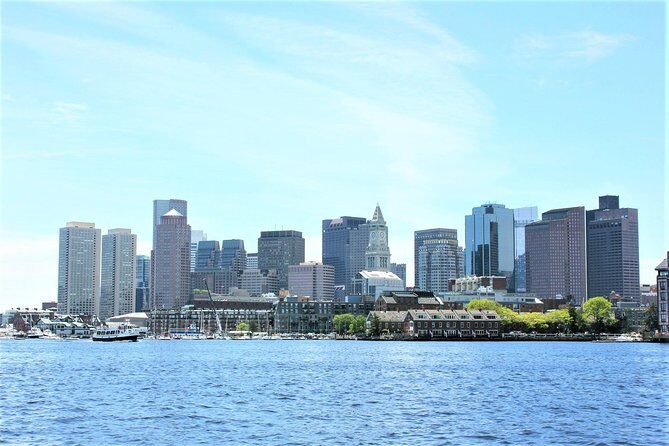
If your goal is photos and maximum sightlines, aim for the upper deck. The views are the point here—Boston’s skyline, the harbor edges, and the historic waterfront sights read best from the open air. Even better, you’re not forced into one weather scenario. The indoor area is there when conditions turn cold or wet, but you’ll still want at least some deck time if the sky clears.
Here’s the tradeoff. Some lower deck experiences can feel less comfortable for sightseeing, including window clarity. If you end up downstairs, you may also find the audio less clear. Harbor noise is constant, and you need the sound system to keep up to catch the narration.
A practical tip: if you want the best angles, try for the upper deck and consider the left side for views. That’s the sort of detail that changes how much you enjoy the route, even though the itinerary stays the same.
The route around Fort Independence and the Harbor Islands area
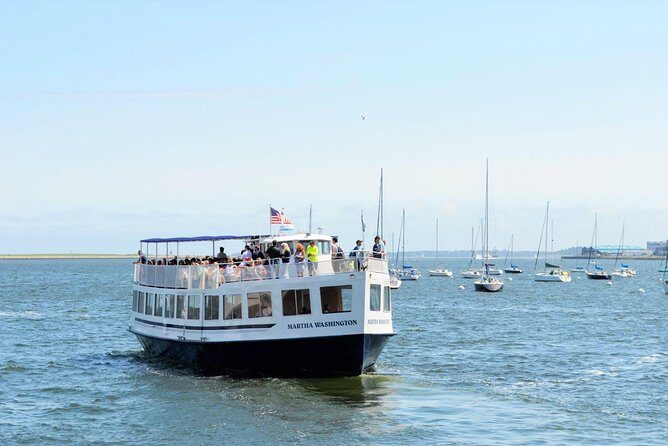
As the boat gets going, you move past Fort Independence. This is one of the key links between the harbor you see today and the military priorities that shaped Boston. Fort Independence has been used across multiple wars and eras, including the Civil War, World War I, and World War II. That multi-era use gives the narration a clear thread: the same strategic location kept getting repurposed.
As you continue, the cruise also passes through the Harbor Islands National Park area. This matters because it changes the feel of the scenery. Instead of only dense city edges, you get stretches that feel more open and natural, while still staying close to the working port. The water does the storytelling for you: you can see how Boston grew into its shoreline and how the harbor supports both industry and recreation.
There’s also a stop you’ll hear about that’s described simply as operating since 1923. Since the specific landmark isn’t identified here beyond that detail, I’d treat it as an extra historical bookmark along the way—one more piece of evidence that this harbor has been doing important work for a long time.
USS Constitution, Old Ironsides: the stop that anchors the whole tour
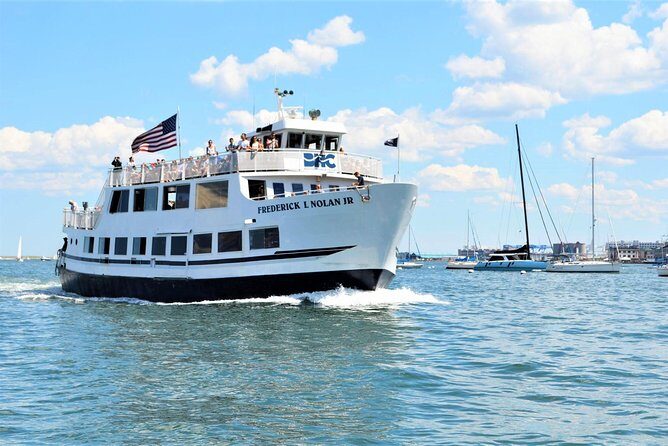
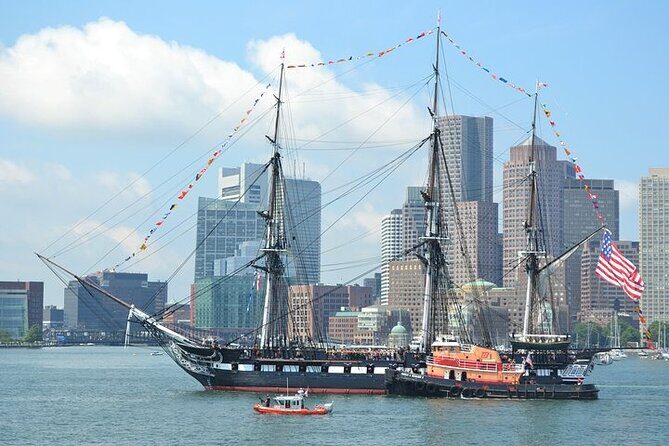
The USS Constitution stop is the core of the cruise for most people. The tour description calls it the world’s oldest commissioned naval warship afloat and America’s ship of state. In plain terms: this is the ship that turns abstract history into something you can actually see and picture.
The narration usually helps you connect what you’re looking at to why it mattered in its time. When you see the ship from the water at a closer vantage point, it becomes much easier to imagine the scale and seriousness of naval power. It also gives you a clear photo target, so your one-hour sail isn’t just about impressions.
If you’re history-minded, this is where your time pays off most. If you’re not, the ship still works because it’s visually distinctive and widely recognized. Either way, it’s the moment that makes the cruise feel like more than just a scenic loop.
You can also read our reviews of more city tours in Boston

Bunker Hill context from the water
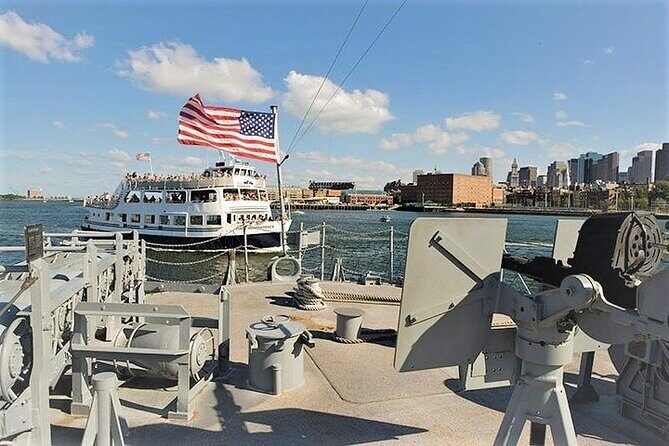
You’ll also pass by a landmark connected to the Battle of Bunker Hill. Even though you’re not walking the ground, the narration gives context that helps you place the battle in Boston’s geography. This is one of the strengths of a harbor cruise: it offers perspective on where fights and events unfolded relative to the water routes that people depended on.
The drawback here is the nature of any sightseeing cruise. You won’t get museum-depth interpretation in 60 minutes. But you do get enough context to make a later visit to more detailed sites feel less random. Think of this stop as a primer, not the final chapter.
Passing Boston’s revolutionary-era landmarks: tea, church signals, and more
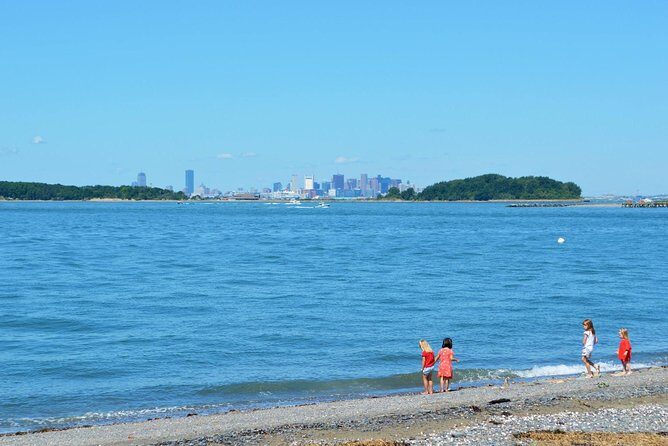
The cruise route includes views associated with major Revolutionary-era references, including Boston Tea Party ships that are described as authentically restored, as well as the floating Boston Museum. From the harbor, these stopovers and passes don’t feel like a lecture—you get the visuals, then you get the story.
Old North Church is another highlight mentioned in the tour description. That’s the place tied to the famous message of one if by land, and two if by sea, said to have been sent by Paul Revere back in 1775. What’s useful for you is the way a boat trip helps connect history to movement. Messages, ships, routes—everything in that era depended on the geography of the water.
Here’s a practical angle: if you like to plan the rest of your Boston trip based on what you see, this kind of overview is valuable. You’ll likely leave with a short list of sites you want to revisit on foot later, because you’ll know what to look for and why it matters.
Boston Light on Little Brewster Island: America’s oldest continuously manned lighthouse
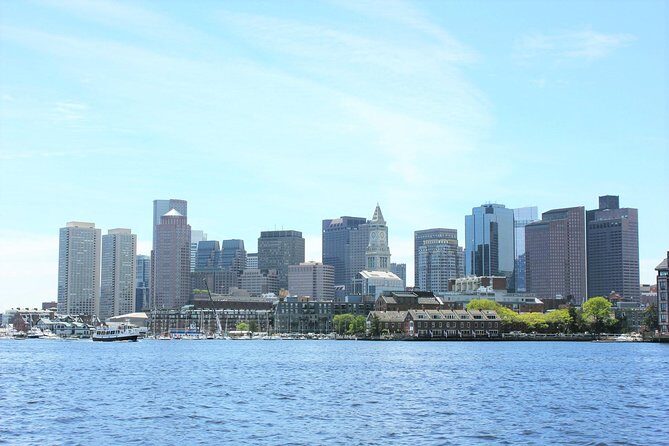
Boston Light is the outer-harbor “wow” factor. The cruise passes by Boston Light, located on Little Brewster Island, and it’s described as the first light station established on the North American continent. The tour also notes it as America’s oldest continuously manned lighthouse.
Why this matters from a visitor perspective: a lighthouse is more than a postcard. It represents safety, navigation, and the long relationship between ships and the harbor. When the boat glides past from the water, you’re not just seeing a building—you’re seeing the tool that helped vessels move through dangerous coastal conditions.
If you want sharp photos, give yourself time. Lighthouses can look best when you catch the right angle from the deck. That’s another reason to prioritize upper deck positioning when you can.
Narration, humor, and hearing every story (sound varies)
The narration is one of the strongest parts of the experience. Many people mention that the tour guide is engaging and funny, and the stories help turn locations into something you can remember. Guides named in the experience include Mike, Kevin, Holly, and Jeff, and the common thread is that the delivery sticks.
You’ll also want to think about how sound reaches you. Harbor noise is real, and the sound system can be hit-or-miss depending on where you sit. If you’re on the lower level, you might find it tough to catch every word—especially when wind and waves add extra noise.
My practical advice: if your main goal is the stories, not just the scenery, choose a spot where you can hear. Upper deck is often the better bet. Bring a bit of patience for windy days, and consider that the guide’s job is to keep the group moving through information, not to run a studio-quality podcast.
Indoor comfort and winter practicality
One of the more useful things about this cruise is that it isn’t tied to perfect weather. The indoor area can make the trip comfortable in winter, and the outdoor space is still available when conditions allow. People even describe it as a functional setup for drinks and snacks.
What this means for you: you can still enjoy the core sights even when Boston’s weather tries to mess with your plans. It’s an easy “do something real” option on days when walking around feels unpleasant.
The one catch is that indoor comfort might reduce your window views, depending on the clarity and condition of what’s between you and the harbor. If you care about photos, you might still want to rotate—step outside when you can, then retreat back inside when needed.
Views and photos: what you’ll likely come home with
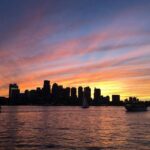
Expect panoramic skyline and waterfront views as the boat moves through the route. The skyline moments tend to land best on the open deck. The USS Constitution stop gives you a clear photo subject. Boston Light offers a more dramatic outer-harbor angle.
Also watch for the working port. Even if you’re not focused on ships, the activity adds energy to the scenery. Boston isn’t a silent postcard here—it’s a working city, and the harbor shows you that in motion.
If you’re the type who likes a clean shot, pick your deck spot early, then stay there. Constant repositioning can waste the best moments.
Price and value: what $46 gets you in real terms
At $46 per person, you’re paying for three things: time, guidance, and views. The time is short enough to fit most schedules. The guidance helps you understand what you’re seeing without needing to study maps all morning. And the views come from being on the water, not just looking at the harbor from land.
This is also a strong option when the alternative is cobbling together multiple attraction tickets. You’re not replacing a full museum day, but you are getting a structured harbor overview that can reduce guesswork for the rest of your trip.
The value question comes down to your priorities. If you want a peaceful scenic cruise with minimal talking, you might not love a narrated format. If you like history, place names, and quick context, the price feels fair because you’ll leave with more than just photos.
Who should book this cruise?
This is a good fit for:
- First-time visitors who want a fast harbor orientation
- People who like Revolutionary War and Boston place-based storytelling
- Travelers who want views from the water without committing to a full-day sightseeing plan
- Families who want a low-effort outing with clear landmarks along the route
- Solo travelers who want an organized activity with minimal logistics
It may be less ideal if:
- You’re sensitive to audio clarity issues and plan to sit lower in the boat
- You expect perfect, brand-new seating and spotless windows in every area
- You want a long, deep dive at each stop (this is one hour, so it’s a sampler)
Should you book this Boston Historic Sightseeing Harbor Cruise?
I’d book it if you want a fast, structured way to connect Boston’s waterfront to the stories people tell about the city. The USS Constitution and Boston Light are real anchors, and the narration style—often funny and engaging—makes the route feel more like guided sightseeing than random sightseeing.
I would choose your seating with intention. If you care about hearing the guide clearly and getting the best photos, prioritize the upper deck. If weather is rough, don’t skip it—use the indoor space, then step out when you can.
One last practical note: it’s a popular one-hour option with a large maximum capacity, so early arrival matters. If you show up on time and pick a good viewing spot, this cruise is a solid value way to learn the city’s harbor in less than two hours door-to-door.
FAQ
How long is the City Cruises Boston Historic Sightseeing Harbor Cruise?
It’s about 60 minutes.
Where does the cruise start and where does it end?
The cruise starts at 1 Long Wharf, Boston, MA 02110, USA, and it ends back at the same meeting point.
Is the tour narrated, and what language is it in?
Yes. It includes a narrated tour in English.
Do you get food or drinks included?
No food is included, but drinks and snacks are available for purchase.
What are some of the main sights you’ll see?
You’ll pass or view the USS Constitution, authentically restored Boston Tea Party ships, the floating Boston Museum, Old North Church references, the Battle of Bunker Hill reference, and Boston Light on Little Brewster Island.
When does boarding begin, and how early should I arrive?
Boarding begins 15 minutes before departure. You should arrive early because late arrivals may miss the boat.
What happens if weather is poor?
This experience requires good weather. If it’s canceled due to poor weather, you’ll be offered a different date or a full refund.