REVIEW · BOSTON
Sushi Making Class at a Local Distillery in Boston
Book on Viator →Operated by Classpop! · Bookable on Viator
Roll your own sushi, no experience required. At Short Path Distillery in Everett, this Boston sushi making class mixes hands-on cooking with a lively distillery vibe. I like that you get step-by-step chef attention while learning both uramaki (inside-out rolls) and temaki (hand rolls).
I also like the pacing: you start with comforting miso soup and then move quickly into rolling so you’re actually eating your work within the same session. One consideration: drinks are not included, so if you plan on using the spirits/beer/wine bar, budget extra.
In This Review
- Key Highlights at a Glance
- Sushi Meets Spirits at Short Path Distillery in Everett
- The 2-Hour Flow: From Miso Soup to Two Roll Styles
- The Sushi Skills You’ll Actually Use at Home
- What You’ll Eat: A Full Meal You Create
- Chef Harold’s Role: Fun, Professional, and Focused
- Price and Value: Why $75 Can Be a Good Deal
- Logistics That Actually Matter: Timing, Tickets, and Getting There
- Who Should Book This Boston Sushi Making Class?
- Should You Book It or Pass?
- FAQ
- Where does the sushi making class take place?
- How long is the experience?
- What’s included in the price?
- Do drinks cost extra?
- What sushi styles will I learn?
- Is this class good for dietary needs or beginners?
Key Highlights at a Glance
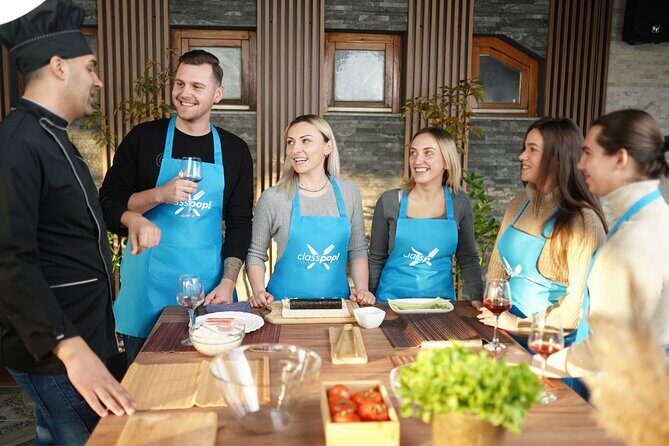
- Chef Harold’s instruction keeps things friendly and practical, even if you’ve never rolled sushi before
- Miso soup + sushi rice fundamentals give you a base you can recreate later
- Two formats in 2 hours: uramaki (inside-out rolls) and temaki (hand rolls)
- You eat what you make, with choices like spicy tuna, shrimp tempura, and sweet potato
- Distillery setting means craft spirits are there, but drinks are paid separately
Sushi Meets Spirits at Short Path Distillery in Everett
This is a sushi making class in the Boston area that uses a fun twist on the usual kitchen studio. You’ll meet at Short Path Distillery, 71 Kelvin St, Everett, for a 7:00 pm start. The whole experience is built to feel social and relaxed, not stiff or classroom-y.
You’re also not showing up to an empty room. The distillery environment brings a casual energy, and you can pair your rolling session with craft drinks from the venue bar (more on that later). If you like the idea of combining food skills with a real local place, this is the kind of class that fits.
Group size is kept to a maximum of 25 people, which matters more than it sounds. You get enough people for conversation, but you’re not lost in a giant crowd where the chef can’t see what you’re doing.
You can also read our reviews of more tours and experiences in Boston

The 2-Hour Flow: From Miso Soup to Two Roll Styles
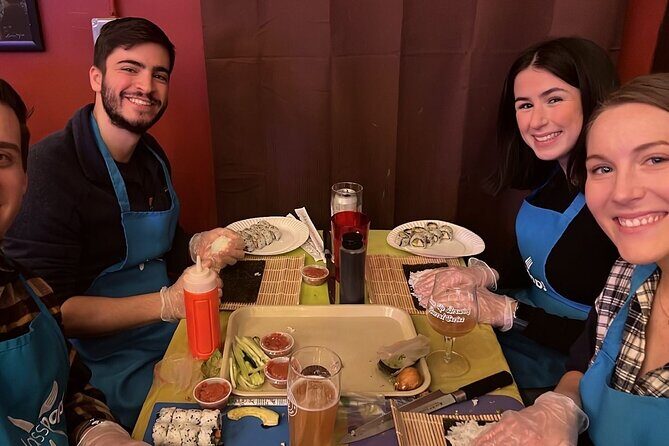
The class runs about two hours, and it ends back at the meeting point. That time frame is a big reason this works for beginners. You get a full “learn, make, eat” loop without it dragging on.
You’ll start by prepping a comforting bowl of miso soup. The ingredients are straightforward: miso paste, dashi, and wakame seaweed. Even if you’re here for sushi, starting with miso helps you feel grounded. It’s also a good way to get comfortable with flavors and timing before handling rice and nori.
Next comes the core skill set: sushi rice fundamentals. Sushi rice can make or break the final roll, and this class is built around getting the basics right. Expect guidance on how the rice should feel and how to work with it so it doesn’t turn into a sticky mess.
Then you move into two essential sushi styles:
- Uramaki (inside-out rolls), where the rice is on the outside and you learn how to keep everything tidy
- Temaki (hand rolls), where the shape is formed by hand and filled in a more forgiving, flexible way
If you’re brand-new, temaki is often the easiest win because it doesn’t require the same level of tight rolling as a maki-style roll. Uramaki is the “I can’t believe I just did that” moment.
The Sushi Skills You’ll Actually Use at Home
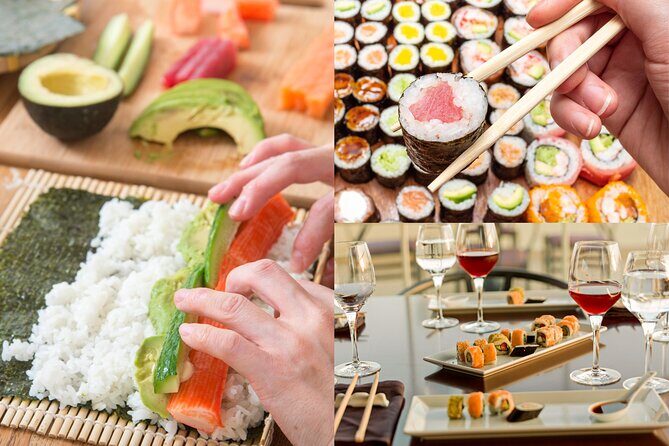
A lot of cooking classes give you the history of a dish and send you home with vague advice. This one aims at the practical parts you’ll use again. The best payoff is the focus on technique: rice handling, assembly, and how to get consistent results.
The teaching style matters here. Chef Harold is described as upbeat, and the class is set up so you can learn without fear. That shows in the way instruction is paced for both beginners and more experienced cooks—you can pick up basics like a first-time roll, or tighten your form if you’ve made sushi before.
You also get the kind of “small” tips that change results. The class includes expert instruction and chef secrets you’ll use daily, not just during the session. And you get recipes so you can recreate what you made at home.
One detail that’s worth your attention: this class is hands-on, but it doesn’t turn into chaos. You’re shown what to do, then you do it. The goal is to build confidence fast—get your bearings fast, then keep moving.
And yes, there’s a home-cook takeaway beyond the food. If you’re the type who always wants to replicate restaurant flavor, this is the sort of structured learning that makes that possible.
What You’ll Eat: A Full Meal You Create
This isn’t just a demo where you watch and snack. You eat the sushi you make with your classmates. That matters because sushi is one of those foods where technique shows up immediately in taste and texture.
The meal starts with what you cooked:
- Starter: Miso Soup with miso paste, dashi, and wakame
Then you’ll work toward the main hand rolls and roll fillings, including:
- Shrimp Tempura Hand Roll (shrimp, nori, sushi rice)
- Sweet Potato Hand Roll (sweet potato, nori, sushi rice)
- Spicy Tuna Roll (tuna, sushi rice, nori)
Portions feel generous. Some people also note there’s usually extra you can take away if you make more than you finish. If that sounds like your style, plan to treat the rest like lunch tomorrow.
And if you’re thinking about variety: the menu mixes comfort and contrast. You get a warm, savory starter. Then you get crunchy-and-satisfying shrimp tempura. Then you get a sweet option (sweet potato) and a heat-forward option (spicy tuna). It’s a smart spread for mixed groups.
Chef Harold’s Role: Fun, Professional, and Focused
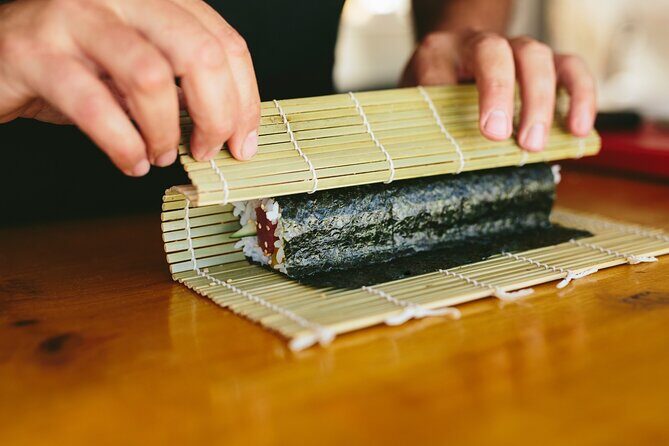
Chef Harold is the star here, and the class is built around his teaching energy. The vibe is described as lighthearted, and instruction is clearly structured so you don’t spend the whole night guessing.
What I like about this teaching setup is how it addresses the moment most beginners dread: the first time you handle rice and nori. With the chef guiding you, you’re not stuck trying to figure out how to keep rice from sticking everywhere or how to get the roll to hold its shape.
There’s also a social element. Chef Harold takes time to connect with the group before things get serious with the rolling. That personal touch helps the room feel friendly—especially for people coming solo or as a couple.
Finally, you get plenty of attention from a professional chef teacher. That matters because sushi is detail work. Even small issues—too much filling, uneven rice, or a sloppy wrap—show up fast. When you’re not left alone at the cutting board, you learn faster.






Price and Value: Why $75 Can Be a Good Deal
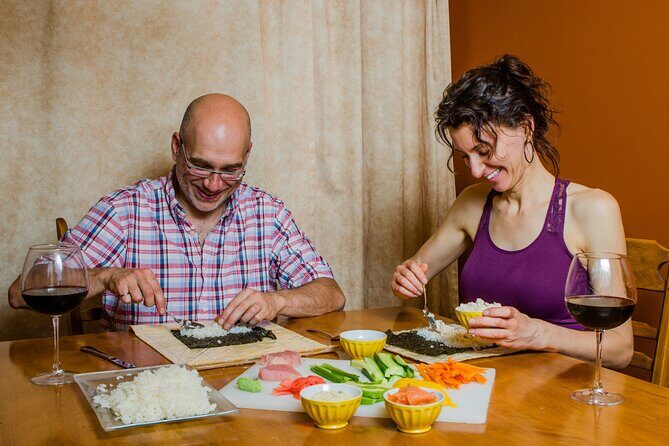
At $75 per person, you’re paying for a guided, hands-on meal in a real venue—not just ingredients. You also get all ingredients and cooking tools provided, which is part of the value math most people miss. By the time you factor in rice, nori, fillings, condiments, and the equipment needed for rolling, the cost makes more sense.
You’re also getting more than one outcome. You leave with:
- real technique (rice fundamentals + two sushi styles)
- a full meal you cooked
- recipes to make it again later
If you’re comparing this to a “buy dinner and watch a chef” evening, this class is the better deal because you actively produce the food. The cost feels even more reasonable for couples and small friend groups, since you split the experience across people rather than paying for multiple separate outings.
The main extra cost to plan for is drinks. The venue bar has options for purchase, with prices that range from about $3 to $20. So if craft spirits or cocktails are part of your plan, treat that as an add-on.
Logistics That Actually Matter: Timing, Tickets, and Getting There
Start time is 7:00 pm, with the meeting at Short Path Distillery. The tour runs about two hours, and you’re back where you started at the end. Since this is in Everett, don’t assume it’s a quick walk from every Boston stop—use transit or rideshare planning like it’s a normal evening plan.
You’ll get a mobile ticket, and the venue is near public transportation. Confirmation is provided within 48 hours, depending on availability, so if you’re booking close to the date, keep an eye on that message.
Also note the class supports dietary needs. They ask you to let them know in advance so they can tailor the experience as best they can. That’s a real benefit if you’re watching specific restrictions.
Good weather matters. If weather gets bad, the experience may be canceled and rescheduled or refunded. For a summer or early fall trip, that’s usually not a big worry, but it’s still worth planning like you would for any outdoor-adjacent activity.
Who Should Book This Boston Sushi Making Class?
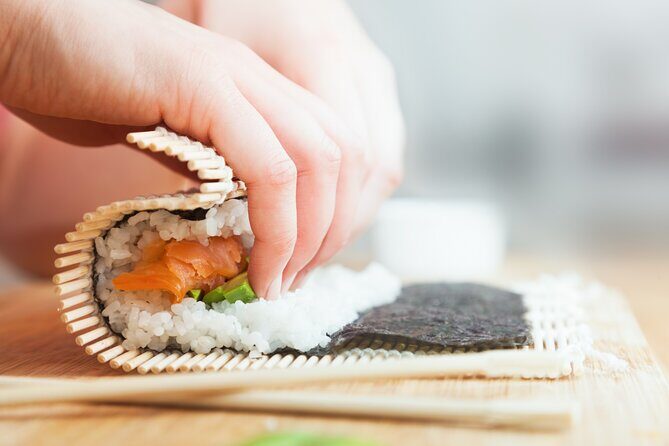
This class is a strong fit if you want:
- a fun social activity that still teaches real technique
- a beginner-friendly way to learn sushi without feeling judged
- a date night with actual output, not just atmosphere
It’s also great for people who cook at home sometimes but want structure. Learning how to handle sushi rice and assemble rolls correctly is the part many home cooks never get “right” without help.
Where it may not be the best choice is if you’re looking for a long, in-depth cooking day. This is two hours, so you’re not becoming a sushi master by osmosis. You’re learning enough to make solid rolls and build confidence for the next attempt.
And if you’re counting on drinks being included, adjust expectations. The bar is available, but you’ll pay as you go.
Should You Book It or Pass?
I’d book this Boston sushi making class if you want a hands-on meal, a friendly chef, and a real chance to learn uramak(i) and temaki basics you can repeat at home. The value is strongest when you treat it as a skill-builder—especially if you’re excited to make spicy tuna and tempura hand rolls, then actually eat them right away.
I’d pause if you’re tight on budget and plan to order drinks, since those costs add up quickly. Also, if you dislike the idea of craft-bar pricing, pick a non-drinking plan and enjoy the class food only.
If your goal is a practical, social food experience at a local distillery with a chef who teaches clearly, this is a very reasonable bet for your Boston-area evening.
FAQ
Where does the sushi making class take place?
The class starts at Short Path Distillery, 71 Kelvin St, Everett, MA 02149, and it ends back at the same meeting point.
How long is the experience?
It lasts about 2 hours (approx.).
What’s included in the price?
The price includes a hands-on sushi making class, all ingredients and cooking tools, expert instruction, and a full meal you cook yourself.
Do drinks cost extra?
Yes. Drinks are available for purchase at the venue bar, with prices that range from about $3 to $20.
What sushi styles will I learn?
You’ll learn uramak(i) (inside-out rolls) and temaki (hand rolls), plus you’ll start with miso soup and sushi rice fundamentals.
Is this class good for dietary needs or beginners?
The class is designed to be friendly for beginners and experienced cooks. It’s also meant to accommodate different dietary needs—just let the provider know in advance so they can tailor the experience as best they can.