REVIEW · BOSTON
Boston: Old State House/Old South Meeting House Museum Combo
Book on GetYourGuide →Operated by Revolutionary Spaces · Bookable on GetYourGuide
Boston can feel like a puzzle of stone and dates, until you walk into Old State House and Old South Meeting House and everything clicks. I love the way these two buildings connect the story from royal power to public protest, and I also like how easy it is to visit both with one admission. The main thing to watch is that the Old State House is currently not accessible, with lots of stairs.
This combo is smart if you want real context, not just plaques. You’ll be in the heart of downtown Boston, right on the Freedom Trail area, and the sites are only a short walk apart. In practice, that means you can take your time in one museum, then cross over to the other without losing your day.
Key Takeaways Before You Go
- One ticket, two icons: visit Old State House and Old South Meeting House for one price.
- History told through place: you’ll see how government and protest played out in the same neighborhood.
- Pick your order: enter at either address during open hours and go in any sequence.
- Good staff and interpretive talks: exhibits plus gallery talks and educational programs help the story stick.
- Accessibility note: Old South is wheelchair accessible; Old State House has many stairs.
- No-frills rules: no food, luggage/large bags, or sharp objects inside.
In This Review
- Two Historic Buildings, One Ticket on the Freedom Trail
- Old State House: Royal Government, Boston Massacre, and the Center of Power
- What you’ll likely notice inside
- A real consideration: stairs and access
- Old South Meeting House: Tea Party Meetings and Public Protest in Action
- Why this stop hits harder than you expect
- Accessibility is much better here
- How the Combo Works: Visit in Any Order, Then Let the Story Flow
- A sensible way to plan your day
- What to expect from programming
- Price and Value: What $15 Buys You in Boston
- Who gets the best value?
- Tickets, Entry Rules, and Practical Stuff That Can Save Your Day
- Entering and visiting
- Things you can’t bring
- Discounts and When Kids Get Free Admission
- Accessibility: A Clear Plan for Step-Free Touring
- Who This Combo Is Best For (and Who Should Skip It)
- Should You Book the Old State House and Old South Combo?
- FAQ
- Where can I enter with this ticket?
- How far apart are the two attractions?
- How much does the combo cost?
- How long is the ticket valid?
- What are the opening hours?
- Is the Old State House wheelchair accessible?
- Are there any items I can’t bring inside?
Two Historic Buildings, One Ticket on the Freedom Trail
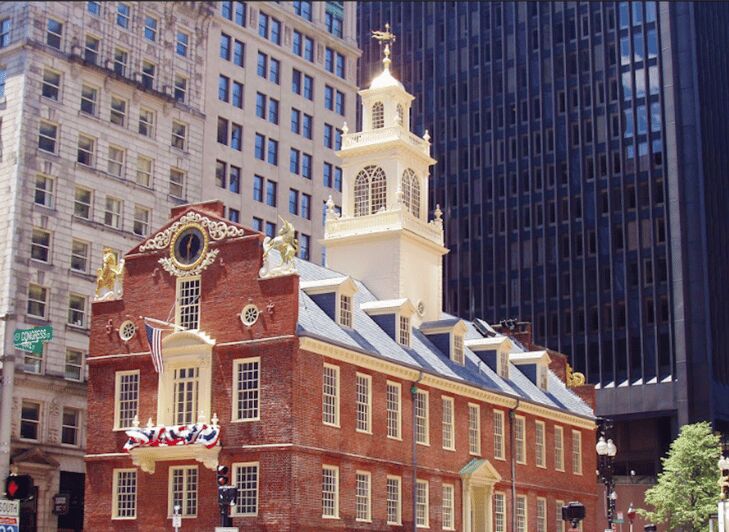
This is one of those Boston stops that feels compact, but it isn’t shallow. For about $15 per person, you get admission to two major Revolutionary-era buildings—both tied to big ideas like self-government, public speech, and civic participation. It’s the kind of ticket that rewards a focused visit: you’re not hopping across the city, and you’re not paying twice for what are essentially two chapters of the same story.
What makes this combo especially appealing is the relationship between the buildings. The Old State House (built 1713) was the hub of royal government in the Massachusetts Bay colony. The Old South Meeting House (built 1729) became the largest meeting space in colonial Boston and a central place for mass gatherings tied to the Boston Tea Party and the push toward revolution.
So instead of treating each site like a standalone museum, you get a clearer arc: how authority worked, how people organized, and why public meetings mattered.
Old State House: Royal Government, Boston Massacre, and the Center of Power

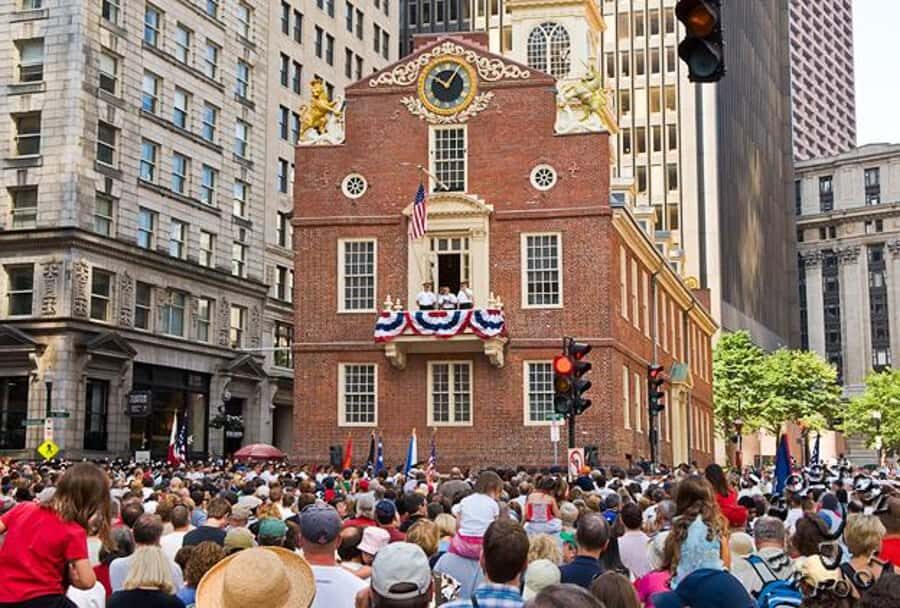
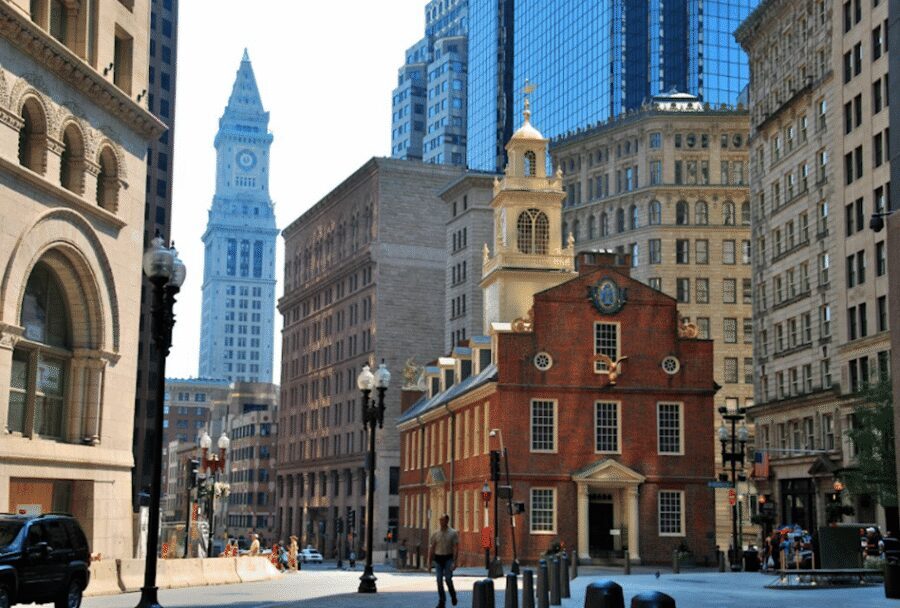
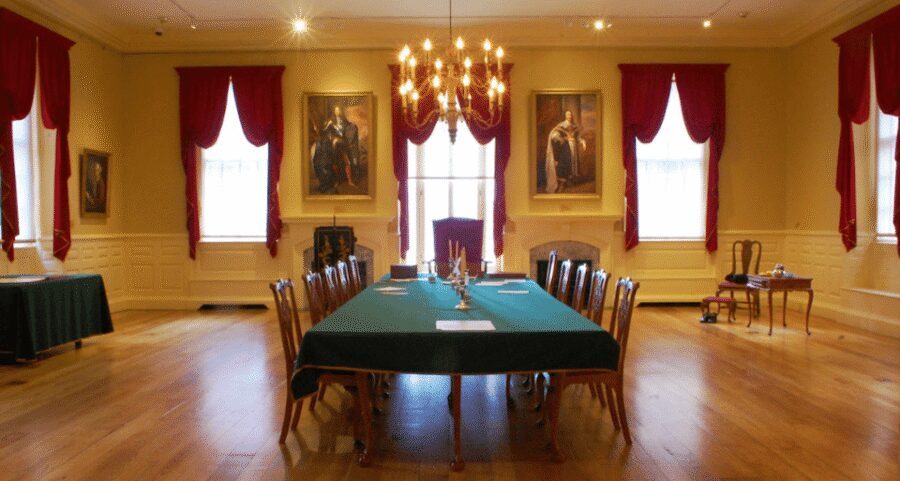
The Old State House is where you start if you want to understand the system people were challenging. Built in 1713, it functioned as the center of royal government in the Massachusetts Bay colony. That’s not just trivia—it changes how you read everything you see. The building’s role makes it easier to grasp how power was displayed, controlled, and contested.
This site is also tied to some of the Revolution’s most dramatic moments, including the Boston Massacre. You don’t just get the event as a date. You get the sense of location: where authority sat, where tension grew, and how the public would have understood what was happening around them.
You can also read our reviews of more museum experiences in Boston



What you’ll likely notice inside
Expect exhibits and gallery content that connect the building to civic life and conflict. Even if you’re not a hardcore history person, it tends to click because the building itself gives you cues. You can keep asking simple questions while you walk:
- Who had power here?
- What did ordinary people do when they disagreed?
- How does a government look when you’re inside it—or outside it?
A real consideration: stairs and access
The Old State House is currently not accessible and there are many stairs. If you’re traveling with mobility needs, plan on making Old South Meeting House your main accessible stop, and approach the Old State House knowing you may not be able to reach all areas.
Old South Meeting House: Tea Party Meetings and Public Protest in Action

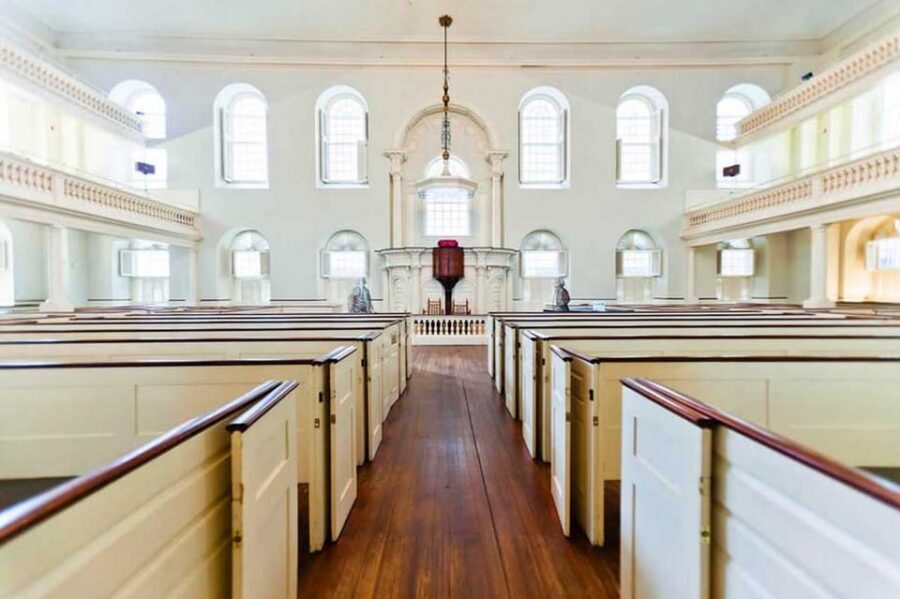
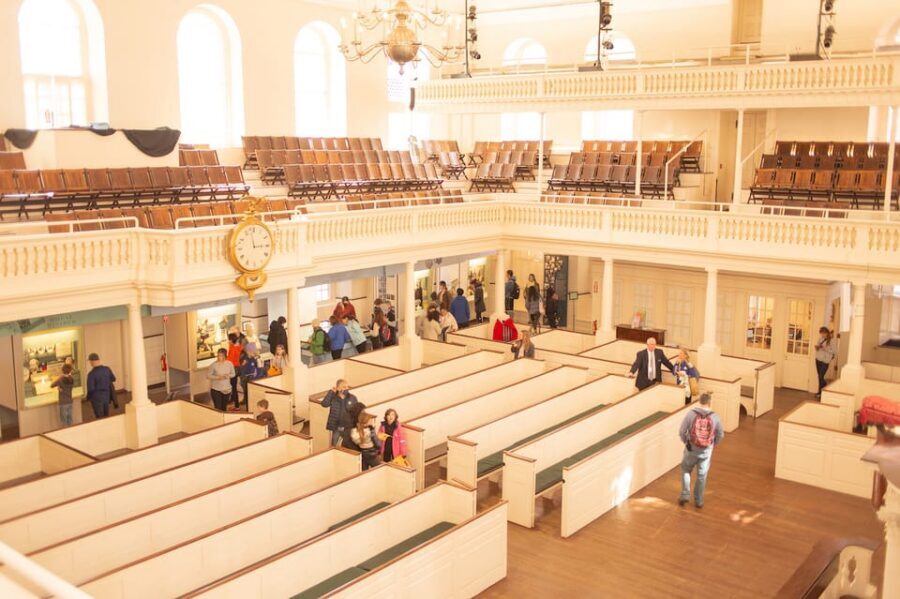
If Old State House helps you understand authority, Old South helps you understand response. Built in 1729, it was the largest building in colonial Boston, designed for gatherings on a scale ordinary people could actually share. That matters because the Boston Tea Party wasn’t only about a single action—it was about momentum built through collective meetings.
This is the meeting point to the Boston Tea Party story. It also connects to the American Revolution through those stirring mass meetings that helped turn anger into organized public action. That’s why the building feels different even before you start reading: you’re walking into a place made for crowds and collective decisions.
Why this stop hits harder than you expect
Public meetings can sound abstract on a map. In a building like this, they become tangible. You start to see civic engagement as a physical activity: people showing up, listening, speaking, and deciding what to do next. The museum experience is framed around urgent questions like free speech and self-government, which is exactly where this building makes sense.






Accessibility is much better here
Old South Meeting House is wheelchair accessible, with elevator access to restrooms and the Museum Store on the lower level. If you need step-free access, this is your best bet for moving through comfortably.
How the Combo Works: Visit in Any Order, Then Let the Story Flow

One of the best parts of this experience is how flexible the ticket is. You can enter at either site during open hours—Old State House (206 Washington St.) or Old South Meeting House (310 Washington St.)—and you can visit them in any order. In other words, you’re not locked into a schedule.
They’re also close enough to make the combo feel effortless. The two attractions are only about a three-minute walk apart. That’s a huge practical benefit in downtown Boston, where time and walking stamina can disappear fast.
A sensible way to plan your day
Since the two buildings naturally form a cause-and-effect story, I’d plan like this:
- If you want the clearest storyline, start with Old State House to understand how power operated.
- Then head to Old South to see how people organized through mass meetings.
If accessibility is a factor, you can reverse the order and start at Old South Meeting House so you can get your step-free museum time first, then decide what you can do at Old State House.
What to expect from programming
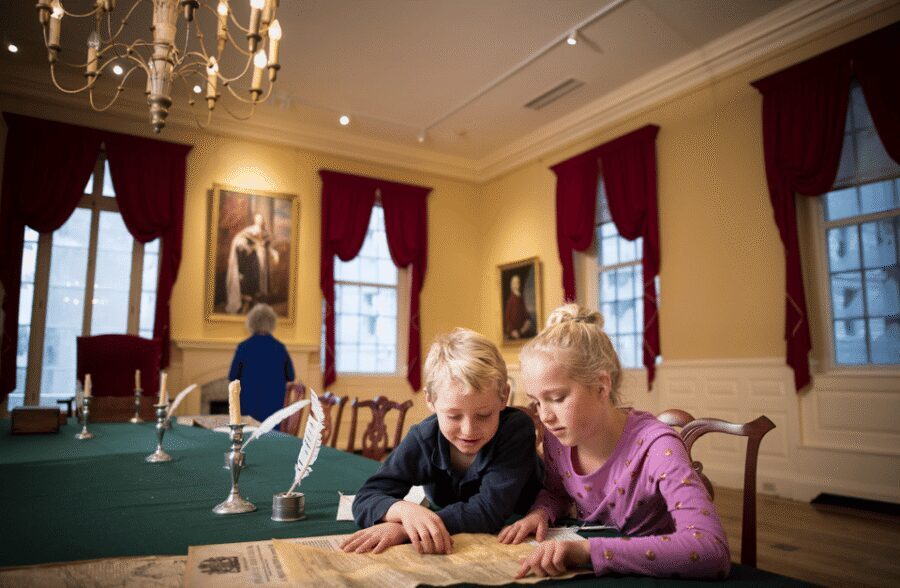
The museums include exhibits and gallery talks, plus educational offerings and public programs. That’s useful because the story doesn’t rely only on reading. If you catch a talk while you’re there, you’ll likely get the kind of explanation that makes names and dates feel less random.
Price and Value: What $15 Buys You in Boston
At $15 per person, the value is tied to two things: you’re paying once for both major sites, and they’re connected geographically and thematically. If you tried to recreate this as two separate museum tickets, you’d spend more for a similar end result—especially in a city where pricing can jump quickly.
You’re also buying time flexibility. The ticket is valid 1 day, so you can pick the entry window that fits your day. Both attractions are open daily between 10 AM and 5 PM, but there can be periodic closures around holidays or special events. It’s worth checking the current schedule before you commit, especially if you’re visiting near a busy holiday period.
Who gets the best value?
This is a great match if you:
- want Revolutionary-era Boston without doing a full guided tour schedule
- enjoy walking the Freedom Trail area in a focused way
- like museum storytelling tied to specific places (not just general history)
If you only want one museum stop and hate walking even a few minutes, you might feel like you’re paying for two places you won’t fully explore. But if you’re the type who likes to actually look around—this is a strong deal.
Tickets, Entry Rules, and Practical Stuff That Can Save Your Day
The ticket setup is designed for easy use. You can reserve and keep plans flexible with a reserve-and-pay-later option. Cancellation is offered up to 24 hours in advance for a full refund, which helps if your Boston schedule changes.
Entering and visiting
You’re not required to “meet” at a bus-like starting location. You can enter at either museum during open hours, then finish back where you started (or at least wrap up without a required separate ending location). That works well with independent touring.
Things you can’t bring
Inside, plan around the rules: no food and drinks, no luggage or large bags, and no weapons or sharp objects, plus no smoking. If you’re carrying a small day bag, keep it minimal so you’re not stuck sorting things out at the entrance.
Discounts and When Kids Get Free Admission
A big perk is the free admission window for families. From 2/17/25 through 2/23/25, children ages 12 and under get free admission. If you’re traveling with kids and your dates match that week, it can be a meaningful savings.
There are also free-admission pathways for other groups, including Active US Military (including free admission for up to five guests), Veterans (Blue Star Museums), Massachusetts Teachers, and Electronic Benefits Transfer (EBT) cardholders. Tickets for these individuals are available on site, with identification or documentation required.
If any of those apply to you, it’s worth planning ahead so you have the right proof with you. It’s a simple thing that can change the price by a lot.
Accessibility: A Clear Plan for Step-Free Touring
Because the two sites have different access realities, it’s smart to plan your route based on mobility needs.
- Old South Meeting House: wheelchair accessible, with elevator access to restrooms and the Museum Store on the lower level.
- Old State House: currently not accessible, with many stairs.
If you’re using a wheelchair or you need step-free movement, start at Old South and treat Old State House as a potential partial visit or skip it depending on what you can manage comfortably.
This isn’t about missing out—it’s about making the day feel smooth instead of stressful.
Who This Combo Is Best For (and Who Should Skip It)

This experience is a strong fit if you like:
- Revolutionary-era stories with clear cause-and-effect
- museums tied to the physical places where history happened
- a Freedom Trail day that doesn’t require big logistics
It’s also ideal if you enjoy staff-led interpretation. The experience is designed with exhibits plus gallery talks and educational programming, and the staff are described as friendly and informed.
You might not love this combo if:
- you need fully step-free access across both sites (Old State House is a limitation)
- you’re only looking for one quick stop and don’t want to do two locations close together
- you’re traveling with lots of luggage (large bags aren’t allowed)
Should You Book the Old State House and Old South Combo?
Yes—if you want a high-value, close-to-each-other Freedom Trail experience that explains both sides of the civic story: how power operated and how public action pushed back.
Book it if you:
- want one ticket for two major Revolutionary-era buildings
- care about the themes of self-government and civic engagement
- like independent visiting with the freedom to enter at either site
I’d think twice only if accessibility needs make Old State House a dealbreaker. In that case, Old South Meeting House alone may be the safer choice, or you can still go with a plan that limits what you try at the Old State House.
FAQ
Where can I enter with this ticket?
You can enter during open hours at either the Old State House (206 Washington St.) or the Old South Meeting House (310 Washington St.). You can visit the sites in any order.
How far apart are the two attractions?
They are about a three-minute walk from each other in downtown Boston.
How much does the combo cost?
The price is $15 per person.
How long is the ticket valid?
The ticket is valid for 1 day. You’ll need to check availability for starting times.
What are the opening hours?
Both attractions are open daily between 10 AM and 5 PM, with periodic closures around holidays or special events. Check revolutionaryspaces.org for current hours.
Is the Old State House wheelchair accessible?
No. The Old State House is currently not accessible and has many stairs.
Are there any items I can’t bring inside?
Yes. Smoking is not allowed, and you can’t bring weapons or sharp objects, food and drinks, or luggage/large bags.