REVIEW · BOSTON
Rebels and Red Coats; Tales of the Revolution
Book on Viator →Operated by Wicked Good Boston Tours · Bookable on Viator
Revolutionary Boston can feel like a movie. This 1-hour walk turns the Freedom Trail into something you can follow, laugh at, and actually remember, with live acting-style storytelling that keeps the group moving between the big moments. I like how it spotlights the why behind the Revolution, not just the names and dates.
I especially love the family-friendly energy. The guides use humor and interaction (including a scavenger-hunt style game) so kids pay attention without feeling like they’re sitting through a lecture. Even if you’re an adult, you’ll pick up fresh details, like how early civic life and politics played out right in the streets around Faneuil Hall.
One consideration: this isn’t a museum or indoor tour. You’re outside on uneven terrain with some hills, and you don’t get building access—so go for the walking story, not climate-controlled history.
In This Review
- Key Highlights You’ll Appreciate
- Entering the Revolution at Faneuil Hall Marketplace
- Boston Massacre and the Tea Party Build-Up You Can Actually Follow
- A Puritan-Era Pause at King’s Chapel Burying Ground
- Granary Burying Ground: Heroes, Writers, and Memorials Close to the Action
- The Guides: Acting, Humor, and Why Your Brain Stays Engaged
- Price and Time: $20 for a Lot of Walking Context
- What the Walk Feels Like on Your Body
- Where the Tour Starts and How to Prepare
- Who Should Book This Tour (and Who Might Skip It)
- Should You Book Rebels and Red Coats? My Take
- FAQ
- How long is the tour?
- What is the price?
- Where does the tour start and end?
- Is the tour in English?
- Does it include museum or building access?
- What kind of walking is involved?
Key Highlights You’ll Appreciate

- A tight 1-hour route that hits the Revolution’s key streets and memorials without dragging
- Acted-out storytelling that makes serious events easier to grasp
- Cemeteries included as available, with free access once the group reaches each stop
- Family-friendly pacing and games, great for teens and kids who might otherwise tune out
- Small group size (max 15), which helps the guide keep control and attention
- Freedom Trail focus with practical context so the landmarks make sense
Entering the Revolution at Faneuil Hall Marketplace
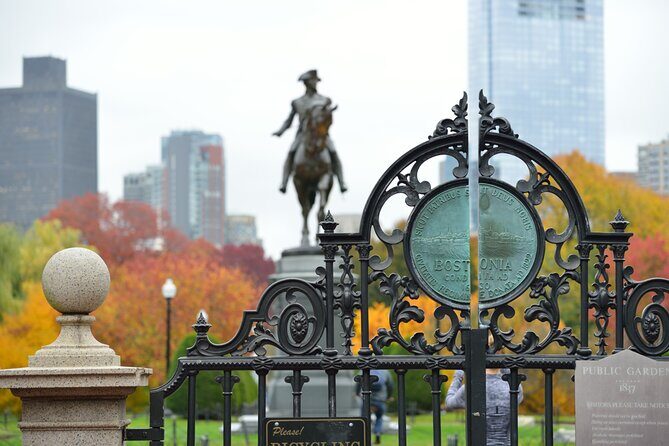
Faneuil Hall Marketplace is where a lot of people’s mental picture of the American Revolution starts. The setting matters: it’s known as a birthplace of the Revolution, and the tour uses that significance to hook you fast. Instead of treating it like a postcard landmark, you get the sense that political arguments, public meetings, and heated public opinion were already part of everyday life here.
I like that the tour doesn’t waste time. The first stop is about 10 minutes, so you get just enough orientation to understand what you’re seeing. You also hear a troubling backstory tied to the location’s Revolutionary-era reputation. That tone shift is important, because it keeps the tour from turning history into a simple good-guys list.
This is also the spot where you’ll learn why the area matters beyond politics. Faneuil Hall is presented as the oldest commercial building in downtown Boston, and that gives you a useful angle: this wasn’t only about ideals—it was about commerce, crowds, and public influence. You’ll also get a note about early schooling linked to the place, including that early public education in the area was for boys (and yes, the guide makes it clear what that implies about the limits of the time).
You can also read our reviews of more tours and experiences in Boston.



Boston Massacre and the Tea Party Build-Up You Can Actually Follow
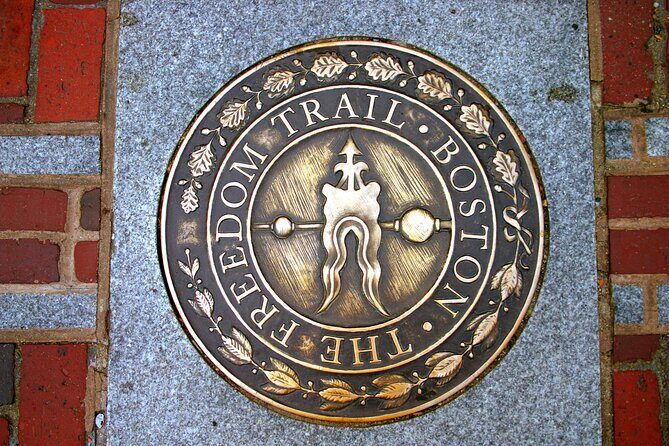
The clever part of this tour is how it uses the streets and nearby markers to connect major events. From the Faneuil Hall area, the story moves to the site of the Boston Massacre, then onward to where discussions and meetings shaped events leading up to the Boston Tea Party.
You won’t get the kind of slow, museum-style explanation where you stand in front of a single exhibit for 30 minutes. Instead, you get short, focused context while walking. That format helps because these events belong to a sequence, not to isolated trivia cards. You’ll learn how tension grew, how public argument turned into action, and how the Revolution didn’t pop out of nowhere.
One practical win: because you’re outdoors and on a walking route, the tour gives you a mental map. By the time you reach the cemeteries, you understand that the Revolution was fought in multiple arenas—on streets, in meetings, and in public spaces where people had reasons to show up.
A small drawback to keep in mind: because it’s a fast route, you may want to jot down a couple names or events so you can follow up afterward. If you’re someone who likes a long explanation, the time limits will feel tight. But for most visitors—especially families—it’s the right length.
A Puritan-Era Pause at King’s Chapel Burying Ground

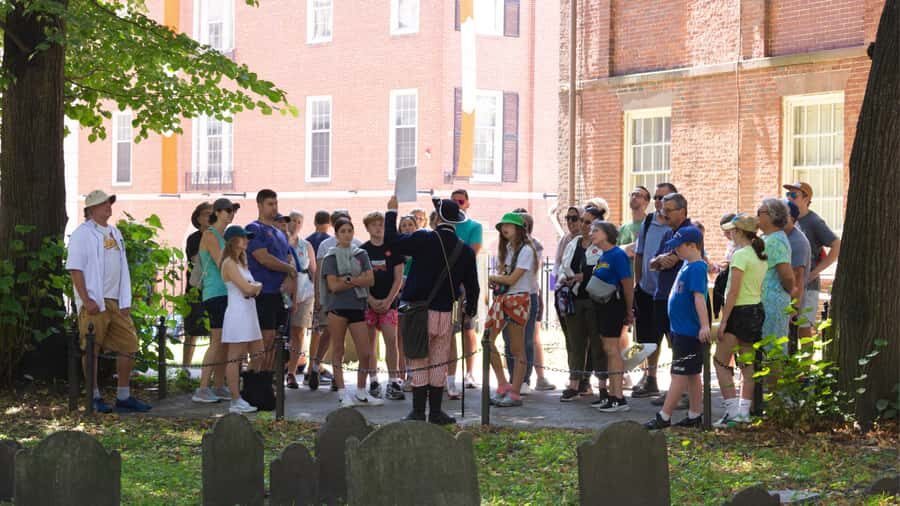
Next comes King’s Chapel Burying Ground, and the shift is noticeable. The pace slows in tone because cemeteries do that on their own. It’s a Puritan-era burial ground, and you hear that it’s the final resting place for some of Boston’s first colonial residents. That’s the kind of detail you’d otherwise miss if you just walked past a gate.
The stop is only about 5 minutes, which sounds short until you realize that you’re not trying to “finish” a cemetery. You’re getting oriented. The guide helps you understand what you’re seeing—old headstones, early settlement presence, and the way these burial grounds reflect the city’s beginnings.
If you care about early colonial life, you’ll appreciate this stop. It adds depth that balances the louder street-politics storyline from earlier. The Revolution may dominate the headlines, but the roots—how people lived, who mattered, and how communities organized—are here too.
Because this is a cemetery stop, the terrain can be uneven. Bring shoes you’re comfortable walking on for an hour, since you’re dealing with outdoor ground surfaces and some hills along the way.
Granary Burying Ground: Heroes, Writers, and Memorials Close to the Action
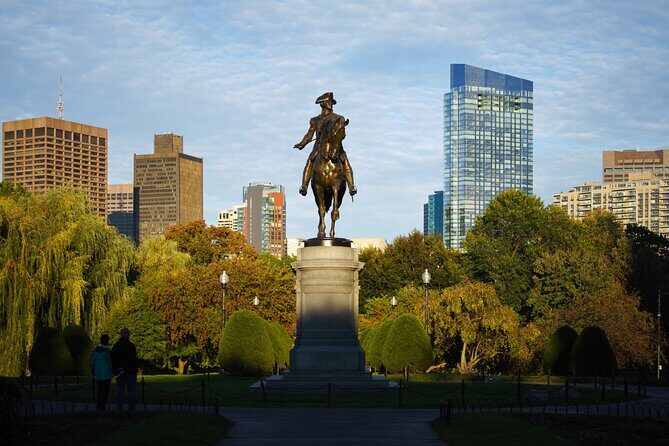
Then you reach Granary Burying Ground, about a 10-minute stop. This is one of the most compelling contrasts in the whole tour: you’re moving from Revolutionary events into the people who lived through them and the memory they left behind.
You’ll hear it’s the third oldest burying ground in Boston. That matters because it frames the cemetery as part of a continuing civic story, not a random stopping point. You also get the Revolutionary angle clearly—this cemetery is home to Revolutionary heroes—and there’s a literary side too, with mention of literary favorites.
I like that the tour brings in both strands: who made political change, and who helped shape culture through writing and ideas. That combination makes the tour feel less like a battlefield lecture and more like an explanation of how a society forms and remembers itself.
The tour also notes that cemetery access is included as available. In real life, that can mean you’ll get to enter the grounds with the group and hear the guide’s cues without doing it completely on your own. Still, because access availability can vary, treat the cemetery time as “as scheduled,” not guaranteed building-style touring.
The Guides: Acting, Humor, and Why Your Brain Stays Engaged

What really drives this tour is the guide performance. The guides don’t just explain; they act out parts of the story. That’s a big deal on a tour like this because Revolution-era material can sound distant. Acting turns it into something you can picture—someone arguing, someone reacting, the crowd’s mood shifting.
I also like the social dynamic you get on this tour. One guide duo approach—described as a mother and daughter team—comes through in how they trade attention and roles. A named guide, Kate, is singled out in feedback for making history land in a way that sticks. The result is a tour that feels interactive rather than scripted.
If you’re traveling with kids, this is where it shines. The tour isn’t just kid-friendly in tone; it uses a scavenger-hunt style game to keep younger participants engaged while still delivering real information. You’ll notice the guide gives prompts that make kids look around and listen at the same time. That’s the kind of structure that prevents the classic problem of “everyone stares at the guide for five minutes, then tunes out.”
Adults benefit too. If you grew up in or around Boston, you might still be surprised by how the tour frames connections between public spaces, politics, and daily life. The humor isn’t fluff—it’s a delivery method that makes the timeline easier to follow.



Price and Time: $20 for a Lot of Walking Context

At $20 per person for about 1 hour, this is priced like a good orientation tool. You’re not paying for museum tickets or long indoor viewing. Instead, you’re paying for a guided route that stitches together multiple Freedom Trail highlights with a story you can follow while moving.
Here’s what you’re getting for the price:
- Guided walking between major Revolution-era touchpoints
- Free access to the outdoor stops and cemeteries as available
- A small-group experience (max 15) so you don’t feel lost in a crowd
- A guide style that focuses on explanation plus humor, not just recitation
What you should not expect at this price: there’s no museum or building access. If you want indoor artifacts, exhibit halls, or time in a dedicated museum room, this isn’t that type of tour. It’s a street-and-people-history route.
Also, since it’s a one-hour commitment, you can fit it into a half-day plan without surrendering your entire itinerary. If you’re doing other Boston stops the same day, this kind of short, focused tour helps you get your bearings fast—then you can branch out on your own.
One more practical note: it’s often booked about 62 days in advance on average. So if your dates are fixed, don’t wait too long.
What the Walk Feels Like on Your Body

This tour is about walking a downtown route with stops at cemeteries. It’s listed as requiring moderate physical fitness because the terrain can be uneven and there are hills. If you have mobility concerns, you may find this difficult.
Even if you’re fine physically, plan for real-world walking:
- Wear comfortable, grippy shoes
- Expect some uneven stones or ground in older areas
- Keep water handy if it’s warm
The good news: the stops are short. You’re not committing to a long slog in one place, and the entire route is about an hour. So for most healthy visitors, it’s manageable.
The route is in central Boston and is described as near public transportation, so you can usually get there without a complicated transfer.
Where the Tour Starts and How to Prepare
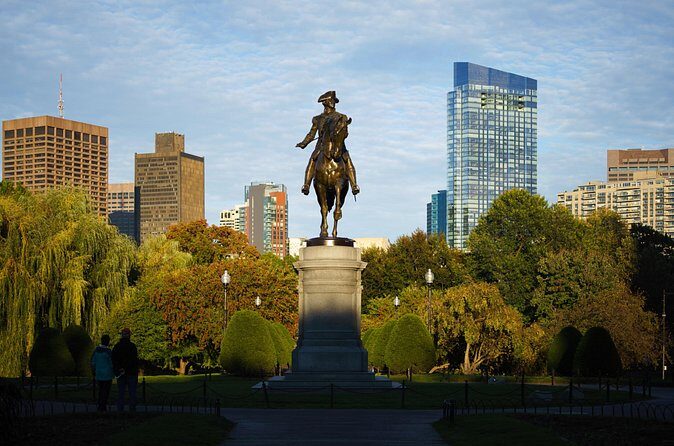
The meeting point is 1P Faneuil Hall Market Pl, Boston, MA 02109, and the tour ends at Granary Burying Ground, Tremont St, Boston, MA 02108. Start time is 10:00 am, with an approximate end after about an hour.
You’ll use a mobile ticket, and the tour is offered in English. Service animals are allowed, and the group is small, capped at 15 people.
Weather matters here. The experience is described as requiring good weather, and if the tour is canceled due to poor conditions, you’ll be offered a different date or a full refund. So I’d treat it like a classic outdoor city walk: check the forecast and plan clothing that won’t slow you down.
For comfort, show up a few minutes early so you’re ready to start on time. This is a timed walking story—late arrivals can throw off the flow for the whole group.
Who Should Book This Tour (and Who Might Skip It)
This is a strong fit if you want:
- A quick Freedom Trail highlights introduction
- A guide who uses humor and performance to explain serious events
- Something that works for families, especially kids who like games and stories
- A small-group tour that doesn’t feel like a parade line
You might want a different style of tour if:
- You prefer museum-style indoor history with lots of exhibit time
- You need an easier route with no hills and no uneven ground
- You’re expecting building access or formal artifact viewing
Also, if you’re the type who loves Revolutionary history but wants a slow, deep, chapter-by-chapter explanation, this may feel like a “great overview” rather than a full course. Still, it can be a smart first stop because it sets the stage for whatever you do next.
Should You Book Rebels and Red Coats? My Take
I’d book it if you want a short, high-energy history walk that makes the Revolution easier to follow. The best part is the delivery: acting-style storytelling plus humor means you don’t just learn facts—you leave with a clearer sense of how Boston’s public life turned into revolutionary action.
The cemeteries are brief but meaningful. They add perspective that street events alone can’t give you. And because the route is about an hour and ends near Granary Burying Ground, it’s easy to keep the rest of your day flexible.
If you’re traveling with kids, this tour has a proven “they actually pay attention” advantage thanks to interaction and a game-like approach. If you’re traveling solo or as a couple, you’ll still get plenty of value from the tight structure and the guided links between the Boston Massacre area and the Tea Party build-up.
Go for it, especially if your schedule allows a morning start and the weather looks reasonable.
FAQ
How long is the tour?
The tour is approximately 1 hour.
What is the price?
It costs $20.00 per person.
Where does the tour start and end?
It starts at 1P Faneuil Hall Market Pl, Boston, MA 02109 and ends at Granary Burying Ground on Tremont St, Boston, MA 02108.
Is the tour in English?
Yes, it is offered in English.
Does it include museum or building access?
No. The tour is a walking tour and there is no museum or building access included.
What kind of walking is involved?
It’s a walking tour with uneven terrain and hills. It requires moderate physical fitness and is not recommended for travelers with mobility concerns.