REVIEW · BOSTON
Freedom Trail: Small Group or Private 2 Hour Walking Tour
Book on GetYourGuide →Operated by Boston By Foot · Bookable on GetYourGuide
Revolutionary Boston has a habit of grabbing your attention fast. This small-group walking tour keeps it focused: historic downtown and the North End on foot, with a guide who connects buildings and events to the roots of American democracy.
I like that it zeroes in on the why, not just the what. You’ll get clear context on how Boston became a hotbed of rebellion in the 1760s and 1770s, and you’ll hear lesser-known stories behind major moments leading to the Revolution. The private setup (up to 2 people) also makes it easier to ask questions and keep the pace comfortable.
One possible drawback: two hours is great for momentum, but it’s not long enough to cover every Freedom Trail site in depth. If you want a stop-by-stop checklist, you may need a longer tour or multiple walks.
In This Review
- Key Things You’ll Notice on This Walk
- Finding the Story at Tremont and Beacon (Then Walking It)
- Historic Downtown: Where Colonial Tension Starts to Look Real
- North End Footsteps: Connecting Neighborhood Space to Political Action
- The Tea Party Moment and the Date: 5 March 1770
- Paul Revere: Why He Was an Effective Messenger
- Boston Presses and the Power of Words and Images
- The Timeline Ends at Copps Hill Terrace
- Price and Value: Is $20 Worth It for a Private 2-Hour Tour?
- What the Guides Bring to the Experience (Chad, Tressa, John)
- Who Should Book This Freedom Trail Walk
- Should You Book This Tour?
- FAQ
- Where does the tour start?
- How long is the walking tour?
- Is this a private tour, or will I be with strangers?
- What language is the tour guide speaking?
- Is the tour wheelchair accessible?
- What topics will the guide cover?
Key Things You’ll Notice on This Walk
- Up-close, private pacing with a group size capped at 2
- A guided Freedom Trail experience built around the Revolution’s buildup
- The 5 March 1770 moment presented for you to judge the label yourself
- Paul Revere’s messenger role explained in a practical, story-first way
- Boston presses and public emotion, showing how print helped fuel action
- A timeline that ties change to people, from colonial anger to nation-making
Finding the Story at Tremont and Beacon (Then Walking It)
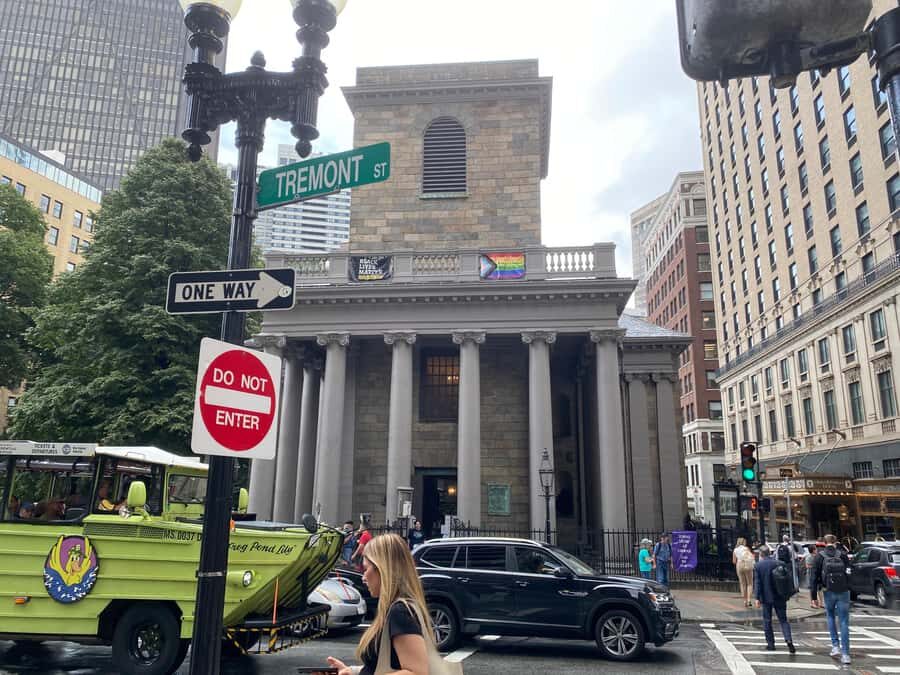
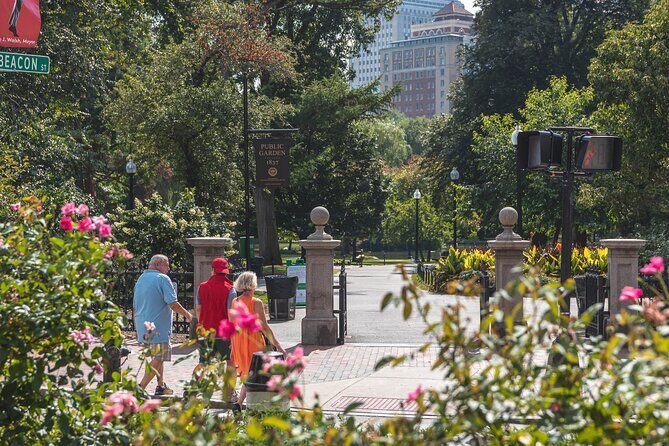
This tour starts in the downtown core, at the corner of Tremont and Beacon streets, across from King’s Chapel. Plan to arrive about 10 minutes early. That small buffer matters on a walking tour because you’ll want to start with everyone together, not wandering off while the group waits.
From there, the walk begins at One Beacon Street. That matters more than it sounds. You’re not just “touring Boston,” you’re entering a guided sequence: the guide points you toward the places where political tension, protest energy, and communication networks formed. In two hours, the route is designed to give you enough structure that you finish with a storyline, not a pile of dates.
Because the guide is speaking English and leading a private group (up to 2), you can expect a bit more flexibility than large group tours. If you’re the type who likes to ask what something means before moving on, this setup usually fits you well.
You can also read our reviews of more walking tours in Boston


Historic Downtown: Where Colonial Tension Starts to Look Real
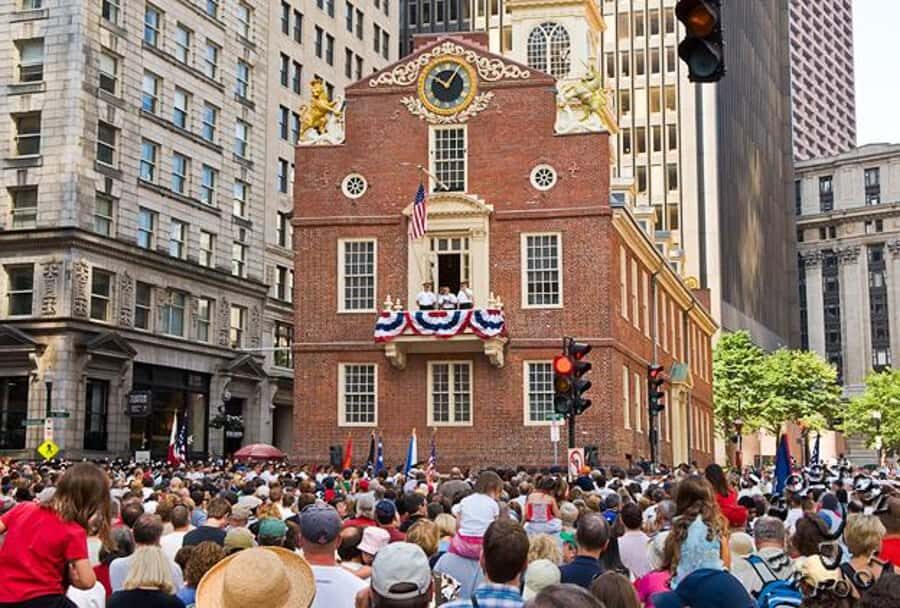
The core of the experience is a guided walk through Boston’s historic downtown, using important sites connected to the period leading up to the American Revolution. The guide’s job here is to make the buildings feel like evidence. You’re not treated to a random assortment of landmarks; you’re shown how earlier decisions, social pressures, and economic stresses shaped what people did next.
What I like about this approach is that it trains your “history eyes.” You start noticing details like how power was organized, how public anger got expressed, and how communication traveled. You’ll also hear how Boston transformed through economic, environmental, and social change—which helps explain why rebellion didn’t come out of nowhere.
A practical tip: if you want the most out of the downtown portion, keep your questions simple. Ask things like: What’s the issue here? Who benefits? What changes when people act? That’s the kind of thinking the tour is built for.
North End Footsteps: Connecting Neighborhood Space to Political Action
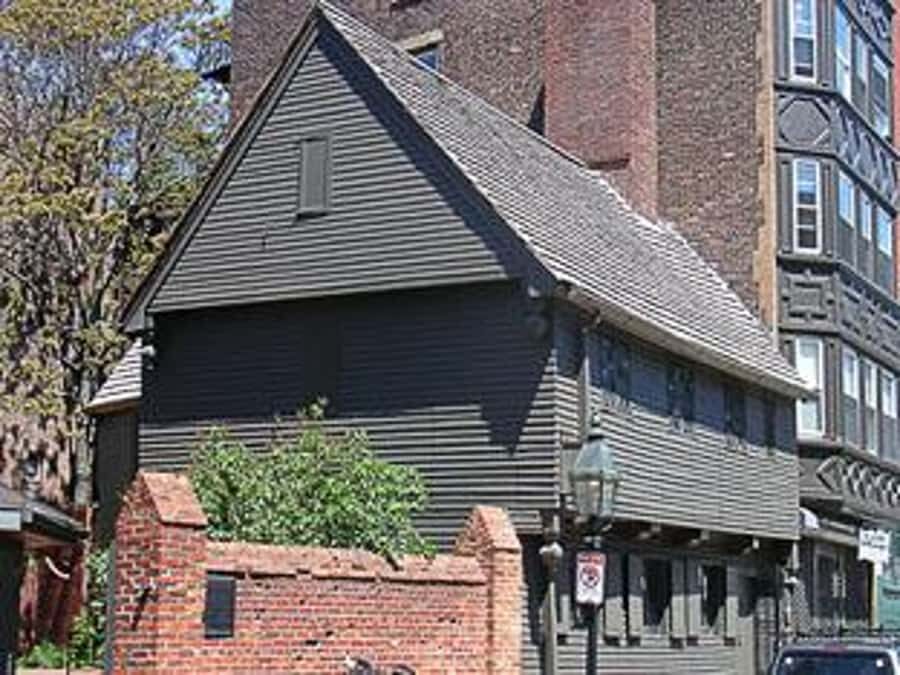
After the downtown focus, the walk continues into the North End. That shift is useful because it changes the rhythm of the story. The Revolution wasn’t just speeches and formal declarations—it was lived in streets, in communities, and in the daily friction between locals and authority.
This part of the tour still stays anchored to the same theme: the guide shows buildings and sites tied to the buildup to revolution. So even though you’re changing neighborhoods, the tour doesn’t feel like a detour. It feels like the story gets wider—less abstract, more grounded.
If you’re a history buff, you’ll probably appreciate the way the guide links physical space to social conflict. If you’re new to this period, the North End portion can also help you stop treating the Revolution like a single event. Instead, it becomes a process.
One thing to keep in mind: in a two-hour format, the North End section is likely to be a “meaningful overview,” not a long stop at every site. If you enjoy lingering and reading every interpretive sign, you might feel you’re moving fast. Still, it’s a fair trade for the private pacing.
The Tea Party Moment and the Date: 5 March 1770
One of the tour’s strongest draws is how it handles the famous protest events. You’ll hear details behind Boston’s Tea Party, and then you’ll hit a specific date that many people have heard but fewer people fully understand: 5 March 1770.
The guide encourages you to decide for yourself whether that day was truly a massacre. That word choice alone is a reminder that history isn’t always clean. What happened matters, but so does how people later described it—and how that description influenced public emotion.
I like that the tour doesn’t try to shut down your questions. It treats the event as a case study in interpretation. You’ll also get context for why the story spread and why it stuck. In practical terms, you finish this section knowing not just the incident, but how the incident was used.
If you’re the kind of traveler who enjoys debates (the friendly kind), this portion is a good match. If you’d rather have one definitive answer, you may still find the nuance helpful because it teaches you how the Revolution built momentum through narrative, not just action.
Paul Revere: Why He Was an Effective Messenger
Revolutionary Boston required speed—real speed. That’s where the tour’s discussion of Paul Revere comes in. You’ll learn why he was such an effective messenger, not just as a name from a textbook, but as a tool in a network of communication.
This isn’t presented as legend for legend’s sake. The guide frames messaging as strategy: timing matters, routes matter, and public understanding matters. When you understand that, the Revolution stops looking like random sparks and starts looking like coordinated pressure.
It also helps you connect the dots to the last big theme of the tour: how people learned what was happening. That leads naturally to print, public reaction, and emotional pressure.
You can also read our reviews of more private tours in Boston






Boston Presses and the Power of Words and Images
A standout part of this walk is the emphasis on the role of Boston’s presses—the words and images printed locally that stirred emotions among colonial Americans. This is a key piece of the Revolutionary puzzle that many casual tours skip.
Here’s why it matters for you as a visitor: you get to see how information worked before social media, before TV, and before mass electronic communication. Print didn’t just record events. It shaped how people felt about them.
When the guide connects the presses to the political climate, the events start to feel less like isolated incidents. You start recognizing a pattern: anger needs fuel, and fuel needs communication. Once you see that, the Revolution becomes easier to follow.
A practical way to get more out of this section: pay attention to how the tour links print to action. Ask yourself what changes when people see the story in the press—what they fear, what they expect, and what they decide to do.
The Timeline Ends at Copps Hill Terrace
The walking tour finishes at Copps Hill Terrace. That ending point is useful because it gives you a natural close to the narrative arc—from the buildup of rebellion, to specific dramatic moments, to how people carried the cause forward through messaging.
Even without a long final lecture, ending here helps you consolidate what you learned. When you’re done, you should be able to tell a simple timeline story: tension builds, events happen, words and images spread, and people decide to act.
If you want to keep the momentum, consider doing one simple thing after the tour: take a quick walk around the area on your own and look for how the city layout supports movement and gathering. The tour helps you see Boston differently, and your post-tour stroll is when it clicks for real.
Price and Value: Is $20 Worth It for a Private 2-Hour Tour?
At $20 per person, this tour is priced in a way that feels unusually good for a guided, private format designed for up to 2 people. The value isn’t just the cost—it’s the structure you get for that time.
You’re buying:
- A focused two-hour storyline through downtown and the North End
- A guide who explains lesser-known context behind big events
- The chance to ask questions without fighting for attention
If you compare value by “how much you learn per hour,” this tour is aimed at effectiveness. You’re not spending time guessing. You’re not waiting for a large group to move. You’re getting the key connections between Boston’s transformation and the rise of rebellion.
Also, the private angle matters. In a small group, you’ll likely hear more targeted explanations. That’s especially helpful with events like the 5 March 1770 discussion, where interpretation and wording matter.
What the Guides Bring to the Experience (Chad, Tressa, John)
The tour’s success depends heavily on the guide. The names Chad, Tressa, and John have been associated with this experience, and the themes are consistent: friendly delivery, deep understanding, and stories that land instead of sounding like a lecture.
What I find especially useful about guides like these is the balance. They share facts, but they also explain why the facts mattered to real people. And in at least one case, the guide’s humor helped the explanation stick. That’s more than entertainment; humor keeps you engaged, which helps you remember details later.
If you’re trying to decide whether this is the right tour for you, assume the guide quality is part of the value. You’re not just purchasing sightseeing time. You’re buying interpretation.
Who Should Book This Freedom Trail Walk
This is a smart choice if you:
- Want an efficient Freedom Trail experience with a guide
- Prefer small-group or private pacing
- Like the Revolution but want the lesser-known context
- Want help understanding how democracy’s roots formed through real events
It’s also a good fit if you’re a first-timer to Boston history and you want a framework fast. In two hours, you’ll learn enough to make future self-guided sightseeing feel more meaningful.
You might hesitate if you:
- Want to spend long hours at many sites in depth
- Need a full stop-by-stop Freedom Trail checklist
- Prefer purely factual storytelling without interpretation
Should You Book This Tour?
If you want a guided walk that connects Boston’s streets to the rise of revolution, I think this is an easy yes. The $20 price point for a private 2-hour experience is strong, and the focus on how emotion, print, and communication shaped events gives you more than surface-level sightseeing.
Book it if you want to leave with a clear story: how Boston changed, how rebellion grew, and how key moments—like the 5 March 1770 discussion—became part of the American mindset. Skip it only if you’re planning to treat the Freedom Trail like a long scavenger hunt. This tour is built for understanding, not checking boxes.
FAQ
Where does the tour start?
The meeting point is at the corner of Tremont and Beacon streets, across from King’s Chapel. The walking tour starts from One Beacon Street.
How long is the walking tour?
It lasts 2 hours.
Is this a private tour, or will I be with strangers?
It’s private, designed for groups of up to 2.
What language is the tour guide speaking?
The live tour guide speaks English.
Is the tour wheelchair accessible?
Yes, it’s wheelchair accessible.
What topics will the guide cover?
You’ll walk through historic downtown and the North End, learn stories connected to the American Revolution, hear details behind the Tea Party, discuss the event on 5 March 1770 and whether it was a massacre, and learn about Paul Revere and how Boston’s presses stirred emotions.