REVIEW · BOSTON
Boston: Full Revolution Story Epic Small Group Walking Tour
Book on GetYourGuide →Operated by The Revolutionary Story Tour · Bookable on GetYourGuide
The Revolution starts at City Hall Plaza. What makes this tour fun is that it tells the whole Boston-and-American-Revolution story like a connected plot, not a loose list of stops. You’ll walk city neighborhoods other history tours skip, and the guide ties famous names to what you’re seeing right in front of you, from the Boston Massacre era to Bunker Hill.
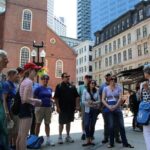
I love the story-first, chronological approach, where the guide explains the why behind each turning point, not just the dates. I also love the small group size (about 16 people), plus the light, non-cringy interactivity using visuals like maps and even Lego-style helps.
One drawback to plan for: this is a moderate walking tour with a hill and stair steps near the end, and it isn’t suitable for people with mobility impairments.
In This Review
- Key Things That Make This Boston Revolution Tour Worth It
- A Story-First Revolution Walk That Makes Boston Feel Like the Main Character
- City Hall Plaza Start: The Practical Stuff That Sets Your Day Up
- From Freedom Trail Warm-Up to Old Burial Grounds: Boston’s Roots and Power
- Benjamin Franklin and the Old State House: Where Boston Decisions Got Loud
- Old Corner Book Store and the Old South Meeting House: Ideas, Arguments, and Crowds
- Faneuil Hall and Quincy Market Break: The Fuse Gets Lit in Public
- Rose Kennedy Greenway to Paul Revere’s World: Night Plans, Day Consequences
- Copps Hill Views and USS Constitution: The Revolution Meets the Landscape of Power
- Bunker Hill Monument and the Harborwalk Finale: From Revolutionary Risk to American Confidence
- What I’d Actually Pay Attention To During the Tour
- Price and Value: Is $57 Reasonable for a 3.5-Hour Story Walk?
- Who This Tour Fits Best (and Who Should Skip It)
- Should You Book This Boston Revolution Story Walk?
- FAQ
- Where does the tour start?
- Where does the tour end?
- How long is the tour?
- How much does it cost?
- How big is the group?
- Is the tour only focused on the Freedom Trail?
- Do you wear costumes or do reenactments?
- What’s included in the tour price?
- Is there a break during the tour?
- Is the tour suitable for people with mobility impairments?
Key Things That Make This Boston Revolution Tour Worth It
- A story timeline that doesn’t follow the usual Freedom Trail order, so events feel like they’re actually unfolding.
- No costumes and no re-enacting, just real places explained with humor and energy.
- Real props and visuals (maps and other aids, including Lego-style elements) to help you visualize movement and conflict.
- Small group pacing, with frequent check-ins so you stay together and don’t feel lost.
- Ends in the North End (Little Italy) with local food insight to help you keep the momentum going.
A Story-First Revolution Walk That Makes Boston Feel Like the Main Character

Most Boston history tours treat the American Revolution like a museum checklist. This one treats it like a living story with causes, arguments, and consequences. The route is designed to connect the famous personalities and iconic landmarks into one continuous narrative—so you’re not bouncing randomly from one famous site to the next.
You’ll cover major events that usually get discussed separately—like the Boston Massacre, the Boston Tea Party, the battles of Lexington and Concord, and Bunker Hill—but the real payoff is how the guide links each moment to what came before it. That’s where the tour earns its reputation. It doesn’t just ask you to remember; it helps you understand how tensions built and why people made the choices they did.
And yes, you still see big Freedom Trail names. But the difference is the order and the connections. The usual Freedom Trail routing doesn’t always match how things unfolded historically. This tour does, and that changes the feel instantly.
You can also read our reviews of more walking tours in Boston


City Hall Plaza Start: The Practical Stuff That Sets Your Day Up

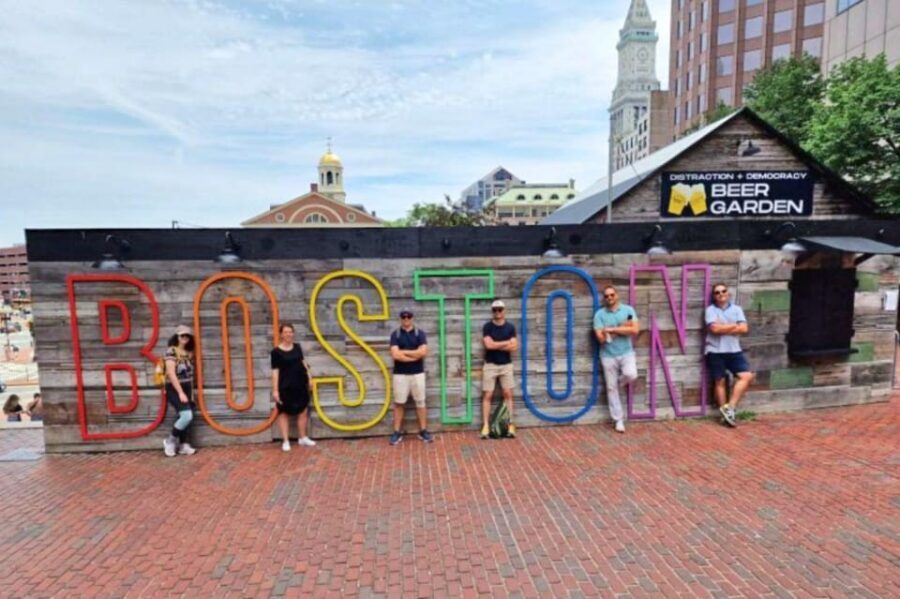
You’ll meet at City Hall Plaza, a pedestrian-friendly space directly across from Faneuil Hall. It’s right by major transit options, but the meeting area also has stairs involved, so take a moment to choose footwear that’s steady on uneven pavement.
This tour runs 210 minutes (about three and a half hours). Expect a solid walk. One of the recurring notes from past groups is that it’s not a sit-and-listen experience, and you should be comfortable moving through Boston streets for the full stretch. The city is mostly flat, but there’s one hill (up) and stair steps toward the end—so plan like you’re sightseeing, not commuting.
There’s also a scheduled break built in. At Quincy Market, you get about 15 minutes for restrooms, plus time that may include entrance into Faneuil Hall when it’s open. That helps a lot with pacing, especially because the tour is intentionally packed with content and sight stops.
From Freedom Trail Warm-Up to Old Burial Grounds: Boston’s Roots and Power
You start with a quick orientation segment on the Freedom Trail area, just enough to get your bearings and your brain into historical mode. Then the tour shifts into places that show how Boston worked long before the Revolution became a headline.
King’s Chapel Burying Ground is up early. Even if you’ve passed by graveyards before, this kind of stop works well when the guide treats it like a political map. You’re not just looking at old stones—you’re seeing how early Boston honored its leaders and how that status shaped communities.
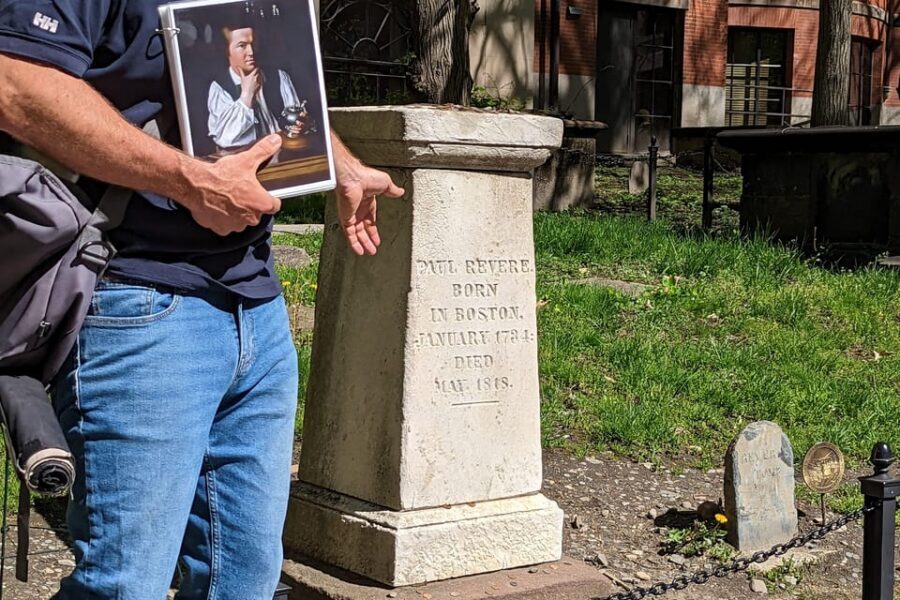
Next comes the Granary Burying Ground, where the story gets more personal. This is where the tour’s “characters meet places” style starts clicking. The guide links key figures to the larger political climate, so you’re not learning history as a distant timeline. You’re learning it as a network of people with reputations, influence, and stakes.
You’ll also pass Park Street Church briefly, then step into Old City Hall—a stop that helps you understand the civic engine of the city. When you walk past these landmarks with the guide’s narration, the architecture becomes evidence of how government and public life functioned.
Benjamin Franklin and the Old State House: Where Boston Decisions Got Loud
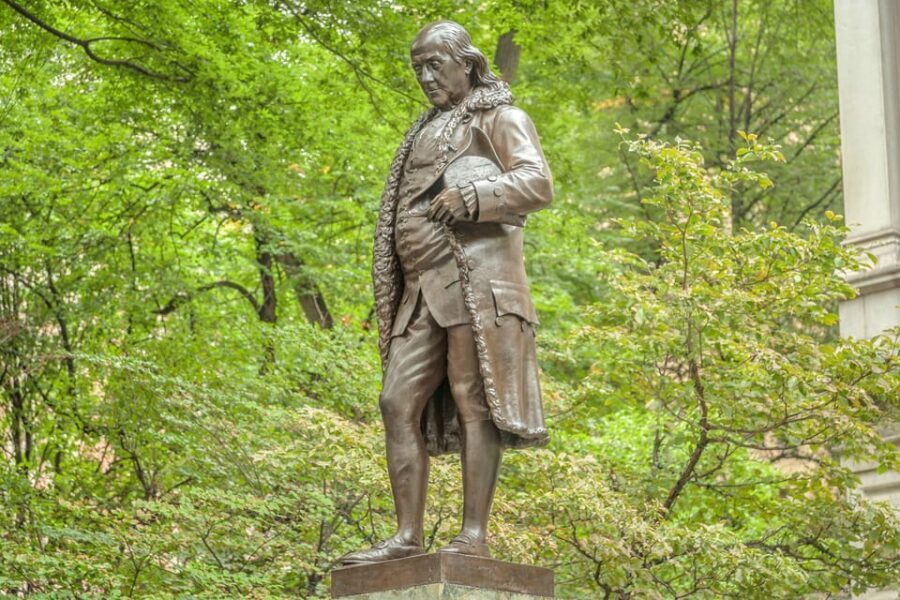
One of the best parts of this tour is how it uses Boston’s landmarks to explain the friction behind the revolution. For example, Boston Latin School and the Benjamin Franklin statue aren’t treated like random photo ops. You get context for why certain institutions mattered, and why Franklin’s name shows up again and again in revolutionary-era conversations.
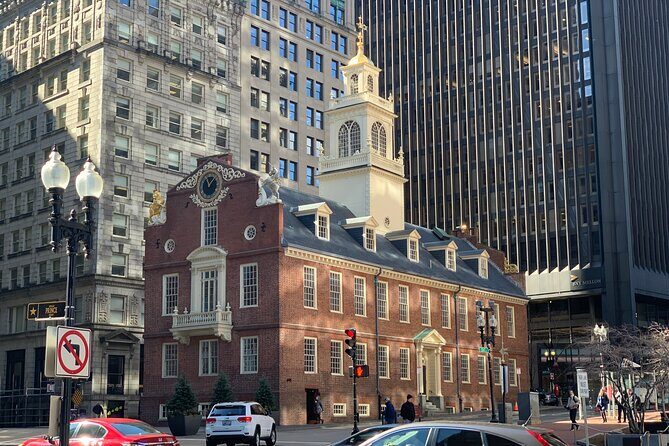
Then you reach Old State House, which is one of those spots that feels important the second you arrive. The guide uses it to connect power, governance, and public pressure—so you start to see how people argued in public and why official policies didn’t stay confined to paperwork.
From there, the tour leans into the moment when tension turned sharper at street level: the Boston Massacre site. This is where the guide’s focus on motivations really matters. Instead of treating the massacre like an isolated tragedy, you learn how the political climate and crowd dynamics set the stage for violence.
Old Corner Book Store and the Old South Meeting House: Ideas, Arguments, and Crowds
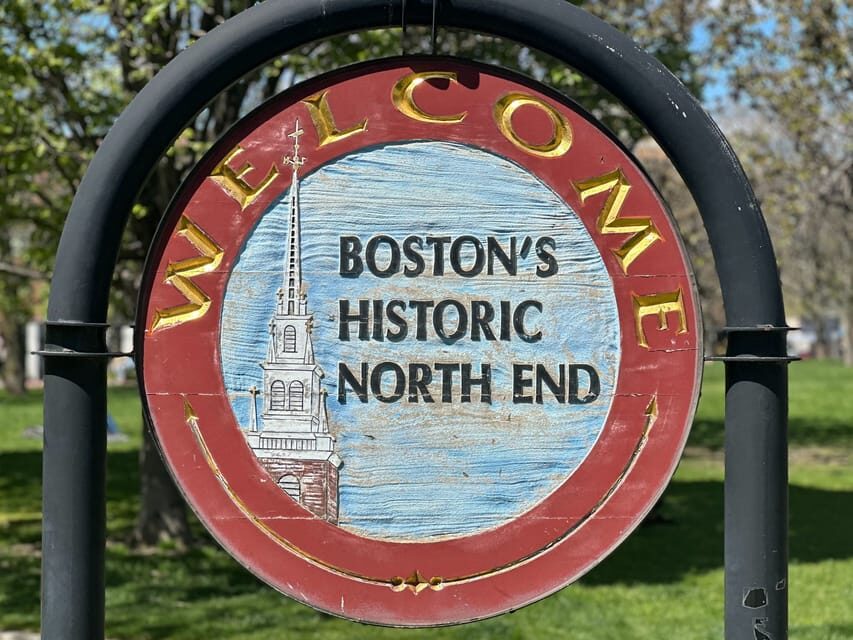
Next you’ll head to the Old Corner Book Store, and the tour uses it to connect information, persuasion, and public debate. The guide doesn’t just say pamphlets were important. You get a sense of how communication traveled, how arguments formed, and how quickly public sentiment could move.
After that comes Old South Meeting House—a major stop that helps explain the Revolution as a battle over ideas and community action. If you’ve only ever heard revolution stories as battlefield scenes, this is a helpful correction. Boston’s revolution starts with meetings, messaging, and coordinated public pressure.
You’ll also see stops that help widen your mental map, like Post Office Square and Liberty Square along the way. These aren’t just scenic breaks. They help show how the city’s public spaces acted like stages, where policy impacts and popular anger could collide.






Faneuil Hall and Quincy Market Break: The Fuse Gets Lit in Public
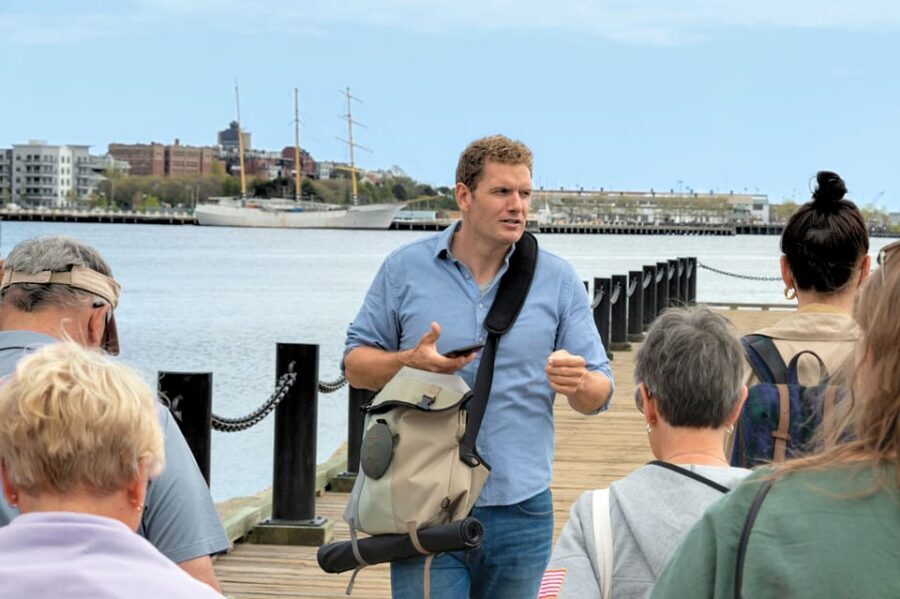
Faneuil Hall is where this whole story really starts to feel like Boston’s version of a town-hall drama. The guide treats it as more than a landmark. You learn why it mattered socially, politically, and emotionally—why crowds showed up, why speeches landed, and why the Revolution couldn’t be contained to quiet meetings.
Then you hit Quincy Market for your planned restroom and break time. This is also a smart moment to rehydrate and reset your energy before the tour shifts into Charlestown/North End direction and the maritime side of the story.
One reason I think this break works so well is that the tour isn’t just “walk to stop, hear facts, move on.” The guide uses maps and visuals during the explanation segments, which can make your brain work a bit harder. The break keeps the day from feeling like information overload.
Rose Kennedy Greenway to Paul Revere’s World: Night Plans, Day Consequences
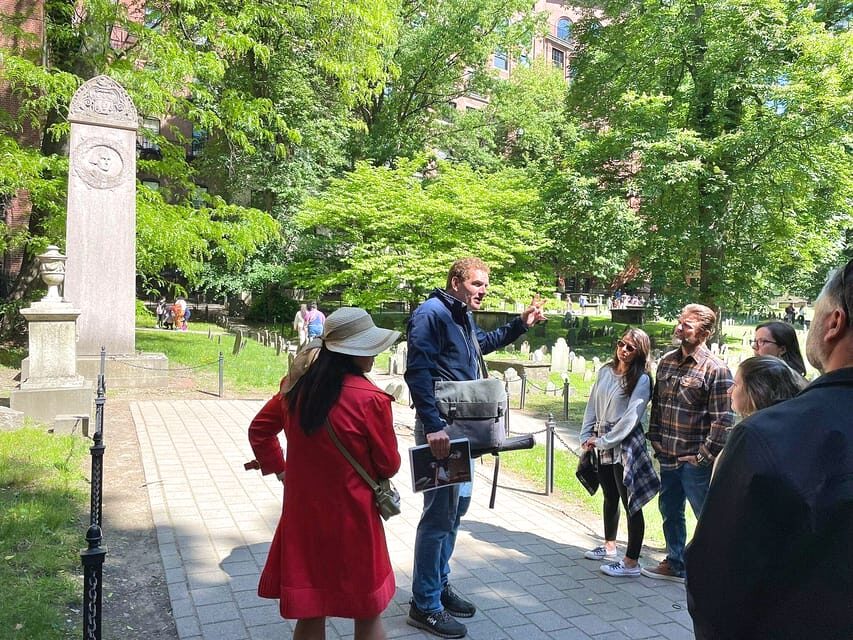
After the break, the tour starts moving toward the North End, and you feel the geography of the story shift. You’ll pass the Rose Kennedy Greenway, then visit the Paul Revere House.
Revere’s story lands best when the guide explains it as part of a larger system—messengers, networks, timing, and the anxiety of people expecting trouble. This stop is especially strong for first-timers who think Revere only equals one famous ride. You get more of the wider picture: how communication and urgency mattered.
Then you move through North End area stops, including a photo stop at Paul Revere Mall and time near Old North Church. This is the moment where Boston’s Revolution feels cinematic. The guide’s narration ties the landmark to the logic of the plan, not just the famous detail you might already know.
Copps Hill Views and USS Constitution: The Revolution Meets the Landscape of Power
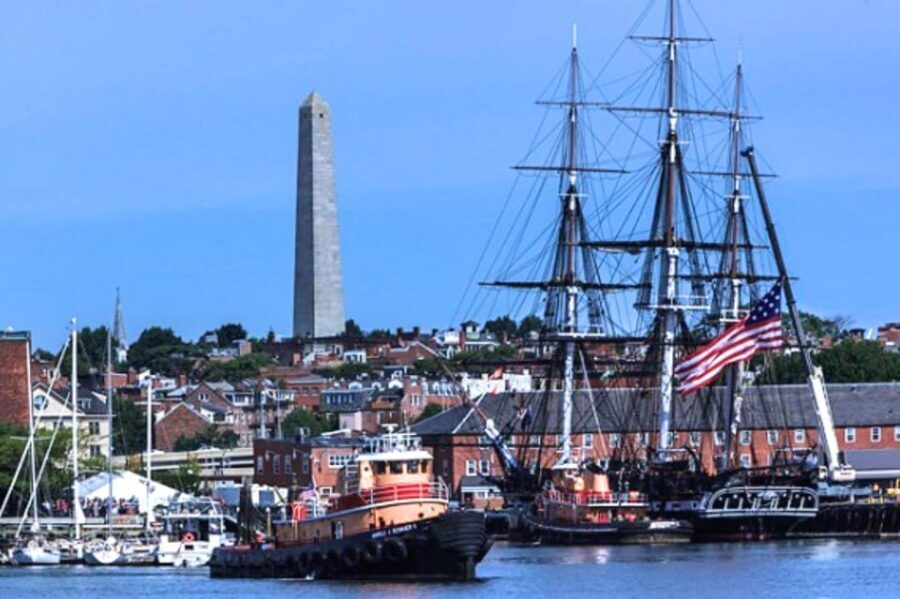
The tour includes Copps Hill, with a scenic component that’s designed to help you understand why certain places were strategically meaningful. Even if you’re not a military history person, the viewpoint makes the narrative feel more realistic. It turns the “battle story” into a “why here” story.
Then you get a quick shift to the maritime side with the USS Constitution, where the guide connects Boston identity to seafaring strength. The tour doesn’t turn this into a separate attraction day. Instead, it uses the ship stop as a bridge: revolution ideas were political, but America’s future was also tied to who could hold power on the water.
Bunker Hill Monument and the Harborwalk Finale: From Revolutionary Risk to American Confidence
You finish with the Bunker Hill Monument area, including scenic walking segments toward the viewpoint. This stop is where the guide’s timeline approach pays off. You’re no longer seeing the monument as a generic “big Revolutionary battle” site. You understand it as the result of momentum and escalation.
After that, the tour rolls into the waterfront corridor with Charter Street Park, then Harborwalk, Pilot House Park, and ends at Lewis Wharf. It’s a smart closing arc. The story moves from early civic power and public pressure to danger, then to the early confidence of a new national identity—while you’re physically ending near Boston’s working harbor.
And if you want an easy next step, the tour’s ending in the area called Little Italy gives you local context right where you’ll actually want a meal after 3+ hours of walking.
What I’d Actually Pay Attention To During the Tour
This tour’s biggest strength is not just “you’ll see landmarks.” It’s the way the guide teaches you to interpret them. Here are the things that make the difference when you’re out there.
You’ll learn the why behind each step. People tend to remember the headlines, but the tour’s energy is in the motivations—why tensions built, why choices were made, and why events escalated instead of cooling off.
You’ll get help visualizing the story. Past groups loved the maps and physical aids, including Lego-style elements. You don’t have to be a history expert to follow. The goal is to help you see the connections between neighborhoods, key figures, and event timing.
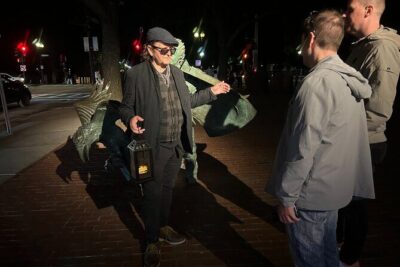
You might get a small role in the narrative. Some guides use name tags and even invite volunteers into tangential parts of the story so you stay engaged. It’s not a costume parade. It’s a memory trick.
Guide energy matters here. Several past guides named in groups (like Tyler, Mike, Rob, Chris, and Tom) are consistently praised for mixing facts with humor and keeping the group moving with frequent check-ins.
Price and Value: Is $57 Reasonable for a 3.5-Hour Story Walk?
For $57 per person, you’re buying more than “a walk with facts.” You’re paying for a full narrative approach, a small-group format (around 16 people), and a guide who uses maps, visuals, and props to make the timeline make sense. That matters because many Boston walking tours pack in the same popular sites but don’t connect them into a single argument with a beginning, middle, and end.
Also, the tour is designed to be citywide. It’s not just Freedom Trail endpoints. You also get off-the-path stops that help you understand how Boston functioned in everyday civic life, not only during the famous set pieces.
One practical “value” point: the tour includes a restroom break at Quincy Market and a chance for Faneuil Hall access when open. For a longer outing, those small built-in supports are worth real money in comfort.
You do have to show up ready to walk and listen. If you’re looking for a light, casual stroll, this might feel like too much. If you like your history with reasons and context, it’s strong value.
Who This Tour Fits Best (and Who Should Skip It)
This tour is primarily aimed at adults. It uses a narrative structure and academic framing that older teens might enjoy, but it can be too focused for kids who want simple scavenger-style sightseeing.
It’s also ideal if you’re arriving in Boston and want a big-picture grasp quickly—especially if you already know the basics and want the version that explains how it all snowballed.
For international visitors: the tour is designed so you can follow even if you didn’t grow up with American history. Still, if your English is only casual or you’re only lightly interested, you may prefer something shorter and simpler.
And if you have mobility limits, take note: it’s not suitable for people with mobility impairments, and the walking includes stairs.
Should You Book This Boston Revolution Story Walk?
I’d book it if you want a Boston Revolution tour that feels like a connected story, not a stop-by-stop montage. It’s especially worth it if you care about the why, enjoy maps and visual aids, and don’t mind walking for a good chunk of an afternoon.
Skip it if you need a fully accessible route, want a very relaxed pace, or you’re only after quick photo stops. This one rewards your attention, and you’ll feel that payoff as the plot keeps clicking into place—right through the North End and down to the harbor at the end.
FAQ
Where does the tour start?
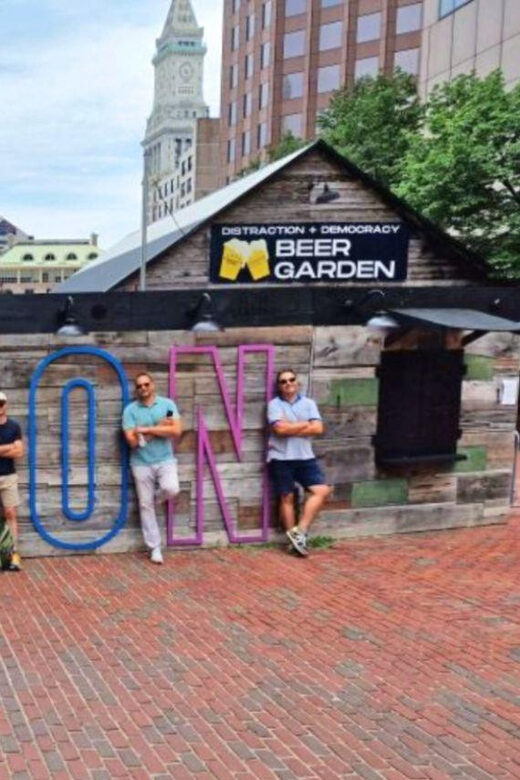
The tour starts at City Hall Plaza. The meeting point is in front of the Five Iron Golf between Staples Connect and City Hall, near a statue of Bill Russell and a seasonal Beer Garden.
Where does the tour end?
The tour finishes at Lewis Wharf.
How long is the tour?
The tour duration is 210 minutes, about three and a half hours.
How much does it cost?
The price is $57 per person.
How big is the group?
The tour runs with a small group of about 16 participants.
Is the tour only focused on the Freedom Trail?
No. It includes Freedom Trail stops, but it also takes you across Boston neighborhoods in a story-driven route rather than only walking the Freedom Trail.
Do you wear costumes or do reenactments?
No. There are no costumes and no awkward re-enacting.
What’s included in the tour price?
A live English-speaking guide is included.
Is there a break during the tour?
Yes. There is a 15-minute restroom break at Quincy Market, and there may be entrance into Faneuil Hall when it’s open.
Is the tour suitable for people with mobility impairments?
No. It is not suitable for people with mobility impairments due to the walking demands, including a hill and stair steps near the end.