REVIEW · BOSTON
Boston: Freedom Trail Guided Walking Tour in French
Book on GetYourGuide →Operated by Gilded Age Tour - visites guidées en français · Bookable on GetYourGuide
Boston’s founding stories walk right past you. I love the small-group pace (max 15) and the way the French-speaking guide (like Maria) tells the facts clearly, with fun side stories that make names stick. One thing to consider: you’re moving for about 2.5 hours, so comfy shoes matter more than you’d think.
This is the best way to get your bearings fast. You start at Boston Common and finish in the North End near Copp’s Hill Terrace, with stop-by-stop coverage of key landmarks that turn downtown Boston into a living history lesson. You’ll cover 16 iconic Freedom Trail sites, plus modern memorials and sculptures that show how Boston keeps rewriting what it remembers.
In This Review
- Key highlights worth your time
- Where it starts: Boston Common and the Freedom Trail moment
- Massachusetts State House: a quick photo stop with a big backdrop
- Old South Meeting House: revolution talk, right where it mattered
- Old State House and the Boston Massacre site: how memory becomes a street scene
- Faneuil Hall and the civic heart: politics, trade, and the crowd energy
- The Freedom Trail extras that make the tour feel complete
- North End guided time: where history meets everyday food-city energy
- Old North Church and Copp’s Hill Terrace: the tour’s emotional landing
- Modern Boston reminders: The Embrace, A Donkey, and the Holocaust Memorial
- French guidance in a small-group format: what it changes for you
- Price, pace, and value: is $45 worth it?
- Practical tips before you go
- Should you book this French Freedom Trail walking tour?
- FAQ
- How long is the Boston Freedom Trail guided walking tour in French?
- Where does the tour start?
- Where does the tour end?
- How many people are in the group?
- What language is the tour offered in?
- Is this tour wheelchair accessible?
- Are museum visits included?
- What sites are covered on the Freedom Trail route?
- What is the cancellation policy?
- Is there an option to reserve without paying right away?
Key highlights worth your time
- French-speaking local guide who explains Boston history in plain, clear language (and often with memorable anecdotes).
- Small group, max 15 people, so questions don’t vanish into the crowd.
- 16 Freedom Trail sites tied to Boston’s founding and the American Revolution.
- A strong North End finish, near Old North Church and Italian restaurants.
- Modern memorial stops like The Embrace, a Martin Luther King sculpture, plus the Holocaust Memorial.
- Photo-stop rhythm that still keeps the walk moving.
Where it starts: Boston Common and the Freedom Trail moment
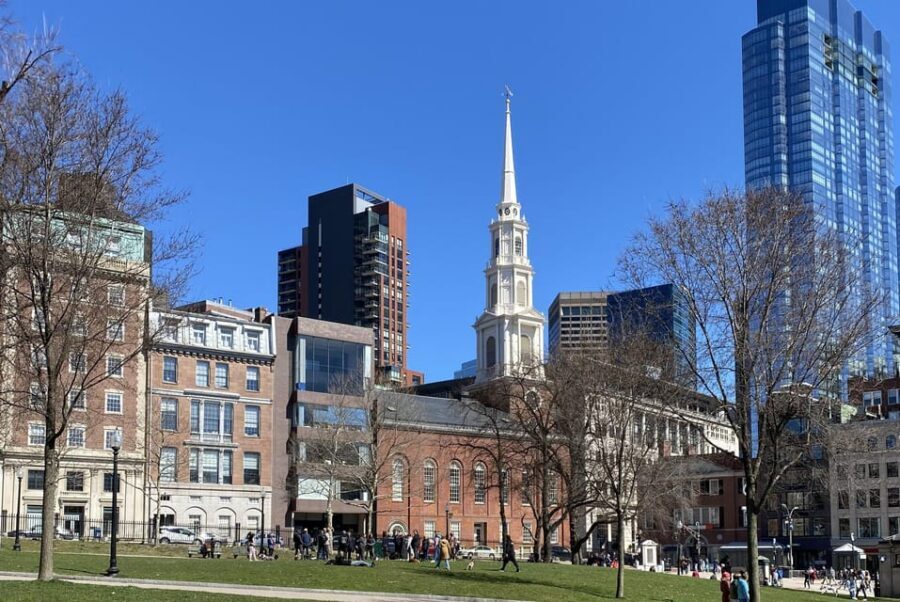
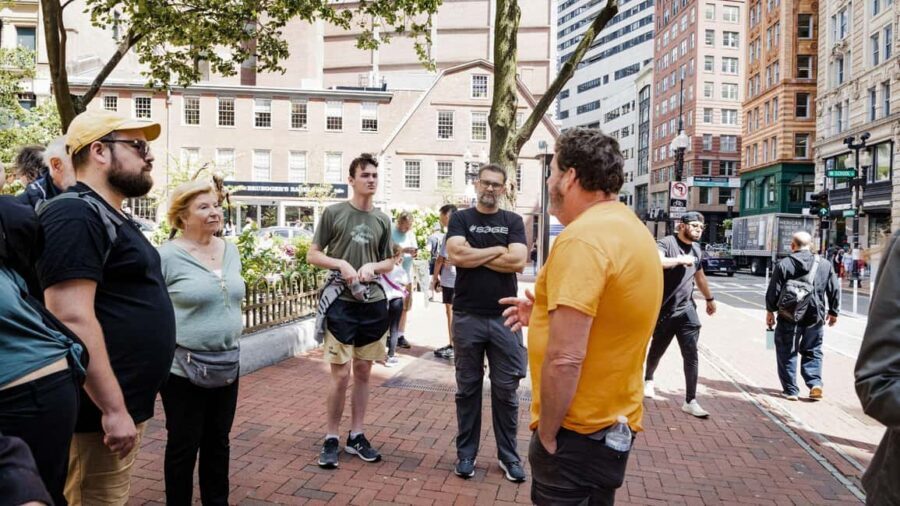
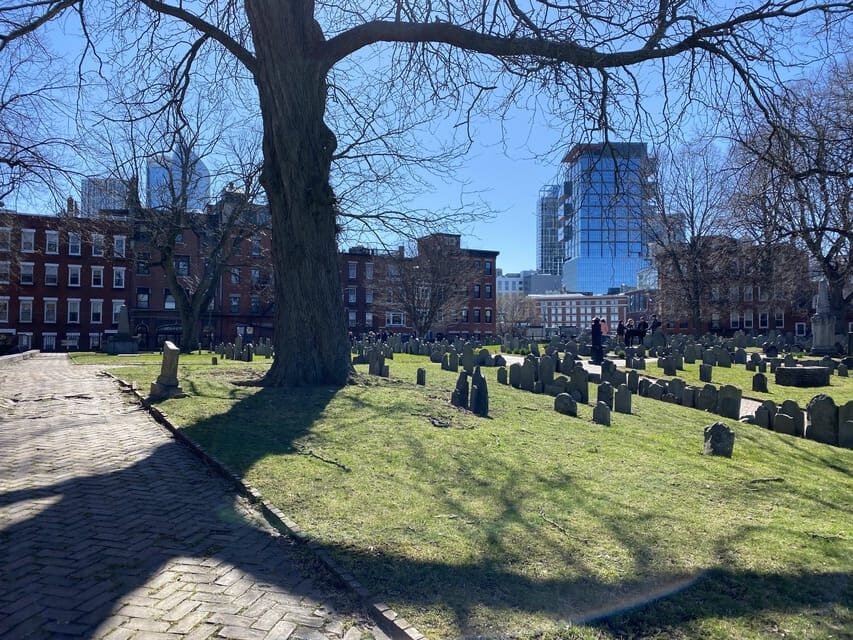
You begin at Boston Common, at the Boston Common Visitors Center. The meeting point detail is specific: you meet your guide in the alley to the left of the Visitor Center entrance inside Boston Common. The guide holds a sign that says Gilded Age Tour, so you can spot them quickly.
Boston Common is the smart launchpad. It’s central, it gives you an immediate sense of “real Boston,” and it’s where the Freedom Trail vibe starts—this idea of walking a route that links major moments from the city’s early days through the Revolution.
A good guided start also helps you understand what you’re looking at before you’ve even covered much distance. That matters on the Freedom Trail, because Boston’s streets can feel like a web. With the guide’s French-language explanation, you get context first, so the landmarks don’t blur together into a photo montage.
If you’re the type who wants to know what a place means before snapping pictures, this tour’s format is built for you.
You can also read our reviews of more walking tours in Boston


Massachusetts State House: a quick photo stop with a big backdrop
After Boston Common, you hit a photo stop at the Massachusetts State House. Even though it’s brief, it’s a useful pause for two reasons.
First, it anchors the story of government. Boston isn’t just old buildings; it’s also where political ideas and civic power were tested, argued, and reshaped.
Second, the timing works. You’re fresh enough to absorb the guide’s framing, but not so early that you’re still finding your rhythm. You’ll be in learning mode rather than “wait, where am I?” mode.
Tip: bring your camera ready, but also give yourself a few seconds to look past the obvious landmark. Boston’s power often shows up in details—street layout, nearby institutions, and how the city grew outward from civic areas.
Old South Meeting House: revolution talk, right where it mattered
Next up is Old South Meeting House for another photo stop. This is one of those places where the walls feel like they’re holding onto arguments from long ago.
What makes this stop valuable isn’t just the building itself. It’s how the guide uses it to explain Boston’s role in the American Revolution and how public meetings shaped decisions. You also hear about the city’s construction and architecture along the way, so the tour doesn’t treat history like a museum display. It treats it like something built into daily life—then and now.
This stop is a good example of why a guided walking tour beats self-guided wandering. On your own, it can be easy to read the sign, take a picture, and move on. With a guide, you get the story of why that meeting place mattered.
You also cover a wider cast of figures and themes across the walk—abolition, American education, immigration, and even contemporary daily life—so the revolution story doesn’t float in the past. It connects to other threads the guide weaves into the route.
Old State House and the Boston Massacre site: how memory becomes a street scene
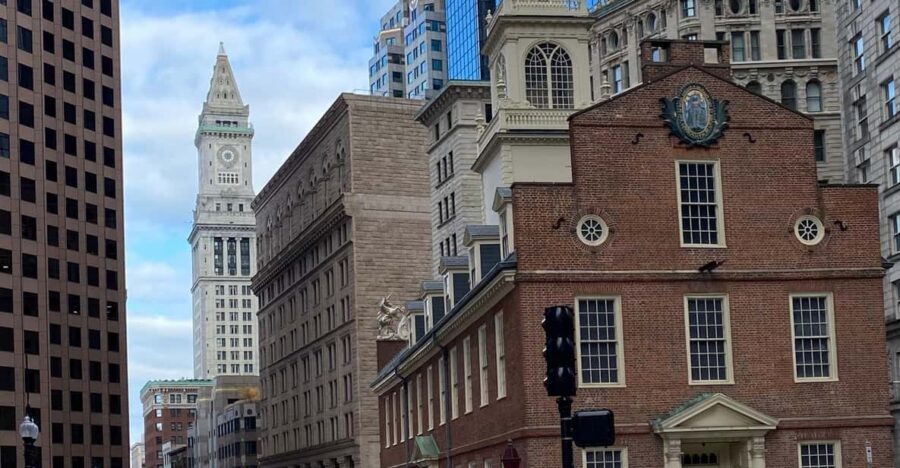
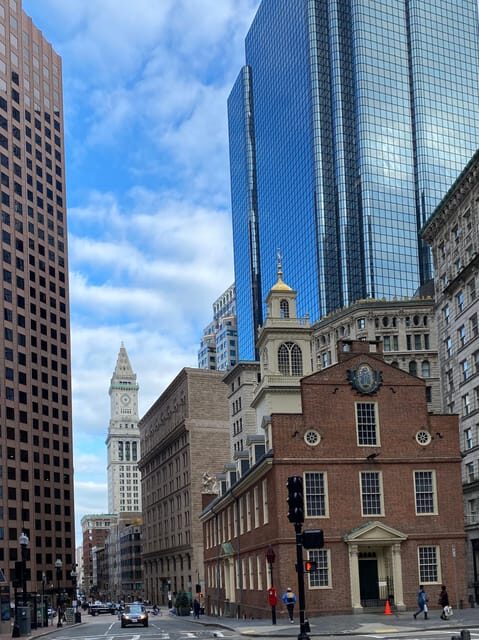
Then you move to the Old State House for a photo stop, and the route also includes the site of the Boston Massacre. This is where the Freedom Trail becomes emotionally real.
You’re not just seeing a landmark. You’re learning how public events were understood, used, and remembered—and how Boston’s identity grew from conflict as much as from commerce and civic pride.
Old State House and the Boston Massacre site are especially powerful because they’re tied to the Revolution’s human cost. And that human element matters when you’re doing a walking tour that also covers schools, cemeteries, churches, and trade areas. The guide’s job is to keep the tone accurate and the story coherent, instead of letting everything become “old stuff, photo, move on.”
If you prefer your history with context—what happened, why it mattered, and how Boston carried it forward—this section is a highlight.
Faneuil Hall and the civic heart: politics, trade, and the crowd energy
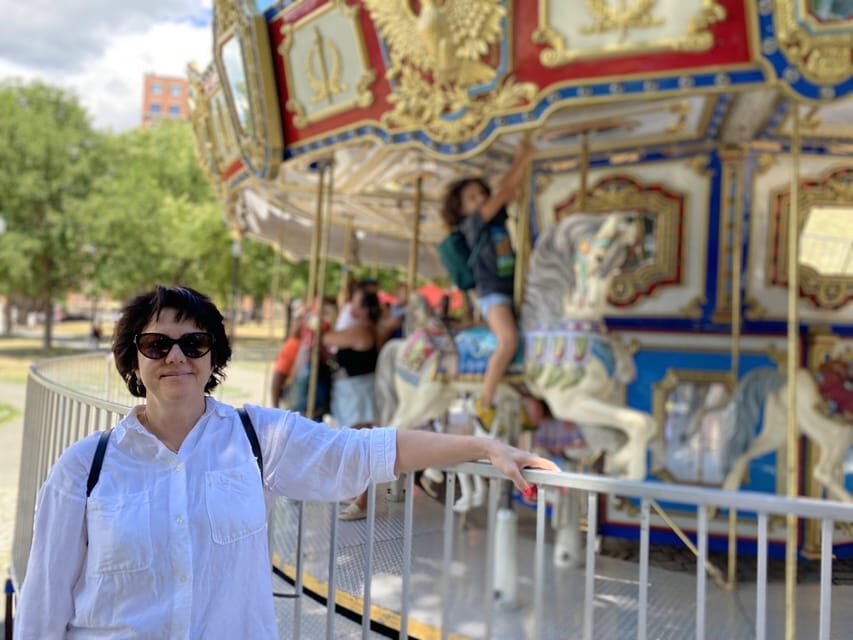
You reach Faneuil Hall next, another photo stop. Faneuil Hall is one of the Freedom Trail stops that tends to look straightforward until someone explains why it was such a big deal for public debate.
Faneuil Hall also connects with nearby themes on the route: public life, local institutions, and the trade-driven engine of the city. The tour even brings in areas associated with daily life and business, including stops and sights around the Oyster House restaurant area and Heymarket.
That mix is one of the tour’s strengths. You don’t only get government and war. You get the city as a working machine. Boston was a place where people gathered, argued, ate, traded, and raised families—then those same crowds became part of the revolutionary story.
If you’re doing this early in your trip, you’ll feel it: downtown Boston starts to make sense as a system, not a list of monuments.
You can also read our reviews of more guided tours in Boston




The Freedom Trail extras that make the tour feel complete
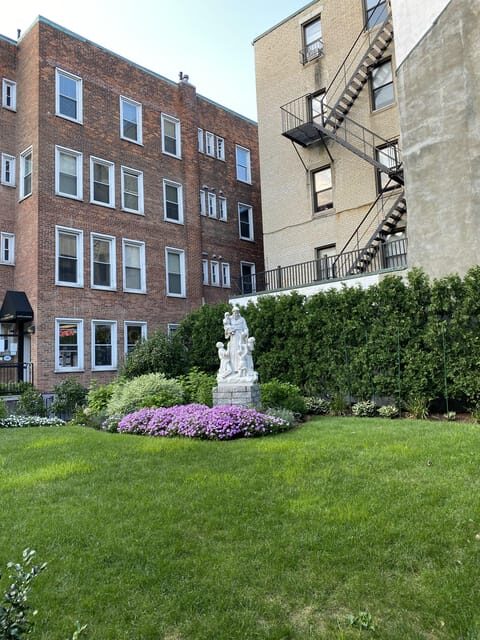
One reason I’d recommend this walk is that it doesn’t stick to the “headline” sites only. You also cover other major stops and landmarks tied to Boston’s founding and Revolution-era world.
Along the way, you’ll encounter places like:
- Park Street Church
- Granary Cemetery
- King’s Chapel
- The statue of Benjamin Franklin
- Latin School
- Old Corner Bookstore
- Old South Meeting House (also on your timed stop list)
- Paul Revere’s house and Equestrian Statue
- Old North Church
- Copp’s Hill Cemetery
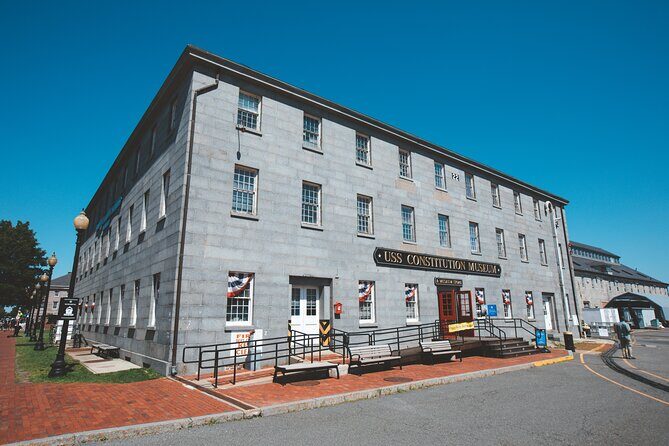
- USS Constitution
- Bunker Hill Monument
That’s a lot to pack in, and the guide matters here. You’re not just seeing famous names. You’re learning what connects them. And the route keeps turning “random famous objects” into a timeline you can actually follow.
If you’re the kind of visitor who forgets dates but remembers characters and cause-and-effect, this format works well. You leave with a sense of how Boston grew from its founding era into a revolutionary city—then into the Boston you recognize today.
North End guided time: where history meets everyday food-city energy
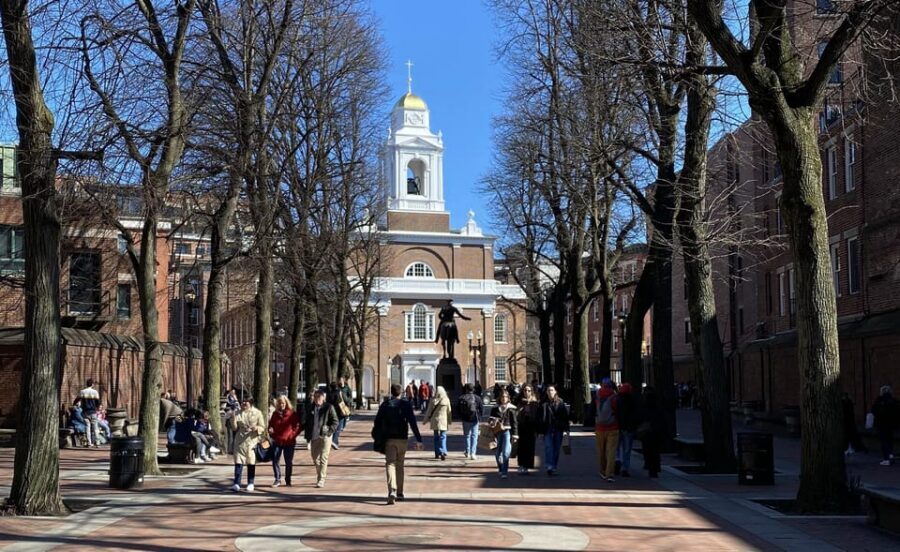
The tour includes a guided segment in the North End (a 30-minute guided tour). This is a smart choice for a walking tour ending on a high note. The North End isn’t just a finishing line; it’s a neighborhood where you can feel immigration and community life in the streets.
This portion also helps balance the heavier revolutionary moments with more “how people lived” storytelling. The guide ties in themes like immigration and education, so the North End section feels like a continuation of the larger Boston story, not a separate chapter.
When you finish, you’re placed right where you’ll want to keep wandering: Copp’s Hill Terrace, steps away from Old North Church and surrounded by Italian restaurants. That’s practical. After 2.5 hours of walking and learning, you’ll likely want real food fast. You’ll have it.
If you want to take photos without feeling rushed, the North End area is a good bet. It’s visually rewarding and it gives you a smooth transition into “exploring mode” rather than “end-of-tour sprint.”
Old North Church and Copp’s Hill Terrace: the tour’s emotional landing
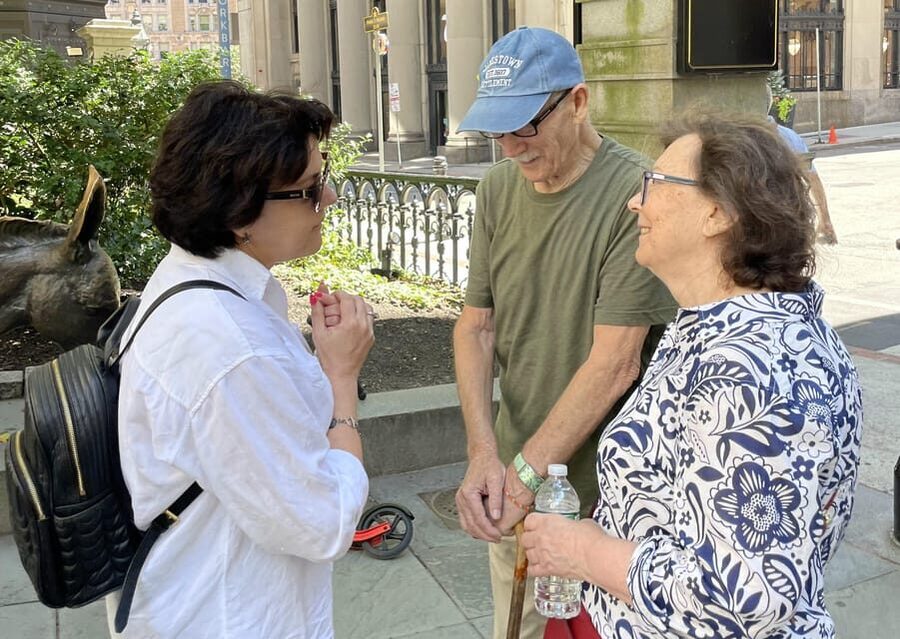
Old North Church is a photo stop, and then you finish at Copp’s Hill Terrace. This finish feels designed for both photos and reflection.
Copp’s Hill Cemetery and the Copp’s Hill Terrace area bring you a slightly elevated, quieter perspective compared to street-level crowds. You’re in an area that fits the tone of the Freedom Trail: part solemn, part proud, part Boston-in-the-morning-and-evening reality.
Even without doing museum time, you still get a satisfying sense of closure. The guide ends the walk in the North End zone, so you’re set up to extend your day on your own—grab a bite, wander a few extra blocks, or keep following the story by looking at what’s around you.
Modern Boston reminders: The Embrace, A Donkey, and the Holocaust Memorial
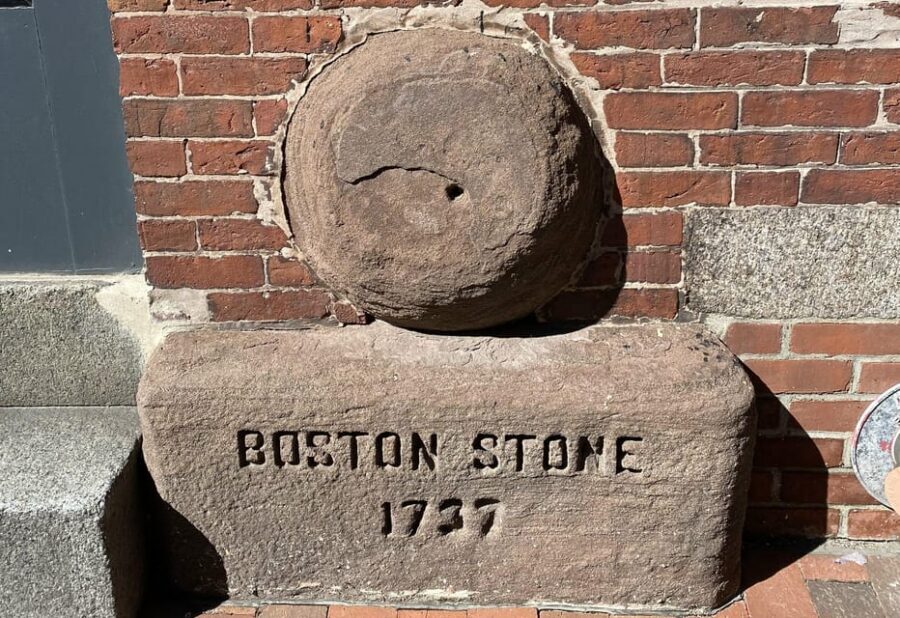
One of the more interesting twists in the route is that it doesn’t keep the focus stuck only in the colonial era.
You also encounter modern Boston sculptures and memorials, including The Embrace (a recent sculpture dedicated to Martin Luther King) and A Donkey, acquired from Italy. The tour also includes the Holocaust Memorial and other public works.
Why does this matter? Because it changes how you read the route. Boston isn’t a static “then and there.” It’s a city that uses public art and memorials to comment on modern values and historical memory.
So even if your main goal is the Freedom Trail and Revolution sites, the modern stops give you a clearer picture of what Boston’s public space is doing now: honoring certain stories, warning against others, and keeping history visible.
It’s also a welcome tonal shift. After repeated revolutionary details, these modern reminders help reset your brain without losing the theme of remembrance.
French guidance in a small-group format: what it changes for you
The tour runs in French, and the guide is described as a Francophile ready to share original anecdotes. That combination can make a big difference if you’re trying to connect with Boston instead of just collecting facts.
A small group (max 15) helps in two ways:
- You’re more likely to hear everything clearly, even if the streets get noisy.
- You get the kind of “moving conversation” feel where the guide can adjust pacing.
The standout in the positive feedback is the guide’s ability to explain clearly and keep the story readable—even for kids and for families. Maria, for example, is singled out for being very clear, intensely knowledgeable in a way that makes sense, and entertaining without turning into a performance.
That matters because the Freedom Trail can feel like a test if you’re trying to memorize everything. A good French guide helps you understand the logic of the city’s growth. You’re not just learning dates. You’re building a framework you can use the rest of your trip.
Price, pace, and value: is $45 worth it?
At $45 per person for about 2.5 hours, this is fairly priced for a guided, small-group, French-language walking tour covering a lot of key sites.
Here’s how I’d judge the value:
- You’re not paying for museum tickets, but you are paying for a guide who connects sites and stories. That connection is often what you’d miss doing self-guided walking.
- You’re also paying for time efficiency. Covering major locations like Old State House, Faneuil Hall, Old North Church, and getting through the North End area in a single morning/afternoon is hard to do well on your own without missing links.
- The max 15 group size keeps it from feeling rushed or crowded, which is worth money in a city center.
The only “cost” you pay is effort: you’ll be walking. If you’re planning a heavy day with multiple long museum stops, you might want to place this tour earlier, when your energy is higher.
If you want a single guided hit to make the whole downtown area click, this price makes sense.
Practical tips before you go
This is a walking tour through downtown Boston, so keep your choices simple:
- Wear comfortable shoes. You’ll be on foot long enough to notice if they’re wrong.
- Bring a layer. Boston weather can shift quickly, even when the forecast looks stable.
- Plan your meal timing for after the finish in the North End. You’ll be surrounded by Italian options right where the tour ends.
Also, because the tour is in French, it helps to know your comfort level. If you speak French at all, you’ll feel the value right away. If you don’t, you can still enjoy the visuals and the overall structure, but the full payoff is clearly for French speakers.
Should you book this French Freedom Trail walking tour?
Yes, if you want the Freedom Trail to feel like a story with a timeline, not just a checklist of stops. I’d book it if you:
- want a first-time Boston orientation that explains the founding and Revolution through real places
- prefer small groups and a guide who keeps things clear
- want the tour to end in the North End so your day naturally continues with food and walking
Skip it if you hate walking, or if you’re looking for museum interiors and formal exhibits—this one focuses on the streets, churches, landmarks, and public spaces rather than ticketed museum time.
If you like your history with movement, public-sight context, and a French-speaking guide who can make Boston’s past feel understandable, this is an excellent way to start.
FAQ
How long is the Boston Freedom Trail guided walking tour in French?
The tour lasts about 2.5 hours.
Where does the tour start?
Meet your guide in the alley to the left of the entrance to the Boston Common Visitors Center inside Boston Common. The guide will be holding a sign that says Gilded Age Tour.
Where does the tour end?
The tour ends at Copp’s Hill Terrace, just steps away from Old North Church.
How many people are in the group?
It’s a small-group experience with a maximum of 15 people.
What language is the tour offered in?
The tour is offered in French.
Is this tour wheelchair accessible?
Yes, it is listed as wheelchair accessible.
Are museum visits included?
No. Museum visits are not included.
What sites are covered on the Freedom Trail route?
You’ll cover major Freedom Trail landmarks including Park Street Church, Granary Cemetery, King’s Chapel, the statue of Benjamin Franklin, Latin School, Old Corner Bookstore, Old South Meeting House, Old State House, the Boston Massacre site, Faneuil Hall, Paul Revere’s house and Equestrian Statue, Old North Church, Copp’s Hill Cemetery, USS Constitution, and Bunker Hill Monument, plus other nearby points.
What is the cancellation policy?
You can cancel up to 24 hours in advance for a full refund.
Is there an option to reserve without paying right away?
Yes, there’s a reserve now & pay later option mentioned for flexible planning.