REVIEW · BOSTON
Dumplings to Dim Sum: Food and History Tour of Boston’s Chinatown
Book on Viator →Operated by Bites of Boston Food Tours · Bookable on Viator
You can taste Boston’s Chinatown story. This intimate walking tour mixes neighborhood history with real food samples, from classic Chinese dishes to Chinese-American favorites and modern spins. You’ll also walk through streets that shape the area’s hybrid food culture, not just photo stops.
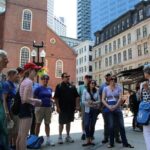
I love the small group size (max 12), which keeps the pace relaxed and the guide’s attention focused. I also like that the tour is built around food tastings plus context, so each bite connects to why Chinatown in Boston looks and tastes the way it does.
One possible drawback: if you’re sensitive to sound in a group, plan to position yourself where you can hear clearly. One past participant noted trouble hearing most of the narration, and that’s a reminder to choose a spot with good sightlines.
In This Review
- Key moments that make this tour worth your time
- Dumplings to Dim Sum: what this Boston Chinatown food walk really gives you
- Group size, timing, and the $135.45 value math
- Starting at the Chinatown Gate: easy transit and a tour that fits real schedules
- The core experience in Chinatown: history you can taste
- Your guide in the spotlight: stories, pacing, and clear moments
- Eating on a dumplings-to-dim-sum route: how to leave happy, not stuffed
- Rain, shine, and what to pack for a 2.5-hour walk
- Who this Boston Chinatown tour fits best (and who should rethink it)
- Should you book Dumplings to Dim Sum in Boston?
- FAQ
- How long is the Dumplings to Dim Sum tour?
- What does the tour cost?
- What’s included in the ticket price?
- Are tips included?
- Where does the tour start?
- Is this tour suitable for children?
- What happens if the weather is bad?
Key moments that make this tour worth your time
- Hybrid food, not just one style: Chinese, Chinese-American, and modern Asian tastings in one walk
- History between bites: stories about how Chinatown developed and how Chinese food changed in America
- Chef-owner perspective: tastings come from eateries tied to second-generation chef owners in the neighborhood
- Small-group feel: up to 12 people for an easier, more personal experience
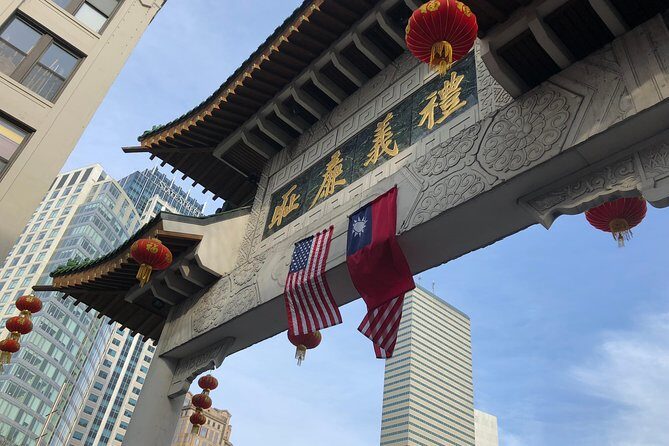
- Prime location start: meeting at the Chinatown Gate near the Orange Line and South Station
- You leave full: multiple tastings are part of the point, not an add-on
Dumplings to Dim Sum: what this Boston Chinatown food walk really gives you
If you’ve ever wondered how one neighborhood can shape a whole food identity, this is a practical way to learn. This tour pairs a guided Chinatown walking route with tastings that reflect the area’s Chinese-American blend—the kind that shows up in menu choices, cooking styles, and everyday habits.
The big value here is that you’re not just eating. You’re also getting the “why.” The guide shares how Boston’s Chinatown developed, then talks about the evolution of Chinese food in America, including parts that developed specifically in the Boston area. That turns dumplings and other comfort foods into clues you can interpret while you walk.
And yes, the food is the main event. Expect traditional Chinese specialties, dishes that became Chinese-American staples, and modern twists served by local restaurants. The tastings are included, along with all fees and taxes—so you’re not doing mental math every time a plate lands.
You can also read our reviews of more food & drink experiences in Boston

Group size, timing, and the $135.45 value math
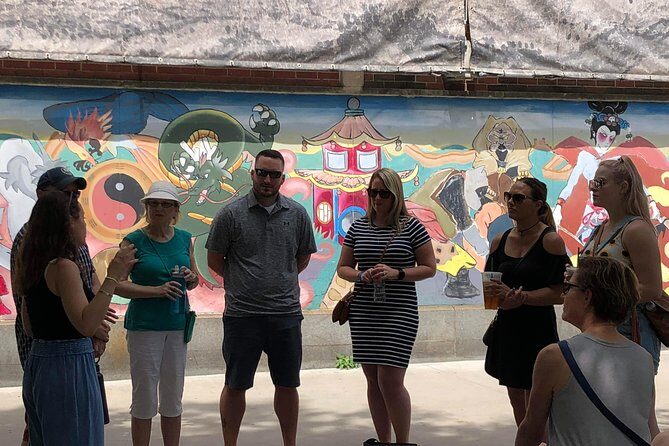
This tour runs about 2 hours 30 minutes and starts at 11:00 am. At $135.45 per person, it isn’t a budget gamble—but the structure is designed to feel like value, not just “pay for a walk.”
Here’s how the price makes sense for most people:
- You’re paying for the guide and the route, plus the cost of multiple tastings.
- All food tastings are included, spanning Chinese, Chinese-American, and modern Asian cuisine.
- Fees and taxes are included in the ticket price.
What’s not included? Gratuity for your guide. That matters because it’s typical to tip at the end, especially on a tour where you’re learning and eating along the way.
Also keep the group size in mind. With a maximum of 12 travelers, you should get questions answered and stories explained without feeling like you’re shouting over a crowd. That’s a big part of why this tour earns a near-perfect recommendation rate.
Starting at the Chinatown Gate: easy transit and a tour that fits real schedules
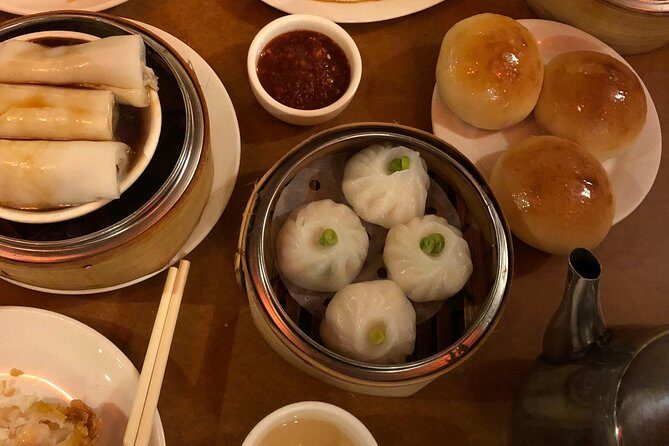
The meeting point is at the Chinatown Gate on John F Fitzgerald Surface Rd & Beach St, Boston. The tour ends back at the same place, so you’re not hunting for a final stop or rearranging your day at the last minute.
Location-wise, it’s convenient:
- Near the Chinatown T stop on the Orange Line
- Also close to South Station on the Red Line
Parking is the tricky bit. Boston meters have a 2-hour limit per block, which usually won’t cover the length of the tour. If you’re driving, plan on public transportation or a nearby lot.
A small practical tip: because this is a walking tour, wear comfortable shoes and a layer. Chinatown streets can feel warmer or cooler than you expect, and you’ll be moving for the full time.
The core experience in Chinatown: history you can taste
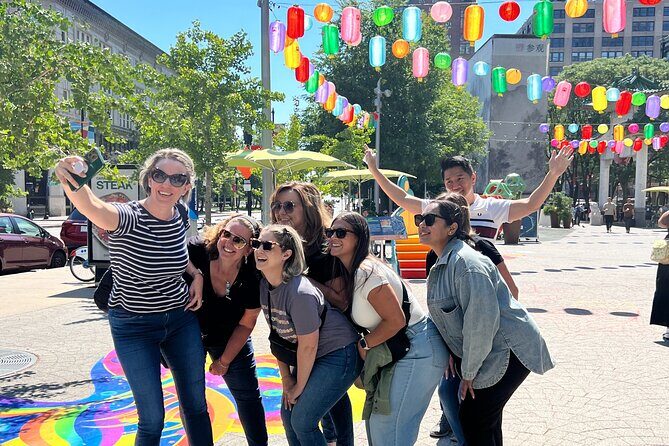
The whole tour centers on Chinatown, with the guide weaving history and food culture together as you walk. You’ll learn about:
- The development of Boston’s Chinatown
- How Chinese food evolved in America
- Cuisine aspects that developed in the Boston area
That history piece matters because food doesn’t appear out of nowhere. When the guide connects a dish to community life, immigration patterns, or changing tastes, the meal becomes more meaningful—and you’re more likely to remember it.
On the food side, the tastings are grouped into three buckets:
- Traditional Chinese specialties
- Chinese-American dishes
- Modern twists on traditional cuisine
That mix is exactly what you want if your goal is understanding Chinatown’s hybrid identity. Instead of one cuisine lane, you get the full progression: origins, adaptations, and what happens when new generations and new chefs keep reshaping tradition.
And the tour doesn’t treat the food as anonymous. It specifically highlights the neighborhood’s second-generation chef owners, so you’re tasting with a sense of who’s continuing the story and how that shows up on the menu.
Your guide in the spotlight: stories, pacing, and clear moments
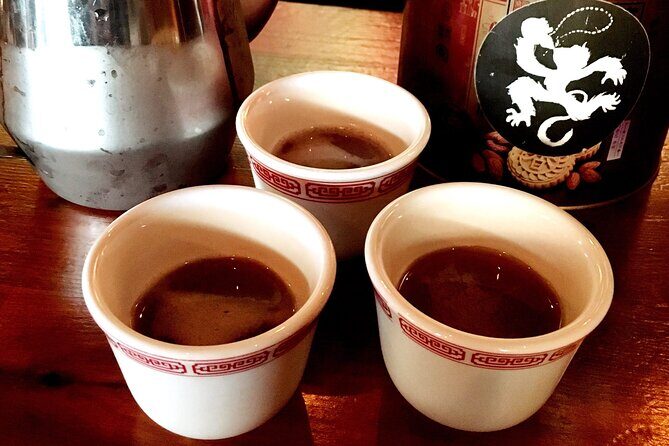
The guide drives the whole experience. In particular, the tour’s energy is tied to guides who make history feel like conversation rather than a lecture. Names that have come up include Swetha and Katie, both described as fun, friendly, and exceptional by people who booked the tour.
What that means for you on the ground:
- You should feel the pacing is designed to land right between tastings, so you’re not stuck with long speeches while you’re hungry.
- You’ll get historic tidbits and food context in a way that’s easy to follow while walking.
That said, there’s one reality check. In one case, a participant couldn’t hear the guide for most of the tour. You can reduce the odds of that happening to you by:
- Staying near the front or closer to where the guide is likely to stop and speak
- Adjusting if you notice others blocking your view
- Letting the guide know quickly if you can’t hear well
Food tours are social, and your comfort matters. If hearing is a concern, position yourself early and stay flexible.
You can also read our reviews of more tours and experiences in Boston

Eating on a dumplings-to-dim-sum route: how to leave happy, not stuffed
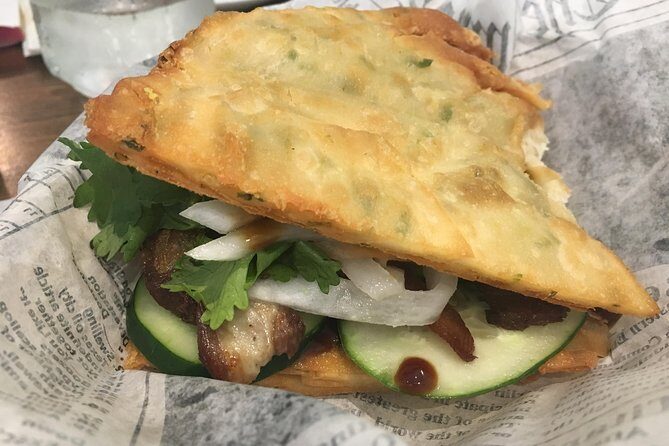
Food tours succeed or fail based on what you do with the tastings. Here’s how to get the best result from this one.
First, come hungry enough that the first bites don’t feel like an afterthought. The tour is built to be satisfying by the end. Many people describe leaving full, even if they’re not physically bursting at the seams.
Second, be willing to try everything. The tour’s theme is variety—traditional, Chinese-American, and modern—and that only works if you don’t cherry-pick. If you like food, this is where you’ll get surprised by what you actually like most.
Third, pace yourself with water. You’re walking, tasting, and listening. Even if you love dumplings, you’ll enjoy the tour more if you slow down between samples.
Finally, think about what you’re comfortable with. This tour is not recommended for participants under 12. If you’re traveling with older kids, you’ll likely have a great time. If you’re bringing younger children, you may want a different option.
Rain, shine, and what to pack for a 2.5-hour walk
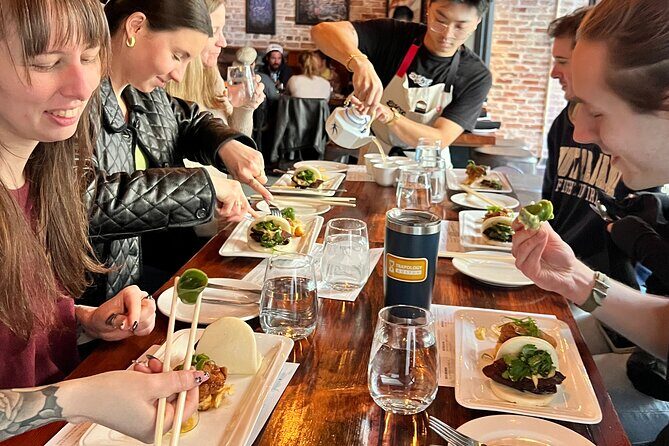
The tour runs rain or shine, so you should plan for weather shifts. Bring what you need for the forecast—an umbrella or light rain gear helps if showers roll through. If weather is truly poor, the provider notes that the experience can be canceled and you’d be offered a different date or a full refund.
Pack simple:
- Comfortable shoes
- A light layer
- Something for rain if the forecast looks iffy
If you’re the type who gets cold or hot easily, dressing in layers is your best friend on a neighborhood walk.
Who this Boston Chinatown tour fits best (and who should rethink it)
This tour is a strong fit if you want:
- A small-group food and history experience
- A guided way to understand Chinatown beyond surface-level facts
- Tastings that reflect Chinese, Chinese-American, and modern influences
It’s also a good choice for locals or repeat visitors. Even if you’ve walked Chinatown before, you’ll likely pick up something new about how the neighborhood developed and how the food evolved.
If you’re not into walking, this might be a harder sell. It’s a walking tour for about 2 hours 30 minutes, and that time includes the route plus stops. Also, if you’re traveling with very young kids, note the under-12 recommendation.
Should you book Dumplings to Dim Sum in Boston?
Book it if you like the idea of learning while you eat—and you want Chinatown’s story explained through tastings, not museum-style notes. The combination of small-group attention, included food, and a guide who connects dishes to neighborhood history is the winning formula here.
Skip it (or consider a different format) if you know you struggle with walking tours, you’re very noise-sensitive, or you’d rather taste on your own time instead of following a timed route. And if tipping surprises you, remember that gratuity isn’t included, so plan for that at the end.
If you want a fun afternoon that leaves you both informed and fed, this is one of the better ways to experience Boston Chinatown on purpose.
FAQ
How long is the Dumplings to Dim Sum tour?
It lasts about 2 hours 30 minutes.
What does the tour cost?
The price is $135.45 per person.
What’s included in the ticket price?
Your ticket includes a guided walking tour, all food tastings, and all fees and taxes.
Are tips included?
No. Gratuity for your tour guide is not included, though tips are graciously accepted at the conclusion of the tour.
Where does the tour start?
The meeting point is at the Chinatown Gate on John F Fitzgerald Surface Rd & Beach St, Boston, MA 02111, and the tour ends back at the meeting point.
Is this tour suitable for children?
This experience is not recommended for participants under 12 years of age.
What happens if the weather is bad?
The tour runs rain or shine. If it’s canceled due to poor weather, you’ll be offered a different date or a full refund.