REVIEW · BOSTON
Boston: Guided Seafood Tasting and History Tour
Book on GetYourGuide →Operated by Intrepid Urban Adventures · Bookable on GetYourGuide
Old-school seafood, served with dockside stories. I love the behind-the-scenes lobster facility access and the way you finish with a final bite at a century-old seafood shack while your guide explains how Boston Harbor got cleaner. One heads-up: it is first and foremost a tasting tour, so if you want a long, sit-down history lesson or a dessert course, you may need to plan a sweet stop after.
This is a 150-minute guided experience in a small group (up to 12) that walks about 3.2 km / 2 miles. You’ll wear comfortable shoes, expect rain or shine, and you’ll leave with practical ideas on what to eat and where to go around the Seaport and Fort Point Channel area.
In This Review
- Key Things That Make This Tour Worth Your Time
- Walking Into Boston’s Seafood World From South Boston Maritime Park
- Harborwalk Views and a Quick Orientation Along the Water
- Behind the Scenes: What a Working Lobster Facility Actually Looks Like
- Boston Fish Pier: The Oldest Continuously Operating Pier in the U.S.
- Seafood Tastings That Feel Like a Full Meal (Not Just Nibbles)
- South Boston Waterfront and Fort Point Channel: Where the Stories Land
- Boston Harbor’s Clean-Water and Sustainability Message (And What You Should Watch For)
- Price and Value: Is $79 a Fair Deal for 150 Minutes?
- Who Should Book This Boston Seafood Tasting and History Tour
- Should You Book It?
- FAQ
- How long is the Boston Seafood Tasting and History Tour?
- Where does the tour start?
- What’s included in the price?
- What kind of seafood will I try?
- Is this tour suitable for shellfish allergies?
- How much walking is involved?
- Does it run in bad weather?
Key Things That Make This Tour Worth Your Time
- Working lobster facility access that goes beyond a menu photo
- The oldest continuously operating fish pier in the U.S.—you’re not just looking at the waterfront, you’re learning how it works
- Seafood tastings built like a full meal (lobster roll, clam chowder, and seasonal specialties)
- Boston Harbor conservation and sustainability talk tied to what fishermen bring in
- Small-group pace that feels personal without dragging
Walking Into Boston’s Seafood World From South Boston Maritime Park
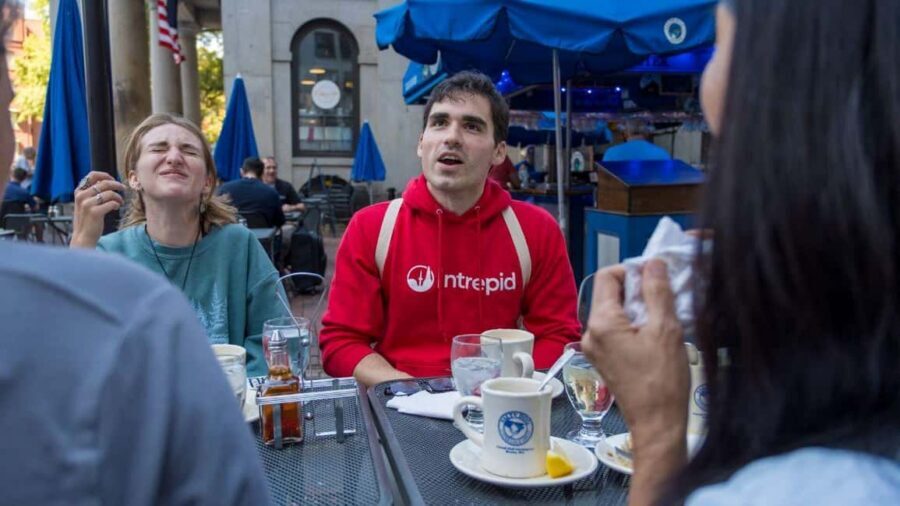
I like how this tour starts where the story actually lives: South Boston Maritime Park, at the corner of D Street and Congress Street. You meet in the center of the park near the outdoor seating and under the tall, shady roof structures. That small detail matters. It makes it easy to spot your group before you head out along the waterfront.
Then it’s straight into an easy rhythm—walk, stop, eat, listen, repeat. The day is designed for a wide range of ages and fitness levels, but do plan on roughly 2 miles of walking in total. Comfortable shoes are not optional if you want to enjoy the stops instead of counting minutes.
You’ll also notice the tour leans into responsible travel. It’s listed as carbon neutral and operated by a B Corp certified company committed to using travel as a force for good. Along the way, you’ll pick up responsible-travel tips that help you think a bit differently once you’re back out on your own.
You can also read our reviews of more food & drink experiences in Boston



Harborwalk Views and a Quick Orientation Along the Water
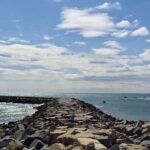
The first walking segment follows the Boston Harborwalk. This is where you get your bearings fast: you’re moving from the meeting point toward the working waterfront, so the city’s layout starts making sense in real time.
Why I like this early on: it helps you connect the food with the geography. A lobster roll tastes better when you know where the dock-side ingredient stories come from. And the Harborwalk stretch is a practical way to build energy before the tastings ramp up.
Expect short stops to look around and hear what your guide wants you to notice. Some guides also keep the vibe light with humor and quick back-and-forth conversation. In past groups, guides such as Nabil, Olivia, Allison, Lexie, Conner, and Adam have been singled out for mixing facts with an easy, fun delivery.
Behind the Scenes: What a Working Lobster Facility Actually Looks Like
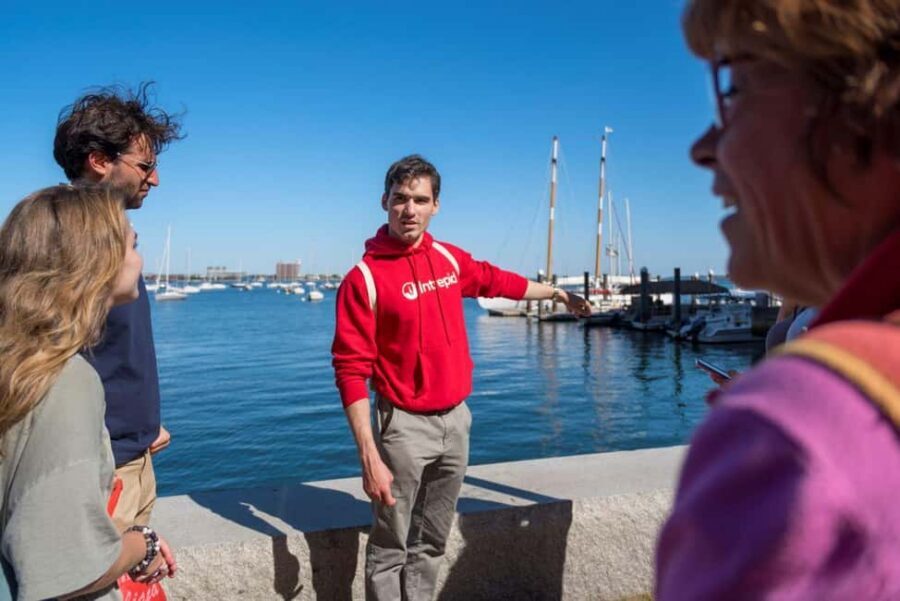
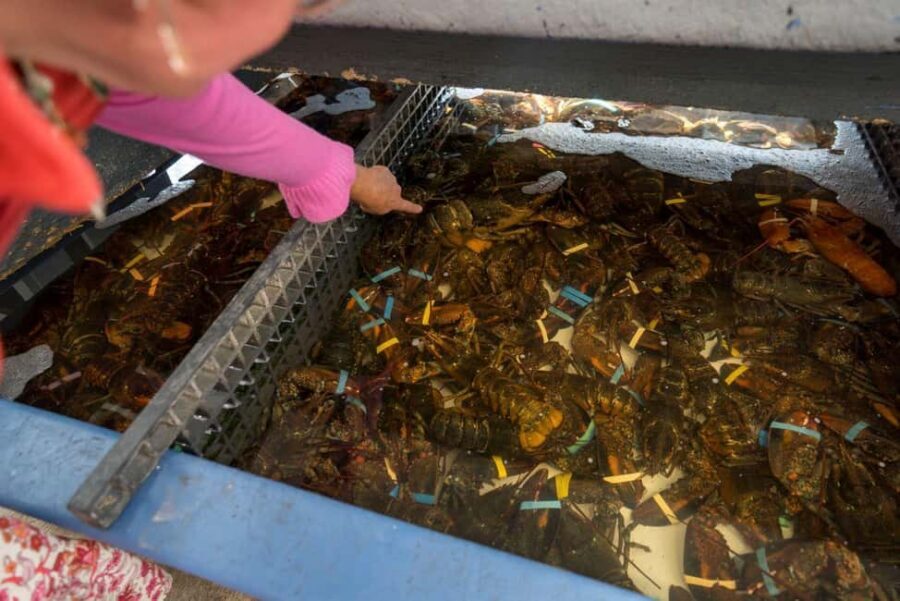
The tour’s big behind-the-scenes moment is access to a working lobster facility. This isn’t a themed building or a museum set. It’s the real operation behind the seafood you see on menus.
That changes how you taste. Instead of thinking of lobster as a single dish, you start thinking about the supply chain: the people who handle seafood day to day, the timing involved, and the fact that a working waterfront depends on steady systems. Even if you’re not a total seafood nerd, you’ll probably find yourself listening harder when you’re standing in the space where processing and handling happen.
This is also where the guide’s personality matters. Several recent guide standouts were praised for enthusiasm and for knowing the people behind the work—not just the facts. It’s the difference between a lecture and a conversation.
Boston Fish Pier: The Oldest Continuously Operating Pier in the U.S.
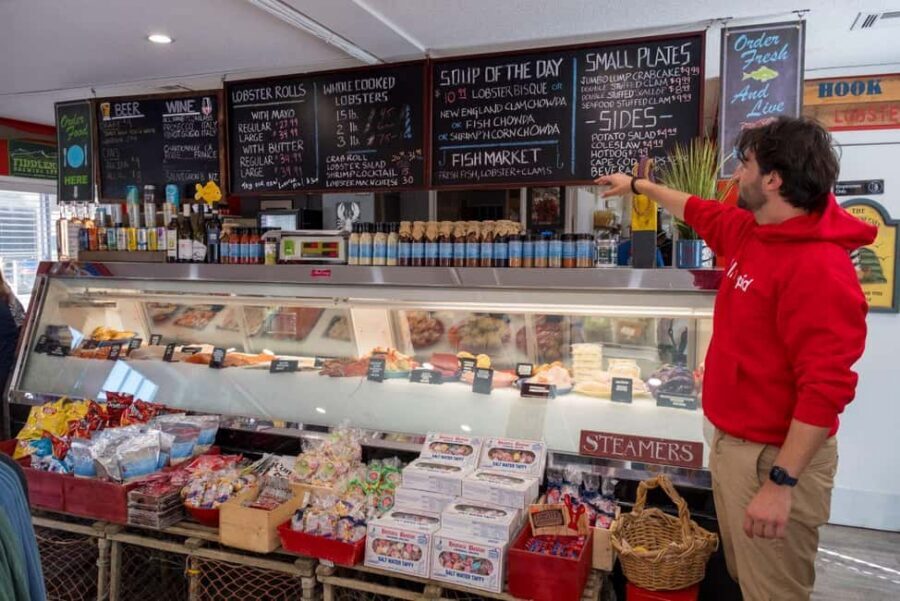
Next up is the Boston Fish Pier, and yes, it comes with a big claim: it’s the oldest continuously operating fish pier in the United States. You get guided access there, so the pier doesn’t feel like a random landmark. It becomes a working hub you can picture in your head when you’re back home planning your next seafood meal.
What you’re likely to notice depends on the day’s operations, but the key idea stays the same: this place is part history, part infrastructure. The “oldest continuously operating” detail matters because waterfronts change quickly. Boston’s fisheries and docks have evolved, but the pier’s ongoing role gives you a sense of continuity—how food systems can persist even as the city modernizes.
If you enjoy history that’s tied to everyday work, this stop should click. The tour also ties what you see here to broader themes—especially conservation and sustainability—so you understand why people work to keep Boston Harbor productive.
Seafood Tastings That Feel Like a Full Meal (Not Just Nibbles)
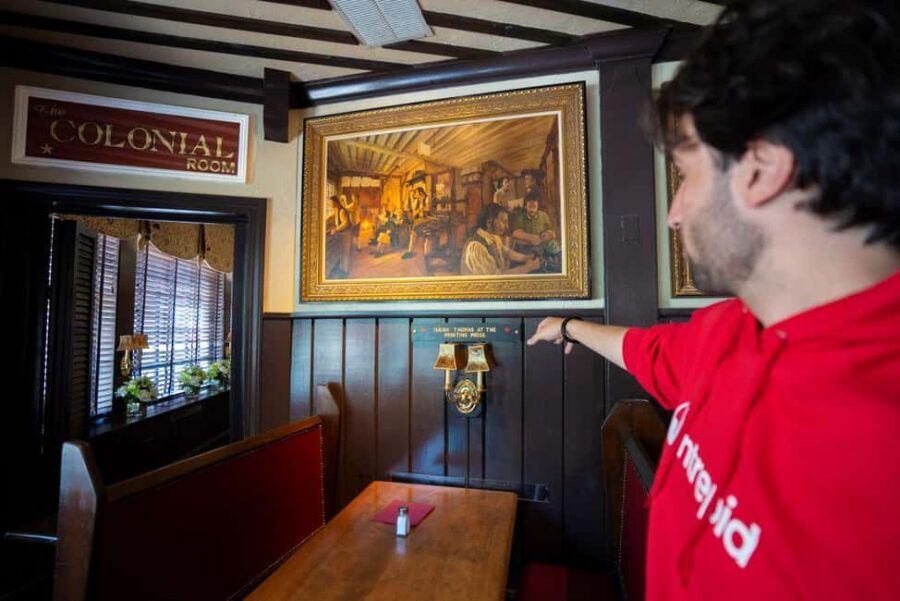
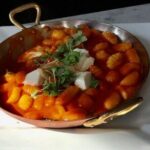
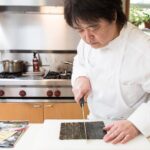
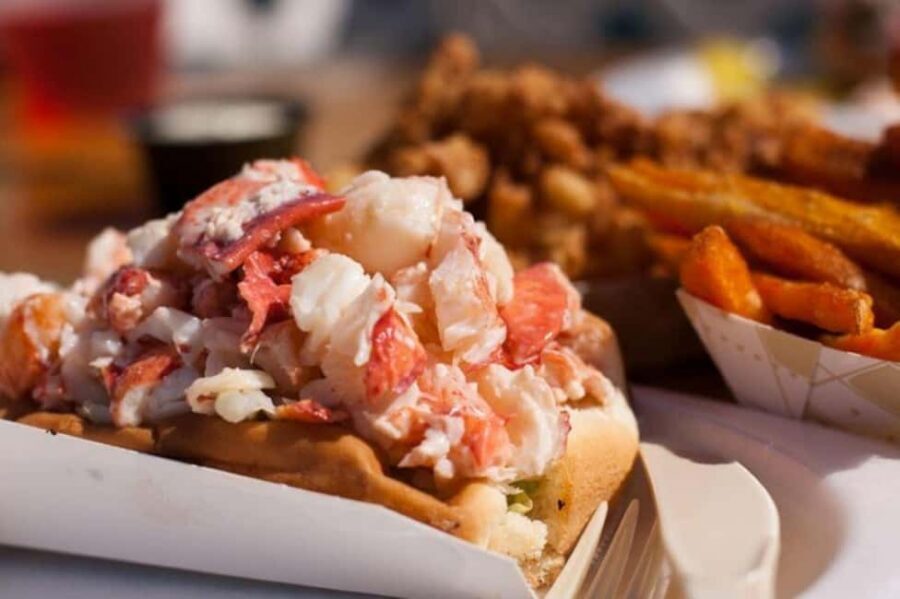
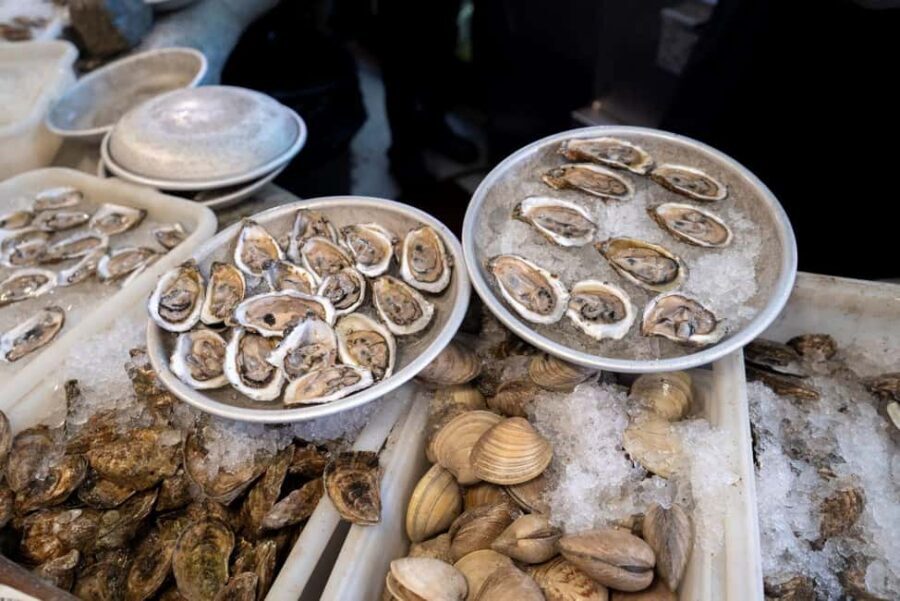
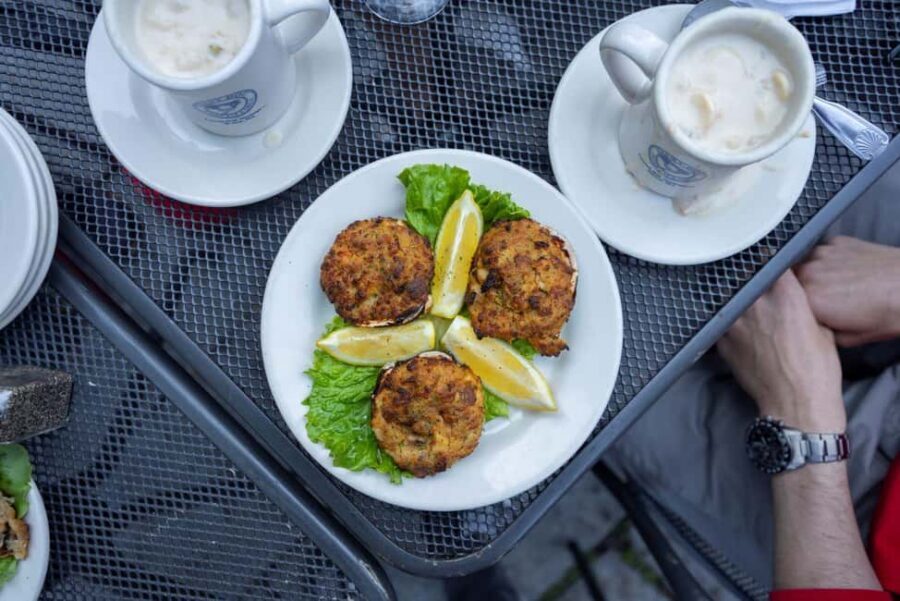
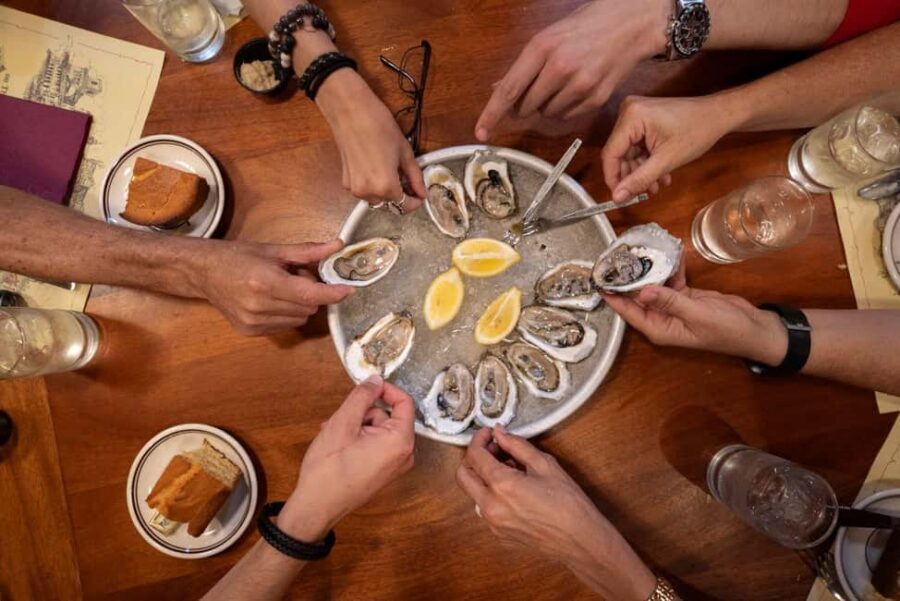
Let’s talk about the food, because that’s the point. The tour includes a variety of seafood samples that are designed to equal a full meal. Samples can include lobster roll, New England clam chowder, Atlantic bluefin tuna handrolls, stuffed clams, quahogs, and even raw oysters. Seasonal specialties may show up depending on what’s available.
Here’s how to think about the tasting lineup:
- Lobster roll: The classic payoff. You’re not just eating lobster—you’re learning how locals use butter, texture, and the whole lobster-roll culture to turn something simple into a signature.
- Clam chowder: Creamy, comforting, and very Boston. It’s often the stop that steadies your hunger so you can handle the rest of the walk without running on pure excitement.
- Oysters or other seasonal picks: If oysters are on the menu, you’ll understand how freshness and timing matter. If it’s fried clams or another seasonal item, it still fits the same theme: the menu adapts to the waterfront’s reality.
The tour pacing also matters. One review note you should take seriously: if you’re expecting the tour to be heavy on history, you might feel a little short. But if you’re a true foodie and you want a progression of tastes in historic settings, the structure works. Several guides were praised for arranging stops in a way that feels like a story, not a random hop from place to place.
One important limitation: this tour centers on shellfish. If you have a shellfish allergy, substitutions aren’t offered, and you won’t be able to safely swap items in most cases. If you have other food allergies, you need to advise at least 24 hours prior so the team can try to accommodate.
You can also read our reviews of more guided tours in Boston






South Boston Waterfront and Fort Point Channel: Where the Stories Land
Between the pier stops and the waterfront segments, you’ll move through the South Boston Waterfront area and then toward Fort Point Channel. This part of the walk helps you connect what you’ve learned to the urban fabric of the harbor.
Fort Point Channel is also where the tour’s final bite happens: a bite from a century-old seafood shack along the water. That end-of-tour finish matters because it gives you one last taste that feels earned, like a reward after seeing how the industry runs.
At that point, you’re also well-positioned for your own next step. The tour wraps at the Rose Kennedy Greenway, a strong place to pause, reset, and look around. It’s also a good mental transition: you went from working docks to a public park, and your guide’s tips help you decide what to do next without feeling lost.
Boston Harbor’s Clean-Water and Sustainability Message (And What You Should Watch For)
A lot of tours say sustainability. This one tries to connect it to operations and outcomes. You’ll hear how Boston Harbor became one of the cleanest urban waterfronts in the world and how sustainable fishing supports the long-term future of seafood.
What that means for you at street level:
- You’re getting context for why certain fishing practices matter.
- You’re learning that “fresh seafood” is not magic—it depends on systems, rules, and responsible handling.
- You’re also likely to leave thinking about your own ordering choices, especially when menus start advertising sustainability claims.
I also like that the tour includes responsible travel tips. Those small ideas don’t replace good choices in a restaurant, but they do nudge your habits in the right direction—like paying attention to seasonality and understanding that seafood quality connects to more than just taste.
Price and Value: Is $79 a Fair Deal for 150 Minutes?
At $79 per person for a 150-minute guided tour, this isn’t a bargain beer-and-bite situation. But it is also not overpriced for what’s included.
Here’s why the value makes sense:
- You’re getting multiple seafood samples that are intended to add up to a full meal, not small snacks.
- You’re also paying for exclusive access behind the scenes at a working lobster facility and special guided time at the oldest continuously operating fish pier.
- You’re buying the guide’s ability to explain what you’re seeing, including sustainability and how Boston’s harbor systems connect to the food chain.
If you were to recreate this on your own, you’d still spend money on several seafood stops, plus you’d pay for transport and lose the context. The guiding is the multiplier. It turns eating into learning you can actually use when you order seafood later.
Who Should Book This Boston Seafood Tasting and History Tour
This is a great fit if you:
- Love seafood and want a full meal’s worth of tastings with less guesswork
- Like history that ties directly to work and the city’s waterfront economy
- Prefer small groups (up to 12) and a guide who can answer questions
- Want a practical ending with tips on where to eat and what to do next
It’s not a great fit if you:
- Have a shellfish allergy (no substitutions are offered)
- Hate walking or want a mostly indoor experience
- Are looking for a long, detailed classroom-style history focus with no emphasis on food
Also, do go in knowing it’s rain-or-shine. If the forecast looks messy, dress for it and keep your shoes grippy.
Should You Book It?
Yes, book it if you want a Boston experience that tastes like the city. The working lobster access, the fish pier stop, and the food progression are a strong combo, especially if your idea of history is people and places doing real jobs.
Skip it only if shellfish is off the table for you, or if you’d rather spend the day on a more purely historical route. For everyone else, this is one of those tours that leaves you full, informed, and with a clearer sense of why Boston’s harbor matters.
FAQ
How long is the Boston Seafood Tasting and History Tour?
It runs for about 150 minutes.
Where does the tour start?
You meet at South Boston Maritime Park, near the outdoor seating and under the tall shady roof structures, at 600 D Street, Boston, MA 02210.
What’s included in the price?
The tour includes a guided walking tour of the Seaport District, a variety of seafood tastings that add up to a full meal, exclusive behind-the-scenes access to the oldest continuously operating fish pier, and insight into sustainable seafood practices.
What kind of seafood will I try?
The tastings can include lobster roll, New England clam chowder, Atlantic bluefin tuna handrolls, stuffed clams, quahogs, seasonal specialties, and possibly raw oysters. Exact items can vary.
Is this tour suitable for shellfish allergies?
No. The tour centers around shellfish and cannot offer suitable substitutions for shellfish allergies.
How much walking is involved?
The route includes about 3.2 km (2 miles) of walking.
Does it run in bad weather?
It runs year-round and proceeds rain or shine unless weather creates a dangerous situation.