REVIEW · BOSTON
Boston: City History and Highlights Audio App Walking Tour
Book on GetYourGuide →Operated by Knockabout Travel · Bookable on GetYourGuide
Boston has a way of turning sidewalks into storybooks. This self-guided audio walk connects Copp’s Hill to the Public Garden with GPS timing and a Founding-era soundtrack you can pause and resume. You’ll also get a practical look at how later waves of newcomers shaped real neighborhoods, not just famous speeches.
I especially like that the tour uses GPS-enabled turn-by-turn directions, so the audio starts when you reach each spot. I also like the range of topics packed into a compact route: from Paul Revere and the Old North Church to the North End’s food-and-immigration story and even a 1919 molasses moment.
The main drawback to think about is tech and context: the tour is smartphone-based (headphones and a charged device help a lot), and one key site—the Old North Church interior—can’t be visited on Mondays.
In This Review
- Key takeaways before you set off
- Copp’s Hill to the Public Garden: a GPS-guided Founding Story Walk
- What You Actually Get for $7: audio, directions, and freedom to pause
- Getting started at Copp’s Hill Burying Ground: the route’s oldest opening act
- North End time travel: Cotton Mather, Salem-era tensions, and real neighborhood smells
- Old North Church and the midnight riders: the signal story made walkable
- Paul Revere House to the Rose Kennedy Greenway: food, Big Dig talk, and city change
- Quincy Market, street performers, and Samuel Adams at Faneuil Hall
- Old State House: John Adams defending the Boston Massacre perpetrators
- Granary Burying Ground: where the big names rest
- Molasses in the North End and the Boston Common question: ending with food facts and civic ideas
- Does This App Work Smoothly? Practical tech notes that can make or break it
- Who should do this self-guided walk, and who should skip it
- Should you book this Boston City History and Highlights Audio App Walking Tour?
- FAQ
- Where does the tour start?
- What app do I use to start the audio?
- How long is the walking tour?
- Is the tour guided by a live person?
- What language is the audio guide in?
- Does it use GPS for navigation?
- Can I pause and resume the tour?
- Is the Old North Church accessible on Mondays?
Key takeaways before you set off
- GPS turn-by-turn keeps the audio tied to the right locations without constantly checking your map
- Two centuries of Boston in one route: Colonial ministers, Revolution signals, and later immigrant life
- No live guide means you control pace, stops, and how long you linger at each landmark
- Pause and resume makes it easier to fit into a busy day and not feel rushed
- Old North Church exterior on Mondays (interior access isn’t available)
Copp’s Hill to the Public Garden: a GPS-guided Founding Story Walk
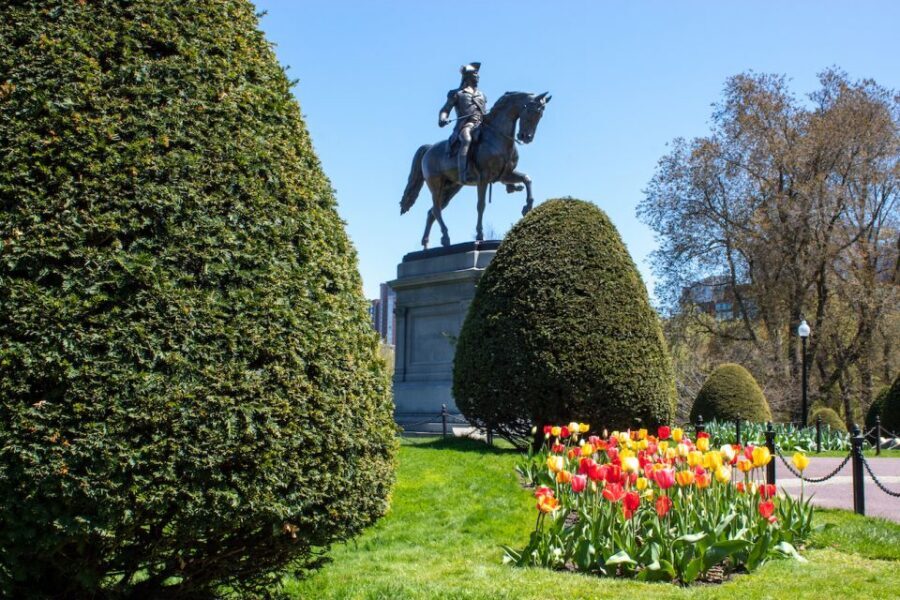
Think of this tour as a guided conversation with Boston’s past—minus the group pacing. You start at the entrance of Copp’s Hill Burying Ground, then work your way through some of the city’s most recognizable corners, finishing at the George Washington Statue in the Boston Public Garden. The audio is designed to trigger at each stop, so you get that nice cause-and-effect feeling: you walk to a place, then the story catches up to where you are.
Because it’s self-guided, you can slow down for photos, duck into Quincy Market area crowds, or simply stop walking while you process the names and dates. The route is built to feel like a timeline you can stroll through.
You can also read our reviews of more walking tours in Boston


What You Actually Get for $7: audio, directions, and freedom to pause
For $7 per person, you’re paying for three things that matter in a city like Boston: structure, narration, and navigation. The structure is the planned sequence of stops. The narration is the audio guide in English. And the navigation is the GPS-enabled, turn-by-turn system, which helps you keep moving without constant phone-checking.
The big value here is flexibility. You can pause and resume at any time, which is a real lifesaver when you’re sharing space with weekend foot traffic, street performers, or unexpected queues near major landmarks. It’s also a good match for people who don’t love group tours but still want a clear route and context.
You do need to accept the trade-off that comes with self-guided audio. If your phone battery is low or the app doesn’t cooperate, you’ll have to do more of the navigating yourself. That’s the kind of risk you can mostly manage with a little prep.
Getting started at Copp’s Hill Burying Ground: the route’s oldest opening act
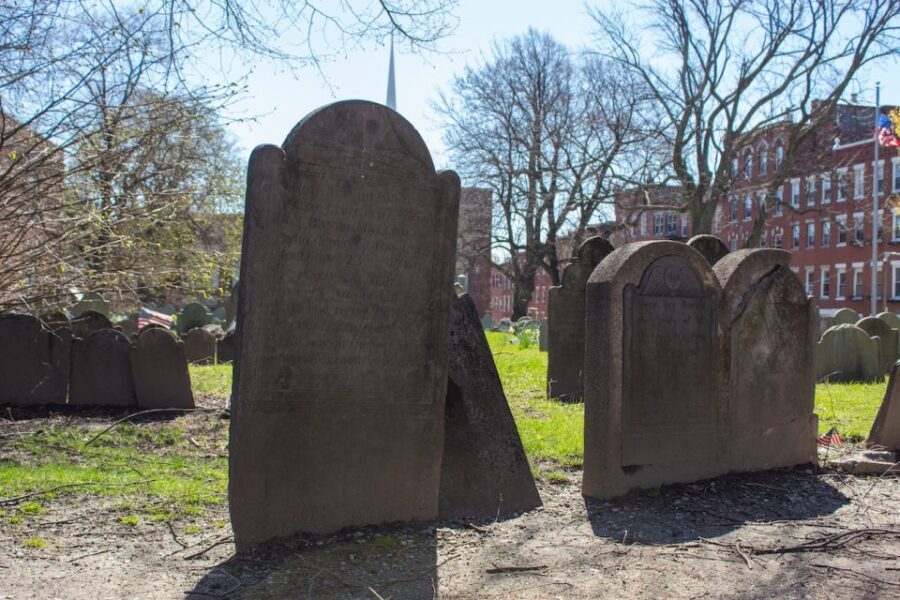
The tour begins at the entrance of Copp’s Hill Burying Ground. When you open the Voice Map app on your smartphone, the audio is set up to begin automatically once you’re at the start location. This matters because it lets you get oriented without fiddling around mid-walk.
Copp’s Hill is a strong first stop because it immediately signals the tour’s angle: Boston isn’t just monuments. It’s people, beliefs, and daily life that stretches back to the earliest settlement era. Even if you know the big Revolutionary names already, this starting point nudges you to consider how early Bostoners viewed their world—and how that shaped what came next.
North End time travel: Cotton Mather, Salem-era tensions, and real neighborhood smells
From Copp’s Hill, the tour pushes you into Boston’s North End, a part of the city where colonial-era stories sit side by side with modern restaurants. The audio guide gives you Colonial and Revolutionary tidbits as you move through the area, and it even reaches back to 1692.
One of the most striking stops is the grave of Cotton Mather, the minister tied to the Salem Witch Trials. You’re not just hearing a fact—you’re being placed in a mental environment where fear, religion, and community reputations could have life-or-death consequences. It’s a reminder that the Revolution didn’t grow out of nowhere; people’s beliefs and conflicts were already shaping Boston well before the British showdown.
As you continue, the audio guide threads in the North End’s later identity, including the aromas of Little Italy restaurants and bakeries as you make your way toward the Paul Revere House area. That’s a smart choice for a walking tour: it gives you sensory continuity instead of making each stop feel like a separate history lesson.
Practical note: the North End is lively. If you’re prone to stopping for photos or reading plaques, plan for the walk to run longer than the 2-hour estimate.
Old North Church and the midnight riders: the signal story made walkable
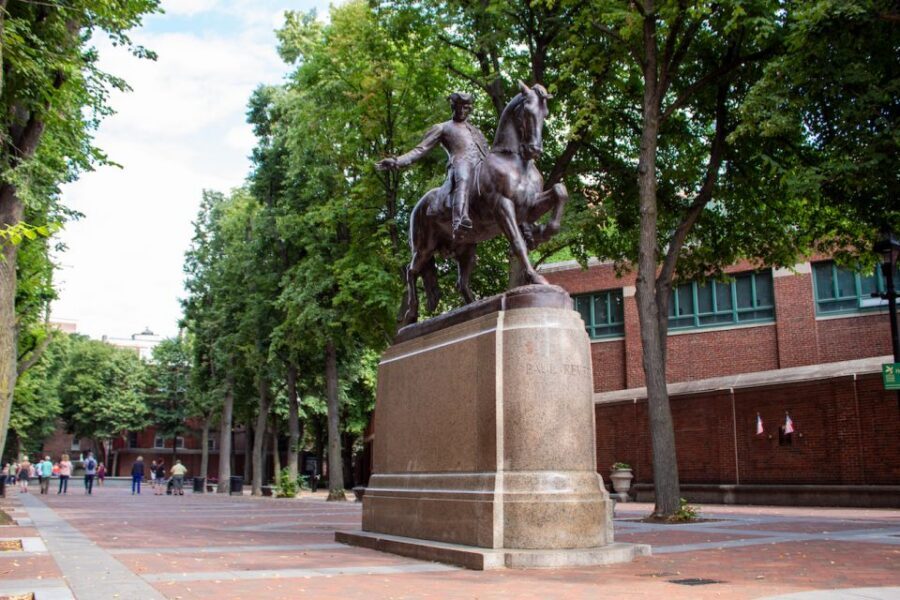
As you head toward the Old North Church, the audio shifts firmly into pre-Revolution years—centered on the moment when Paul Revere’s midnight riders were organized so they could alert the Minutemen of the arrival of the British.
This portion works well because it turns a famous legend into a location-based story. You see the kind of steeple-and-street geography that makes the signal idea feel plausible, and the audio guide addresses the key question you’ve probably wondered before: who sent the signal from the Old North Church steeple. Later, you also hear about what Revere did after the revolution, tying the legend to the follow-up chapter of his life.
One timing detail to know: the Old North Church is closed on Mondays, so on Mondays you only get the exterior experience. That doesn’t ruin the audio narrative, but it does change what you can physically access. If you’re set on seeing inside, aim for a different day.
You can also read our reviews of more city tours in Boston






Paul Revere House to the Rose Kennedy Greenway: food, Big Dig talk, and city change
After the Old North Church area, you’ll move toward the Paul Revere House, and the audio keeps your route grounded in neighborhood context. It’s one thing to read about the Revolution; it’s another to remember that these places are also living parts of Boston.
Next comes the Rose Kennedy Greenway, where the audio guide brings up Boston’s so-called Big Dig. This is a useful mid-tour pivot. A lot of history walks stay trapped in one era. Here, you get a sense of how modern Boston reshaped itself—literally altering streets and systems—while the historic character of the city remained. It helps you see Boston as a continuous project, not a museum piece.
If you like your walking tours to include at least one “how the city works today” moment, this Greenway stretch delivers.
Quincy Market, street performers, and Samuel Adams at Faneuil Hall
You’ll reach the areas around Quincy Market and Faneuil Hall, and this is where the tour’s pacing feels most “real.” You’re in spaces that attract regular crowds, so you’ll get the sound of buskers, passersby, and spontaneous energy right alongside the audio narration.
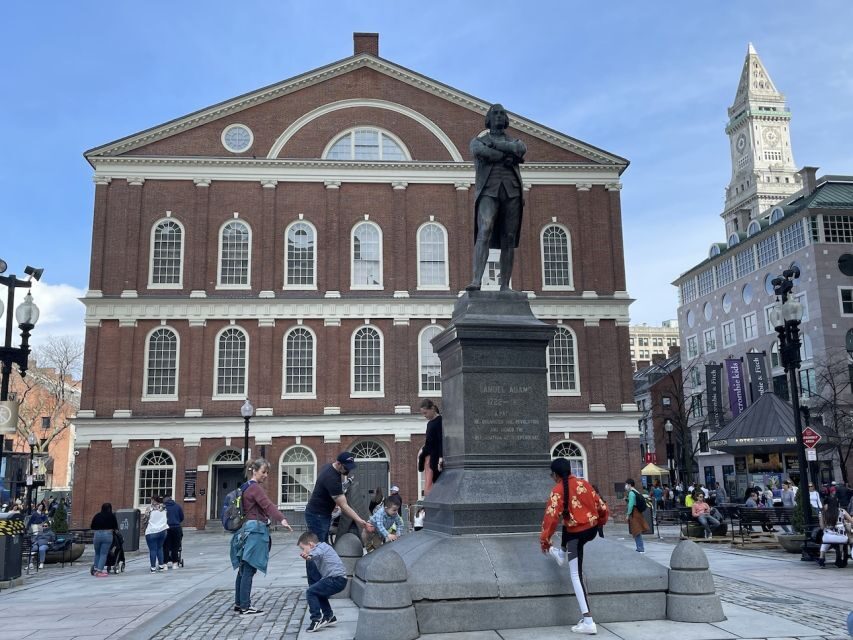
The audio guide covers Faneuil Hall and Samuel Adams, including his role as a fierce proponent of liberty. This stop is valuable because it connects the Revolution to the kind of political pressure that brewed long before the first shots. In other words: it explains the atmosphere, not just the event.
Quincy Market is also a practical break point. Even if you don’t stop to eat, it’s a place to regroup—use the restroom, check your phone battery, or decide whether you want to take a slower route into the next historical cluster.
Old State House: John Adams defending the Boston Massacre perpetrators
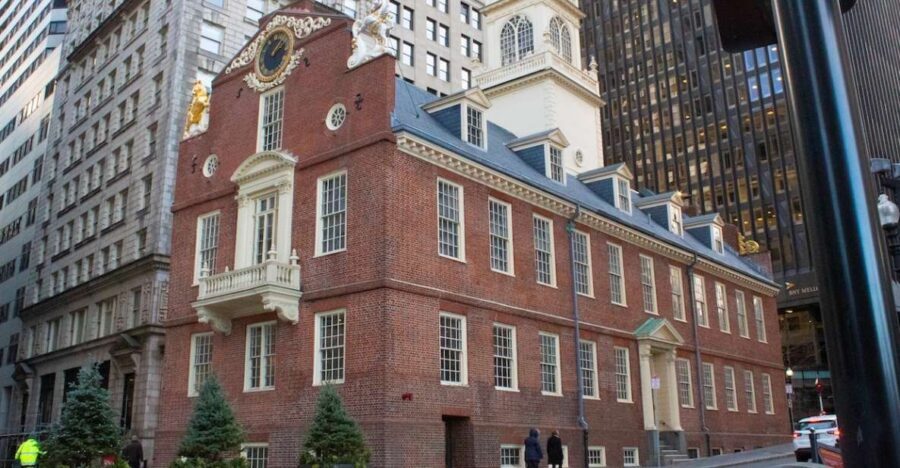
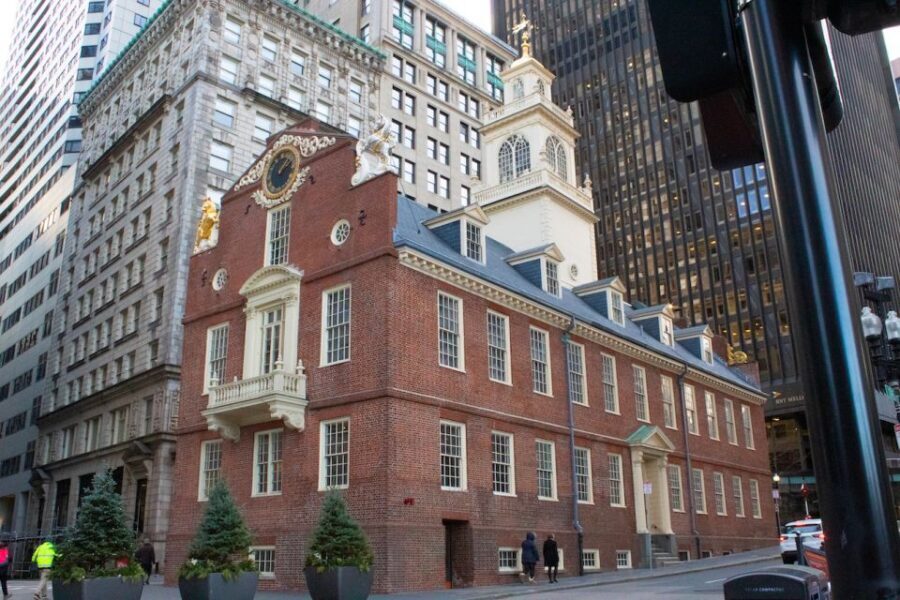
The audio guide then brings you to the Old State House, where it focuses on John Adams and a detail that often surprises people: he defended perpetrators of the Boston Massacre.
This matters because it adds nuance to the moral story. Revolutionary history can turn into a simple “good guys vs bad guys” movie in your head. This moment complicates that—showing that even in heated times, legal defense and fairness could be part of the political landscape. It’s a reminder that revolutions are messy, and that principle isn’t always cleanly packaged.
As you move onward, you’ll also encounter the Boston Irish Famine Memorial, tied to the difficult choices Irish families faced during the 1800s. That’s one of the tour’s stronger choices for broader context: it doesn’t treat immigration as a side note. It’s presented as part of Boston’s evolving identity.
Granary Burying Ground: where the big names rest
Next up is the Granary Burying Ground, a stop that functions like a history anchor. Here you’re hearing about major figures including John Adams, John Hancock, and Paul Revere.
If you’ve visited Boston landmarks before, you might recognize the names but not connect the dots between individuals and place. This segment helps connect that. The audio doesn’t only list who is buried; it keeps returning to the why—how these people fit into the Revolution story you’ve been building stop by stop.
This is also a good place to slow down and let your brain do its work. The route has thrown a lot at you already—Salem-era context, Revere, political activism, legal defense, immigration history—so the cemetery portion gives you a natural moment to reset.
Molasses in the North End and the Boston Common question: ending with food facts and civic ideas
As you near the end of the walk toward the George Washington Statue in the Public Garden, the audio guide adds two kinds of payoff: quirky factoids and big civic concepts.
One standout is the story of 2 million gallons of molasses that congealed in the North End in 1919. It’s the kind of real-life detail that makes a walking tour feel alive instead of textbook-stiff.
Then the audio circles back to early civic planning through questions like whether Samuel Adams really brewed beer, and what led to the creation of Boston Common, described in the audio as America’s first public park. Even if you don’t treat the park creation as a deep “Revolution” topic, it fits the tour’s bigger theme: how public space and public life grew out of the same civic thinking that shaped the country.
By the time you reach the Public Garden statue area, you’re not just at the finish line—you’re standing at a transition point from the country’s early founding mindset to the city’s later public life.
Does This App Work Smoothly? Practical tech notes that can make or break it
This is a smartphone-based tour, and that means your setup matters. Bring headphones and a charged smartphone. The GPS timing is part of the experience, not an optional extra. If your phone struggles with GPS signal or battery, you may find the tour less smooth.
The good news: the app is designed so you don’t constantly stare at your screen for directions. The audio is GPS enabled with turn-by-turn directions, so the narration starts when you’re at the right spot.
The less-good news: tech can fail. At least one booking reported trouble getting the audio to work, leading to a more manual walk through town. I’d treat that as your worst-case scenario and plan for it lightly: download what you need ahead of time if the app prompts you, keep the brightness reasonable, and don’t start your walk on a phone under heavy battery strain.
Who should do this self-guided walk, and who should skip it
This tour is ideal if you:
- enjoy history tied to specific places, not just dates in a list
- like walking at your own speed
- want a route that starts in North End history and ends at the Public Garden without managing multiple tickets or meeting points
- are comfortable using an app while you walk
It’s less ideal if you have mobility impairments, since it’s not listed as suitable for that. Also, if you rely on a live guide for explanations or troubleshooting, the lack of a person on-site can feel limiting.
Should you book this Boston City History and Highlights Audio App Walking Tour?
If you’re aiming for a solid 2-hour loop of Boston that connects the Revolution to immigration and civic change, this tour is a strong value at $7. The GPS timing and turn-by-turn design are the biggest wins, and the range of stops—from Cotton Mather to Faneuil Hall to the Boston Common question—means you’re never stuck with only one flavor of history.
I’d skip it only if you’re worried about phone reliability or you want a Monday interior visit at the Old North Church. Otherwise, it’s the kind of practical, do-it-at-your-own-pace experience that can make a familiar city feel new again.
FAQ
Where does the tour start?
The tour starts at the entrance of Copp’s Hill Burying Ground.
What app do I use to start the audio?
You’ll open the Voice Map app on your smartphone. The audio is set to begin automatically when you reach the starting location.
How long is the walking tour?
The experience is designed for about 2 hours.
Is the tour guided by a live person?
No. It’s a self-guided audio tour with no live guide to meet you at the start.
What language is the audio guide in?
The audio guide is available in English.
Does it use GPS for navigation?
Yes. The audio tour is GPS enabled with turn-by-turn directions, so the tracks begin at the right time and place.
Can I pause and resume the tour?
Yes. The tour is set up so you can pause and resume at any time.
Is the Old North Church accessible on Mondays?
The Old North Church is closed on Mondays, so only the exterior is available.