REVIEW · BOSTON
Relive 1776: Interactive AR Experience on The Freedom Trail
Book on GetYourGuide →Operated by See Reality · Bookable on GetYourGuide
Boston turns into 1776 in your hands.
Relive 1776 is a 5-part interactive AR experience along the Freedom Trail, using augmented reality to place historically accurate figures into the real streets. I like that it moves through key years in order, from 1765 to 1775, so you’re not just looking at sites—you’re watching history unfold right where you stand. My other big draw is the hands-on feel: the characters react to the choices you make.
I also love the way the tour balances “wow” with clear guidance. You’ll get a live guide during each segment, and the experience is built in short stretches—so it doesn’t feel like one long lecture with breaks. Plus, the technology is designed to keep the real world visible at all times since this is AR, not VR.
One thing to consider: parts of the simulation include gun action. If that worries you, there’s a kids version without guns, and it’s also worth choosing that option if you’re sensitive to scary moments.
In This Review
- Key things to know before you go
- Why this AR Freedom Trail tour feels different
- Price and time: what $30 buys along the trail
- Picking your starting point and how the route plays out
- Stop 1: Boston Massacre area and the AR soldiers moment
- Boston Common and the Great Elm Tree: meeting Adams and Hancock
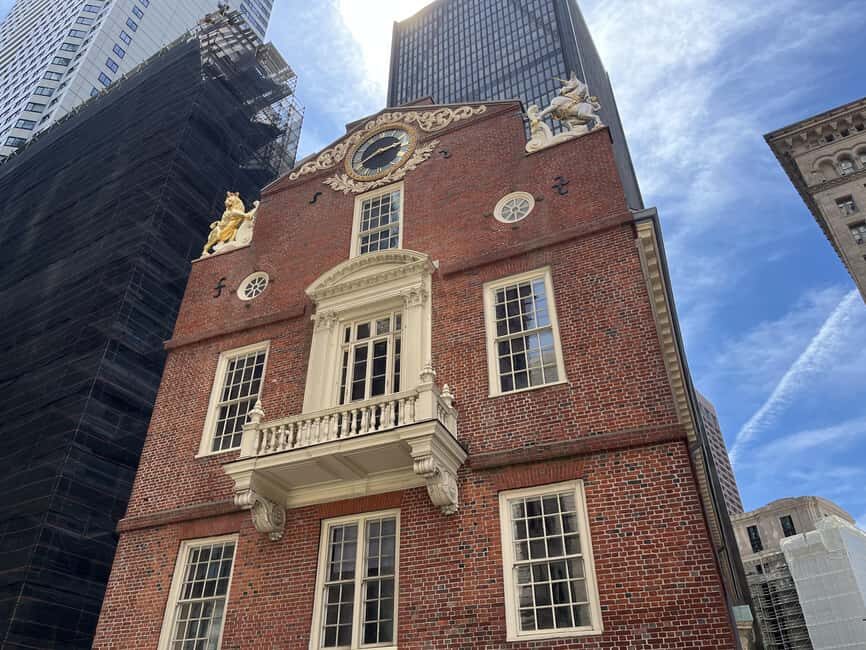
- Old State House: learning through story, not just signage
- Paul Revere House: costuming, choices, and a more personal Revolution
- Bunker Hill Monument: the finale and what to do with your extra time
- Headsets vs. phones: comfort, safety, and what you should expect
- Who this tour suits best (and who should choose something else)
- The teaching you get from the guide (and why it matters)
- Value extras: the Illegal Tea souvenir and small-group feel
- Should you book Relive 1776 or skip it
- FAQ
- How long is Relive 1776?
- What’s included in the tour?
- Is this VR or AR?
- Do I need a phone?
- Are there guns or violence?
- Is there a guided tour, or is it self-paced with no staff?
- Is the experience wheelchair accessible?
- Is it suitable for everyone?
Key things to know before you go
- Five AR scenes along the Freedom Trail, covering 1765 through 1775 in sequence
- Guide-led moments that last about 5–15 minutes each, with a small-group cap of 10
- AR headsets you can keep your eyes on the real world (no VR-style blackout)
- Both phone AR and provided headset AR, so you may use your phone for some parts
- No gore, but there is gun action in the main experience
- A historically grounded cast, including famous Patriots like Paul Revere, John Hancock, and Samuel Adams
Why this AR Freedom Trail tour feels different
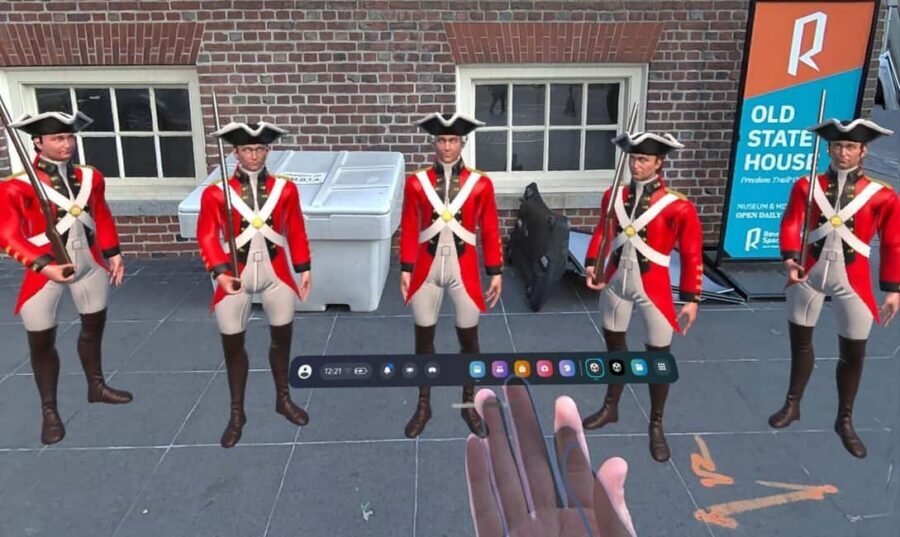
The Freedom Trail is easy to love on foot. You can see the places, read the signs, and still feel the pull of the story. Relive 1776 adds a new layer: history shows up in 3D, right at the spot you’re standing.
Since it’s AR, not VR, you don’t lose the street around you. You keep orientation. You can look at the characters, then glance back at the real buildings and ground you’re actually on. That changes the vibe. Instead of only imagining the past, you watch it play out with your real surroundings as the stage.
The best part is that it’s not one big “video at a site.” It’s a set of scenes that flow chronologically, and you’re not stuck watching passively. The soldiers and colonists appear in the real world and react to your choices, so the tour feels like participation, not just observation.
You can also read our reviews of more tours and experiences in Boston.



Price and time: what $30 buys along the trail

The price is $30 per person, and the timing is flexible: it runs anywhere from about 30 minutes up to 2 hours, depending on starting times and how long you linger at each segment. Each of the five experiences is designed as a short 5–15 minute moment, which keeps the pacing friendly.
Is it “worth it” versus doing the Freedom Trail self-guided? If you love history, you’ll likely enjoy the standard walking version. But Relive 1776 is for travelers who want a story you can physically step into. You’re paying for AR characters, interactive choices, and a guided walkthrough tied to the exact places.
Also, the “small group” setup matters for value. With a cap of 10 participants, you’re less likely to feel like you’re being rushed through tech gear and prompts.
Picking your starting point and how the route plays out
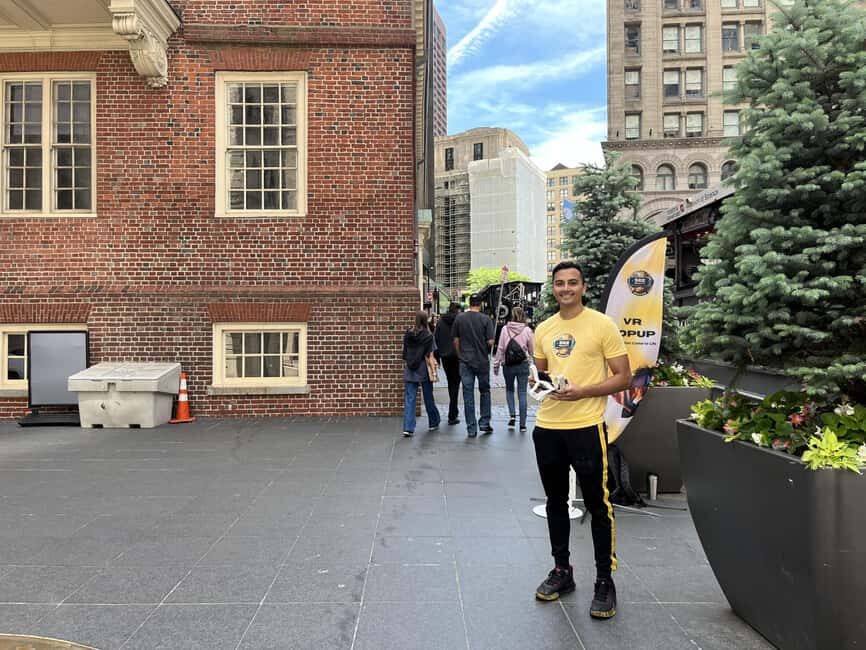
Your trip begins at a meeting point that can vary based on your booked option. The first stop can start at either the Boston Massacre Site area (at the Commodore John Barry Memorial option, depending on your booking) or another designated starting location.
From there, you’ll hit the core landmarks in a smooth order: Boston Common, the Old State House, the Paul Revere House, and then the Bunker Hill area where the AR story concludes. There’s also transportation from the Paul Revere House to Bunker Hill, which helps if you don’t want to hustle across the final stretch.
One practical perk: you can go at your own pace and even skip stops if you’re pressed for time. That’s useful in Boston, where you might also have museum plans or a packed day.
Stop 1: Boston Massacre area and the AR soldiers moment
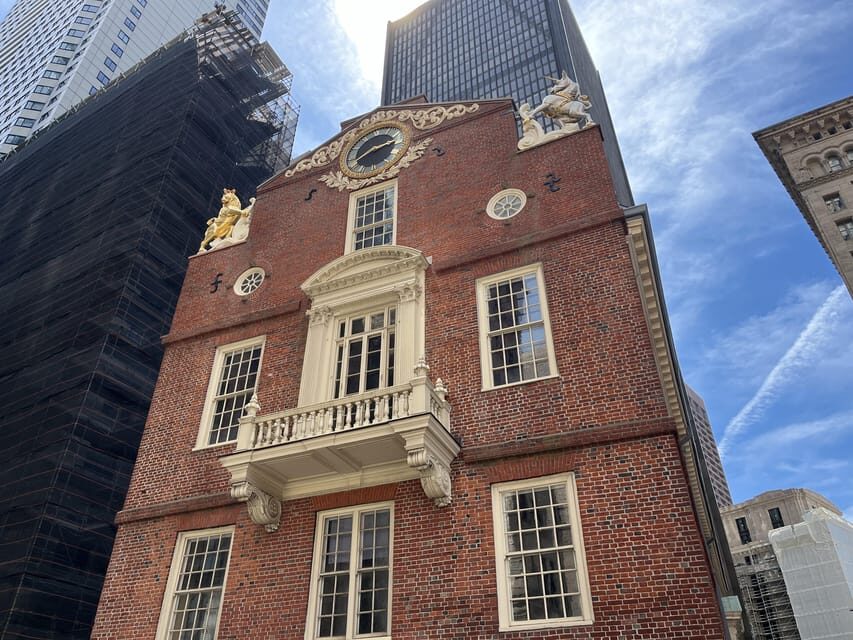
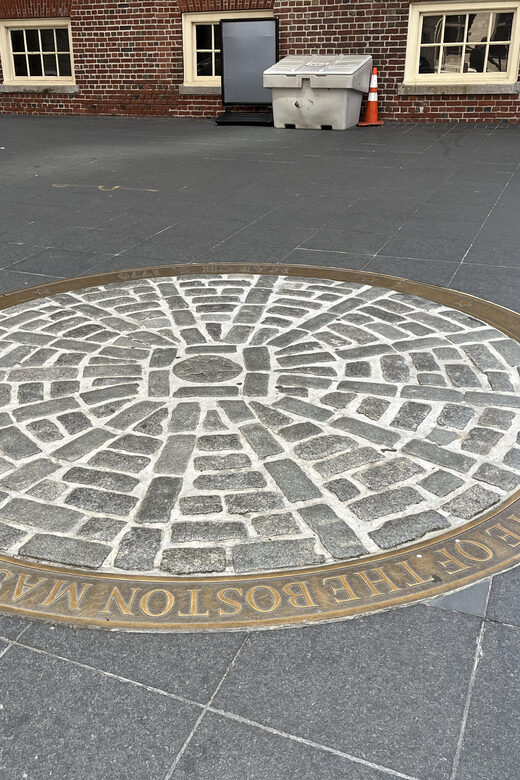
The tour’s first chapter lands near the Boston Massacre site, with an AR setup that aims to make the event feel immediate. Expect a theatrical, choice-driven sequence where British soldiers and colonists appear and react in the real-world view.
This is likely the moment that creates the biggest emotional response. Some people find the gunfire elements genuinely frightening, even though the experience includes no gore. If you’re easily spooked by dramatic action, treat this as your decision point: choose the kids version without guns if that’s an option for your group, or consider whether you want that intensity in the adult storyline.
Still, for history nerds and curious first-timers alike, this is the scene that gives you the best “I see it happening where it happened” effect. It turns a famous name on a marker into a real street moment.
Boston Common and the Great Elm Tree: meeting Adams and Hancock
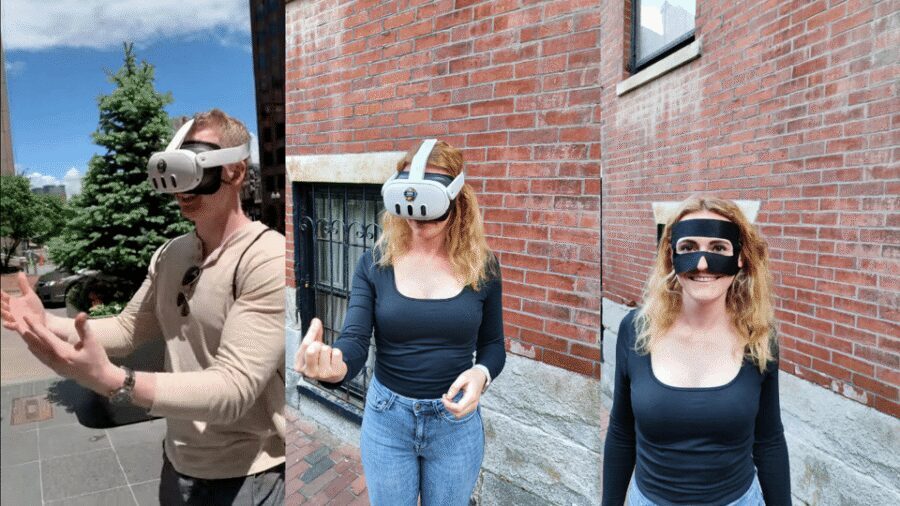
The next stop brings you to Boston Common, and this is where the story ties directly into the human faces of the Revolution. Under the Great Elm Tree, you meet major figures like Paul Revere, John Hancock, and Samuel Adams, and the experience nudges you to participate in the push back against tyranny.
What I like here is the structure. The tour doesn’t just say these people mattered. It creates a setting where you experience the transition from tension to action, and you’re guided as you move between segments. The Boston Common stop also works as a mental reset in the day. You’re in a big open space, and the scene feels less confined than many street-level historical stops.
Since each segment lasts about 15 minutes here, you get time to look around too. Boston Common is calm compared to other parts of downtown, so you can take a breath between the tech moments.




Old State House: learning through story, not just signage
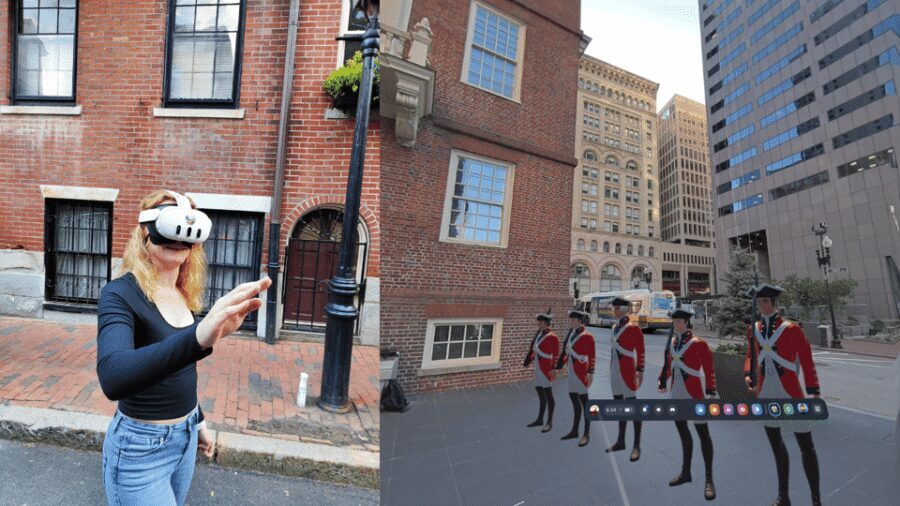
At the Old State House, the tour shifts into a more “how did events actually work” tone. The AR scenes expand beyond battlefield visuals and into the decision-making side of the decade, including the way everyday people got pulled into national conflict.
You’ll have a guide with you, and the educational goal is clear: the experience tries to make the timeline feel logical. That’s a big deal. The Revolutionary years can feel like one long blur unless someone helps you connect the dots.
A small drawback: if you’re hoping for extended free time at each stop, this isn’t that kind of experience. You’re guided through short segments, and the pace is intentionally tight enough to fit five experiences into a single tour run.
Paul Revere House: costuming, choices, and a more personal Revolution
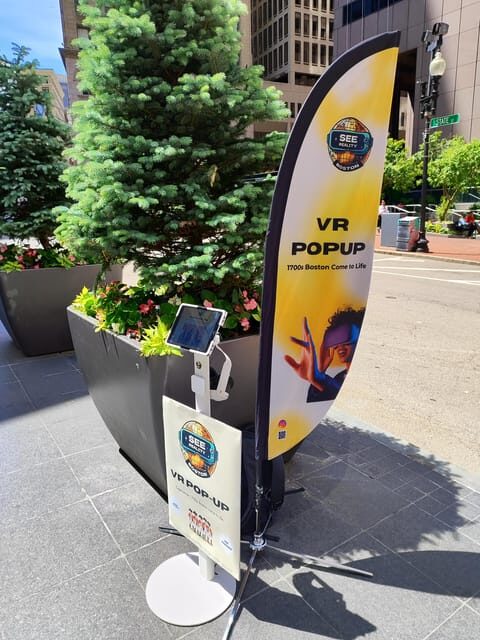
The Paul Revere House stop leans into action and interaction. The experience includes moments like trying on colonial fashion and interacting with characters as if you’re inside the period story.
This is where the tour’s “real world + digital characters” approach gets its strongest emotional payoff. You’re not just seeing an outfit or hearing a name. You’re experiencing the idea that people looked, dressed, and acted differently in the 1770s, and you’re doing it through interactive prompts.
You may also find this the best stop for families, especially if the kids version is available for your group. Since the main simulation includes gun action and the kids version removes it, your comfort level can guide which format you book.
Bunker Hill Monument: the finale and what to do with your extra time
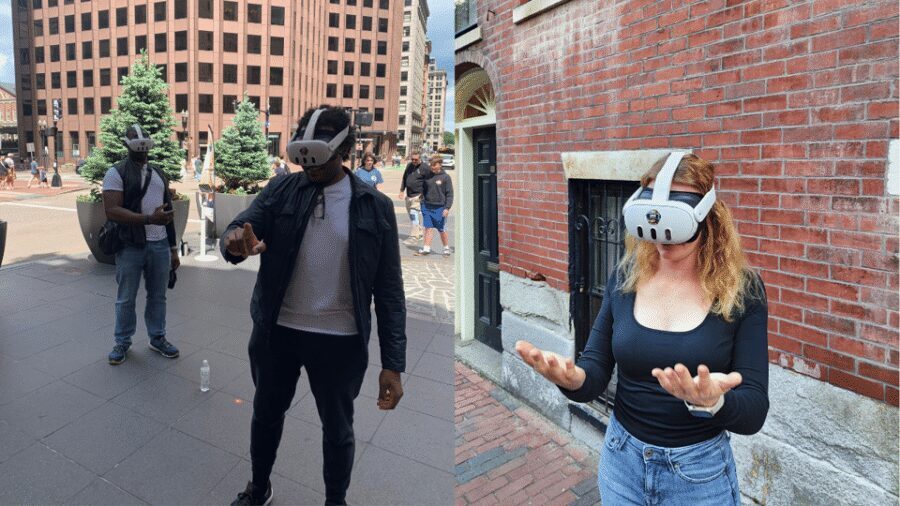
The final AR experience takes place around Bunker Hill Monument, and that’s where the story ends. There’s no build-up to a long conclusion. Instead, you get a guided wrap that aims to leave you with a clear ending point rather than dragging it out.
Because there’s transportation from the Paul Revere House to Bunker Hill, the logistics feel simpler here. It also means you can treat Bunker Hill as the “last stop” without worrying as much about getting your bearings.
After the AR portion ends, I’d suggest planning a little open time. Bunker Hill is the kind of place where you may want to look around afterward with fresh eyes. The AR story gives context, but the real site still invites you to stand in the space and absorb what the views and topography might have meant in the 1770s.
Headsets vs. phones: comfort, safety, and what you should expect
Relive 1776 uses a mix of AR delivery methods: three experiences use mobile phone AR, and two use AR headsets that the operator provides. Either way, you’ll be guided through the sequence so you’re not guessing what to do next.
A key safety detail: this is AR, not VR, so you should not expect the nausea issues that sometimes come with VR-style headsets. You’ll still want to use common sense. Move carefully while you’re wearing the headset, and follow the guide’s instructions so you don’t trip on uneven sidewalks.
They also provide sanitized headsets for each participant, with fresh facial covers available optionally. The cleaning claim is strong: they say the sanitizing approach kills 99.99% of bacteria and viruses, which is a reassuring detail for sharing equipment.
If you have medical concerns, take the “not suitable” list seriously. It’s noted as not suitable for people with heart problems or epilepsy.
Who this tour suits best (and who should choose something else)
Relive 1776 fits best if you’re:
- A history fan who wants more than plaques and photos
- Traveling with kids who can handle interactive tech (and for whom the kids version without guns is appropriate)
- Visiting Boston for the first time and want one experience that makes the Freedom Trail feel connected
It’s also great for the “I learn by doing” crowd. The tour is built around interactive choices, which is a different way to process the Revolution than just reading captions.
You should think twice if you:
- Are sensitive to frightening action (gun elements appear in the main experience)
- Have heart problems or epilepsy, based on the stated suitability limits
- Want a long, slow walking tour with extended downtime at each stop
The teaching you get from the guide (and why it matters)
You don’t just get tech—you get a live guide with English-only narration during the experience. That matters because AR can otherwise become a flashy distraction. The guide helps translate what you’re seeing into a coherent story.
One guide name that comes up is Dylan, praised for technical knowledge and clear explanations of how the experience works. Even if you don’t get the same guide, look for that kind of competence: you want someone who can answer the obvious questions quickly and keep the pacing smooth.
And the short segment structure helps learning stick. You see a moment, you get context while it’s happening, and then you move on—so the history builds step by step from 1765 toward the climactic years.
Value extras: the Illegal Tea souvenir and small-group feel
Relive 1776 includes a small souvenir: an Illegal Tea reusable tea bag plus a discount card. It’s not essential to the experience, but it’s a nice way to leave with something that ties into the Revolutionary theme.
The small group size also adds real value. With a maximum of 10 participants, you’re less likely to feel lost among strangers while you manage headsets and prompts. That flow makes the experience feel smoother, especially when some segments use phone AR.
Should you book Relive 1776 or skip it
Book it if you want the Freedom Trail to do more than explain itself. For a single paid activity, it gives you guided storytelling, interactive choices, and AR characters that make the Revolution feel staged in the exact streets you’re walking. At $30, the cost-to-experience ratio is strongest if you’d otherwise spend time bouncing between sites without a unifying narrative.
Skip it if you prefer quiet self-guided history, or if the idea of gun action (even without gore) makes you uncomfortable. If you’re traveling with kids, check the kids version option early so you match the experience to your group’s comfort level.
If you can, go with the starting time that gives you room to slow down. The tour works best when you don’t feel rushed between scenes.
FAQ
How long is Relive 1776?
The experience runs from about 30 minutes up to 2 hours, depending on starting times and how the segments fit for your booking.
What’s included in the tour?
You get a live English-only guide, five augmented reality experiences, sanitized AR headsets (when used), and transportation from the Paul Revere House to Bunker Hill. There’s also an Illegal Tea souvenir included.
Is this VR or AR?
It’s AR. The real world stays visible, and you won’t have the VR-style blackout that can cause nausea.
Do I need a phone?
Some parts use mobile phone AR, so you’ll need a phone that can participate in those segments.
Are there guns or violence?
The simulation includes gun action, but there is no gore. A kids version is available that removes guns.
Is there a guided tour, or is it self-paced with no staff?
It includes a live tour guide. Each segment is guide-led and is designed around short experiences.
Is the experience wheelchair accessible?
Yes, it’s listed as wheelchair accessible.
Is it suitable for everyone?
It’s listed as not suitable for people with heart problems or epilepsy. It’s also English-only.