REVIEW · BOSTON
Homemade Dumplings 101 in Boston
Book on Viator →Operated by Selfup · Bookable on Viator
Dumpling folding is oddly calming. In downtown Boston, this 3-hour class has you making dim sum from scratch with Chef Gary, a Cape Cod native with 15+ years running restaurants in the North End. You’ll use traditional Chinese ingredients and utensils, and you’ll cook real dumplings—not watch them happen.
Two things I like a lot. First, you’re not just learning recipes; you’re learning technique for multiple styles, including dim sum dumplings that can be steamed or pan-fried. Second, the best outcome is practical take-home help—one past learner called out getting a recipe they could use at home for shrimp roll and two dumpling types.
One drawback to plan around: this experience needs good weather, so if conditions are poor, you’ll need to roll with a reschedule or refund option.
In This Review
- Key highlights at a glance
- Homemade Dumplings 101: why this Boston night works
- Chef Gary in the mix: what his background means for your lesson
- Where you start at 19 Kingston St (and how to plan your arrival)
- Your 3-hour dumpling timeline: what you’ll likely do (and taste)
- Dim Sum style dumplings: steamed or pan-fried
- Pot stickers: mushrooms with chicken, shrimp, or pork
- Jiaozi for Chinese New Year luck (chicken and vegetables)
- The biggest win: technique you can actually repeat
- Price and value: is $120 a fair deal for Boston?
- Who this Boston dumpling class suits best (and who should skip)
- Logistics that matter on the night
- Should you book Homemade Dumplings 101 in Boston?
- FAQ
- How long is the Homemade Dumplings 101 tour?
- Where does the experience start?
- What price should I expect?
- What language is the tour offered in?
- How large is the group?
- What happens if the weather is poor?
Key highlights at a glance
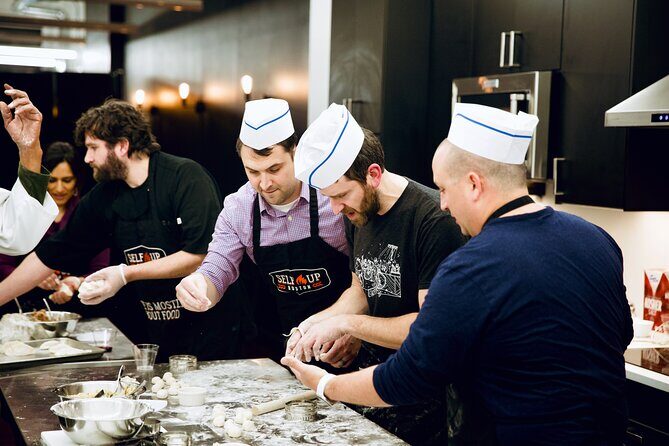
- Chef Gary’s restaurant experience from the North End shapes a very practical lesson
- Three dumpling styles you’ll make from scratch, not just sample
- Pick your dumpling pathway: steamed or pan-fried for dim sum style
- Pot sticker variety with mushrooms plus chicken, shrimp, or pork options
- Jiaozi for Chinese New Year luck—a dumpling with cultural weight, not just filling
- Small group size (max 20) keeps the night social and hands-on
Homemade Dumplings 101: why this Boston night works
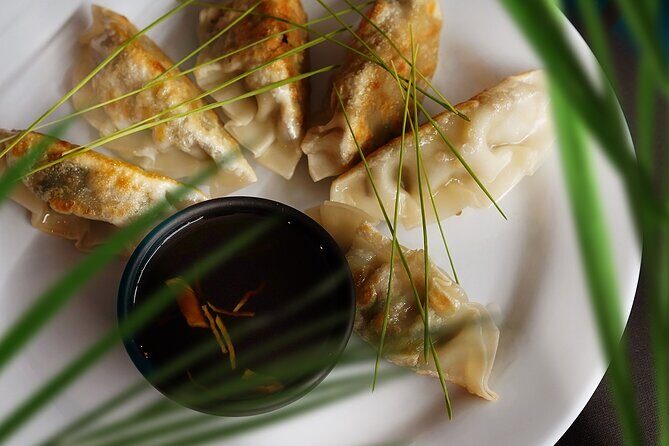
If you’ve ever eaten dumplings and thought, I could never do that, this class is built for you. The point isn’t fancy tricks. It’s the step-by-step feel of making dumpling dough, shaping fillings, and learning how cooking method changes the result.
Downtown Boston makes it easy to fit into an evening plan. And because this is a cooking class format (not a show), you get more than a meal—you get muscle memory. By the end, you know what the dough should feel like and what to look for as dumplings cook.
You can also read our reviews of more tours and experiences in Boston.

Chef Gary in the mix: what his background means for your lesson
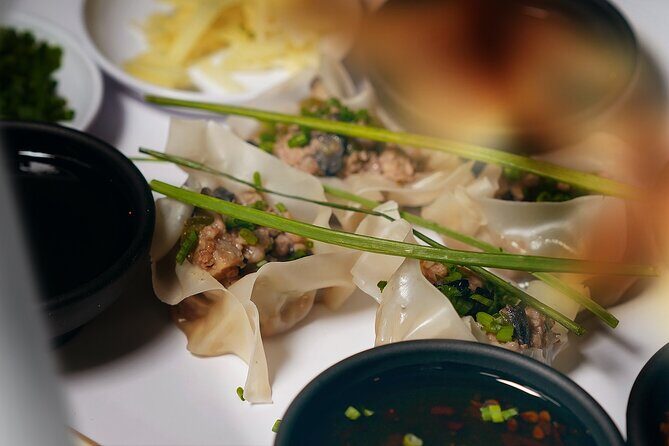
Chef Gary is a Cape Cod native who’s spent over 15 years running four restaurants in Boston’s North End. That matters because you’re likely to get instruction that’s tuned for real kitchens, not classroom demos.
He’s also worked across several ethnic cuisines, including dim sum. So when you learn dumpling folding and cooking techniques, you’re not getting random “tips.” You’re getting methods built around Chinese ingredients and standard dim sum expectations.
Think of it like this: this is a class where the chef can explain both the how and the why, especially for textures. Dumplings can turn out tough, bland, or greasy if you miss details. A chef with restaurant experience tends to catch those issues early.
Where you start at 19 Kingston St (and how to plan your arrival)
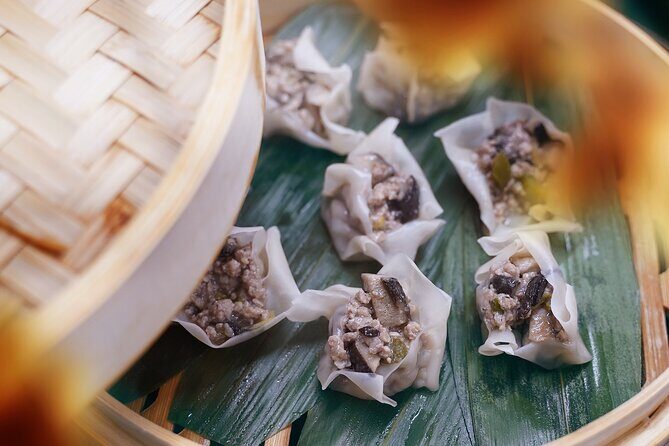
The meeting point is 19 Kingston St, Boston, MA 02111. The session ends back at the same spot, which keeps things simple. If you’re using public transportation, you’re not doing a long walk across the city before you eat.
This is also the kind of activity where you’ll feel better arriving a few minutes early. Cooking classes run on timing, and your first steps—getting oriented and starting the prep—set the pace for the whole night. If you arrive late, you can miss the best part: learning the shaping rhythm while the dough is at the right stage.
You’ll receive a confirmation at booking, and you’ll use a mobile ticket. The class is offered in English, and the group size is capped at 20, which usually means you’re not lost in the background.
Your 3-hour dumpling timeline: what you’ll likely do (and taste)
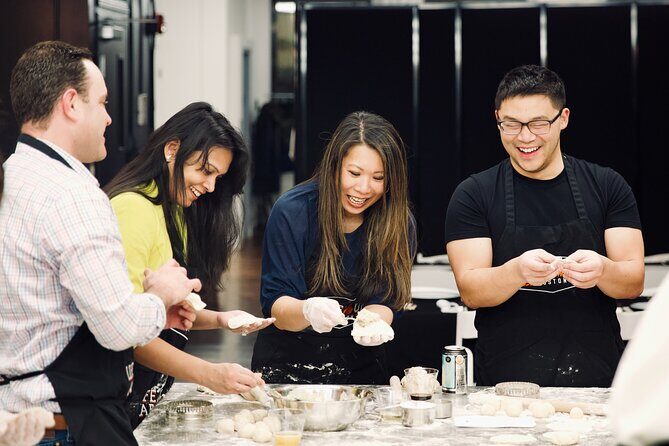
The tour is about 3 hours. Inside that time, you can expect the lesson to move in phases: prep and assembly, then cooking, then eating what you made. Since you’ll be making several dumpling styles, the class structure will likely keep you rotating tasks so you’re not waiting around.
Here’s the practical flow you’re aiming for in your head:
- You’ll start by learning the dumpling basics, including working with dough and fillings.
- Then you’ll make different varieties, with attention to shaping and sealing.
- After that, you’ll cook using the methods named in the class—steamed and pan-fried for dim sum style, pan-fried for pot stickers.
- Finally, you’ll eat the dumplings you handcrafted, with the chef guiding you through what to notice.
The key value of the pacing is this: you’ll learn by doing, then get feedback while the food is hot. That’s how dumpling technique clicks.
Dim Sum style dumplings: steamed or pan-fried
One of the most interesting parts is that you’ll make dim sum style dumplings with a savory pork and veggie filling. And you can do them in two cooking directions: steamed or pan-fried.
This is more than menu variety. Cooking method changes everything:
- Steaming tends to keep the filling juicy and the wrapper tender.
- Pan-frying adds browning and a different texture contrast.
So even if you only remember one thing from the class, remember this: dumplings aren’t one technique. They’re a system where heat and moisture control the final mouthfeel.
During your session, watch what happens to the wrapper as it cooks. You’re not trying to turn them into something else—you’re trying to hit the dumpling target the chef expects for dim sum style.



Pot stickers: mushrooms with chicken, shrimp, or pork
Next up are pot stickers, which you’ll pan-fry. The filling options include mushrooms paired with chicken, shrimp, or pork. This is great for you if you like variety because pot stickers let you compare flavors without changing the overall format.
Pan-fried dumplings are also where technique shows fast. If the pan heat is too low, you might get pale results. If it’s too high too soon, the outside can overdo before the inside is ready. A class setting helps because you can learn the cooking tempo instead of guessing.
A practical tip for your brain during the lesson: as you cook, pay attention to how the outside develops, then compare that with the first bite. You’re building a mental map for “what done looks like,” which is exactly what you’ll need later if you try again at home.
Jiaozi for Chinese New Year luck (chicken and vegetables)
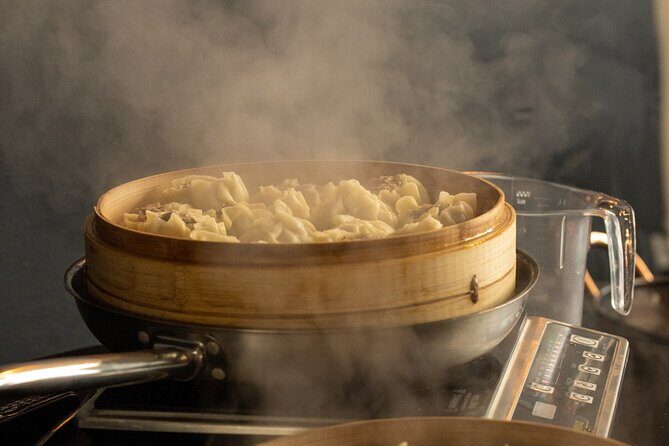
You’ll also make jiaozi, filled with chicken and vegetables. Jiaozi are described as a specialty around Chinese New Year and are considered very lucky.
That cultural context matters because it explains why shape and sealing aren’t just aesthetic. In dumpling traditions tied to celebrations, the dumpling is a symbolic food. Even if you don’t care about symbolism, the lesson often comes with extra care around folding and closure because that’s part of what makes jiaozi a jiaozi.
If you want one dumpling to practice repeatedly later, jiaozi is a smart choice. Chicken-and-veg fillings are usually forgiving, and the class experience gives you a clear starting point: one filling, one style, one target outcome.
The biggest win: technique you can actually repeat
The standout praise centers on the fact that you don’t leave with just a satisfied stomach. You leave with something usable. One learner specifically called out getting a recipe to make at home, including shrimp roll and two dumpling types.
Even if your memory fades, a written recipe or clear guidance helps you recreate the key steps: dough handling, filling ratios, shaping, and cooking method. And that’s where value shows up for real.
Because at $120 per person for about three hours, you’re paying for hands-on instruction plus the food. If you only ate dumplings, the price would be harder to justify. But if you walk away with repeatable directions, the class becomes a skill-builder.
Also, the small group size (max 20) supports this. In a smaller group, you’re more likely to ask questions and get correction while you still have time to adjust.
Price and value: is $120 a fair deal for Boston?
At $120 per person, this is not a budget dinner. You’re paying for:
- Chef-led instruction
- Multiple dumpling styles in one session
- A hands-on cooking format (not just tasting)
- The chance to take recipes or at least practical guidance home
Whether it feels like a deal comes down to your goal. If your goal is to eat dumplings and call it a day, you might find cheaper ways in Boston. But if your goal is learning and trying again, $120 starts looking more reasonable—because you’re investing in a skill you can reuse.
One more angle: dumplings are time-consuming at home. The class compresses trial-and-error into a guided night. That’s hard to replicate for free unless you already have a recipe and technique down.
Who this Boston dumpling class suits best (and who should skip)
This works best if you:
- Want a fun, social activity that still has real instruction
- Like the idea of making multiple dumpling types in one go
- Enjoy dim sum flavors and want to understand why steamed vs pan-fried feels different
- Appreciate a cultural food context, like jiaozi around Chinese New Year
It’s less ideal if:
- You’re expecting a quick, casual tasting with minimal work
- You’re very weather-sensitive for travel plans, since the experience needs good weather
- You’re looking for a flexible, last-minute option, since changes aren’t supported once booked
If you’re a foodie who likes hands-on nights, this fits. If you just want a meal, you may want to compare against cheaper dinner options first.
Logistics that matter on the night
This class is offered in English, runs about 3 hours, and has a maximum of 20 travelers. That makes it manageable for learning.
You’ll use a mobile ticket, and confirmation comes at booking. The meeting and end point are the same: 19 Kingston St. It’s also near public transportation, which helps if you’re pairing this with other downtown plans.
One operational note: it requires good weather. If it’s canceled due to poor weather, you’ll be offered a different date or a full refund. Since changes aren’t supported, don’t book this if you can’t handle a possible reschedule.
Should you book Homemade Dumplings 101 in Boston?
Yes, you should book it if you want more than a meal and you’re excited to learn shaping and cooking methods for dim sum style dumplings, pot stickers, and jiaozi. The strongest reason is the practical payoff—especially the chance to leave with recipe guidance you can use at home.
Skip it if you’re mainly looking for a bargain dinner or you need something that’s easy to adjust on short notice. Weather dependence is real, and the price only makes sense if you’ll actually use what you learn.
If you’re planning a Boston evening and you want a hands-on food experience that feels authentic and social, this is a smart choice.
FAQ
How long is the Homemade Dumplings 101 tour?
It’s approximately 3 hours.
Where does the experience start?
It starts at 19 Kingston St, Boston, MA 02111, USA, and ends back at the meeting point.
What price should I expect?
The price is $120.00 per person.
What language is the tour offered in?
The experience is offered in English.
How large is the group?
The activity has a maximum of 20 travelers.
What happens if the weather is poor?
The experience requires good weather. If it’s canceled due to poor weather, you’ll be offered a different date or a full refund.