REVIEW · BOSTON
From NYC: Boston 1-Day Tour Harvard, Cambridge, MIT & Freedom Trail.
Book on GetYourGuide →Operated by Tu Viaje Nueva York · Bookable on GetYourGuide
One-day Boston feels like a sprint. I love the Freedom Trail storytelling and the Harvard and MIT campus stops, with plenty of photo breaks that keep you moving.
The whole rhythm is built around quick context plus time on your own, so Copley Square, Beacon Hill, and Quincy Market click instead of feeling like a checklist. You’ll ride with a professional guide in English or Spanish, and the best moments are usually the short walks where the guide points out what to notice.
The only catch is the early start and a long day in the bus, so plan for a 14-hour commitment and bring comfortable shoes.
In This Review
- Key things to know before you go
- From NYC to Boston early: timing and what you’re really paying for
- Copley Square to Back Bay: the route that gets you oriented fast
- Cambridge and Harvard energy: how the tour makes the campuses feel real
- Beacon Hill and the Freedom Trail: gas lamps, a cemetery clue, and the Boston Massacre site
- Quincy Market and lunch: using your hour for real food and souvenirs
- Price and logistics: is $112 worth it?
- Should you book this Boston-from-NYC day trip?
- FAQ
- What time do I meet for the NYC departure?
- How long is the tour from start to finish?
- What’s included in the price?
- Do I get time for meals or should I budget for food?
- What language options are available for the guide?
- What should I bring?
- What can’t I bring on the tour?
Key things to know before you go
- 5:50 AM departure from NYC (with a Connecticut breakfast stop) so you’re in Boston before the main crowds build.
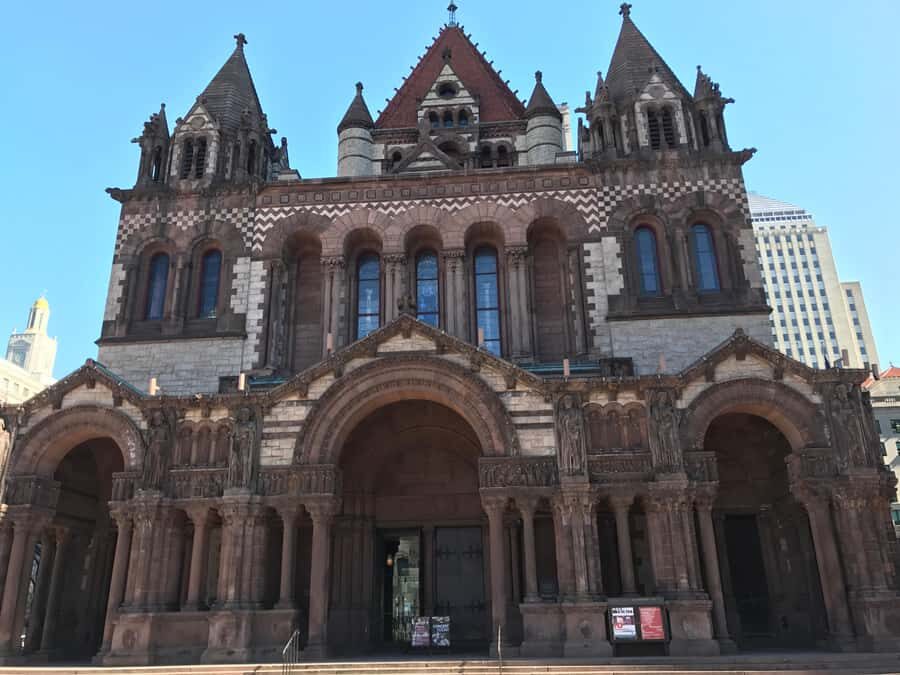
- Copley Square photo stops featuring landmarks like John Hancock Tower, Old South Church, Trinity Church, and the Boston Marathon finish line.
- Cambridge focus with Harvard campus time and MIT views from the road.
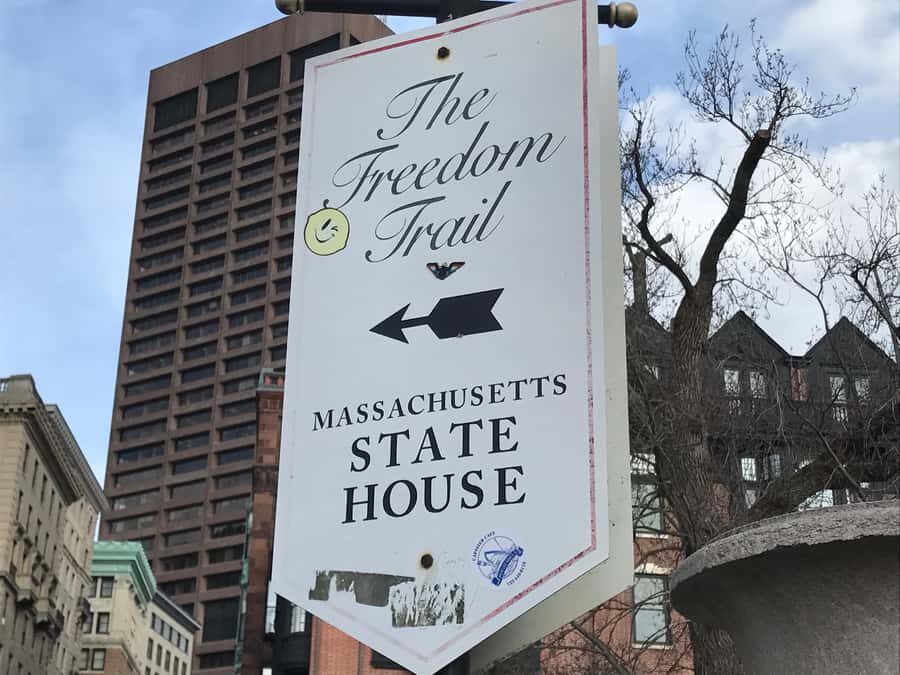
- Freedom Trail without the confusion, including Beacon Hill sights and the area tied to the Boston Massacre.
- Quincy Market lunch hour that’s long enough to eat, browse, and still make the return ride comfortable.
- Professional guide anecdotes, including named-guide energy (one guide, Oscar, is specifically noted for upbeat humor and French-language delivery).
From NYC to Boston early: timing and what you’re really paying for
If you’re the type of person who likes your trips organized but not rushed into misery, this one-day Boston plan is pretty smart. You leave New York early, with a bus ride that includes a Connecticut break for breakfast before you reach Massachusetts. By the time you start sightseeing in Boston, you’ve already banked the hard part: getting there.
You’re paying $112 per person for more than “a seat on a coach.” You’re getting roundtrip air-conditioned transportation, a professional guide in your chosen language, multiple guided walking/photo stops, Harvard University time, and a check of the Freedom Trail core sights. When you spread that across a long day, the value is in the structure: you don’t have to think about routing, parking, or how to connect all these areas efficiently from NYC.
Now for the real-world tradeoff. This is a full day. You’ll be on the move for hours—so your best strategy is to travel light, wear shoes that handle repeated standing, and accept that you’re seeing highlights, not every museum and side street in detail.
You can also read our reviews of more tours and experiences in Boston



Copley Square to Back Bay: the route that gets you oriented fast
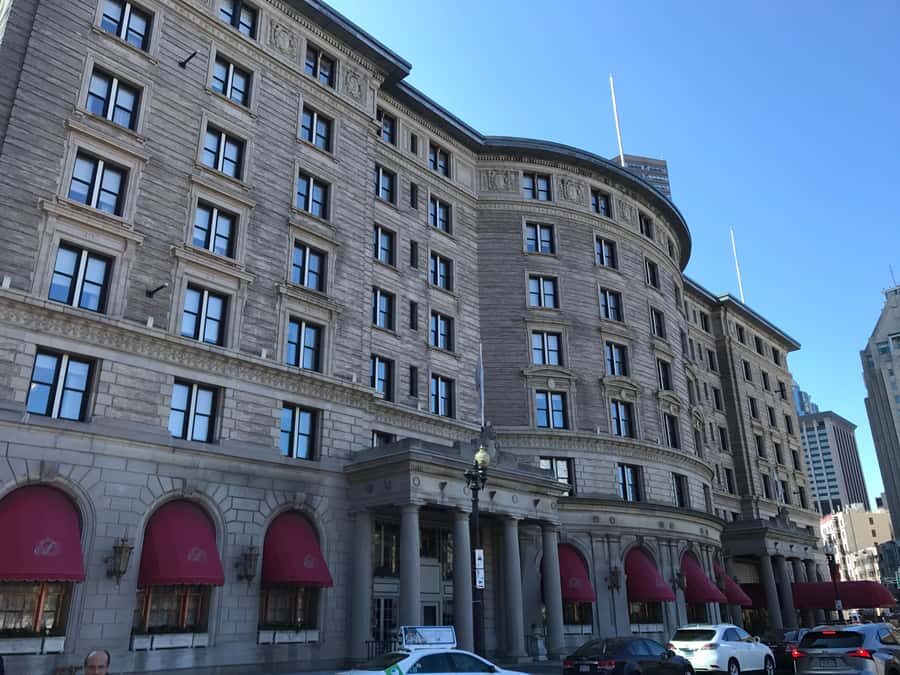
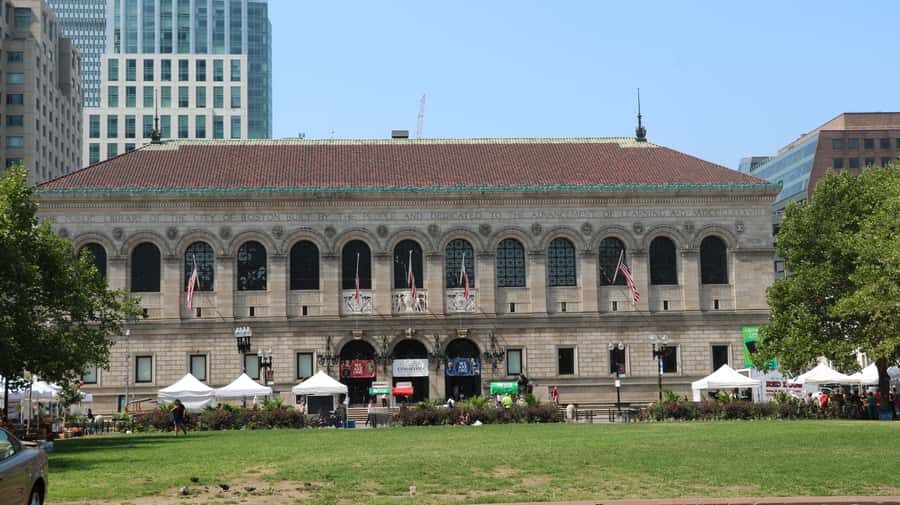
Copley Square is where Boston starts to feel legible. It’s the kind of place that looks like a postcard from a distance, but up close you get the mix of landmarks that explain the city’s identity. Your tour begins here with a stop that includes major sights such as the Church of the Holy Trinity, the John Hancock Tower, Old South Church, and Trinity Church. You’ll also see the Boston Public Library (photo stop) and the first public library in the USA vibe gets a mention in the way the guide frames it.
You’ll also get a stop that feels very Boston: the Boston Marathon finish line. Even if you don’t time your visit with race season, it’s a concrete reminder that Boston loves traditions you can point to.
After that, you continue along Massachusetts Avenue. Expect more “stop, look, photo, move on” moments, including the Boston Symphony Orchestra area, Berklee College of Music, and the Church of Christ the Scientist. This is a good segment for two reasons:
1) the city is compact enough to see a variety of institutions without losing your whole morning to transit, and
2) the guide gives context that helps you avoid the common tourist problem of taking photos but missing the why.
Then comes Back Bay. You stroll through the neighborhood to appreciate its red stone and Victorian-style architecture, and the description of it as having a Paris-like feel isn’t random. The streetscape and building style create that same “designed and cared for” atmosphere you get in older European neighborhoods. You’ll also get a quick view of the area’s distinctive character—especially the streets with gas lamps that make evening photos look good even during the day.
Practical tip: This part is packed with short pauses, so bring your camera strap or a way to keep your phone handy. You’ll have just enough time for photos and bathroom breaks, but not so much that you can treat every stop like a full museum visit.
Cambridge and Harvard energy: how the tour makes the campuses feel real
Once you cross the Charles River, the trip shifts from “city landmarks” to “university world.” Cambridge has that student-town texture: the pace feels a bit different, and the buildings start to feel less like monuments and more like daily life.
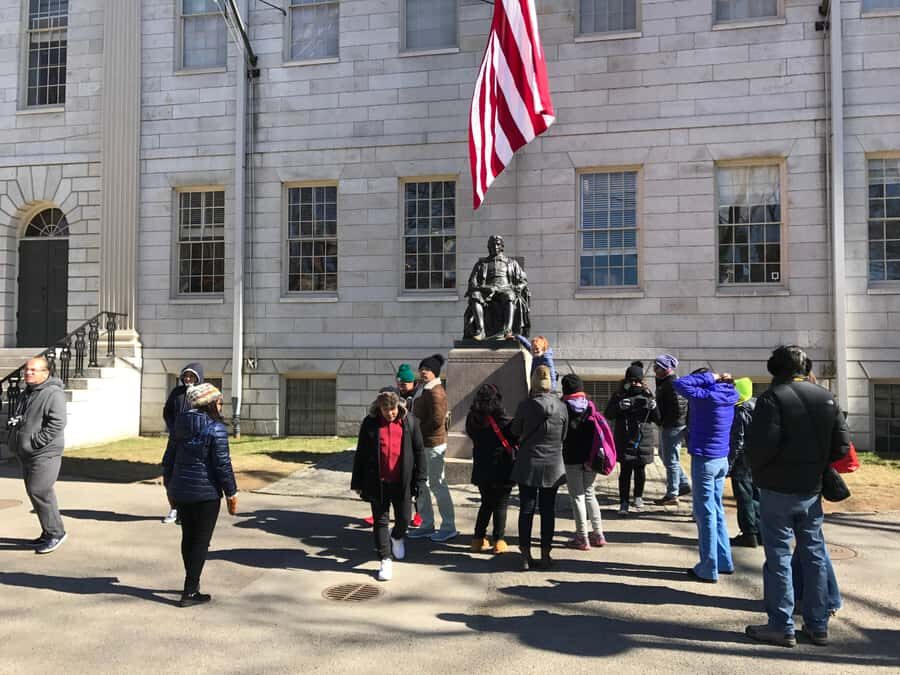
You’ll have a guided stop for Harvard. This is the section that most travelers remember because it’s not just exterior views. You walk around and get a chance to feel the university atmosphere—what it’s like to be in a place where history and everyday student routines exist in the same space. The value here isn’t only the sights; it’s the sense of scale and how the campus functions as a working community.
MIT also shows up, mostly as a pass-by. You won’t lose time trying to cram in a second heavy campus visit. Instead, you get the quick exposure that helps you place MIT in the bigger Cambridge picture. If your goal is to see both Harvard and MIT without spending your whole day in separate deep-dive tours, this balance works.
One more note: the guide’s style matters here. A good guide helps you notice what people usually overlook—entryways, campus edges, how the streets connect neighborhoods. You’re not just checking boxes; you’re learning what these places represent in Boston’s larger identity.
Beacon Hill and the Freedom Trail: gas lamps, a cemetery clue, and the Boston Massacre site
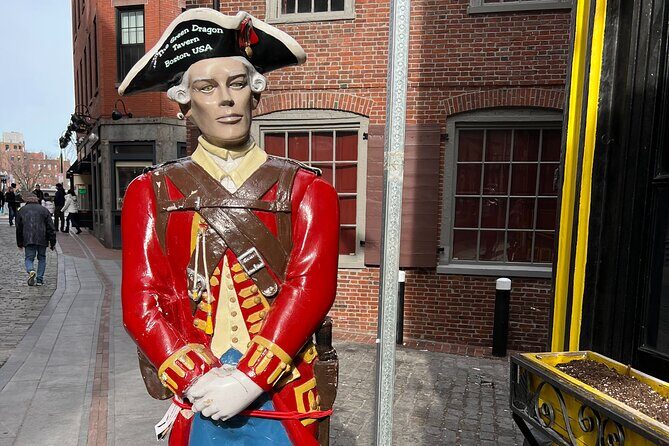
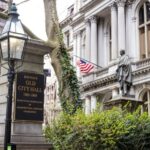
Beacon Hill is the kind of neighborhood that rewards slow walking, and this tour gives it that chance in the middle of an otherwise tight schedule. The streets are narrow and cobblestone, with Federal-style charm and gas lamps that give the area a touch of elegance even when you’re just stopping for photos.
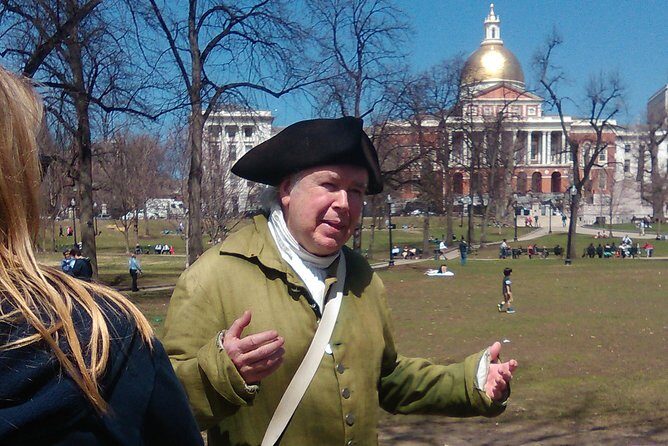
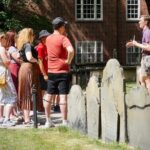
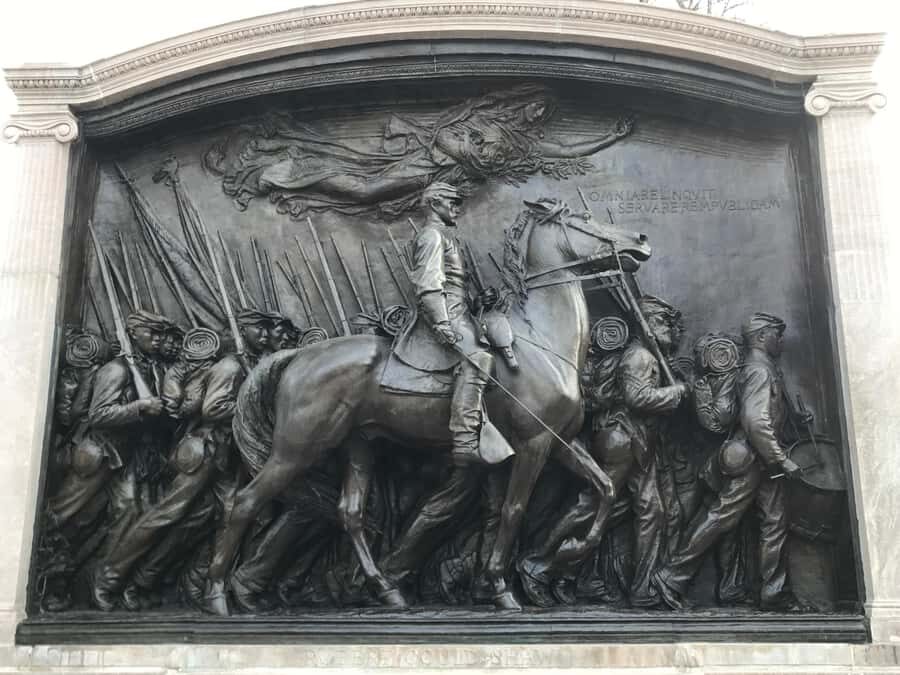
This is also where you start getting the Freedom Trail storyline in a more emotional way. You’ll see one of the country’s first cemeteries and learn that some of the men who signed the Declaration of Independence are buried there. That detail matters because it turns the Trail from a set of buildings into a map of real people and real consequences.
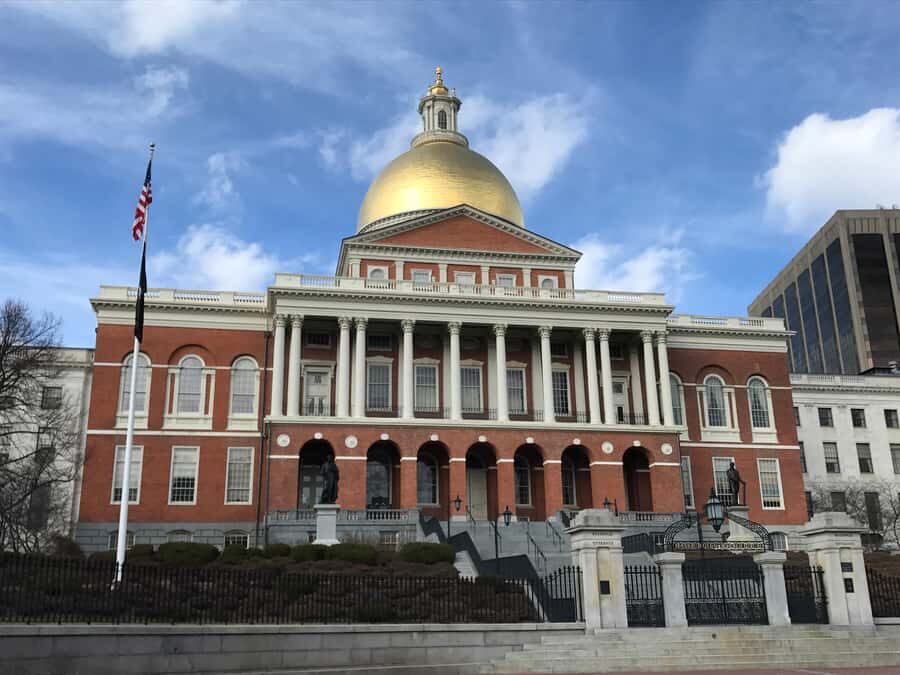
Then you’ll reach the Massachusetts State House area for photo stops, which helps you understand where the political story is anchored. The tour also passes by the site of the Boston Massacre, one of the triggers of the War of Independence. Again, this isn’t presented as abstract history—you’re given enough context to connect the street you’re standing on with what happened there.
Practical tip: The Freedom Trail portion includes quick photo and sight time windows. If you want the best photos, wear gear that won’t punish you for stopping—comfortable shoes matter more here than any camera setting.
If you’re lucky enough to get a guide like Oscar (noted for French-language delivery and a good-humor vibe), the walking segments feel easier. The guide’s anecdotes are what keep these stops from becoming a blur.
Quincy Market and lunch: using your hour for real food and souvenirs
After all the history stops, Quincy Market is where the day turns practical. You arrive with one hour of free time for lunch and to buy souvenirs. It’s not a long lunch break, but it’s enough time to do the two things that keep your day from ending with grumpy energy:
- eat something that saves you from “tour-day hunger”
- grab small Boston reminders without turning it into an errand marathon
Quincy Market itself has built-in story value. It was the first major project after Boston became a city in 1822, and it was named in honor of the mayor at that time. That’s the sort of fact a guide drops in a way that makes you look at the architecture a little differently—less like a tourist market, more like a place that was designed to function and serve a city.
Sightseeing time before lunch is shorter, but it gives you a chance to orient in the area before you commit to where you’ll eat. If you arrive and instantly start searching for the perfect photo spot, you’ll lose the best part of the market hour: getting comfortable, buying a treat, and actually resting your feet for a bit.



Price and logistics: is $112 worth it?
For a $112 per person one-day Boston tour from NYC, the biggest value levers are:
- roundtrip transportation in an air-conditioned vehicle
- a professional guide in English or Spanish
- guided walking and photo stops through multiple neighborhoods
- Harvard University time and a Freedom Trail focus
- taxes included
You’re not paying extra for the “hard coordination” piece. That matters if you’d otherwise have to figure out trains, schedules, and how to string together Boston’s key areas efficiently. One-day tours like this are basically selling you time and clarity: you give up total control, but you get a guided route that works.
The only reason this price might not feel worth it is simple: if you hate bus days or you need lots of free time to roam without structure. This tour moves. It’s built for highlights and context, not for lingering.
Also, food and drinks aren’t included, so budget for breakfast on the Connecticut break (there is a stop) and lunch during the Quincy Market hour. Gratuity isn’t included either, so be ready to add it if you feel the guide deserves it.
Should you book this Boston-from-NYC day trip?
Book it if you want a guided, high-efficiency day that connects Boston’s iconic neighborhoods to the stories that made the city matter. It’s a strong fit for first-timers, history lovers who like walking routes, and anyone who wants Harvard and the Freedom Trail without building a whole itinerary from scratch.
Skip or reconsider if you need a slower pace, you’re traveling with very limited walking ability, or you’re sensitive to early mornings and long days on the road. This is a “see a lot” tour, and that approach can feel great or tiring depending on your style.
If you’re deciding today, I’d use this simple test: do you want your Boston trip to be about big landmarks plus a clear storyline? If yes, this tour is a solid way to get it all in one shot.
FAQ
What time do I meet for the NYC departure?
You meet at the corner of 7th Avenue and 51st Street at 6:00 AM, and then the guide arrives and starts calling reservation names.
How long is the tour from start to finish?
The duration is listed as 14 hours.
What’s included in the price?
Included are roundtrip transportation in an air-conditioned vehicle, a professional guide (English or Spanish), city tour stops with walking and photo time, Harvard University visit, Freedom Trail check, and taxes.
Do I get time for meals or should I budget for food?
Food and drinks are not included. You’ll have a breakfast break earlier in the day and 1 hour free time at Quincy Market for lunch.
What language options are available for the guide?
The guide is available in Spanish or English.
What should I bring?
Wear comfortable shoes and comfortable clothes, and bring outdoor clothing depending on the season and time of year.
What can’t I bring on the tour?
Pets are not allowed, and the tour lists restrictions that include mobility scooters, non-folding wheelchairs, non-folding strollers, and baby carriages. Alcohol and drugs are also not allowed in the vehicle.