REVIEW · BOSTON
Boston Seafood to Freedom Trail Highlights Private Tour
Book on Viator →Operated by WeVenture · Bookable on Viator
Seafood meets revolution on foot in Boston. This is a half-day food-and-history walking tour that ties fresh New England seafood breaks directly into the Freedom Trail story. You’ll hop from landmark to landmark while your guide connects what you’re eating to what was happening in the city centuries ago.
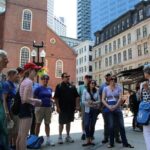
I especially like the seafood sampling—it’s built to feel like a full meal, not a few crumbs. I also like the small group size (up to 12), which keeps the pace human and makes it easier to ask questions, even if you’re walking with kids (names like Tim and Nabeal have earned praise for keeping things fun and clear).
One possible drawback: this tour is very seafood-centered, so if you avoid shellfish or fish, you’ll want to plan around what the tour can swap in for you. Also, it’s still a solid walking day, so wear shoes you trust.
In This Review
- Key things to know before you go
- Why Boston Seafood and the Freedom Trail Fit Together
- A 5-hour private-style walk: how it feels in real time
- Stop-by-stop: landmarks that explain the Revolution (and why they matter)
- Statue of Samuel Adams (start here)
- Faneuil Hall Marketplace
- Old State House (Boston Massacre site)
- Old South Meeting House (Tea Party connection)
- Pass by the first bookstore in Boston
- Old City Hall and the Bronze Donkey
- King’s Chapel (and maybe the organ)
- Granary Burying Ground (1660 roots)
- Boston Common (oldest city park)
- The red-brick neighborhood streets and the Shaw Memorial area
- Massachusetts State House (Bulfinch dome + big city views)
- Boston Public Garden (then the seafood part ramps up)
- Independence Wharf (Fort Point views + Tea Party angle)
- Seaport District / South Boston waterfront
- Rose Fitzgerald Kennedy Greenway
- Freedom Trail stop with lunch at Union Oyster House
- Seafood tasting that feels like a real meal (not a gimmick)
- What to expect from your guide (and why it matters)
- Price and value check: where the $39 really goes
- Who should book this tour (and who should rethink it)
- Should you book Boston Seafood to Freedom Trail?
- FAQ
- How long is the Boston Seafood to Freedom Trail tour?
- Where does the tour start?
- What is the starting time?
- What food is included?
- Is the tour private?
- What group size is the tour limited to?
- Does it include a mobile ticket?
- Are service animals allowed, and is it near public transportation?
- What is the cancellation policy?
Key things to know before you go
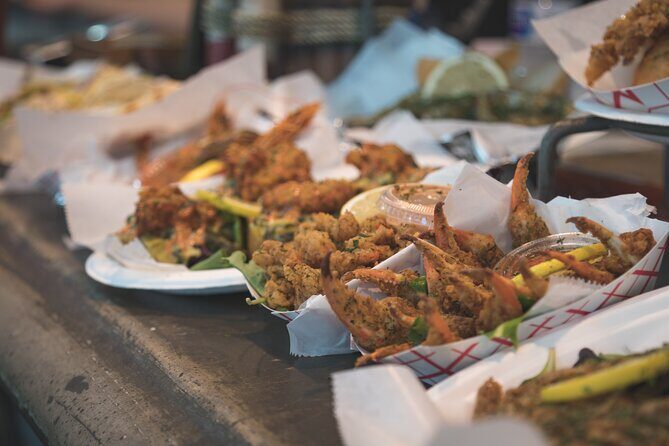
- Freedom Trail landmarks first, food second: history stops come in a steady rhythm with seafood breaks built around them.
- Up to 12 people: smaller groups mean fewer lost minutes and more real conversation with your guide.
- Lunch is treated like lunch: included samples can add up to a full meal worth of food.
- Iconic Boston stops plus a few smart extras: you’ll see the headline sites and also pass notable book-and-culture moments.
- Waterfront views, not just street corners: the Seaport area and Independence Wharf add skyline and harbor context.
- Mobile ticket: you’ll likely keep things simple on check-in with your phone.
Why Boston Seafood and the Freedom Trail Fit Together
Boston is one of those cities where food and history aren’t separate hobbies. On this walk, the story keeps moving while your stomach stays on board—so you’re not stuck doing museum-style facts while hungry.
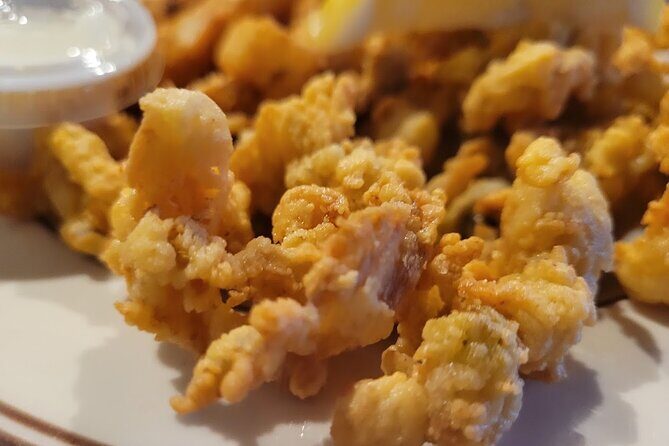
You start in the political world and quickly move into places tied to independence, protest, and public meetings. Then the day turns into something more sensory: clam chowder, lobster rolls, and fried clams show up as part of the rhythm, not as an afterthought.
The tour also makes history feel less like a lecture. Your guide is there to point, explain, and keep the group moving, which is exactly what I want on a walking tour.
You can also read our reviews of more private tours in Boston
A 5-hour private-style walk: how it feels in real time
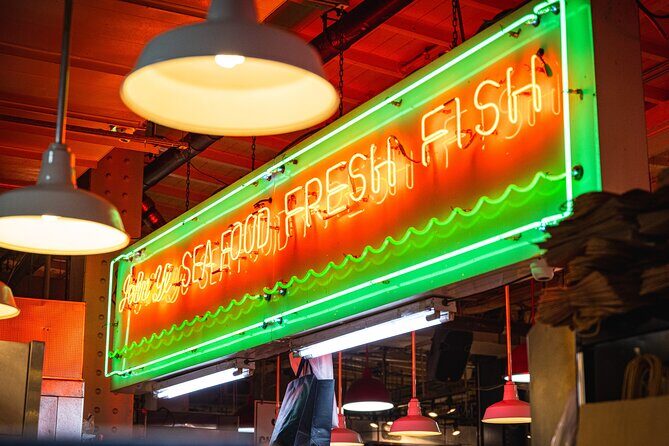
This is a private group experience (only your group participates), which helps a lot if you’re traveling with family or want a calmer pace. Even with that “private” setup, there’s still a cap of 12 travelers, so you’re not swallowed by a big crowd.
The plan runs about 5 hours starting at 1:00 pm, with frequent stops along the route. That matters because you get breaks to rest your feet and reset your brain between tastings and sightseeing.
What I find practical: the meeting point is right in the center of activity at 470 Atlantic Ave. You’re close to transit, and the tour notes service animals are allowed. If you arrive a little early, you’ll have time to settle in without stressing.
Stop-by-stop: landmarks that explain the Revolution (and why they matter)
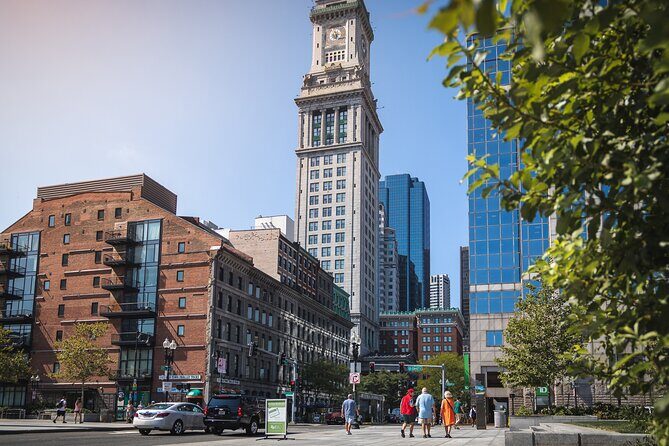
The Freedom Trail part of the day isn’t just photo ops. Each stop is there to teach you how Boston worked—politics, public meetings, print culture, and the places people gathered when things got serious.
Statue of Samuel Adams (start here)
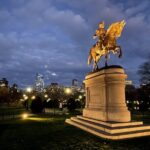
You kick off at the statue of Samuel Adams, one of the best-known voices behind early American independence. It’s a simple starting point, but it sets the political tone before you move into the meeting places.
Faneuil Hall Marketplace
Next is Faneuil Hall Marketplace, right by the waterfront. This is where independence-minded Americans pushed for change, and your guide connects it to the city’s habit of public argument and organized protest.
If you like understanding the “why this place matters” behind the obvious names, this stop delivers fast.


Old State House (Boston Massacre site)
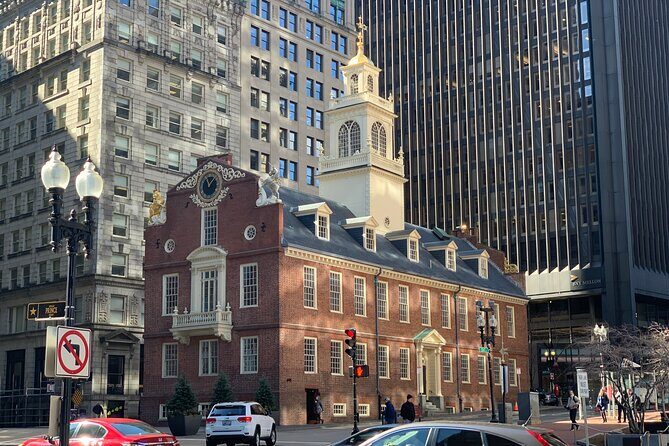
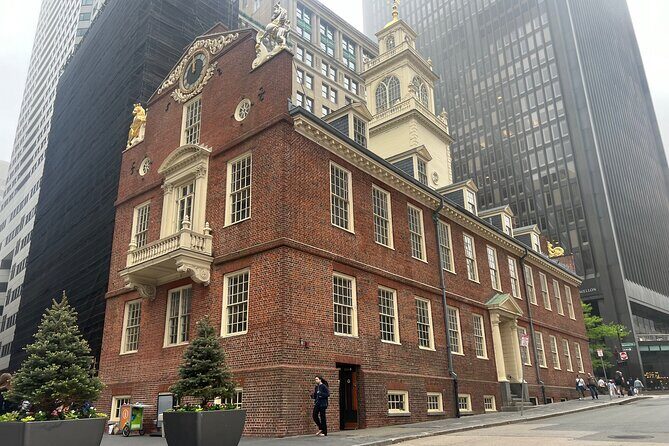
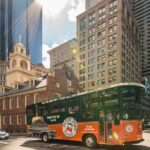
You then stop in front of the Old State House, tied to the Boston Massacre. It’s one of Boston’s iconic buildings, and it’s also one of the older public structures in the country.
This is where the tour leans into interpretation: not just what happened, but why the location and building mattered.
Old South Meeting House (Tea Party connection)
At the Old South Meeting House, you’ll connect the dots to the Boston Tea Party. The tour notes the church building was the largest in the city for that 1773 gathering, which gives you scale for how big the crowd and message really was.
Even if you think you know the Tea Party story, this stop helps make it feel local and specific.
Pass by the first bookstore in Boston
Between the big named sites, the route includes a pass-by moment about the first bookstore in Boston. It’s mentioned as the home for publishers of Walden, The Scarlet Letter, and Midnight Ride of Paul Revere by Longfellow.
This is a smart pause for anyone who likes the culture angle—how ideas spread through print, not just through battles.
Old City Hall and the Bronze Donkey
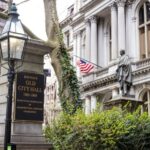
You continue to Old City Hall, which served as home to the city council in the 19th and 20th centuries. The tour also points out it’s tied to the first public school in America and adds a photo-friendly detail: the Bronze Donkey.
French architecture is part of the visual payoff here, so even if you’re tired, you’ll still have something satisfying to look at.
King’s Chapel (and maybe the organ)
Then comes King’s Chapel, described as the first Anglican church in New England. The guide explains its history across centuries, and the tour notes a chance to hear the organist practicing on the oldest church organ in the US—if you get lucky.
This stop is worth it for the atmosphere and the “you’re in an old building that still works” feeling.
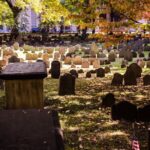
Granary Burying Ground (1660 roots)
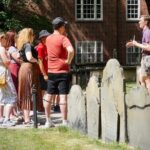
You walk into Granary Burying Ground, dating back to 1660. It’s tied to Revolutionary heroes like John Hancock, Paul Revere, and Sam Adams, and the tour notes it was originally part of Boston Common.
If you like your history grounded in real people, this cemetery stop does that without getting gloomy.
Boston Common (oldest city park)
Next is Boston Common, listed as the oldest city park in the United States. The tour mentions it’s been used by locals and visitors since 1634, with memorials, fountains, and places to relax.
This is also a nice reset spot. You get a breather before the day turns toward the State House and the waterfront.
The red-brick neighborhood streets and the Shaw Memorial area
After Boston Common, the route includes a section through a popular neighborhood known for its red-brick roads. The guide explains how the area developed, which adds texture beyond the biggest Revolutionary landmarks.
You also pass by a memorial connected to one of the first African American regiments in the Civil War, with Robert Gould Shaw referenced as the colonel. It’s a lesser-known stop for many visitors, and that makes it a meaningful one.
Massachusetts State House (Bulfinch dome + big city views)
You’ll reach the Massachusetts State House, built in 1798 and designed by architect Charles Bulfinch. The tour emphasizes the famous dome and gives you views stretching over modern Boston, including the skyscrapers in Downtown and the John Hancock Tower, listed as the tallest building in New England.
This is a good checkpoint to look up after a lot of street-level history.
Boston Public Garden (then the seafood part ramps up)
The tour includes Boston Public Garden, described as a lively place where locals enjoy walking, exercise, and quiet time. It’s also where the first half of the tour ends, and you shift into the tasting experience.
This timing works well. You get one calmer scenic break before you start thinking about food again.
Independence Wharf (Fort Point views + Tea Party angle)
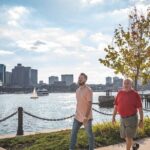
At Independence Wharf, the route includes views of Fort Point and the Seaport District. You also get a historical connection back to the Boston Tea Party, plus context about fishermen docking with fresh catch across generations.
This stop is a strong blend: history that makes sense because you’re literally looking at the waterfront where it happened.
Seaport District / South Boston waterfront
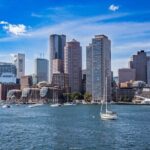
The tour continues along the Seaport District / South Boston waterfront. It’s described as Boston’s lifeblood, with commerce plus recreational energy, and it’s a solid place to take in skyline views while you’re walking.
Even if you’re not into boats, the harbor helps you understand why Boston mattered to trade and supplies.
Rose Fitzgerald Kennedy Greenway
You pass through the Rose Fitzgerald Kennedy Greenway, described as connected parks with public art, gardens, and recreational spaces. For me, this is the “breathing space” segment—green areas that keep the walk from feeling like one long stretch of downtown streets.
Freedom Trail stop with lunch at Union Oyster House
Your route ties back to the Freedom Trail and includes a stop at Union Oyster House, noted as serving New England standards since the early 1800s. You get about 30 minutes here, and the tour frames it as the place where the lunch experience lands.
For food lovers, this is the moment you’ll remember: history earlier, then comfort food you can taste while you’re standing where Boston’s older rhythm still echoes.
Seafood tasting that feels like a real meal (not a gimmick)
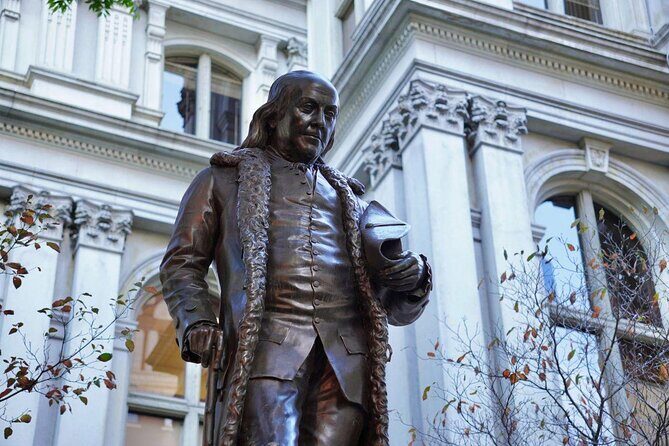
The tour includes lunch plus “a variety of food samples” that the description says can equal a full meal. Common items called out include lobster roll, New England clam chowder, and fried clams, with a worthy substitute offered when needed.
This is the right structure for travelers who don’t want to choose a menu. You’re not stuck deciding between ten options—your guide helps keep the tasting moving at a pace that matches the walk.
A small personal note on value: at $39, the inclusion of a full-feeling lunch does most of the heavy lifting. The guide also layers in context so you’re not paying only for food. You’re paying for food plus a guided route through some of Boston’s best-known Revolutionary stops.
If you’re traveling with kids, this setup tends to work because the tour format mixes “snack rhythm” with landmark breaks. The tour experience is built for attention spans: you eat, you walk, you learn, you eat again.
What to expect from your guide (and why it matters)
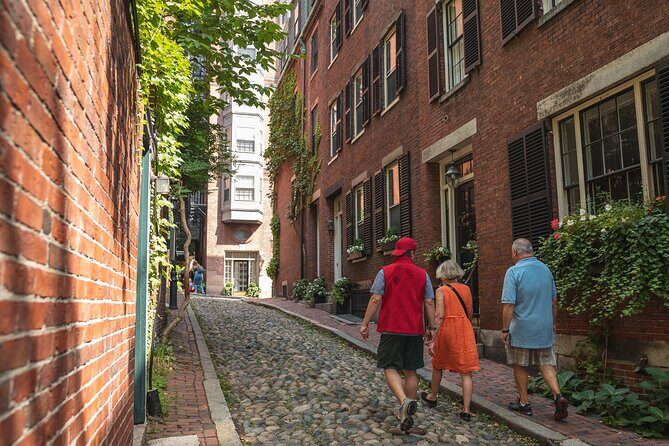
The biggest difference between an okay tour and a great one is how the guide paces the group and tells the story. In this case, guides like Tim and Nabeal have been praised for being funny and for taking their time to explain what you’re looking at.
That matters because the route is packed with major names. If someone rushes, you miss the point. If someone teaches, the places stop being random signs on a sidewalk.
If you want a tour where you can ask questions and get direct answers, this format is built for that. The small limit helps, and the private-group feel keeps it from turning into herding.
Price and value check: where the $39 really goes
Let’s talk value without pretending it’s magic.
At $39 for about 5 hours, you’re paying for:
- A guided walk with a local English-speaking guide
- A major seafood lunch with multiple samples
- A route through famous Freedom Trail stops plus extra context moments
What you’re not getting is unlimited eating or a sit-down fine-dining experience. The description is clear that additional food and drink, souvenirs, and tips aren’t included.
But here’s the practical takeaway: if you planned to do a Freedom Trail walk on your own and still wanted seafood, you’d likely spend comparable money on transit, paid tours, and at least one full meal. This combines both, and the small group size makes it feel more like a curated day with a friend than a canned production.
Who should book this tour (and who should rethink it)
This is a great fit if you want:
- History + food in one half-day plan
- A small group and a guide who explains instead of reading a script
- Seafood as a highlight, not an afterthought
- An easy way to see major Freedom Trail sites without planning every step
It may be less ideal if:
- Seafood is a no-go for you (the tour notes a substitute, but the overall structure is still seafood-based)
- You don’t want a walking-heavy afternoon
- You prefer long inside time at museums rather than frequent stops outdoors
Should you book Boston Seafood to Freedom Trail?
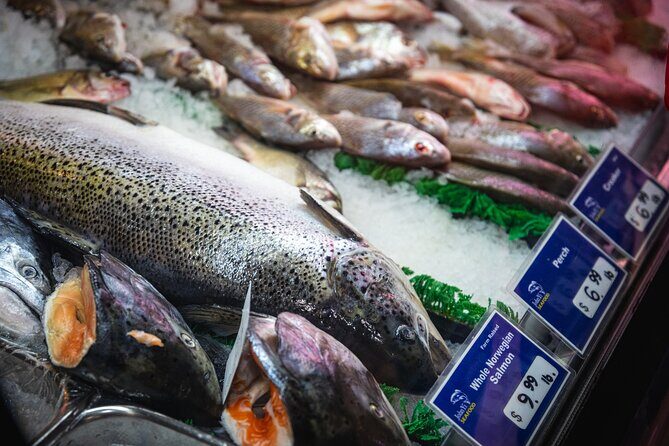
I think you should book it if you want Boston in two flavors: Revolutionary landmarks and real New England seafood. The route is packed, but it’s organized with frequent short stops, and the lunch component makes the time feel worth it.
Book it with confidence if you like small groups, and especially if you’re traveling with kids or anyone who gets restless during purely historical walks. If you’re sensitive to walking distance or you avoid seafood, I’d still consider it—but plan around substitutes and bring sensible footwear.
FAQ
How long is the Boston Seafood to Freedom Trail tour?
It runs about 5 hours (approx.).
Where does the tour start?
The meeting point is 470 Atlantic Ave, Boston, MA 02210, USA.
What is the starting time?
The tour starts at 1:00 pm.
What food is included?
Lunch is included, along with a variety of food samples that can equal a full meal, such as lobster roll, New England clam chowder, fried clams, or a worthy substitute.
Is the tour private?
Yes. It is listed as a private tour/activity, so only your group participates.
What group size is the tour limited to?
The tour is limited to 12 travelers.
Does it include a mobile ticket?
Yes, it includes a mobile ticket.
Are service animals allowed, and is it near public transportation?
Service animals are allowed, and the meeting area is near public transportation.
What is the cancellation policy?
Free cancellation is available up to 24 hours in advance for a full refund. If you cancel less than 24 hours before the start time, the amount paid is not refunded.