REVIEW · BOSTON
Boston: Freedom Trail History and Food Tour
Book on GetYourGuide →Operated by ExperienceFirst · Bookable on GetYourGuide
A chowder trail with Revolutionary stops. This Freedom Trail history walk pairs landmark storytelling with optional classic Boston bites so you get both the meaning and the munching.
I especially like starting at the Boston Public Market, then moving through working-market Boston like it still matters today. You also step into early America at the Paul Revere House and get inside the Old North Church for a real feel of architecture and intent, not just dates.
One thing to think through: the ticket covers the guided walk, but the food is optional and can add up. If you expected a fully food-heavy tour, you may find the tasting portion feels lighter.
In This Review
- Key things to know before you go
- Starting at Boston Public Market: where the tour finds its appetite
- Freedom Trail walking, minus the textbook vibe
- Boston Public Market tastings: chowder and baked beans, done right
- Haymarket and the Blackstone Block: the city’s old work lives
- Quincy Market and Faneuil Hall: big landmark energy, food-friendliness included
- Rose Kennedy Greenway and Holocaust Memorial Park: pause and look up
- Salumeria Italiana: where the food stops get more specific
- Paul Revere House: early American life, not just a name
- Old North Church: architecture that helps you picture the plan
- Parziale’s Bakery and Polcari’s Coffee: finish like a Boston local
- Price and value: $39 for the walk, food is your choice
- What to bring, and how to get the best experience
- Who this tour suits best
- Should you book it?
- FAQ
- Where is the meeting point?
- How long is the tour?
- Is the food included in the price?
- What food stops are included on the tour?
- Does the tour include Haymarket?
- Is the tour wheelchair accessible?
- What should I bring?
Key things to know before you go
- Boston Public Market first: a strong opening where you can sample classic comfort food.
- Haymarket on Fridays/Saturdays: you can catch the 300-year-old tradition in action on those days.
- Short walk, steady pace: about 1.2 miles at a leisurely tempo, good for many shoe types.
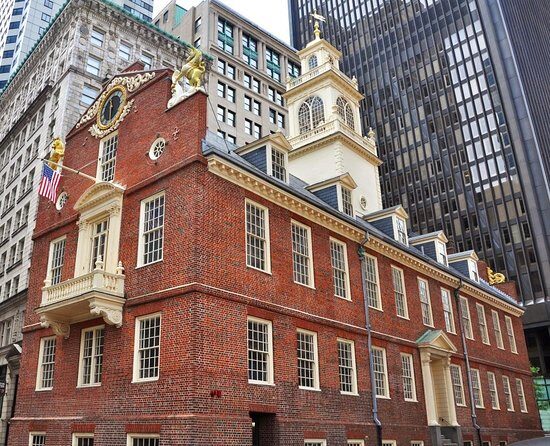
- Top historic stops in just 2 hours: Paul Revere House and Old North Church make the big hits.
- Food recommendations drive the budget: sampling everything is roughly $30 on top of the $39 tour.
- Local guide energy matters: guides like Charlie and Paul have been praised for turning the walk into something personal and practical.
Starting at Boston Public Market: where the tour finds its appetite
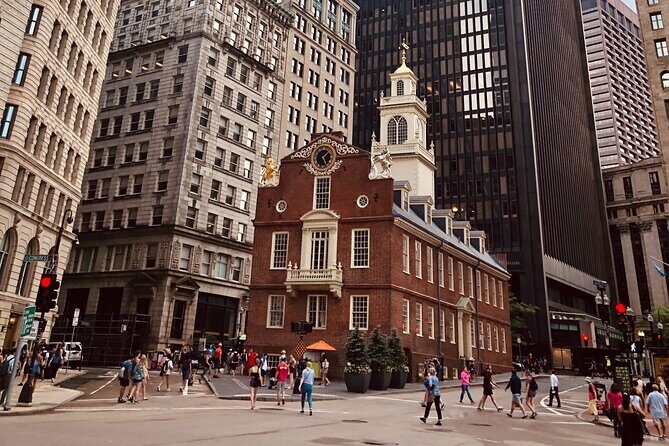
You’ll meet your guide at the Congress Street entrance of the Boston Public Market, where Congress Street intersects with Hanover Street. Your guide will be wearing an orange hat that says ExperienceFirst, so it’s easy to spot once you’re on the right corner. This is a smart start point because it places food and history in the same frame from minute one.
The tour begins with a guided look around Boston Public Market. From there, you’ll get a feel for how modern Boston eats—then you’ll walk into the parts of town that helped shape the country you’re traveling through now. The timing works well too: you’re not trudging through history on an empty stomach.
Also, the practical stuff is clear. Bring comfortable shoes and water. The route is designed for a manageable walking distance, and the pace stays relaxed rather than sprinting between stops.
You can also read our reviews of more food & drink experiences in Boston


Freedom Trail walking, minus the textbook vibe
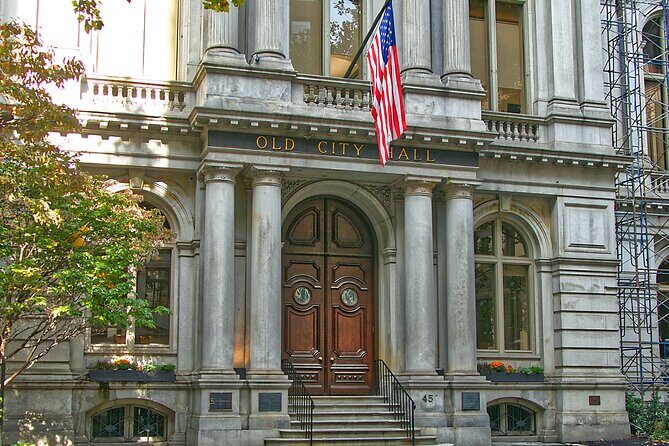
The core experience is a guided walk along the Freedom Trail with local stories layered over the street corners. Instead of treating the sites like checkboxes, your guide connects what you’re seeing with why people acted the way they did. You’ll hear not only the famous moments, but also smaller local context that helps the landmarks make sense in modern Boston.
The route covers key areas like Faneuil Hall and the Old North Church area, plus stretches where you can pause for city views. You’ll also pass the Holocaust Memorial Park along the way, which adds weight to the walk without turning it into a lecture.
If you like history that you can hold in your head while walking, this kind of guiding is a good fit. It’s also wheelchair accessible, and it works with strollers, which makes the route easier to manage.
Boston Public Market tastings: chowder and baked beans, done right
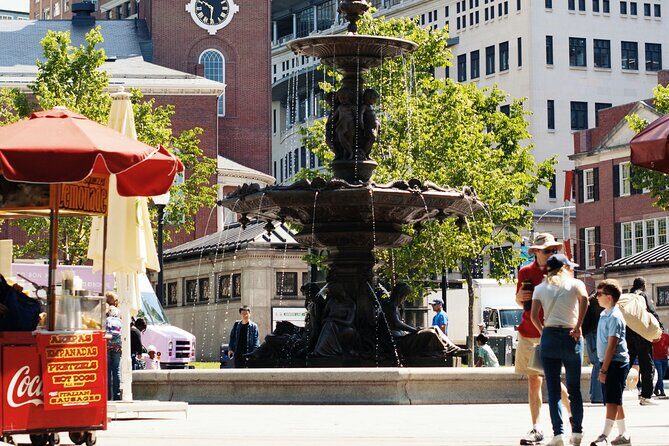
The Boston Public Market stop is where the tour earns its food-tour label. You’ll sample classic bites like chowder and baked beans here, which is exactly the kind of food that feels tied to Boston identity rather than just generic tourist snacks.
What I like about this approach is that you start with foods that set expectations. You’re not randomly buying something sweet first and then trying to remember what you came for. Instead, you ease into the tour with flavors that match the city’s reputation.
One practical note: food isn’t included in the $39 price. The tour gives recommendations, and you can choose what you want. Sampling a full set of recommended items is roughly $30, so plan on that if you truly want the full tasting experience.
Haymarket and the Blackstone Block: the city’s old work lives
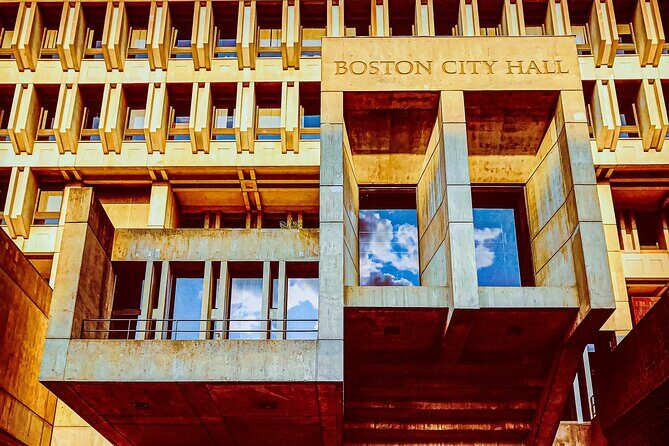
Next you’ll head toward Haymarket, a major Boston food and market area. On Fridays and Saturdays, there’s a chance to see the 300-year-old Haymarket tradition in action. Even if you’ve read about historic markets before, there’s something different about watching them operate on schedule—vendors, activity, and that purposeful crowd energy.
From there, the walk includes the Blackstone Block Historic District, where the streets feel like they’re built for walking and noticing details. This is the kind of stop that helps the Freedom Trail feel real. You get to see how historic Boston wasn’t just important in theory—it was a working city.
The lesson here is simple: history lives in the street patterns and daily life. Your guide helps you connect the dots so the block isn’t just pretty architecture.
Quincy Market and Faneuil Hall: big landmark energy, food-friendliness included
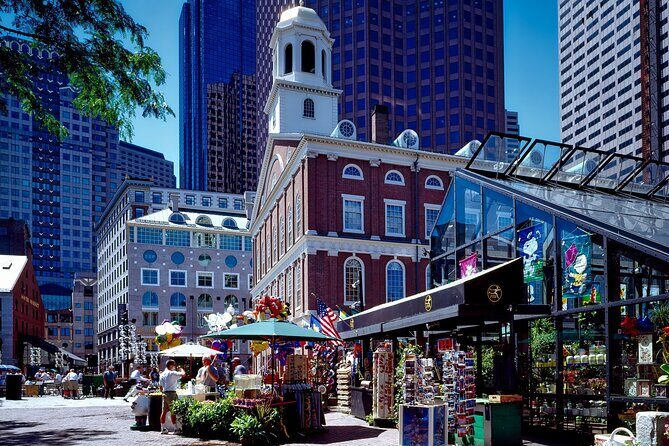
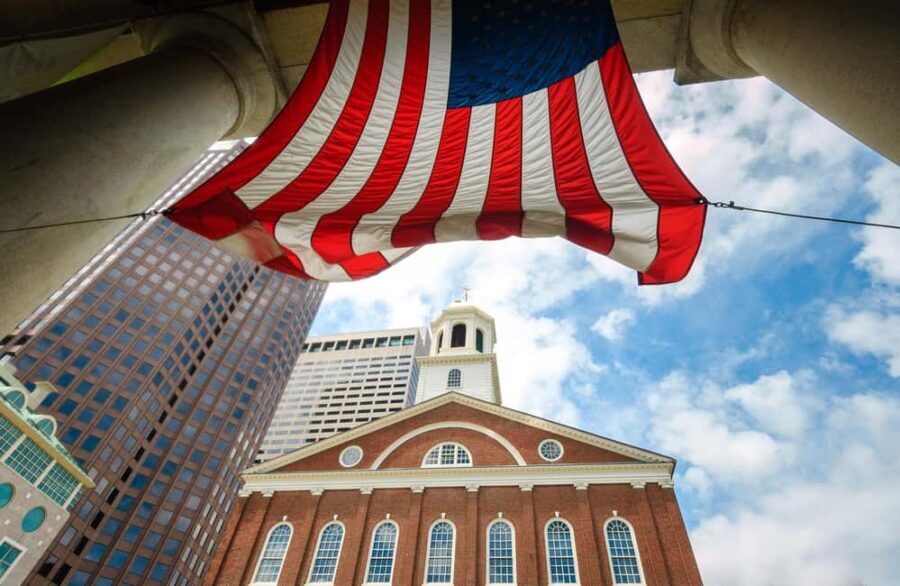
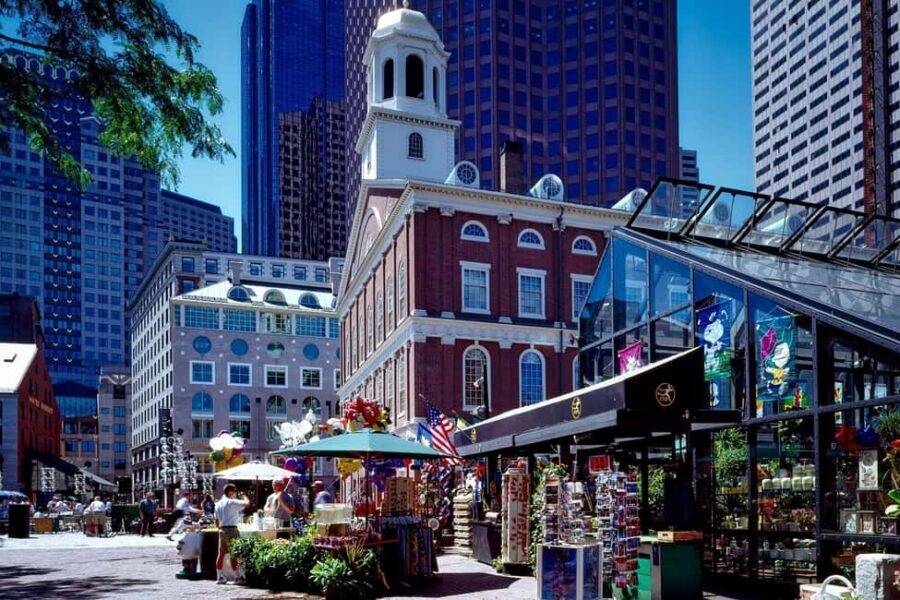
Your tour includes Quincy Market and also covers stops tied to Faneuil Hall, which is one of the most famous gathering points tied to early American political life. In modern Boston, these areas are food magnets, and that’s useful for you on a tour like this.
Even if you don’t buy a lot here, the setting matters. You’ll see how the market culture still supports community life. It’s an ideal place for a break because it naturally turns walking into a short, manageable pause.
A small consideration: market areas can be crowded. That’s not a reason to skip the tour, but it does mean you’ll want to keep your expectations realistic about how comfortable it feels inside busy food spaces. Your guide can help you navigate the stops and decide when to buy and when to just enjoy the scene.
You can also read our reviews of more tours and experiences in Boston



Rose Kennedy Greenway and Holocaust Memorial Park: pause and look up
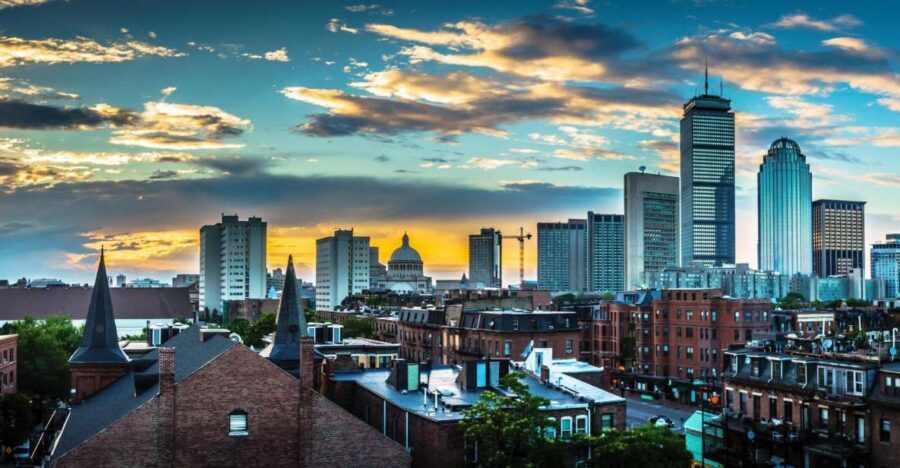
One of the best parts of this walking style is the built-in moments to reset. You’ll stroll along the Rose Kennedy Greenway and take in views that feel like a breath between heavier history stops.
Green space also gives your brain room to process what you’ve heard. You’re not just moving from landmark to landmark—you’re absorbing the story and then letting the city itself slow you down for a minute.
Along the same general route, you’ll also pass by the Holocaust Memorial Park. That adds an important layer of context to the walk through American ideals and human choices. This is one of those moments where a good guide’s tone helps you stay respectful while still understanding why it’s part of the broader walk.
Salumeria Italiana: where the food stops get more specific
At Salumeria Italiana, the tour shifts from classic comfort food into something more Italian-market leaning. You’ll get guided direction on what to try, with this stop acting like a bridge between the historic areas and the sweeter bakery finish later.
I like this sequencing because it keeps your choices interesting without turning into a random food crawl. If you’ve already had chowder or baked beans earlier, something lighter or more savory later can feel like a smart rhythm.
Because food is optional, your best move is to decide based on your appetite. This is one of those tours where you can taste a bit at each stop or commit to fewer purchases and go for quality. Either plan works as long as you communicate your preferences to the guide and keep moving.
Paul Revere House: early American life, not just a name
One of the defining stops is Paul Revere’s home. You step into early American life in a setting that’s meant for understanding how people lived, not just what they did. Your guide brings the story alive as you tour the house, tying Revere’s role to the broader Freedom Trail narrative.
What makes this stop valuable for you is the contrast. Before this, you’re moving through marketplaces and city streets. Here, the scale shifts. You’re in a space built for personal history—small details, lived-in atmosphere, and the feeling that events happened because ordinary people were ready and watching.
If you only care about the headline moments, this stop still works because it gives the background that makes those moments believable.
Old North Church: architecture that helps you picture the plan
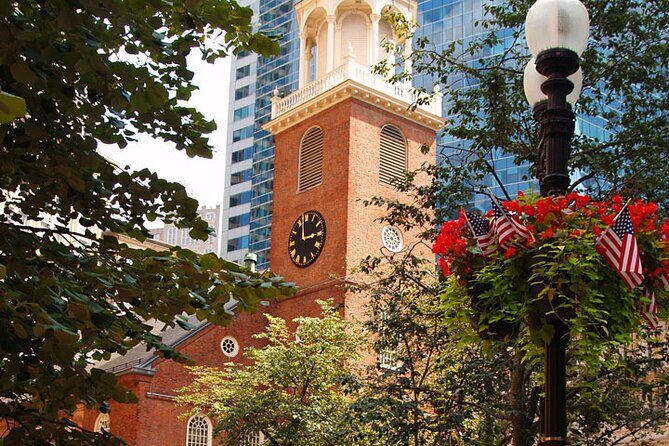
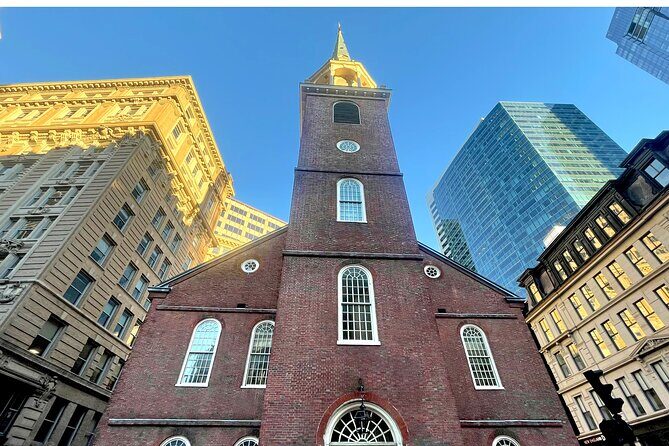
After Revere’s house, you’ll visit the Old North Church. This isn’t just about the event everyone associates with it. You’ll also get to see the building’s architecture and how the structure fits the role it played.
This is the kind of stop that’s great if you enjoy noticing how design supports a purpose. Your guide’s explanations help you connect what you’re seeing—shape, placement, and street setting—to the ideas behind the famous story.
Even if you’re tired from walking, this stop is a good “stand still” moment. You get a chance to reset your feet while learning something you can carry with you later when you look at the surrounding neighborhood.
Parziale’s Bakery and Polcari’s Coffee: finish like a Boston local
By the time you reach Parziale’s Bakery, the tour has earned the sweet ending. This is where you can pick up something for the road or grab a treat to match the earlier savory bites. The key is that you’re not just eating for eating’s sake. The tour’s food logic has been building toward this final phase.
You’ll finish at Polcari’s Coffee, which is a nice landing point. If your schedule allows, you’ll be in a good spot to keep the day moving without feeling stranded.
If you want to stretch value, I suggest saving a small hunger window for the finish. That way, the last stop feels like part of the experience rather than an obligation.
Price and value: $39 for the walk, food is your choice
The tour costs $39 per person and lasts about 2 hours. What you’re paying for is the guided walking experience plus local storytelling and food recommendations. Food costs are optional, and the tour notes that sampling the recommendations typically runs about $30.
That means your likely all-in cost is around the high end if you eat at each stop, but the good news is you control the spending. You can treat it as a history tour with optional bites, or you can lean into the full food sampling and budget accordingly.
For value, the biggest win is time. In 2 hours you hit major landmarks like Paul Revere House and Old North Church, plus you get market context at Boston Public Market, Haymarket, and the Quincy Market area.
What to bring, and how to get the best experience
A simple packing list helps you enjoy the tour without friction: wear comfortable shoes and bring water. Since you’ll be walking about 1.2 miles, you want footwear that can handle city sidewalks comfortably.
In terms of strategy, I recommend you choose a tasting plan before you start buying. If you love food, say yes to a few key items rather than trying to take tiny bites everywhere. If you prefer to focus on history, grab one or two standout foods and enjoy the rest as atmosphere.
Also, venues may not be open on all tour dates. The guide is set up to include an alternative when needed, so you’re not stuck with a dead end.
Who this tour suits best
This is a strong match for you if you want Freedom Trail history but you also like food that feels connected to place. It works especially well if you enjoy guided storytelling that includes practical local context, from markets to landmark sites.
It can also be a good choice for pairs and solo travelers who like a structured walk without being trapped in a museum for hours. If you’re traveling with a stroller, this route is described as accessible for them too.
If your main goal is a fully food-focused tasting with lots of included samples, you may feel the food side doesn’t carry the tour. In that case, treat it as a history-first guided walk with recommendations and decide how much you want to spend.
Should you book it?
I’d book this tour if you want a 2-hour hit of Freedom Trail highlights plus a market-and-food context that makes Boston feel like a living city. The optional tastings are easy to scale to your appetite, and the pacing keeps you moving without feeling rushed.
Skip or reconsider if you’re hunting for an experience where food is the main event and included in the ticket price. Here, the guide steers you toward great stops, but you’re the one who chooses the menu.
If your goal is to get oriented fast—history plus classic bites in walking distance—this is a solid pick.
FAQ
Where is the meeting point?
Meet your guide at the Congress Street entrance of the Boston Public Market, where Congress Street intersects with Hanover Street. The guide will be wearing an orange hat that says ExperienceFirst.
How long is the tour?
The tour duration is 2 hours.
Is the food included in the price?
No. The tour includes the guided walking portion, but food costs are optional. Sampling recommended items is typically around $30.
What food stops are included on the tour?
The tour includes stops where you can sample or get recommendations for classic Boston items, including chowder and baked beans at Boston Public Market, plus additional food stops such as Salumeria Italiana and Parziale’s Bakery.
Does the tour include Haymarket?
Yes. The Haymarket portion is part of the tour experience, and on Fridays and Saturdays you can see the 300-year-old Haymarket tradition in action.
Is the tour wheelchair accessible?
Yes. The tour is described as wheelchair accessible and also suitable for strollers.
What should I bring?
Wear comfortable shoes and bring water. The tour covers about 1.2 miles at a leisurely pace.