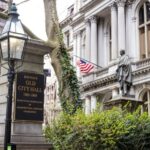
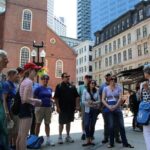
REVIEW · BOSTON
True Crime Tour of Boston
Book on Viator →Operated by Boston Ghosts By Us Ghost Adventures · Bookable on Viator
Boston has a darker side. This 2-hour true crime walk threads real cases through some of the city’s best-known landmarks, using short stops so the stories stay focused and respectful.
I especially like the structured guide-led narrative and the fact that you’re not paying extra entry fees at each site. Another big plus: guides can keep things lively—when the pacing hits right, you get real context without a heavy, trudging slog.
One thing to consider: if you’re hoping for a deep, nonstop focus on the exact crimes you already know, this route covers a mix of famous and more niche stories, so it may not match every true-crime wish list.
In This Review
- Key takeaways before you go
- Boston’s True-Crime Side, Told on a Calm 2-Hour Walk
- Price and What You Get for $32
- Route Overview: From the Public Garden to Mary Dyer
- Stop-by-Stop Highlights Across Boston Common, Copley, and the State House
- Boston Public Garden: The Ether Monument and the first female serial killer
- Boston Marathon Survivor Memorial: Bravery after terror
- Copley Square: The Craiglist Killer at a city corner
- Central Burying Ground: Grave robbing and what people told themselves
- Emerson College: The Hitchhiker Killer for eight terrifying months
- Parkman Bandstand: Debt and death behind a bandstand name
- Boston Common Frog Pond: Intrigue, forgeries, family strife, and a suicide attempt
- 27 School St: Charles Ponzi’s fraud origin point
- John Adams Courthouse: A trial tied to the youngest serial killer story
- Massachusetts State House: Mary Dyer and anti-Quaker laws
- The Storytelling Tone: Respectful, Structured, and Sometimes Very Human
- Who This Tour Fits Best (and Who Might Want a Different Night)
- Should You Book This True Crime Tour of Boston?
- FAQ
- How long is the True Crime Tour of Boston?
- What does the tour cost?
- Where does the tour start and end?
- What time does the tour start?
- Is the tour offered in English?
- How large is the group?
- Is there free cancellation, and how far ahead do I need to cancel for a full refund?
Key takeaways before you go
- 10 stops in about 2 hours keeps the pace moving without sprinting
- Free access at each site means your $32 goes to the guide, not tickets
- Real landmarks, real cases: Boston beauty plus Boston darkness, in measured doses
- Respect-first framing for traumatic events and violent crime stories
- Small group size (max 20) helps you stay with the narrative instead of getting lost
- Mobile ticket makes last-minute logistics easier
Boston’s True-Crime Side, Told on a Calm 2-Hour Walk
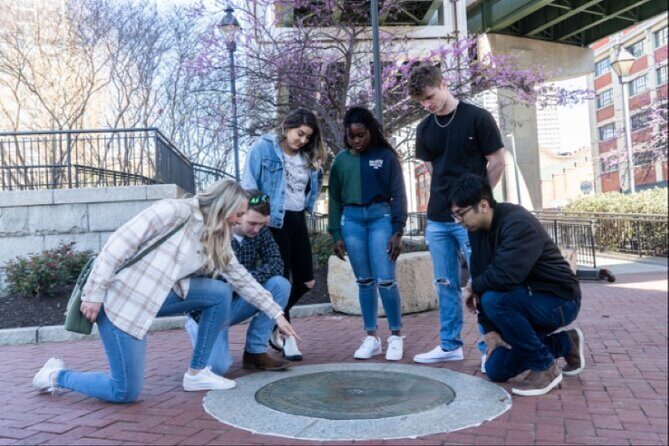
This is not a jump-scare ghost hunt. It’s a guided walk that treats crime as history—how and why it happened, what people did next, and how the city remembers (or forgets) certain moments.
The trick is pacing. Each stop is short, so you’re not stuck listening to one case for the whole tour. You move through Boston at human speed, taking in views along the way while the guide connects each location to a specific story.
Also, the route blends very different tones. You’ll go from formal, pretty public spaces to courthouse steps and memorials, with the guide doing the work of keeping the topic organized.
You can also read our reviews of more tours and experiences in Boston.

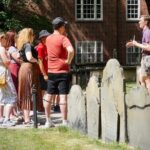

Price and What You Get for $32
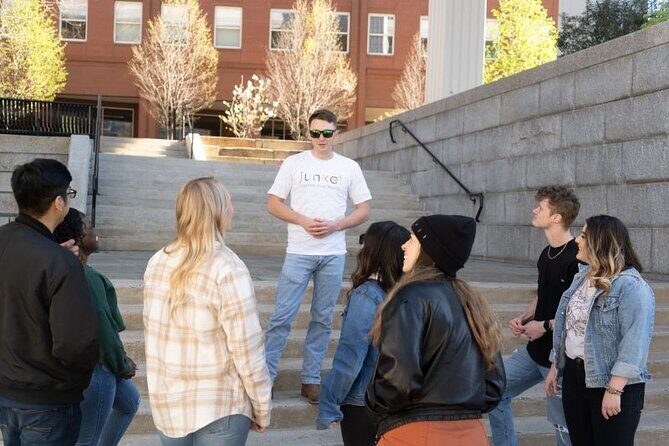
At $32 per person for roughly two hours, this tour sits in the “good value, not a bargain” zone. You’re paying for more than a map and a playlist—you’re paying for a local guide with thoroughly researched history and a professional, narrative-driven approach.
What makes it feel like better value is that the stops are free to access. Instead of spending your budget on attractions, you’re spending it on interpretation: why the place matters, what’s known, and what the story leaves out.
One practical note: food and drink aren’t included. So plan a snack before you start, especially since the tour begins in the afternoon. In Boston, it’s easy to walk past great options—just make sure you’re not starving when the stories get intense.
Route Overview: From the Public Garden to Mary Dyer
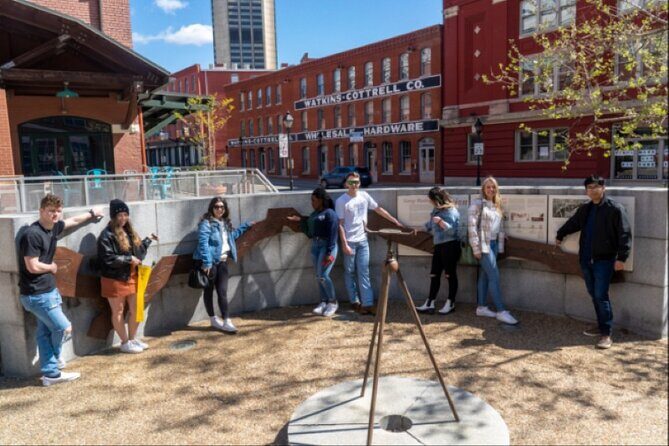
The tour starts at the George Washington statue area (Boston, MA 02116) and ends at the Massachusetts State House near the Mary Dyer statue (24 Beacon St, Boston, MA 02133). It’s scheduled to begin at 3:00 pm, runs about 2 hours, and is offered in English.
There are up to 20 people, which I like for this kind of walk. In a group that small, the guide can keep everyone oriented, and the story stays coherent rather than turning into a debate over where to stand.
Also, it’s designed to be walkable for a moderate physical fitness level, with the emphasis on an easygoing pace rather than long stretches. And because it’s near public transportation, you’re not stuck with a complicated arrival plan.
Stop-by-Stop Highlights Across Boston Common, Copley, and the State House
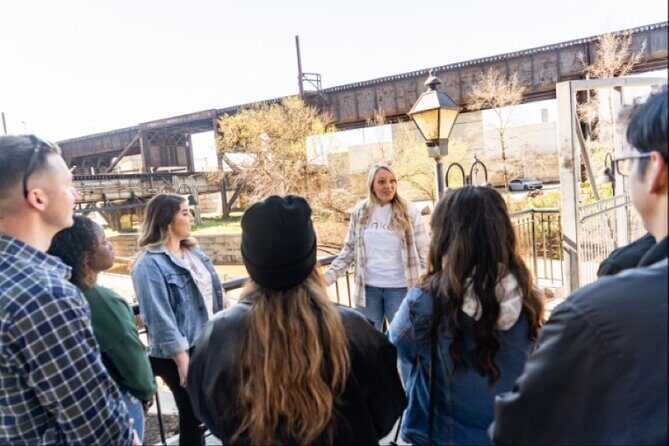
Boston Public Garden: The Ether Monument and the first female serial killer
You begin at the Boston Public Garden, where the Ether monument links a public landmark to one of the early, infamous serial-killer stories: the tale of the first female serial killer.
This stop works because it’s a contrast play. The garden is known for beauty and calm, so hearing the darker case history in that setting lands differently. The guide’s short timing here helps you take it in without letting the shock turn into numbness.
Consideration: if you’re brand-new to true crime or you’re wary of graphic detail, let the guide set the tone first. Short stops like this usually help keep things framed.




Boston Marathon Survivor Memorial: Bravery after terror
Next is the Boston Marathon Survivor Memorial. Here, the focus is on the terror of the days and weeks around the Boston Marathon bombing, and the bravery that followed.
This is a good reminder that true crime isn’t only about criminals. It’s about consequences—how a city holds itself together after something unthinkable.
Copley Square: The Craiglist Killer at a city corner
At Copley Square, you’ll hear about the Craiglist Killer and learn how the case connects to one of his Boston haunts.
Copley is a busy, recognizable hub. That makes the story feel less like a museum exhibit and more like something that happened in plain sight—part of why these locations matter.
Practical tip: keep your eyes up for the exact spot the guide is referencing. In a major square like this, it’s easy to get a little turned around.
Central Burying Ground: Grave robbing and what people told themselves
The tour then heads to Central Burying Ground, where you’ll explore the occasionally macabre topic of grave robbing.
The key point here is nuance: in the 18th and 19th centuries, cemeteries were sometimes raided for purposes that weren’t as sinister as you might assume. The guide frames the “why” so you don’t just hear gore-adjacent facts—you get context.
This is also one of the stops where Boston’s age shows. It’s not just the story you’re learning. It’s the fact that the city still has places where history is physically layered.
Emerson College: The Hitchhiker Killer for eight terrifying months
At Emerson College, the conversation turns to the Hitchhiker Killer, a 1970s serial killer who reportedly terrorized Boston for eight months.
This stop is interesting because it ties a case to an active modern campus area. It also helps you see how long-term fears and crimes can leave a mark on everyday streets, even when the city keeps moving.
Parkman Bandstand: Debt and death behind a bandstand name
At Parkman Bandstand, the story isn’t just crime-as-action—it’s crime-as-backstory. The Parkman family, connected to a tale of debt and death, inspired the naming of the bandstand.
This one feels a bit like detective work in the open air. You’re learning that even charming public structures can carry names from complicated events.
Boston Common Frog Pond: Intrigue, forgeries, family strife, and a suicide attempt
At Boston Common’s Frog Pond, you’ll investigate a case tied to a suicide attempt—but the lead-up is described as resulting from intrigue, forgeries, and family strife.
This stop is a reminder that crime stories are often tangled. The violence (or the threat of it) sits at the end of a chain of motives, not in a vacuum.
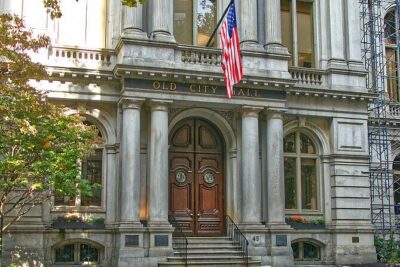
27 School St: Charles Ponzi’s fraud origin point
At 27 School St, you’ll view the structure where Charles Ponzi started the fraud that eventually became his name.
This is one of the most “you can recognize the concept today” stories on the route. Ponzi schemes feel old, but the mechanics—promises, manipulation, and the way trust gets exploited—can sound uncomfortably familiar.
If you like cases with clear cause-and-effect, this stop delivers.
John Adams Courthouse: A trial tied to the youngest serial killer story
At the John Adams Courthouse, the tour describes the trial of the youngest serial killer in American history.
Court locations change the tone fast. You go from street-level narrative to systems-level justice—how the legal process framed what everyone was trying to understand.
Massachusetts State House: Mary Dyer and anti-Quaker laws
Finally, you end at the Massachusetts State House near the Mary Dyer statue.
Here, the story is tragic and political: a woman, along with three other women, was put to death for violating unfair anti-Quaker laws. It’s a different flavor of darkness than serial crime, but it fits the tour’s theme: how Boston has lived through violence, fear, and injustice.
If you want the tour to feel anchored in real place and real consequence, this ending does that.
The Storytelling Tone: Respectful, Structured, and Sometimes Very Human
The biggest selling point here is the idea that sensitive topics are kept structured and respectful. You’re not just walking through locations while someone guesses at facts. The tour is described as researched, and the time per stop supports that structure.
Still, tone can vary depending on the guide. In the best versions of this tour, the guide’s voice is animated and the story feels like it’s being told to you—not recited at you. On the flip side, there are also reports of a more monotone, word-for-word delivery.
Here’s how you can control your experience:
- Go in expecting history-plus-story, not a courtroom documentary.
- If you’re sensitive to heavy themes, give yourself permission to tune out for a moment and regroup at the next landmark.
- Stay close to your guide during transitions so you don’t miss the setup.
Who This Tour Fits Best (and Who Might Want a Different Night)
This is ideal if you like true crime with context. If you enjoy learning the background behind real cases—why people acted, how communities reacted, and how the city remembers—you’ll likely have a great time.
It also fits well for couples and solo visitors who want a shared narrative without the pressure of museum pacing. The small group and easy route make it a practical choice for a weekend afternoon.
Who might want a different option? If you only want the most famous Boston crimes with maximum depth for each one, this format may feel too wide-ranging. The tour covers a broad slice of cases rather than staying locked on one.
Should You Book This True Crime Tour of Boston?

I’d book it if you want a 2-hour, landmark-focused true crime walk that doesn’t turn into chaos. The value makes sense: $32 buys you a guided story across multiple real locations, and the tour’s timing means you’re not committing to a half-day event.
I would hesitate only if you’re very picky about crime topics matching your personal favorites. Also, since this depends on a live guide and a set meeting point, show up on time and have your mobile ticket ready so you’re not scrambling.
If you want Boston that’s more than postcards—Boston with the facts, the consequences, and the moral weight—this tour delivers.
FAQ
How long is the True Crime Tour of Boston?
It’s listed as approximately 2 hours.
What does the tour cost?
The price is $32.00 per person.
Where does the tour start and end?
It starts at the George Washington statue area in Boston (Boston, MA 02116) and ends at the Massachusetts State House near the Mary Dyer statue (24 Beacon St, Boston, MA 02133).
What time does the tour start?
The start time is 3:00 pm.
Is the tour offered in English?
Yes, it’s offered in English.
How large is the group?
The tour has a maximum of 20 travelers.
Is there free cancellation, and how far ahead do I need to cancel for a full refund?
Yes. You can cancel for free up to 24 hours in advance of the experience for a full refund.