REVIEW · BOSTON
Freedom Trail: Boston Common, Old State House, Faneuil Hall
Book on GetYourGuide →Operated by Tours by Foot · Bookable on GetYourGuide
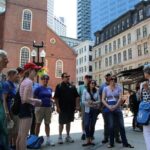
Boston history turns corners every few steps. This 2-hour Freedom Trail highlights walk hits the big moments fast, with tight stops and lively Brian-led storytelling. I like that it ties the street-level sights to the people who shaped the Revolution, and I also like that it ends in the action zone at Faneuil Hall. A small trade-off: it moves quickly, so if you want slow, museum-style reading, you may want extra time on your own.
I love how this route works even when Boston’s center feels small on a map. You’ll see major locations tied to rebellion, war, and independence, while the guide connects the dots in a way you can actually follow on foot. If you’re short on time, that matters a lot.
In This Review
- Quick hit checklist
- Where the walk really starts: Boston Common and Park Street Church
- Practical note
- Massachusetts State House: gold dome politics in plain English
- Granary Burying Ground and the Boston Massacre: names that stop you
- Why this pairing works
- King’s Chapel and Loyalist edges: not everyone was on one side
- Old South Meeting House and the Boston Tea Party plan
- Old State House: Declaration readings and the fuel for liberty
- Old Corner Bookstore: literary Boston next to political Boston
- Faneuil Hall: where debate meets the marketplace
- Price and pacing: is $39 worth 2 hours?
- Who this tour suits best (and who might want more time)
- Should you book this Freedom Trail highlights tour?
- FAQ
- How long is the Freedom Trail highlights tour?
- What is the price per person?
- Where do I meet the guide?
- Where does the tour end?
- Is there a live guide and what language is it?
- Is the tour wheelchair accessible?
- What sites does the tour focus on?
- Is hotel pickup or drop-off included?
- Are food and drinks included?
- Is cancellation possible for a refund?
- Can I reserve and pay later?
Quick hit checklist
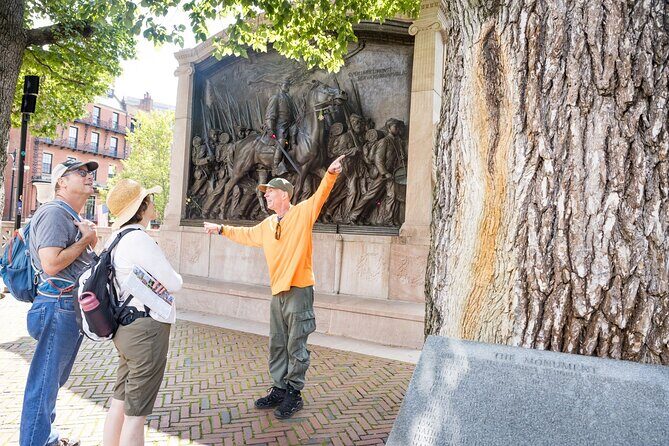
- Boston Common (founded 1634): Start in the country’s oldest public park and feel the Revolutionary backdrop shift around you.
- Granary Burying Ground: See Revolutionary-era leaders like Paul Revere, Samuel Adams, and John Hancock, plus Crispus Attucks nearby.
- Old South Meeting House: Get the prelude to the Boston Tea Party—where planning got rolling.
- Old State House: Learn how the Declaration of Independence being read from the balcony helped fuel the liberty push.
- Faneuil Hall: End at the so-called Cradle of Liberty, where speeches and debate have a long paper trail.
Where the walk really starts: Boston Common and Park Street Church
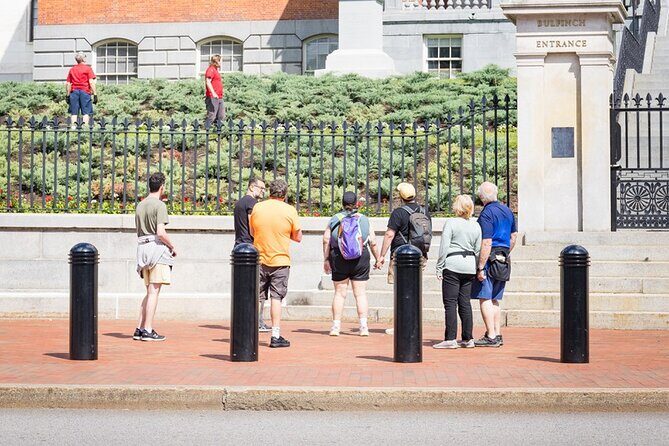
Your tour meets outside the Park St T Station on the eastern edge of Boston Common, a smart starting point because you’re already in the historic heart before you even begin walking. From the first steps on, Boston Common gives you perspective. It’s quiet green space in today’s city, but it also served as a stage for British troop encampments during the Revolutionary era, and later as a rallying ground in the 20th century.
Right after that, you’ll hit Park Street Church, erected in 1809. This isn’t just a pretty steeple for photos. The church has been tied to major public moments, including the first public anti-slavery address in the United States. That’s the kind of detail I like on the Freedom Trail: you’re not only tracing battles. You’re also tracing ideas.
You can also read our reviews of more tours and experiences in Boston.


Practical note
Boston Common is open and exposed. If weather hits, you may want layers and an umbrella that won’t flip inside-out.
Massachusetts State House: gold dome politics in plain English
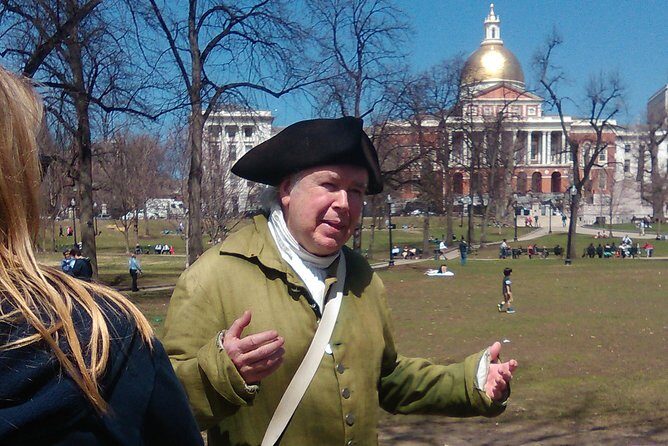
Boston’s Freedom Trail story isn’t only about protest. It’s also about government forming, then trying to work. The Massachusetts State House—completed in 1798 with its iconic golden dome—helps explain that transition.
On this tour, you’ll learn what the building did in the state’s legislative life and why the architecture matters. Even if you’re not an architecture person, it helps to see how a new government wanted to look and feel: confident, public, and durable. Think of this stop as the bridge between Revolution-era urgency and everyday governance.
Granary Burying Ground and the Boston Massacre: names that stop you
If Boston Common gives you the setting, Granary Burying Ground gives you the people. This is one of Boston’s oldest cemeteries, and it’s a standout stop for anyone who likes history with faces and names.
You’ll see famous Revolutionary figures such as Paul Revere, Samuel Adams, and John Hancock. But the moment that really adds weight is Crispus Attucks, linked to the Boston Massacre and recognized as the first casualty. Seeing his resting place in this cemetery setting forces the story to feel less like a textbook line and more like a human event.
Next, you’ll also reach the Boston Massacre site. Standing there, you can understand how quickly tensions between colonists and British soldiers escalated in 1770. I like that the guide doesn’t treat it as a cold fact. The talk usually frames why that spark mattered, and how it fed the wider independence momentum.
Why this pairing works
Cemeteries are quiet. A street-corner massacre marker is not. Put together, you get contrast: the after-effect of violence, and the way memory stays in the city.



King’s Chapel and Loyalist edges: not everyone was on one side
Not all churches on the Freedom Trail are just spiritual stops. King’s Chapel, built in 1754, brings a different angle.
You’ll learn about its Georgian architecture and, more importantly, its ties to loyalist congregants during the Revolution. That’s a useful reminder: America’s path to independence wasn’t a single straight line. People had reasons to back Britain, even when the Revolution grew louder.
This stop is especially helpful if you’re the type of traveler who gets annoyed when history is overly tidy. Here, you’re nudged toward the messy reality—political disagreement, community split, and changing loyalties.
Old South Meeting House and the Boston Tea Party plan
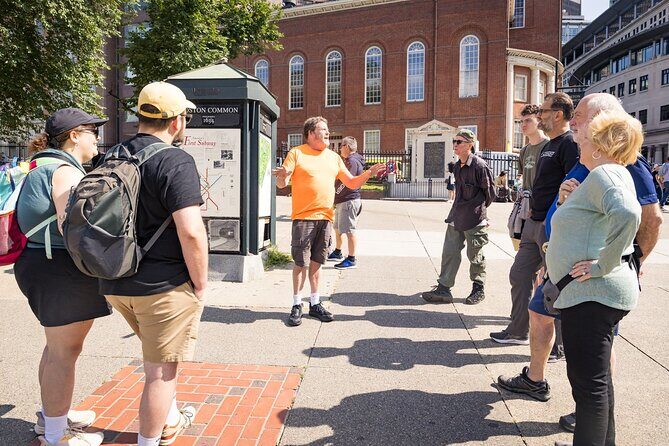
Now you’re moving from the social tension of the Revolution into the plan for a very specific flashpoint. Old South Meeting House, built in 1729, is where plans for the Boston Tea Party were set into motion.
That detail matters because it turns the Tea Party from a headline into a process. You’re not just hearing that someone was angry about taxes. You’re learning how colonists organized meetings and used public speech to make decisions together. It’s also a reminder that rebellion often starts with paperwork, schedules, and groups getting aligned.
If you’re traveling with kids, this is one of the easier sites to explain. It’s concrete: meeting house, plan, action.
Old State House: Declaration readings and the fuel for liberty
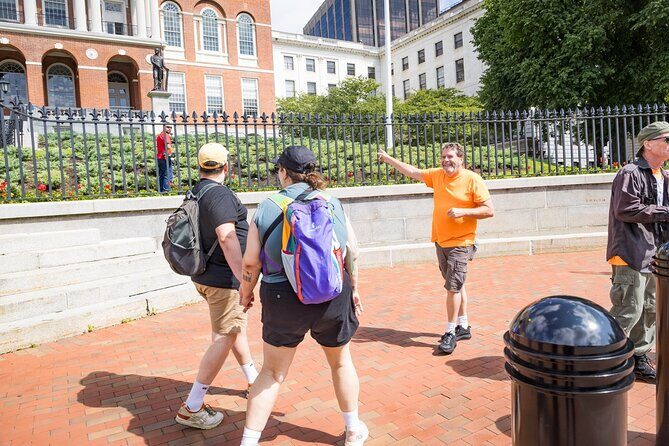
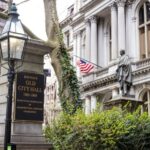
Old State House, dating back to 1713, is one of the most memorable stops on the route. This was the seat of colonial government, and it’s closely tied to key revolutionary moments.
Here’s the story point I’d bookmark: the Declaration of Independence being read from the balcony. That balcony detail isn’t trivia for trivia’s sake. It helps you picture how big ideas became public, loud, and contagious. When you hear that explanation while standing near the building, the fight for liberty feels less abstract.
You’ll also get context about why this building mattered before independence was even fully official. The guide’s style helps: you can follow the shift from colonial rule to revolutionary authority without getting lost in dates.
Old Corner Bookstore: literary Boston next to political Boston
Right after the Old State House area, you’ll pass Old Corner Bookstore. This stop adds a surprising layer to the Freedom Trail: print culture.
The bookstore was once a hub for the literary elite in the 19th century, and it published works by iconic authors like Louisa May Alcott. That’s a useful reminder that revolutions run on more than speeches and ships. Ideas spread through reading, publishing, and discussion.
It’s also an easy win for travelers who want the tour to feel human. You get a mental image of people thinking, writing, and arguing in a different kind of room than a meeting hall.
Faneuil Hall: where debate meets the marketplace
Your tour ends at Faneuil Hall, known as the Cradle of Liberty. Since 1742, it’s functioned as a marketplace and a meeting hall, so it naturally blended trade, gossip, and politics in the same physical space.
When the guide points out what happened here—fiery debates and speeches advocating for independence—it makes sense why this building is still a destination. This wasn’t history happening in one isolated moment. It was history happening where people actually lived their days: buying, selling, and listening.
If you want a good photo finish, Faneuil Hall delivers. And if you want to keep going after the tour, ending here is smart because you’re in an area with more things to do.
Price and pacing: is $39 worth 2 hours?
At $39 per person for a 2-hour guided highlights tour, you’re paying for focus. You’re not paying for every possible museum stop or for slow, ticket-by-ticket browsing. Instead, you’re buying a trained guide who can connect a lot of sites to the bigger story of rebellion and independence.
That value is strongest if:
- you’re on a short visit and want the core Freedom Trail moments without planning,
- you like hearing stories tied to real locations,
- you want a walking route that finishes with a strong payoff at Faneuil Hall.
The pacing is the key factor to understand. This is a highlights route, not a deep research expedition. I’d treat it as your orientation tour. Then, if anything grabs you, you can come back later with more time.
One more positive from the guide experience: Brian, the guide on recent tours, has been praised as entertaining, approachable, and packed with details, with a fun Boston accent. That kind of delivery matters because it turns history facts into a story you can remember later.
Who this tour suits best (and who might want more time)
This tour fits well if you want to:
- see top Freedom Trail sites in a limited window,
- keep your day moving on foot from Boston Common to Faneuil Hall,
- learn how events like the Boston Tea Party and the Declaration of Independence played out in real places.
It also works nicely for families. There’s a reason the guide gets mentioned as making the pace right and keeping kids engaged.
If you’re a hardcore history reader who wants to linger at every monument and read every interpretive sign, you might find 2 hours tight. In that case, use this as a first pass, then build your own follow-up stops.
Should you book this Freedom Trail highlights tour?
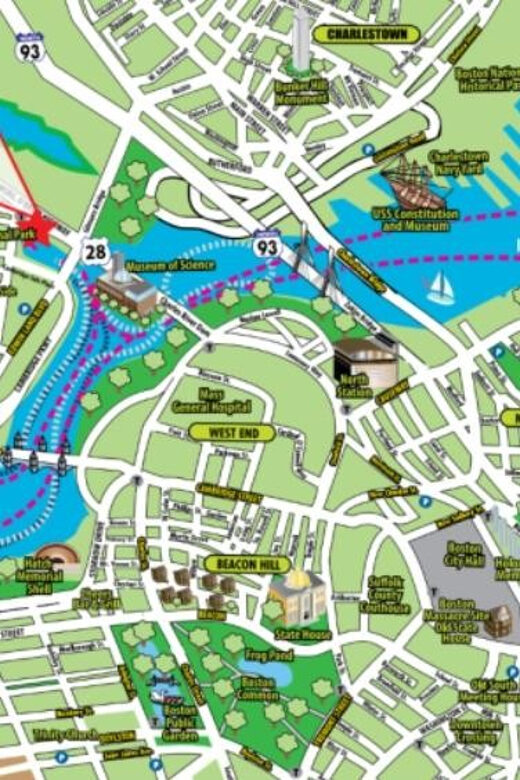
Book it if you want the Freedom Trail’s major hits with a licensed guide, and you’d rather spend your time walking and learning than sorting out where to go next. The route makes smart use of Boston’s compact center: Boston Common to Old State House to Faneuil Hall hits big milestones without feeling like a long trek.
Don’t book it if you want a slow, museum-heavy experience. This tour is designed for highlights in about 2 hours, so plan to add your own extra time only if you discover a topic you want to read deeper.
If you like your history with names, places, and clear cause-and-effect, this one is a solid buy.
FAQ
How long is the Freedom Trail highlights tour?
It lasts about 2 hours.
What is the price per person?
The price is listed as $39 per person.
Where do I meet the guide?
You meet outside the Park St. T Station on the eastern edge of Boston Common.
Where does the tour end?
The tour ends at Faneuil Hall.
Is there a live guide and what language is it?
Yes, it includes a live guided highlights tour with an expert licensed guide in English.
Is the tour wheelchair accessible?
Yes, the tour is wheelchair accessible.
What sites does the tour focus on?
The experience highlights include Boston Common, Old State House, Faneuil Hall, plus other Freedom Trail stops along the way such as Park Street Church, Granary Burying Ground, King’s Chapel, Old South Meeting House, Old Corner Bookstore, and the Boston Massacre site.
Is hotel pickup or drop-off included?
No, hotel pickup and drop-off are not included.
Are food and drinks included?
No, food and drinks are not included.
Is cancellation possible for a refund?
Yes, free cancellation is available up to 24 hours in advance for a full refund.
Can I reserve and pay later?
Yes, you can reserve now & pay later.