Boston hits different when you jog it. A guided run turns Boston’s famous streets into a quick, moving storyline, with Jennifer steering the talk as you cover ground. I like that you get more than views; you get the why behind what you’re seeing.
I also like the reset at the end: you finish with a refreshing coffee or tea to rehydrate, which makes this feel like a real plan for the morning (not just a workout). The main drawback to consider is that you need strong physical fitness, and the tour depends on good weather to run as scheduled.
In This Review
- Key points before you lace up
- Why this 1-hour run is a smart Boston start
- Meeting at 321 Boylston St: simple and central
- The opening stretch: oldest public park paths and classic Boston footing
- The State House rumor, expensive real estate, and a street built for photos
- Charles River running: a popular route you’ll feel in your legs
- Back Bay street logic: wide lanes, organized blocks, and a past you can see
- Newbury Street crossing: a famous strip without a tourist-only vibe
- Boston Marathon finish-line moment: quick photos, no detour
- Copley Square and the Trinity Church angle on Boston
- Ending at a local coffeeshop: the rehydration payoff
- Pace, group size, and why Jennifer’s approach matters
- Price and value: what free (really) buys you
- Who should book this run through Boston
- Should you book this 1-hour Run through Boston?
- FAQ
- How long is the 1-Hour Run through Boston?
- How many people are in the group?
- Where do I meet, and where does the tour end?
- Is there coffee or tea included?
- Do I need to keep a strict pace?
- What fitness level do I need?
- Does the tour run in poor weather?
- Are service animals allowed?
- How does cancellation and refund work?
- How do tickets work?
Key points before you lace up
- Small group of up to 6 means you’re not fighting for space or getting lost in the noise
- Guide-led stories while you run keep the route interesting without slowing you down
- Charles River + Back Bay + Newbury Street gives you multiple Boston vibes in one hour
- Boston Marathon finish-line crossing is a great photo moment without the marathon chaos
- End at a local coffeeshop so you leave feeling better, not just wiped out
Why this 1-hour run is a smart Boston start
Boston can be a lot on foot. It’s beautiful, but you can burn energy just trying to cover distance, then end up repeating the same few blocks. This run works because it’s built for motion. In a short time, you hit several well-known areas and you still have energy left for the rest of your day.
The other reason I like it: you don’t just jog past landmarks. You’re guided through the city’s details while your body stays in motion. That mix is what makes the hour feel fuller than a standard walking loop.
And yes, it’s only about an hour, so it’s realistic even when your schedule is tight.
You can also read our reviews of more tours and experiences in Boston
Meeting at 321 Boylston St: simple and central
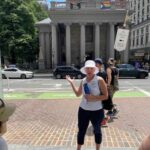
You start at 321 Boylston St, Boston, MA 02116, and the tour ends back at the same meeting point. That matters more than it sounds. When you don’t have to re-orient yourself at the end, you can actually keep your plans going.
This is also a near public transportation kind of outing. If you’re building a day around museums or a quick meal afterward, being able to hop on transit without a long walk buys you time.
You’ll also use a mobile ticket, so have your phone ready and keep an eye on your screen when you arrive. It’s one less thing to manage with a paper ticket.
The opening stretch: oldest public park paths and classic Boston footing
The run begins on paths in the oldest public gardens and park in the U.S. That’s a great way to start because the vibe is calm and open right away. You ease into the pace while the guide sets the tone and starts connecting the route to Boston’s larger story.
Expect some brick sidewalks and cobblestone streets early on. That’s normal for Boston’s older areas, but it does mean your shoes matter. If you’re wearing flimsy sneakers, you might feel it more than you’d expect.
Here’s what I’d watch for: cobblestones can make your footing feel different in the first few minutes. I suggest you take the first stretch a touch slower than you think you need. Once you’re warmed up, the route gets easier.
The State House rumor, expensive real estate, and a street built for photos
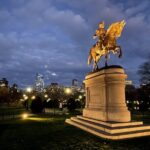
As you move through the early part of the run, your guide points out a set of details that would be easy to miss on a normal walk: the golden rumor of the state capitol, the most expensive real estate in Boston, and the most photographed street in the country.
Even if you don’t care about trivia, these stop-you-in-your-tracks moments do something important. They tell you where Boston people put their attention. You start to see why certain blocks get talked about and why the city’s image is shaped by a few specific streets.
And because you’re running, you get the effect without spending a whole morning just standing still. It’s a good balance: you learn, you move, you don’t overthink it.
Charles River running: a popular route you’ll feel in your legs
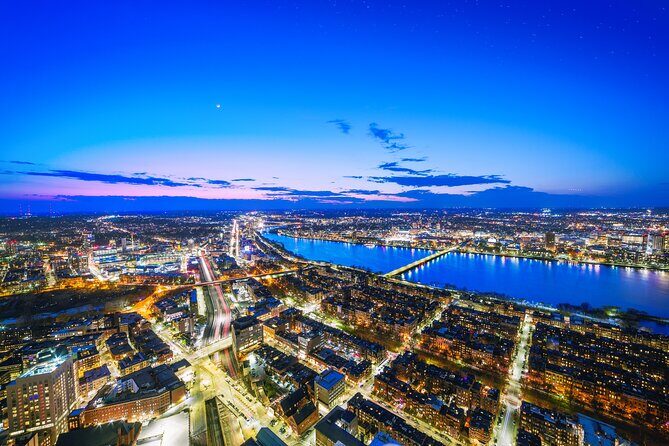
One of the best parts of this tour is getting out to the Charles River. You run one of the most popular routes in Boston, which is a smart choice for a short guided run. The river path gives you continuity: fewer sudden stops, more consistent views, and a clear sense that you’re in a real Boston training corridor.
Why that matters for you: after a few city blocks, a river route is a mental breather. You can breathe a little better, and your brain gets a wider view than street walls and storefronts.
Practical note: river paths are usually more exposed. If it’s windy or cool, you’ll feel it. If it’s hot, you’ll need to regulate your effort because the open air won’t cool you the way you might hope.

Back Bay street logic: wide lanes, organized blocks, and a past you can see
After the river, the route pushes into Back Bay. The tour calls out why the streets there are wide and well-organized, even though there used to be no streets at all. That’s one of those “wait, really?” ideas that turns the neighborhood into a story you can picture.
You also run through areas where you’ll see mansions and the kind of architecture that changes how you move. On foot, it’s easy to admire a building and forget to look ahead. When you’re running, your guide helps you keep your focus, so you’re not just counting facades—you’re understanding layout and history in a moving way.
Back Bay is a good segment for first-time Boston visitors because it’s visually distinctive and easy to anchor in your memory. It’s also where you start to feel the route as a full loop, not a pile of random stops.
Newbury Street crossing: a famous strip without a tourist-only vibe
You also cover Newbury Street, described as a popular, photo-friendly street. This part of the run is perfect if you like shopping streets, but don’t want to spend time browsing shops you’re too early to commit to.
What you get here is the energy of the corridor, seen from moving feet. You catch the storefront rhythm and the street life cues without getting stuck in traffic patterns or long lines.
One small drawback: if Newbury Street is crowded that day, your pace may slow slightly just from how people move. That’s normal. The value is that you’re still learning while you pass through.
Boston Marathon finish-line moment: quick photos, no detour
A standout photo stop is running across the Boston Marathon finish line—a place people recognize instantly, and a popular spot to stop for photos.
This is a smart inclusion. It adds drama to an otherwise calm city run. Even if you’re not a marathon fan, it’s one of those Boston moments that gives your trip a clear “I was there” marker.
Try this: take your photo, then get moving quickly. If you linger too long, you cool down and the rest of the route feels harder than it needs to.
Copley Square and the Trinity Church angle on Boston
Next comes Copley Square, where the tour highlights Trinity Church as an architectural masterpiece and passes by the oldest public library in America.
I like this segment because it shifts the run from street-level flavor to a bigger architectural frame. You’re no longer just looking at facades; you’re reading Boston’s public identity—church, library, civic space—things that anchor a city’s personality.
Even if you don’t go inside anything (and this tour doesn’t focus on that), seeing these landmarks from the street gives you useful context. Later, when you walk in the area on your own, you’ll understand what you’re looking at faster.
Ending at a local coffeeshop: the rehydration payoff
The tour finishes in a local coffeeshop, where you pick a refreshing beverage of your choice. This is more than a nice perk. It’s a practical way to end a run.
After one hour of moving, you usually feel fine during the activity and then suddenly tired once you stop. The drink helps you transition back into normal human mode. Coffee or tea also gives you an excuse to slow down, look around, and plan the next leg of your day.
If you’re the type who likes food planning, this stop is a good decision. You’re already in the zone to ask the guide or just enjoy what’s nearby before you head off.
Pace, group size, and why Jennifer’s approach matters
This tour caps at 6 travelers, and that changes the experience. You’re not constantly waiting for stragglers or weaving through a big pack. You can run with a rhythm.
The guide experience also seems to be a key part of why people rate it so highly. Jennifer is described as patient and willing to tailor the experience to your pace, including cases where younger runners joined. That’s important because it means you’re not trapped in a one-speed-for-everyone plan.
For you, that should translate to less stress. You can focus on enjoying the city and staying comfortable, instead of worrying that you’re falling behind or that the group is moving too fast.
Price and value: what free (really) buys you
The price is listed at $0.00, which is hard to beat if everything goes smoothly. In practical terms, this “free” cost isn’t about money—it’s about effort.
So here’s how I’d judge value:
- You get guided context while you run, not just a map and hope.
- You cover a lot of ground in about one hour.
- You end with a coffee or tea, which would cost you something on your own.
Even if you later spend money on breakfast elsewhere, this run can still be the best way to start because it gives you direction. You’ll know which neighborhoods you want to revisit, and you’ll feel like you earned your morning instead of just consuming it.
Who should book this run through Boston
This is best for you if you:
- Want a high-effort, high-return way to see Boston quickly
- Like learning while moving, not just hearing a lecture while standing
- Have enough fitness to keep going for about an hour
- Prefer a small group over a larger walking tour crowd
It may not fit you as well if you:
- Struggle with sustained walking and jogging
- Get wiped out easily after a short workout
- Are traveling on a day where weather could get messy (since the tour requires good conditions)
Should you book this 1-hour Run through Boston?
If you want Boston that feels active, not just scenic, I think this is a great booking. The route hits big names—Charles River, Back Bay, Newbury Street, Copley Square—and the Marathon finish-line moment adds energy. Then you finish with coffee or tea, which turns the whole thing into a morning plan.
Book it if you can handle light-to-moderate running effort and you’ll be in town for a day with good weather. Skip it if fitness or weather uncertainty would stress you out more than it would help you enjoy the city.
FAQ
How long is the 1-Hour Run through Boston?
It’s approximately 1 hour.
How many people are in the group?
The tour has a maximum of 6 travelers.
Where do I meet, and where does the tour end?
The meeting point is 321 Boylston St, Boston, MA 02116, USA. The activity ends back at the meeting point.
Is there coffee or tea included?
Yes. The tour ends with a refreshing beverage of your choice, such as coffee or tea.
Do I need to keep a strict pace?
The experience can be tailored to the group’s pace, including when the run includes younger runners.
What fitness level do I need?
You should have a strong physical fitness level.
Does the tour run in poor weather?
The tour requires good weather. If it’s canceled due to poor weather, you’ll be offered a different date or a full refund.
Are service animals allowed?
Yes, service animals are allowed.
How does cancellation and refund work?
You can cancel for a full refund up to 24 hours in advance. If you cancel less than 24 hours before the start time, the amount you paid will not be refunded.
How do tickets work?
You receive a mobile ticket.