REVIEW · BOSTON
Boston Freedom Trail History and Food Tour
Book on Viator →Operated by ExperienceFirst · Bookable on Viator
One walk through Boston, and history shows up at every turn. This Boston Freedom Trail History and Food Tour strings together major Revolution-era landmarks plus the North End-style food stops that make the day feel real. You’ll get photo time, quick tastings you can choose to buy, and stories that go past the usual textbook facts.
What I like most is the small group setup. With a max of 15 people, you actually get a moment to ask questions instead of shouting over the crowd. I also like that the tour pairs history with practical food intel, so you’ll know what to order at each stop and why it matters to Boston’s culinary story.
One consideration: food is optional. The walking-tour ticket is $39, but the recommended bites add up fast, and the usual add-on budget runs about $30 if you take most suggestions.
In This Review
- Key things to know before you go
- Why This Freedom Trail Walk Works for Food Lovers
- Price and Value: What You Pay vs What You Eat
- The 11:00 Route and the 2-Hour Pace
- Stop-by-Stop: Markets, Memories, and Revolutionary Streets
- Boston Public Market: Snack, then learn what you’re eating
- Haymarket: A market you can actually shop like locals
- Blackstone Block Historic District + Holocaust Memorial: Small streets, heavy meaning
- Quincy Market, a Georgian Facade, and the Big Dig Greenway
- Quincy Market: Liberty-era landmark energy
- A Georgian-style outside view: From economic engine to tourist hub
- Rose Fitzgerald Kennedy Greenway: Big Dig after-effects, now a park
- Italian Food Breaks: Salumeria Italiana and Parziale’s Bakery
- Salumeria Italiana: Order-minded deli sandwiches
- Parziale’s Bakery: Cannoli you can build your memory on
- Paul Revere House, Old North Church, and the Stories That Stick
- Paul Revere House: The midnight ride, seen in context
- Old North Church & Historic Site: An outside look that still means something
- How to Get the Most Out of the Tour (Without Over-Spending)
- Who This Tour Fits Best (and Who Might Skip)
- Should You Book This Boston Freedom Trail History and Food Tour?
- FAQ
- How much does the Boston Freedom Trail History and Food Tour cost?
- How long is the tour?
- Is food included in the ticket price?
- Where does the tour start and where does it end?
- What time does the tour begin?
- How large is the group?
- Are there days when certain stops are not available?
- Is free cancellation available?
- Do I need to worry about ticket format or language?
Key things to know before you go
- Small-group Q&A: max 15 people, so your questions don’t get lost.
- History with lesser-known angles: expect stories beyond the standard guidebook version.
- Food stops are optional: you can sample along the way, but nothing is included in the ticket price.
- Best photo moment at Boston Public Market: you can grab pictures while you eat or snack.
- Haymarket hours matter: it’s only open Fridays and Saturdays, so substitutions may happen on other days.
Why This Freedom Trail Walk Works for Food Lovers
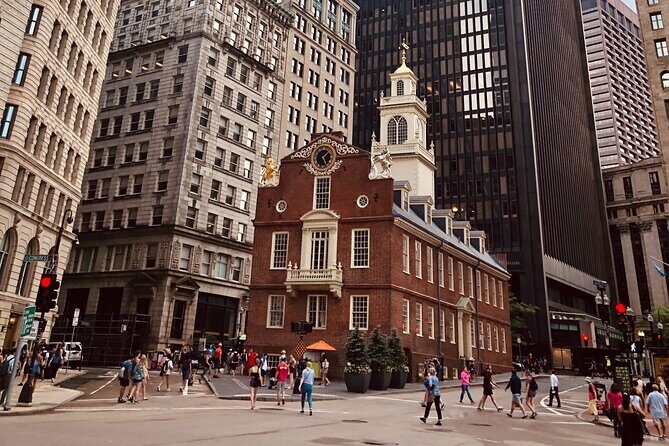
If you like history but you also need your legs to earn your lunch, this format hits the sweet spot. The route mixes recognizable Revolutionary sites with market streets and Italian-American food stops, so the day feels like Boston instead of a slideshow.
I love tours that connect themes. Here, the theme is simple: how Boston’s past shows up in the places people still eat, shop, and talk about. When your guide links a story to a specific location—like why certain foods became staples—you stop treating history as something distant.
You’ll also get a social angle without it turning into a forced party. With a small group, it’s easy to chat with other foodies and history buffs as you walk. One name that pops up often in feedback is Paul, praised for being friendly and for sharing stories that kept people engaged.
You can also read our reviews of more food & drink experiences in Boston


Price and Value: What You Pay vs What You Eat
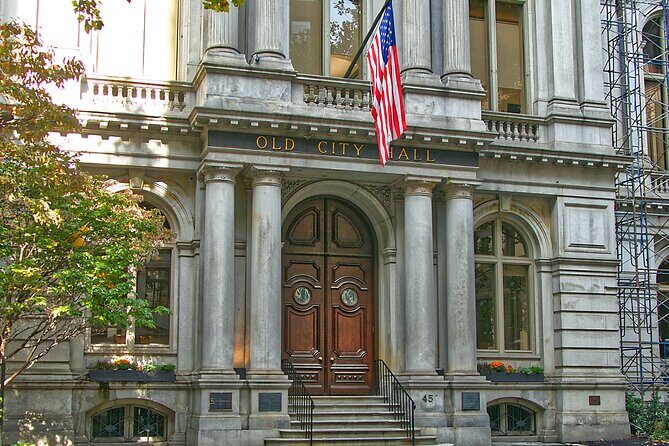
The tour costs $39 per person for about two hours of guided walking. That price buys you the guide, the route planning, and the local recommendations that tell you what to order and where.
Food is the only extra. The tour clearly separates the guided experience from the bites, so you’re in control of your budget. The suggested total for food is about $30 if you try most recommended items. That’s a realistic range for a market + pastry + deli sandwich + cannoli kind of day.
Here’s the value math: you’re paying for interpretation. You’re not just checking landmarks off a list. You’re getting context for what you’re seeing and help turning that into smart, low-effort choices for what to eat.
The 11:00 Route and the 2-Hour Pace
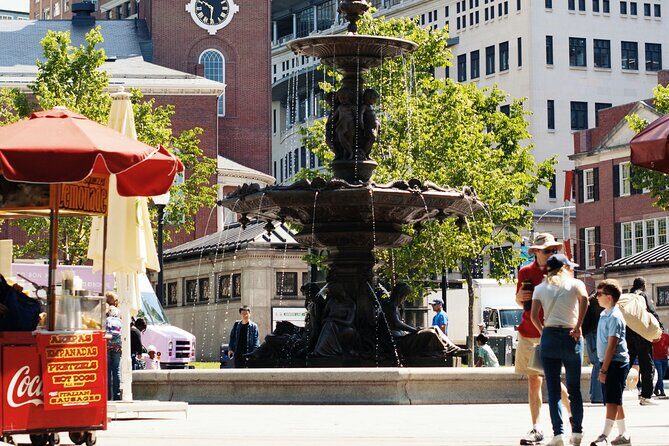
This tour starts at 11:00 am at Boston Public Market, 100 Hanover St. It ends across from Polcari’s Coffee at 105 Salem St (so you’ve got an easy place to grab your next caffeine hit).
Plan for about 2 hours on foot. The timing at each stop is short enough that you keep moving, but long enough to taste something if you want to. With the max group size of 15, the pace stays manageable.
Also keep an eye on the day of the week. One stop on the route—Haymarket—is only open Fridays and Saturdays. If you’re going another day, your guide will swap in something comparable so you still get the market experience.
Stop-by-Stop: Markets, Memories, and Revolutionary Streets
Boston Public Market: Snack, then learn what you’re eating
You begin at Boston Public Market, right where you can smell food and see top New England produce and artisanal items. If you choose to sample, this is where the tour steers you toward colonial staples like clam chowder and baked beans—the kind of foods that helped define early diets in the region.
The best part here is timing: you get a focused, first-stop introduction, then the rest of the walk feels connected rather than random. If you want photos, this is a strong candidate because the market setting gives you plenty to frame while you eat.
A practical note: since this is where many people start ordering, it can help to decide what you want early so you’re not indecisive once the line builds.
You can also read our reviews of more tours and experiences in Boston



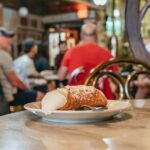
Haymarket: A market you can actually shop like locals
Next you head to Haymarket, described as a busy, long-running market with fresh produce and strong value. It’s open only Fridays and Saturdays, so if you’re touring on a weekday, expect a replacement stop.
This is one of those places where you learn that “market” isn’t just a building—it’s a routine. The guide’s context helps you understand why the same energy that draws shoppers today was built long ago.
Also, because you’ll be walking soon after, keep your purchase manageable. Think snack-sized and packable, not a full grocery run.
Blackstone Block Historic District + Holocaust Memorial: Small streets, heavy meaning
Then the tour slows down emotionally at the Blackstone Block Historic District. You’ll walk along one of Boston’s older streets, then pause near the Holocaust Memorial, known for its symbolic glass towers.
This stop matters because it shows how Boston’s history isn’t just about bright Revolutionary pages. It also includes reminders of real human suffering and resilience. If you’re the type who likes your history to be honest and not just dramatic, you’ll likely appreciate the respectful tone here.
Because the memorial is part of a reflective moment, keep your voice low and your attention focused. It’s short, but it lands.
Quincy Market, a Georgian Facade, and the Big Dig Greenway
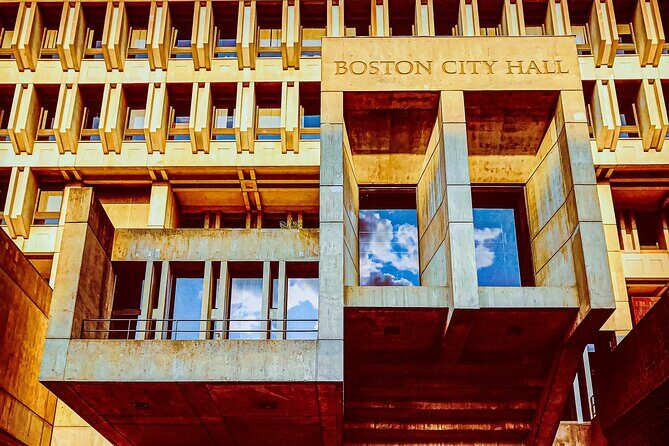
Quincy Market: Liberty-era landmark energy
You’ll then arrive at Quincy Market, known as the Cradle of Liberty. This is a stop designed for momentum. You get a lively mix of culinary options, and your guide ties it back to the Revolutionary era.
The value of this part of the tour is how it links the story to the feeling. Food halls like this aren’t just about eating now. They’re about how public gathering spaces have always shaped Boston’s identity.
If you’re sensitive to noise, this may feel busier than the earlier market streets. The good news: your time here is short, so you don’t get stuck.
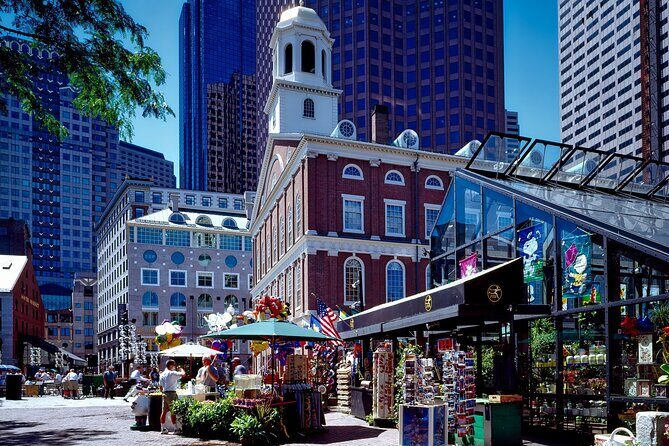
A Georgian-style outside view: From economic engine to tourist hub
After Quincy Market, you’ll take an outside look at Georgian-style architecture that the guide frames as a former economic powerhouse turned modern tourist hub. Since the viewing is from outside, you’re mainly there for scale, design, and context.
This stop is a good breather. You get a visual reset before the Italian food portion, and it gives the guide a chance to connect architecture to the story of commerce.
Rose Fitzgerald Kennedy Greenway: Big Dig after-effects, now a park
Next comes a quick stroll on the Rose Fitzgerald Kennedy Greenway. This urban park connects neighborhoods and traces its origin to the Big Dig project.
Even if you’re not a “city planning” person, you’ll likely enjoy this segment. It’s a reminder that Boston’s history isn’t only centuries-old. Some of it was made in recent decades when the city reshaped itself.
This stop is brief (about five minutes), but it helps the day feel like a living city rather than a museum hallway.
Italian Food Breaks: Salumeria Italiana and Parziale’s Bakery
Salumeria Italiana: Order-minded deli sandwiches
Now you’re in the North End-style zone at Salumeria Italiana. Here, the tour encourages you to sample Italian paninis from a local deli where meats are cut to order and paired with fresh bread and cheese.
What I like about how the guide sets this up is that it’s not just food trivia. It’s about process. Knowing that meats are cut to order changes what you’ll pay attention to when you’re ordering.
A quick strategy: if you’re planning to buy a panini, keep room in your stomach for dessert later. The tour’s later stop is cannoli-centered, and you’ll want to be hungry enough to really enjoy it.
Parziale’s Bakery: Cannoli you can build your memory on
The last food stop is Parziale’s Bakery, a century-old spot known for freshly filled cannolis. If you’re serious about Italian-American sweets, this is the place where the tour closes the loop.
Cannoli is simple on paper—shell and filling—but the freshness matters. When the stop is run this way, you’re not guessing. You’re being guided toward a specific classic with a strong tradition behind it.
If you prefer to save money, you can still enjoy the walk and only pick the cannoli. But if you go for it all, you’ll end the tour feeling like you actually ate your way through Boston’s themes.
Paul Revere House, Old North Church, and the Stories That Stick
Paul Revere House: The midnight ride, seen in context
Next comes the Paul Revere House and the walk through Paul Revere Mall. Your guide shares the legend of his midnight ride, turning a famous story into something you can picture in place.
This stop tends to work well even if you don’t love American history. The guide’s job is to translate the timeline into a human story—who did what, why it mattered, and how Boston shaped the escape routes and signals that became part of the legend.
If you want a takeaway, aim for one detail that the guide connects to something you can see or imagine on the street.
Old North Church & Historic Site: An outside look that still means something
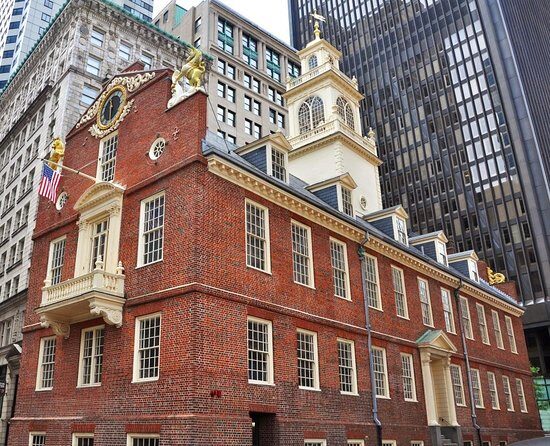
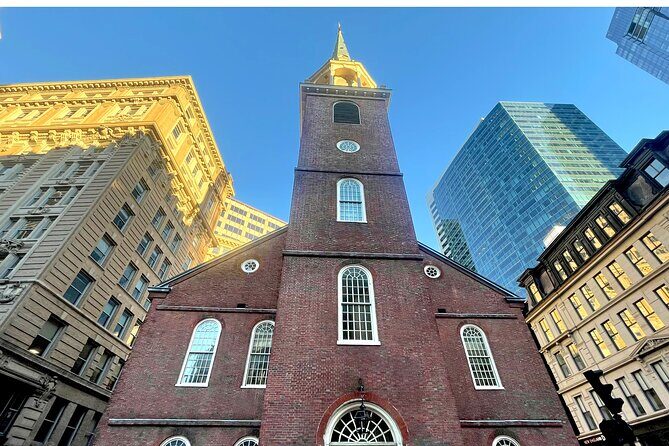
Finally, you reach Old North Church & Historic Site. The tour focuses on the church’s pivotal role in the American Revolution and gives you a chance to admire the architecture from the outside.
This is a good ending point because you get to consolidate. Markets and food choices built one layer of the day. Then the church adds the legend layer. By the time you leave, the walk feels coherent, not chopped up.
How to Get the Most Out of the Tour (Without Over-Spending)
This is one of those tours where your best experience depends on how you treat food budgeting. Your ticket covers the walking tour; food is optional and recommended. That means you should decide early how many bites you want.
If you want the full experience, plan on the about $30 food range. If you’d rather keep it tight, pick one savory stop plus the cannoli, then skip the rest.
Comfort tips:
- Wear shoes you can stand in for a while. It’s a walking format, not a drive-and-point tour.
- Bring a water bottle. Market stops are food-focused, and short breaks add up.
- Have a loose plan for what you’re buying at each food stop. It keeps you from feeling rushed when lines form.
Also, don’t be afraid to ask questions. The best feedback about this tour is that the guide makes room for them. With a group that maxes at 15, those questions actually get answered.
Who This Tour Fits Best (and Who Might Skip)
You’ll likely love this tour if you:
- Want Boston history with a real-food schedule
- Like small groups and conversation with your guide
- Prefer practical recommendations over just walking past places
You might be less thrilled if you:
- Hate spending extra on food at multiple stops
- Want a slower pace with longer museum-style stays
- Are only interested in inside admissions every stop (this tour’s emphasis is mostly walking and outside viewing, with optional purchases)
It’s also a solid choice if you’re traveling solo or in a small group. You’ll mix with other people, but you won’t feel lost in a crowd.
Should You Book This Boston Freedom Trail History and Food Tour?
If you’re the kind of person who likes history when it has a smell and a taste attached, this is an easy yes. The combination of small-group storytelling plus food recommendations makes the $39 ticket feel like more than a generic walk.
Book it if you want a guided route that covers markets, Revolution-era landmarks, and Italian-American favorites in about two hours. If you’re the type who dislikes optional spending, either budget for the recommended bites or choose just the stops that match your appetite.
One final nudge: if Haymarket timing matters to you, check the day you’re going. It’s Friday and Saturday only, and the guide may swap in another option otherwise.
FAQ
How much does the Boston Freedom Trail History and Food Tour cost?
It costs $39.00 per person.
How long is the tour?
The tour lasts about 2 hours.
Is food included in the ticket price?
No. The walking tour is included, but food costs are optional. The recommended items typically cost around $30.
Where does the tour start and where does it end?
It starts at Boston Public Market, 100 Hanover St, Boston, MA 02108. It ends across from Polcari’s Coffee, 105 Salem St, Boston, MA 02113.
What time does the tour begin?
The start time is 11:00 am.
How large is the group?
The tour has a maximum of 15 travelers.
Are there days when certain stops are not available?
Yes. Haymarket is only open on Fridays and Saturdays. If a venue is not open on your tour date, the guide will include a great alternative.
Is free cancellation available?
Yes. You can cancel for a full refund up to 24 hours before the experience’s start time.
Do I need to worry about ticket format or language?
The tour is offered in English and includes a mobile ticket. Confirmation is received at the time of booking. Service animals are allowed.