REVIEW · BOSTON
Boston: Freedom Trail, Bunker Hill, & USS Constitution Tour
Book on GetYourGuide →Operated by Walk & Talk Boston Walking Tours · Bookable on GetYourGuide
You can see Boston’s Revolution story unfold on foot. This tour strings together the whole Freedom Trail with hands-on stops, then pushes beyond the usual route to include Bunker Hill and a finish at USS Constitution. If you like history told through people, decisions, and consequences, this is an easy pick.
I especially like the way the guide ties the named figures (Adams, Revere, Washington) to less-famous characters like Margaret Kemble Gage, Dr. Joseph Warren, and James Otis. I also like the small-group format, which keeps the pace humane and makes room for questions and short breaks. The main drawback is simple: you’ll walk about three miles, and it’s not suitable for wheelchair users.
In This Review
- Key highlights to know before you go
- Starting at the Massachusetts State House: where the story clicks
- Boston Common and Park Street Church: pre-Revolution pressure building
- The graveyards: Granary and King’s Chapel as “who paid the price”
- Old South Meeting House to the Boston Massacre site: from protest to fear
- Faneuil Hall to Paul Revere House: rebellion becomes a loud conversation
- Old North Church and Copps Hill: messages, nights, and lasting memory
- Bunker Hill Monument to the battlefield: where the turning point feels physical
- Finishing at USS Constitution: closing with a Revolution-era symbol
- Price and what you’re really paying for ($79 for 4 hours)
- How the pace works (and how to not feel miserable)
- Who should book this tour (and who might prefer a different option)
- Should you book the Boston: Freedom Trail, Bunker Hill, & USS Constitution Tour?
- FAQ
- How long is the Boston Freedom Trail, Bunker Hill, and USS Constitution tour?
- Where do I meet the guide?
- Do I need my purchase confirmation to join?
- How far will I walk?
- Is this tour wheelchair accessible?
- What language is the tour guide?
- Can I cancel for a full refund?
- How many stops are included and where does the tour finish?
Key highlights to know before you go
- Small group feel: expect a capped group size (reviews mention around 14–16), so you can actually hear and ask questions.
- Full Freedom Trail coverage: every stop along the trail is included, plus a few extra stops that add context.
- Real Bunker Hill time: you don’t just look from a distance—you visit the monument and the battlefield area.
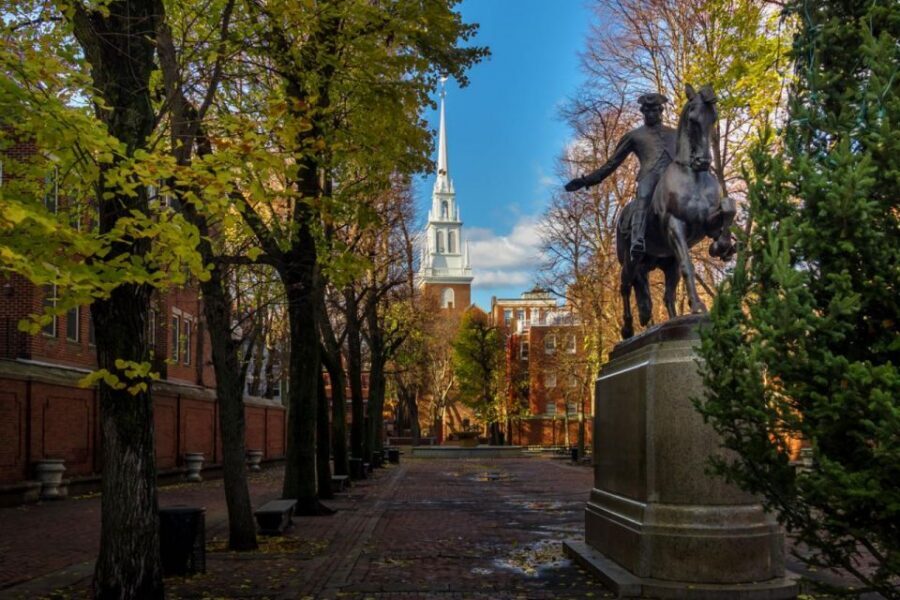
- Paul Revere and Old North, in the story order: you’ll connect the dots instead of collecting random sites.
- Finish at USS Constitution: the walk ends with a strong Revolutionary-era symbol, not just another churchyard.
Starting at the Massachusetts State House: where the story clicks

Most Freedom Trail tours start fast and stay in facts. Here, you start at the Massachusetts State House, so the day feels grounded: government, authority, and power were the stakes from the first minute. Your guide (Mark, per many reviews) sets the tone by explaining the key players you’ll meet along the way and how the events relate to each other.
From there, you head to Boston Common, a place that works like a real-world “timeline bookmark.” The guide uses the walk itself to frame what’s coming next, and you’ll understand why street corners matter when tensions are rising. If you’ve ever felt lost on your own while following the red line, this structure helps you get your bearings fast.
You can also read our reviews of more tours and experiences in Boston.


Boston Common and Park Street Church: pre-Revolution pressure building
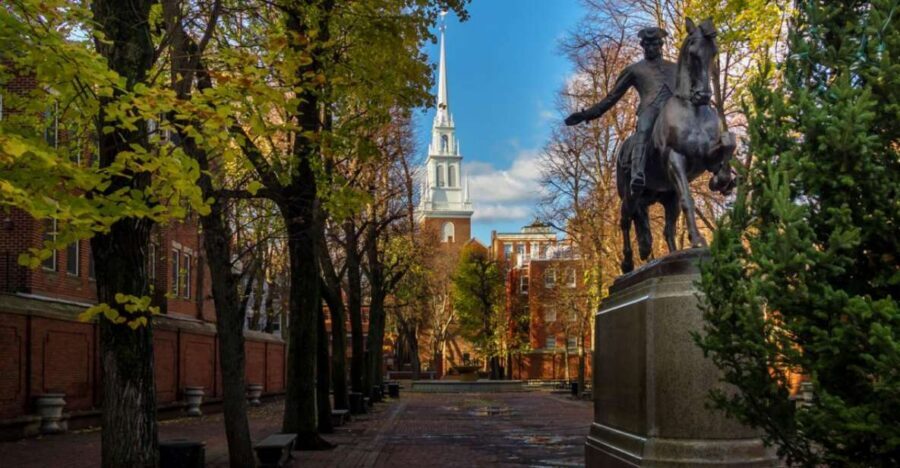
Boston Common is the warm-up that doesn’t feel like filler. You get guided context while moving through the area and snag some scenic views along the way, which helps you pace yourself before the day gets more intense.
Next up is Park Street Church. Even if you’ve heard of it before, you’ll learn why it matters in the Revolution-era conversation rather than treating it as just a landmark. The guide’s style is practical and chatty, so the stops don’t feel like a lecture with a headset.
The graveyards: Granary and King’s Chapel as “who paid the price”

Granary Burying Ground is where Revolution history turns human. When you visit, you’re not just looking at old stone—you’re stepping into the reality that the conflict touched families, communities, and legacies. The guide points out what to notice so you leave with more than a photo.
Then you move on to King’s Chapel Burying Ground. This stop pairs well with Granary because it reinforces how Boston remembered people and how memory shaped identity. If you like “the story behind the names,” these graveyards are often the favorite parts, and this itinerary gives them real time.
Old South Meeting House to the Boston Massacre site: from protest to fear
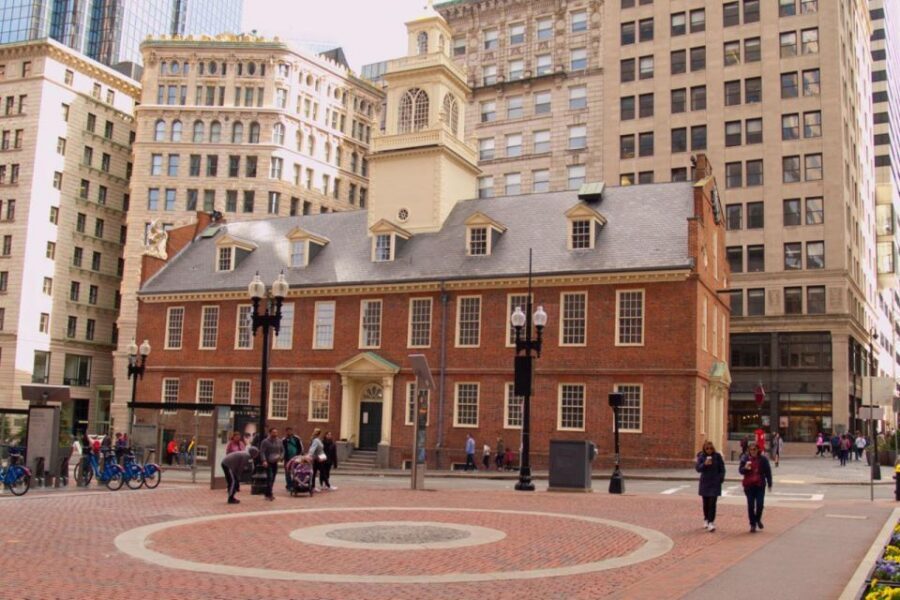
Old South Meeting House is the point where the mood shifts from argument to action. The guide explains the significance of the place in the events that led toward the Boston Tea Party moment, and you’ll see how public gatherings fueled radical thinking. It also helps that the tour doesn’t treat these events as distant. It frames them like a chain reaction.
After that, you head to the Boston Massacre site. This is a key stop because the guide doesn’t just name what happened. You’ll learn who was involved and what outcomes followed—how violence, propaganda, and public anger fed into each other.
Faneuil Hall to Paul Revere House: rebellion becomes a loud conversation

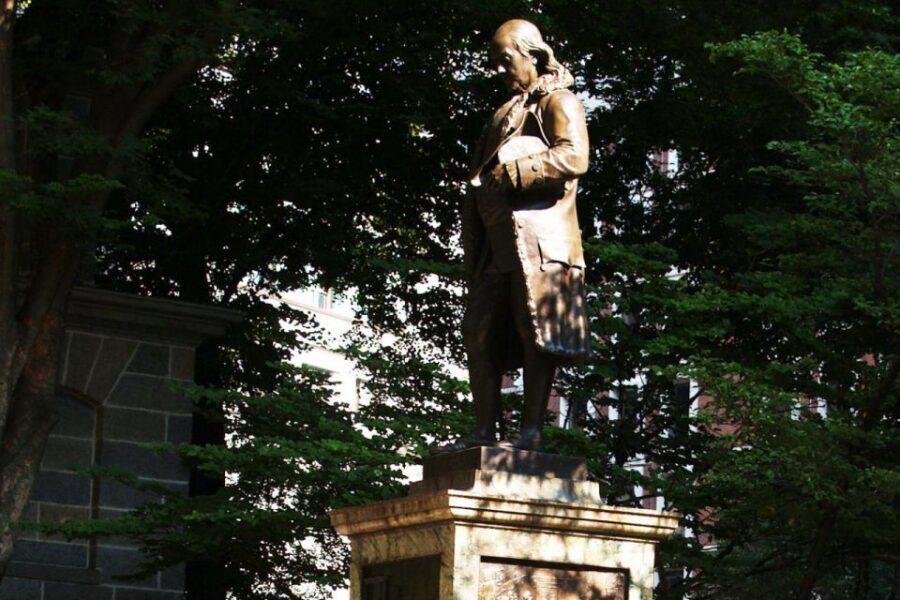
At Faneuil Hall, the Revolution story turns into something you can almost hear. The guided visit connects the site to the way political debate became a tool for organizing resistance. Even if you’ve visited before, you’ll get more from this stop because you’re coming with context now.
Then you visit the Paul Revere House. This is where the tour leans into people, not just events. You’ll see why Revere mattered in the wider picture, and you’ll connect his role to the urgency of the moment and what people were trying to prevent or spark.




Old North Church and Copps Hill: messages, nights, and lasting memory
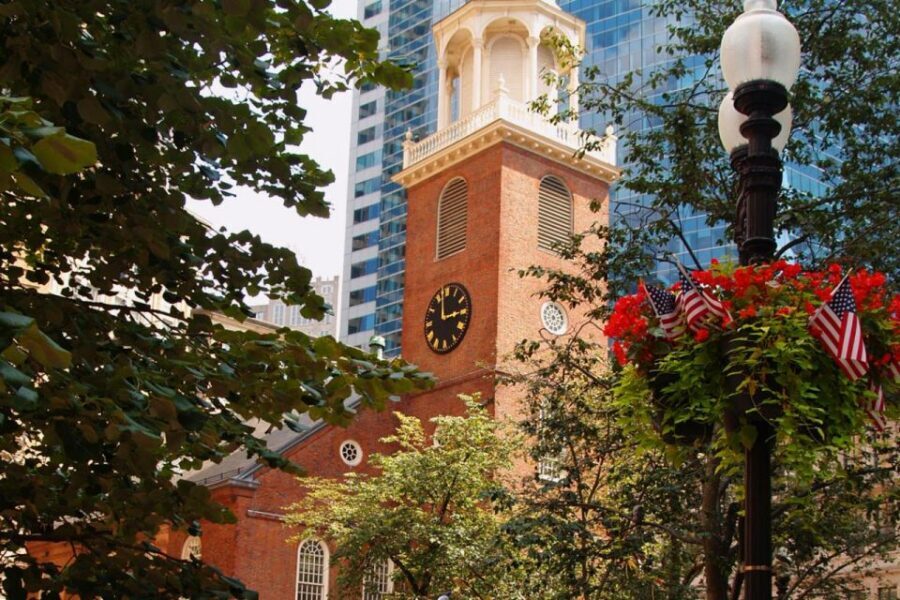
Old North Church is timed well in the tour flow. By now, you’re ready to understand why communication mattered so much when armies and rumors were moving. The guided stop puts the famous night story into the bigger Revolutionary logic instead of leaving it as trivia.
Copps Hill Burying Ground follows, and it works like a quieter chapter after the urgency of Old North. You’ll get guided context that helps you see how Boston remembered the people tied to the conflict. For me, this pairing is smart because it breaks the day into emotional beats rather than stacking landmark after landmark.
Bunker Hill Monument to the battlefield: where the turning point feels physical
Bunker Hill Monument is your first big “wow” moment of the afternoon. The guide uses it to set up what to expect next, so the battlefield visit afterward doesn’t feel random. You’ll understand why Bunker Hill mattered, not only as a battle, but as a turning point in British confidence and colonial resolve.
Then you actually visit Bunker Hill. This is a huge reason this tour earns its reputation. Many Freedom Trail walks stop short of making the battle real, but here you get the chance to stand in the setting and grasp the scale in a way you just can’t do from a distance. The guide ties the site back to the outcomes that followed, including the subsequent departure of British forces from Boston.
Finishing at USS Constitution: closing with a Revolution-era symbol

The tour ends at USS Constitution, which is a strong finish because it shifts from street-corner storytelling to a tangible symbol of Revolutionary ambition. You’re not just walking through history now; you’re landing at something that still feels like a living artifact of the era.
This ending also matters practically. By the time you reach USS Constitution, your feet are ready for a reset, and you’ll usually appreciate having the tour end at a clear location you can plan around for food and onward travel. One review mentioned that an affordable ferry option can help you get back near South Station, which can be a handy fallback if you want an easier return route.
Price and what you’re really paying for ($79 for 4 hours)

At $79 per person for about four hours, you’re paying for three things: a guided story thread, site access that actually reaches Bunker Hill, and a tight route that doesn’t leave you guessing. This is not just a “walk and point” tour.
What makes it feel like good value is the guide-to-group dynamic. Reviews repeatedly highlight that Mark keeps a good pace, answers questions, and finds spots to sit and rest when people need it. You also get the sense that the price buys time with someone who can explain how events connect—Boston Massacre leads toward later actions; tea-fueled anger connects to organized resistance; and the battle outcomes connect to the British leaving Boston.
How the pace works (and how to not feel miserable)
The tour is walk-heavy, with a requirement to be able to walk three miles. That’s a reasonable distance for most people, but the key is whether the pacing and breaks work for you. In this tour, they do. Reviews mention planned stopping, sitting breaks, and the guide being tuned to the group’s energy level.
I’d treat this as a “morning shoes, afternoon legs” kind of outing. Bring water and a few snacks, and wear shoes you trust. Several reviews mention the guide bringing extra water, and even ponchos for weather, but you shouldn’t rely on luck for your own comfort.
Who should book this tour (and who might prefer a different option)
This tour is a great match if you:
- want the whole Freedom Trail experience without playing guess-the-stop
- like Revolution history told through people, not just dates
- enjoy asking questions and getting straight answers in plain English
- care about seeing Bunker Hill and finishing at USS Constitution rather than skipping the hardest-to-fit locations
It may be less ideal if you:
- can’t comfortably walk around three miles
- want a short, low-effort highlights loop
Also, if you’re the type who gets annoyed by big groups, the small size here is a real advantage. You’ll spend less time shouting across crowds and more time hearing the story.
Should you book the Boston: Freedom Trail, Bunker Hill, & USS Constitution Tour?
If your goal is to understand Boston’s Revolution story in a connected way, I’d book it. The standout value is that you get full Freedom Trail coverage plus actual visits to Bunker Hill and USS Constitution, all guided by Mark with a clear, story-driven approach. Add in the small-group feel, breaks that make sense, and a guide who answers questions, and you have a tour that’s both fun and practical.
If you’re fit enough to walk three miles, go for it—this is one of those tours where the time spent walking pays you back in understanding.
FAQ
How long is the Boston Freedom Trail, Bunker Hill, and USS Constitution tour?
The tour lasts 4 hours.
Where do I meet the guide?
Meet at the Massachusetts State House, 24 Beacon Street, Boston. Your guide will be across the street from the main steps at the Robert Gould Shaw Memorial, wearing a white baseball cap with the Walk & Talk Boston logo and holding a green sign.
Do I need my purchase confirmation to join?
No. You do not need your purchase confirmation; the guide will have your name(s) and be expecting you.
How far will I walk?
You need to be able to walk three miles to participate.
Is this tour wheelchair accessible?
No. It is not suitable for wheelchair users.
What language is the tour guide?
The live tour guide provides the tour in English.
Can I cancel for a full refund?
Yes. Free cancellation is available if you cancel up to 24 hours in advance for a full refund.
How many stops are included and where does the tour finish?
You visit all Freedom Trail sites and additional enrichment stops. The tour finishes at USS Constitution.