REVIEW · BOSTON
Boston: Chinatown Food Tasting & Cultural History Tour
Book on GetYourGuide →Operated by Bites of Boston Food Tours · Bookable on GetYourGuide
Food stories walk better than maps. This 3-hour Chinatown tour turns the neighborhood into a living classroom, where you learn how Chinese food and Chinese-American cooking took shape right here in Boston. You start at the Chinatown Gate, hit historical and architectural points on foot, and then sit down for a satisfying set of tastings from 6 local eateries.
I especially like how the tour blends Chinese, modern Chinese, and Chinese-American flavors in one route, so the story shows up on your plate, not just in lecture form. I also like that the guide brings in the neighborhood’s past-and-present angle, including details tied to specific places like the first street and early restaurant sites.
One catch: this tour does not swap food for dietary needs or allergies, and one restaurant stop requires a flight of stairs with no elevator. If you’re strict about ingredients or need alternatives, you’ll want to think twice.
In This Review
- Key Highlights You’ll Actually Care About
- Entering Chinatown at the Chinatown Gate
- Six Tastings That Show How Boston Chinese Food Changed
- Past-and-Present History Lessons You Can Taste
- The Oldest Restaurant and Oldest Bakery: Why the “First” Stops Matter
- Newer Stops With Second-Generation Twists
- The Cocktail or Mocktail Finale
- Price and Value: Is $125 Worth It?
- Logistics Reality Check: Shoes, Water, Rain, and One Stair Stop
- Who This Tour Fits Best (and Who Might Skip It)
- What I’d Ask Before You Book
- Should You Book This Chinatown Food Tasting & Cultural History Tour?
- FAQ
- Where do I meet the tour guide?
- How long is the tour?
- What is the price per person?
- How many food tastings are included?
- What’s included besides tastings?
- Does the tour accommodate dietary restrictions or food allergies?
- Is the tour suitable for vegetarians or kids?
- Is the tour accessible for people who can’t handle stairs?
- What should I bring, and is it indoors?
- Is there a refund if I cancel?
Key Highlights You’ll Actually Care About
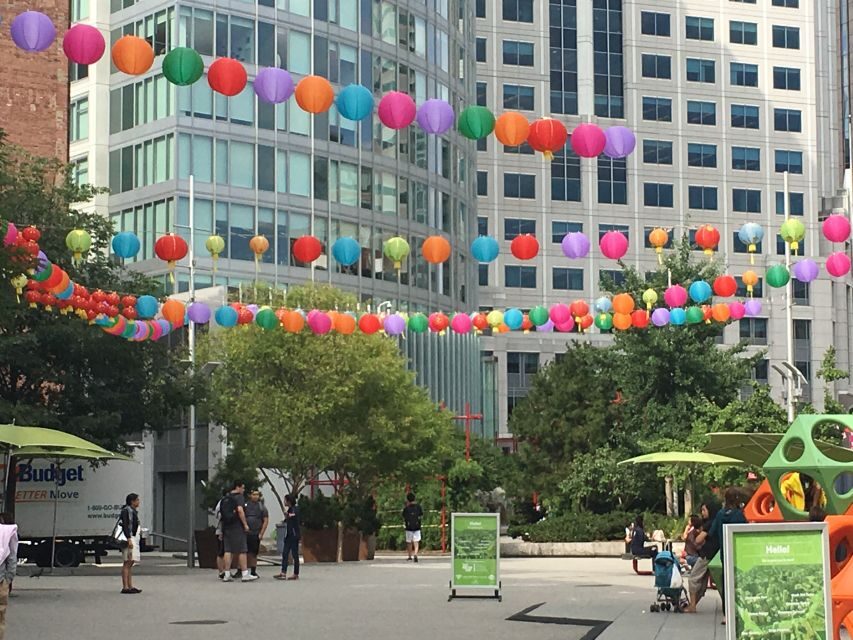
- Six tastings across traditional, modern, and Chinese-American styles make the food history easy to taste
- Past-and-present street storytelling connects old Chinatown roots to today’s menus
- Historical and architectural stops include the first street and the site of the first restaurant in Chinatown
- Oldest places get center stage, including the oldest restaurant in Chinatown and the oldest bakery
- A cocktail or mocktail at the end gives you a fun, low-key finish
- Andrew and Katie have been praised for quick, friendly history lessons that match the bites
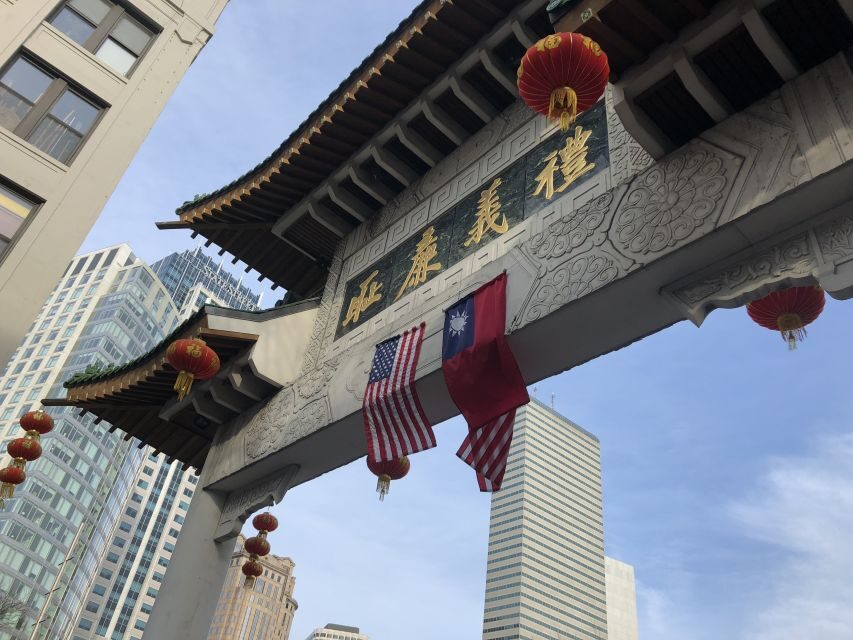
Entering Chinatown at the Chinatown Gate
You meet your guide right at the Chinatown Gate, which is a smart setup. Instead of starting in the middle of nowhere and hunting for context, you’re dropped into the right neighborhood frame from the first minute.
From there, the tour is built like a walk through time. You move along streets where the physical layout helps you understand how Chinatown formed and how it grew. The route also leans into architecture and cultural landmarks, so it feels less like snack shopping and more like learning how communities take shape.
Practical note: this is a walking tour outdoors for a significant portion of the time. Comfortable shoes aren’t a suggestion; they’re the whole plan. If the weather turns, you’ll still be moving.
You can also read our reviews of more food & drink experiences in Boston



Six Tastings That Show How Boston Chinese Food Changed
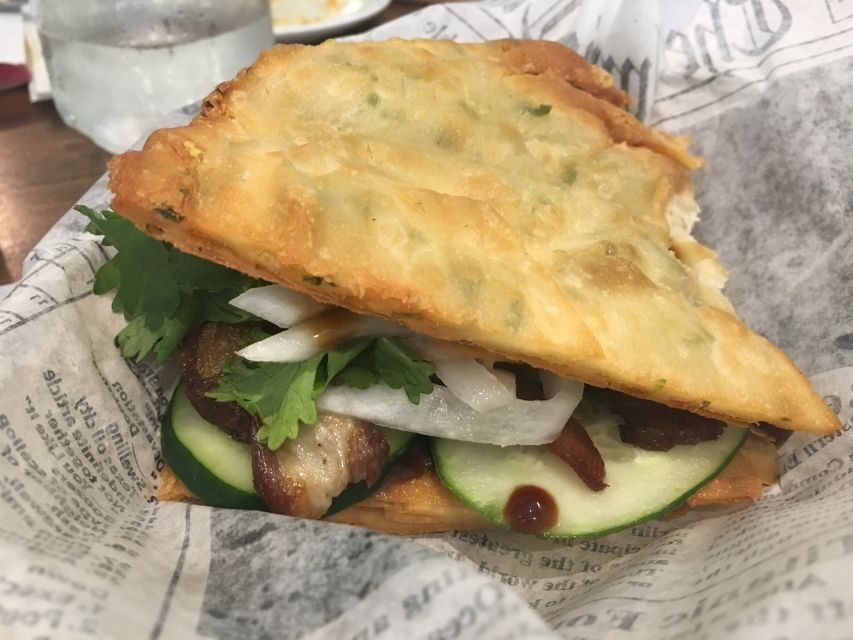
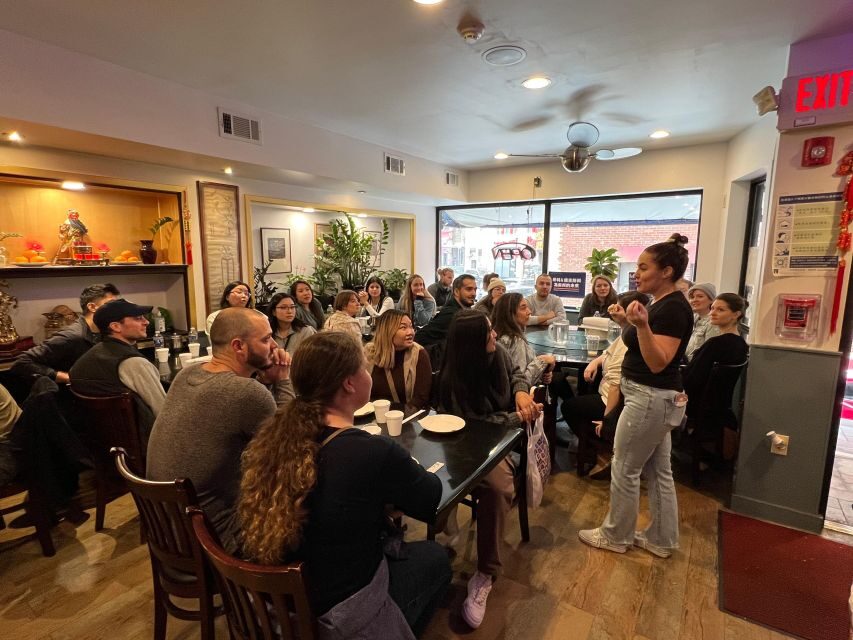
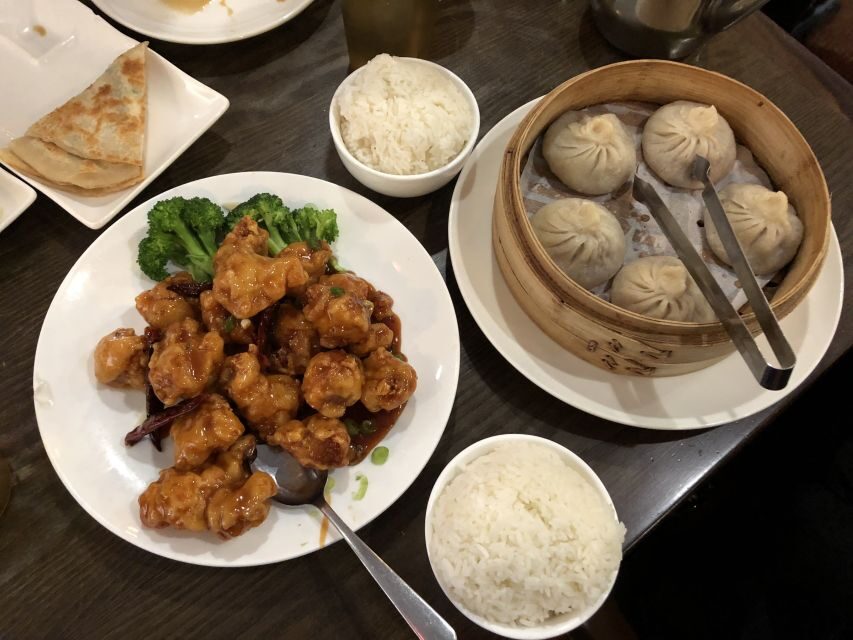
The heart of the experience is food: tastings from 6 local restaurants and bakeries. The goal is not just variety for its own sake. It’s to show how Chinese cuisine evolved in Boston and how Chinese-American dishes became part of the local identity.
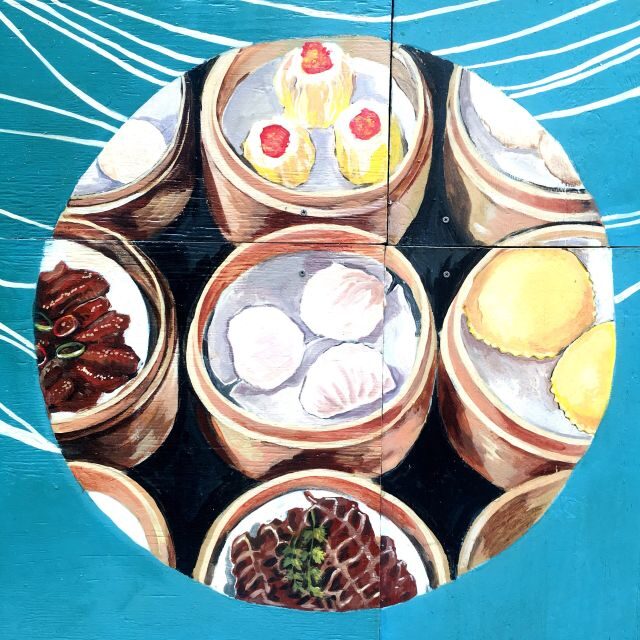
You’ll sample both sweet and savory bites. That matters because Chinese food culture includes a wide range of flavors and textures, and the sweet/savory balance helps you notice differences between styles. The tour also mixes:
- traditional Chinese tastes
- modern-day Chinese versions
- Chinese-American adaptations that reflect local tastes
You’ll also get some context about each stop—often including what the restaurant/bakery is known for and how the owners shaped its menu. That turns tasting into a story you can follow. One bite makes more sense when you know what came before it.
Past-and-Present History Lessons You Can Taste
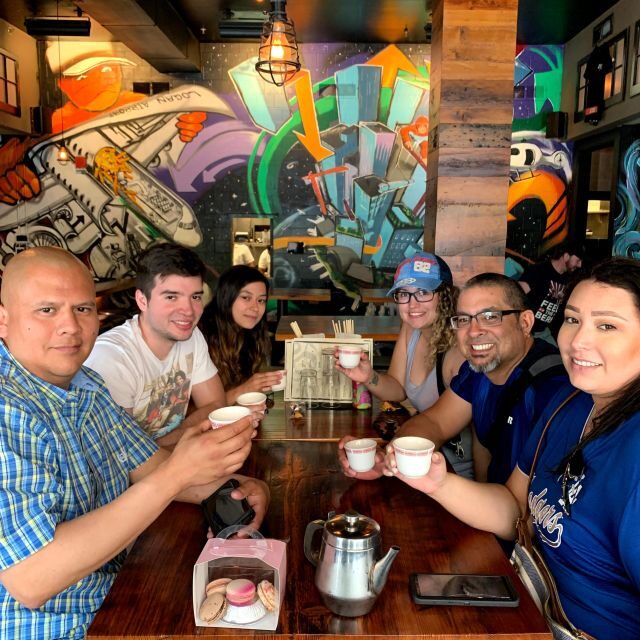
What makes this tour work is the way history stays connected to food. You don’t just learn that Chinatown exists—you learn how historic events mattered in shaping Chinese-American culture and cuisine in Boston.
The tour’s street-level angle is key. As you walk, you hit sites of historical and cultural interest, including places tied to Chinatown’s early days. You even visit the first street and the site of the first restaurant in Chinatown. That kind of stop changes the whole mood: your snacks stop feeling random and start feeling like evidence.
You also learn about the owners behind the establishments. That’s more useful than it sounds. Ownership tells you why a place keeps a tradition, why it updates, and how families pass down cooking styles and customer expectations.
If you like facts but also like them served with a reason, this tour hits a good balance.
The Oldest Restaurant and Oldest Bakery: Why the “First” Stops Matter
A big part of the itinerary focuses on Chinatown’s oldest institutions. You’ll visit the oldest restaurant in Chinatown, which is a powerful anchor for the whole experience. When you see a long-running place like this, you can better understand what stayed consistent even as the neighborhood changed around it.
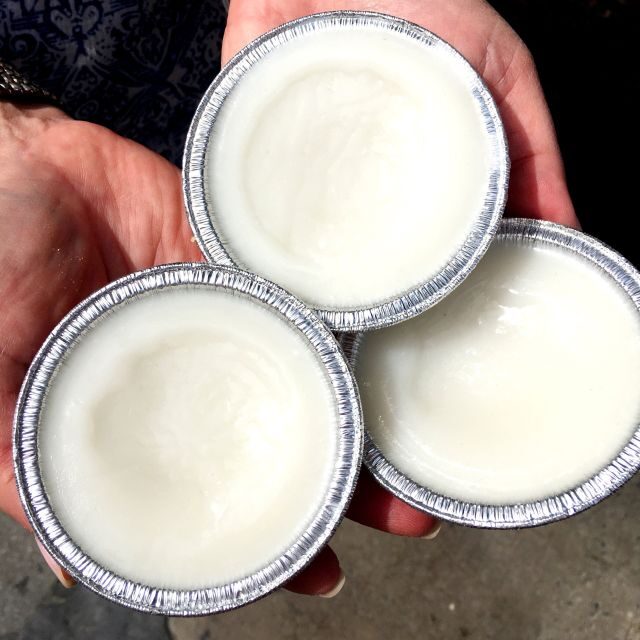
The bakery stop works the same way. You’ll enjoy a sweet from the oldest bakery, giving you a taste of what early Chinatown customers likely wanted—simple, satisfying flavors that hold up over time.
These two stops do something that restaurant hopping usually doesn’t: they create a baseline. After tasting older styles, you’re better prepared to notice what’s different when you reach newer establishments later in the walk.
There’s also a smart pacing choice here. The tour doesn’t throw you into “newest only.” It builds forward, so the evolution feels logical rather than chaotic.
Newer Stops With Second-Generation Twists
After you’ve anchored yourself with the oldest spots, you get to see how Chinatown continues through newer businesses. The tour includes newer establishments opened by 2nd-generation restaurant owners, and they bring a fresher, more modern twist to the neighborhood.
That’s one of the best ways to understand Chinese-American food in Boston. You’re not only eating what survived; you’re eating what adapted. Second-generation leadership often means keeping the roots but updating flavors, plating, or product choices to match current diners.
You’ll still be learning as you go—there’s a reason each stop lands on the route. This part of the tour is where the story becomes a little more “today.” The past explains the why, and the newer spots show the how.
You can also read our reviews of more tours and experiences in Boston


The Cocktail or Mocktail Finale
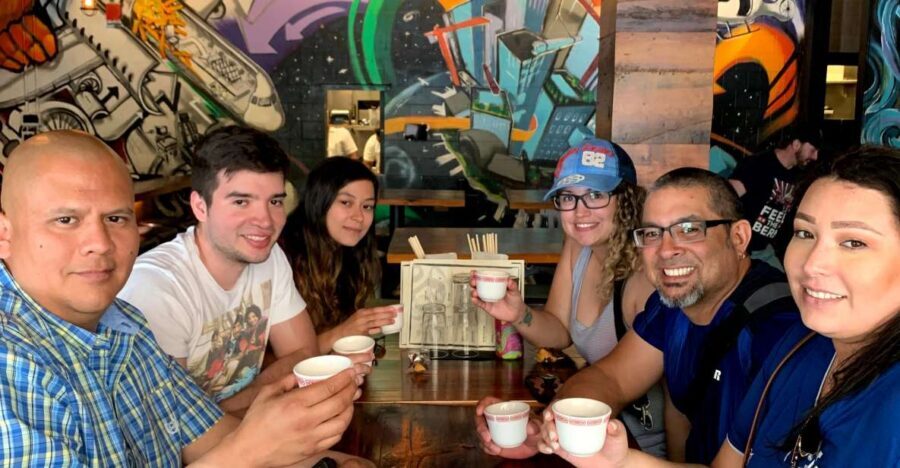
At the end, you’ll cap the tour with a cocktail or a mocktail. This is a genuinely nice touch, because it gives you a moment to reset after walking and eating.
It also helps you end the tour on a social note. Chinatown food can be intense in the best way—flavor, aroma, noise, motion—and a final drink gives you a gentle landing. You also finish with something fun rather than just “more food” right to the end of the clock.
If you’re the type who likes a day to have a clear ending point, this helps.
Price and Value: Is $125 Worth It?
At $125 per person for a 3-hour guided walking tour, you’re paying for three things at once:
1) a guided route with cultural and historical stops
2) tastings from 6 local eateries and bakeries
3) one cocktail or mocktail, plus local taxes and fees
Compared to doing this on your own, the value is in the structure. Walking Chinatown without guidance can be rewarding, but it’s easy to miss the historical anchors—the first-street and first-restaurant type details—and it’s even easier to end up with scattered snacks instead of a clear food-evolution story.
You also get more food than a typical “light tasting” format. The tour is designed to be enough for a satisfying lunch because you’re not just nibbling; you’re collecting multiple bites, sweet and savory.
The main reason the price might feel high to some people is dietary limitations. Since the tour does not offer alternative tastings for allergies or dietary restrictions, you can’t shop around your needs mid-tour. If you fit the requirements, the cost feels more justified. If you don’t, it’s harder to get equal value.
Logistics Reality Check: Shoes, Water, Rain, and One Stair Stop
This tour runs rain or shine, so plan for weather. Bring an umbrella and a rain jacket if rain is predicted. You’ll likely be happier if you treat the tour like a walk with food stops, not a sit-down event.
You also need a small packing mindset:
- wear comfortable shoes
- bring water
- bring your ID card (a copy is accepted)
There are also firm “no’s” that matter. No pets, no baby strollers, and no luggage or large bags. If you’re doing Chinatown as part of a bigger day, keep your day bag light.
Accessibility-wise, one restaurant stop requires a flight of stairs, and there’s no elevator available at that location. If mobility is a factor for you, this is worth planning around before booking.
Who This Tour Fits Best (and Who Might Skip It)
This tour fits best if you want Chinatown food with context. It’s a strong choice for adults and older teens who can eat multiple styles and enjoy learning while walking.
It is not recommended for:
- children under 12
- vegetarians
- people with food allergies
And it can’t accommodate dietary restrictions with alternative tastings.
So if you can eat freely (no allergies, no dietary constraints that prevent you from trying the planned bites), you’ll likely get the most out of the variety. If you need substitutions, you’ll be stuck with the tour’s standard selections.
What I’d Ask Before You Book
If you’re excited but want to be confident, use this quick checklist:
- Can you eat Chinese food and try both sweet and savory items on a set route?
- Are you comfortable with a walking tour outdoors for most of the 3 hours?
- Does the no-stairs-once-in-a-while detail affect you?
- Do you want your Chinatown experience to include specific history points like the first street and early restaurant site?
If most answers are yes, this tour is a great match for how many people like to travel: walk, taste, learn, repeat.
Should You Book This Chinatown Food Tasting & Cultural History Tour?
I’d book it if you want a guided walk that connects food evolution to real places in Chinatown. The combination of 6 tastings, a past-and-present story, and an easy meeting point at the Chinatown Gate makes it feel efficient without feeling rushed.
I would skip or look for a different option if you have allergies or dietary needs that require substitutions. Since the tour cannot provide alternative tastings, it’s not a flexible format.
If you like your food tours with actual context—especially the kind tied to old institutions, early Chinatown sites, and then the second-generation updates—this is a solid choice.
FAQ
Where do I meet the tour guide?
You meet your guide right at the Chinatown Gate.
How long is the tour?
The tour lasts 3 hours.
What is the price per person?
The price is $125 per person.
How many food tastings are included?
Tastings from 6 local restaurants and bakeries are included, with both sweet and savory samples.
What’s included besides tastings?
The tour includes a guided walking experience, visits to multiple historical and cultural sites, and one cocktail or mocktail at the end. Local taxes and fees are included too.
Does the tour accommodate dietary restrictions or food allergies?
No. Your guides are not able to accommodate dietary restrictions or food allergies with alternative tastings on this tour.
Is the tour suitable for vegetarians or kids?
It is not recommended for vegetarians, and it is not recommended for guests under age 12.
Is the tour accessible for people who can’t handle stairs?
One restaurant stop requires a flight of stairs with no elevator, so the tour may be difficult if stairs are a problem.
What should I bring, and is it indoors?
Bring comfortable shoes, water, and your ID card (a copy is accepted). The tour is outdoors and runs rain or shine, so plan for weather with an umbrella and rain jacket if rain is predicted.
Is there a refund if I cancel?
Yes. You can cancel up to 2 days in advance for a full refund.